
A central air compressor is the heart of many home and business cooling systems. When it works well, you enjoy a comfortable environment with clean, cool air. But when something goes wrong, your whole system can shut down, leaving you frustrated and hot.
Fixing a central air compressor may seem complicated, but with clear steps, the right tools, and some practical knowledge, many common issues can be fixed at home. This guide will help you understand, diagnose, and repair central air compressor problems—whether you’re a homeowner or a facility manager.
Along the way, you’ll learn tips and tricks that most beginners miss.
Understanding Your Central Air Compressor
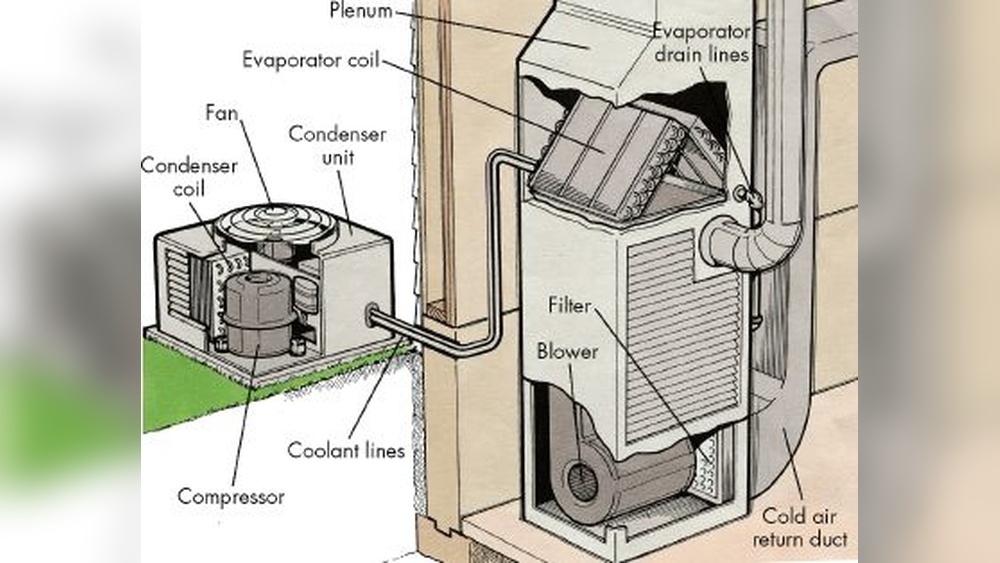
Before you start any repair, it’s important to know what the central air compressor does. It is responsible for compressing the refrigerant and moving it through the coils. This process lets your air conditioner absorb heat from inside and release it outside. If the compressor fails, the whole cooling system can stop working.
Central air compressors come in different types, such as reciprocating, scroll, and rotary. Each type works a bit differently, but most home systems use a reciprocating or scroll compressor. Knowing your type will help you find the right parts and understand the repair steps.
Common Signs Of Compressor Problems
Fixing a central air compressor starts with recognizing the signs of trouble. Here are some indicators your compressor may need attention:
- No cool air: Your air conditioner blows warm or room-temperature air.
- Strange noises: Clicking, rumbling, or hissing sounds from the outdoor unit.
- Unit won’t start: The system does not turn on, or turns off quickly.
- Circuit breaker trips: The breaker connected to your AC keeps shutting off.
- Compressor overheats: The outdoor unit is hot to the touch.
- Vibration or shaking: The outdoor unit shakes more than normal.
If you notice these signs, it’s time to investigate further.

Credit: www.supertechhvac.com
Safety First: Preparing For Repairs
Working with central air compressors can be dangerous. Always take safety precautions:
- Turn off power at the circuit breaker before touching any components.
- Use insulated tools to reduce the risk of electric shock.
- Wear gloves and safety glasses for protection.
- Keep the area dry to avoid slipping or electric hazards.
- If you smell burning or see smoke, call a professional immediately.
Many people forget to check for leftover power in capacitors, which can store dangerous voltage. Use a voltage tester to confirm all power is off.
Diagnosing The Problem
Finding the real cause is key to fixing your compressor. Here are steps to diagnose the issue:
1. Check The Thermostat And Power
Sometimes the problem is not with the compressor. Make sure the thermostat is set to “cool” and below room temperature. Check if the breaker is tripped. Reset it if needed.
2. Inspect The Air Filter And Vents
A clogged air filter can make your system overwork and affect the compressor. Replace dirty filters and ensure vents are open and unblocked.
3. Examine The Outdoor Unit
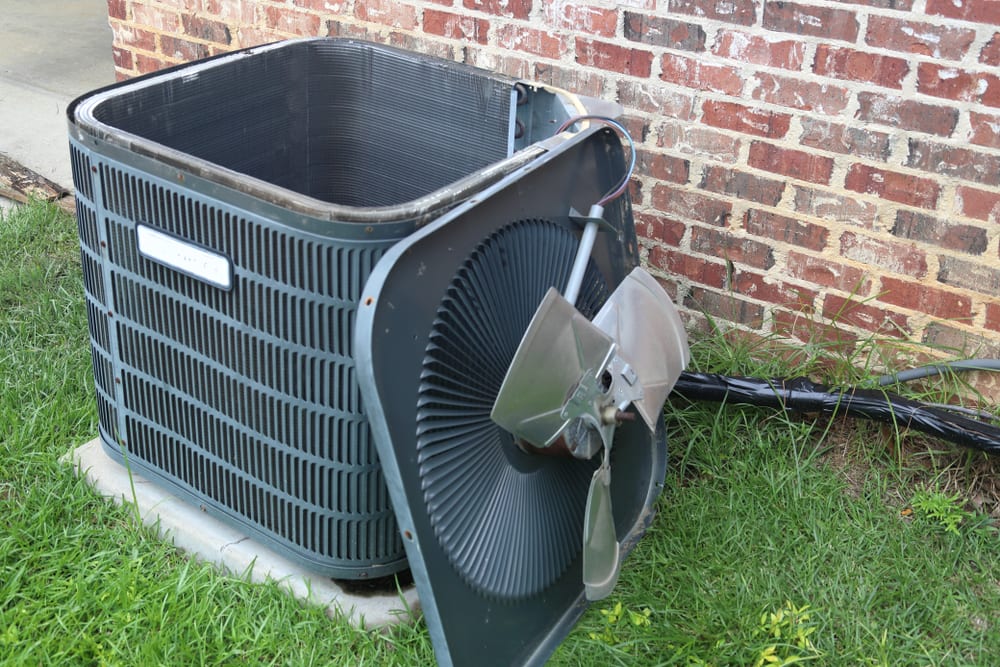
Look for visible damage or debris around the outdoor compressor unit. Clear away leaves, dirt, and grass. Sometimes, cleaning the area can solve minor problems.
4. Listen For Unusual Noises
Different sounds mean different issues:
- Clicking: Could be a relay or capacitor issue.
- Hissing: May signal a refrigerant leak.
- Rattling: Loose panels or screws.
5. Test The Capacitor And Contactor
The capacitor helps the compressor start. A faulty capacitor is a common cause of compressor failure. Use a multimeter to test for continuity. The contactor controls the flow of electricity. If it looks burned or pitted, it may need replacing.
6. Check Refrigerant Levels
Low refrigerant can damage the compressor. If you notice ice on the coils or hear hissing, you may have a leak. Only a licensed technician should handle refrigerant, as it requires special equipment and knowledge.
Step-by-step: How To Fix Central Air Compressor Issues
Once you’ve found the problem, use these repair steps. Not every fix needs a professional—some you can do yourself.
Cleaning And Basic Maintenance
- Switch off power to the system.
- Remove leaves, dirt, and debris from the outdoor unit.
- Use a garden hose to gently clean the coils (never use high pressure).
- Straighten bent fins with a fin comb.
- Replace or clean air filters inside your home.
Regular cleaning can extend your compressor’s life and improve efficiency.
Replacing The Capacitor
A failed capacitor often stops the compressor from running. Here’s how to replace it:
- Turn off all power to the unit.
- Remove the access panel on the outdoor unit.
- Locate the capacitor (a metal cylinder).
- Use a screwdriver with an insulated handle to discharge the capacitor.
- Take a photo of wire connections for reference.
- Disconnect wires and remove the old capacitor.
- Install the new capacitor, matching the wiring exactly.
- Replace the panel and turn the power back on.
Most homeowners miss the step of discharging the capacitor, which is critical for safety.
Replacing The Contactor
If your compressor doesn’t start, the contactor might be faulty.
- Disconnect power.
- Open the access panel.
- Find the contactor (a small box with wire terminals).
- Take a photo of wire positions.
- Remove wires and unscrew the contactor.
- Install the new contactor, reconnect the wires.
- Close the panel and restore power.
Fixing Electrical Connections
Loose or corroded wires can cause the compressor to fail. Inspect all visible wires for damage or corrosion. Tighten loose connections and replace any damaged wires. If you see burnt areas, replace the wire and connector.
Addressing Refrigerant Issues
If you suspect a refrigerant leak, you’ll need a professional with an EPA license. Do not try to add refrigerant yourself. However, you can check for visible oil stains or ice buildup, and share this information with your technician.
Resetting The System
Sometimes, resetting the system after fixing minor issues can help.
- Turn off the thermostat.
- Switch off the breaker for the AC.
- Wait 5–10 minutes.
- Turn the breaker back on, then the thermostat.
This can clear minor faults and restart the compressor.
When To Call A Professional
Some problems are too risky or complex for DIY repair. Call a certified technician if:
- You see burnt wires or smell burning.
- The compressor is making loud banging noises.
- There is refrigerant leaking from the system.
- The compressor does not run after replacing the capacitor or contactor.
- The unit is under warranty—DIY repairs can void coverage.
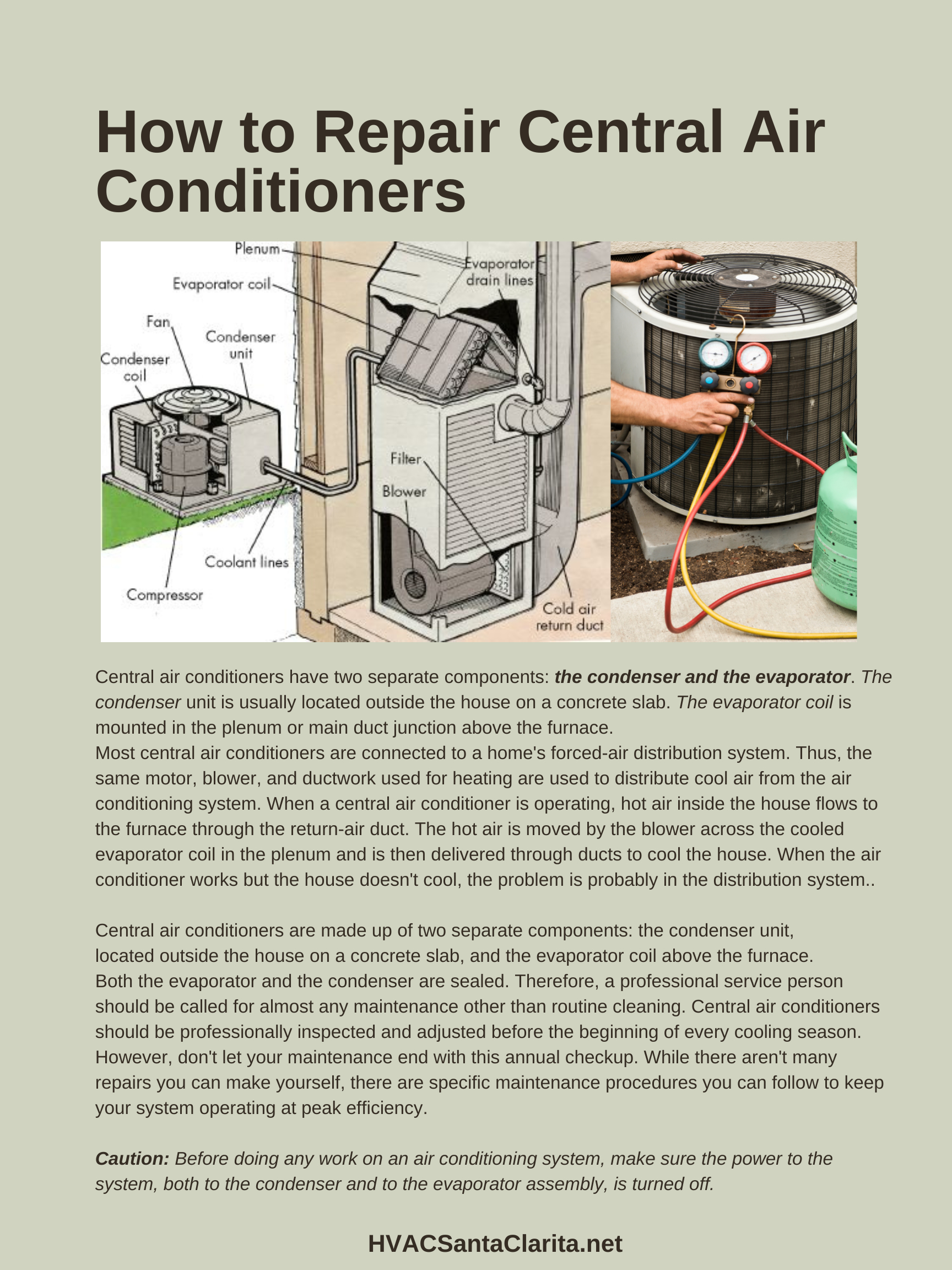
A professional has tools like refrigerant gauges and can check for internal compressor damage.
Credit: everestkitchennc.com
Cost Of Central Air Compressor Repairs
Here’s a comparison of typical repair costs:
| Repair Type | DIY Cost | Professional Cost |
|---|---|---|
| Capacitor Replacement | $10–$40 | $120–$250 |
| Contact Replacement | $15–$30 | $100–$225 |
| Refrigerant Recharge | Not DIY | $200–$800 |
| Compressor Replacement | Not DIY | $1,200–$2,500 |
DIY repairs can save money, but only attempt what you’re comfortable with. Always weigh the cost of repair versus replacement—older compressors may not be worth fixing.
Preventive Maintenance Tips
Preventing compressor failure is better than fixing it. Use these tips to keep your system running smoothly:
- Change air filters every 1–3 months.
- Clean outdoor units and coils at least twice a year.
- Schedule professional maintenance every spring.
- Keep plants, grass, and debris at least 2 feet from the unit.
- Check wiring and connections for corrosion.
- Don’t ignore unusual noises—fix small problems before they grow.
Many people overlook the importance of yearly maintenance. Dust and dirt buildup can reduce efficiency by up to 30%.
When Replacement Is Better Than Repair
Sometimes, replacing the compressor or the whole system is the best choice. Consider replacement if:
- The compressor is over 10–15 years old.
- Repairs cost more than half of a new system.
- The unit uses R-22 refrigerant, which is being phased out.
- You have frequent breakdowns or high energy bills.
A new, energy-efficient system can save you hundreds of dollars a year on electricity.
Central Air Compressor Types: Comparison
Here’s a quick comparison of major compressor types:
| Compressor Type | Efficiency | Common Use | Repair Difficulty |
|---|---|---|---|
| Reciprocating | Medium | Residential | Moderate |
| Scroll | High | Modern Homes | Hard |
| Rotary | High | Commercial | Hard |
Knowing your compressor type helps you find the right parts and guides your repair approach.
Common Mistakes To Avoid
Beginners often make these errors when fixing central air compressors:
- Skipping the power check: Always turn off and double-check power before starting.
- Forgetting to discharge the capacitor: This can cause a dangerous shock.
- Using the wrong replacement parts: Always match voltage and capacity.
- Not taking photos of wiring: This can make reassembly confusing.
- Neglecting regular maintenance: Small problems grow if left unchecked.
Helpful Resources
If you want to learn more about how air compressors work or need detailed specifications, the Wikipedia Air Compressor page is a reliable starting point.
Credit: www.wmhendersoninc.com
Frequently Asked Questions
What Causes A Central Air Compressor To Fail?
Common causes include electrical problems, refrigerant leaks, dirty coils, clogged filters, or age-related wear. Skipping regular maintenance increases the risk of failure.
Can I Fix A Central Air Compressor Myself?
You can fix some issues, like replacing capacitors, contactors, or cleaning the unit. But for refrigerant leaks or internal damage, hire a professional.
How Do I Know If My Compressor Is Bad Or Just The Capacitor?
If your compressor hums but does not start, it’s often the capacitor. If it makes loud noises or does not respond at all, the compressor itself may be faulty.
How Long Should A Central Air Compressor Last?
Most compressors last 10–15 years with proper care. Poor maintenance, frequent cycling, or power surges can shorten their lifespan.
Is It Better To Repair Or Replace An Old Compressor?
If the compressor is old, out of warranty, or uses outdated refrigerant, replacement may be smarter. Compare repair costs to the price of a new system.
Keeping your central air compressor in good shape requires a mix of regular maintenance, fast action when problems arise, and knowing when to call an expert. With this guide, you’re better prepared to handle most issues confidently and safely.