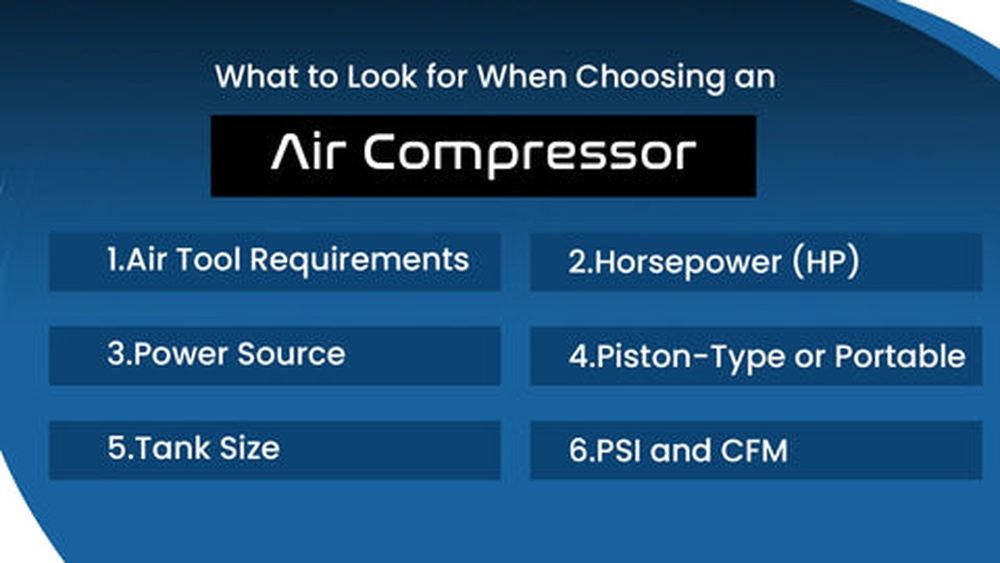
Are you thinking about buying an air compressor but don’t know where to start? Choosing the right one can be tricky.
Your perfect air compressor should fit your needs, save you time, and last for years. But how do you know what features really matter? You’ll discover the key things to look for that will help you make a smart, confident choice.
Keep reading to avoid costly mistakes and find the air compressor that works best for you.
Types Of Air Compressors
Air compressors come in many types, each designed for specific tasks. Choosing the right type helps you work efficiently and saves money. Understanding the main types is the first step to picking the best air compressor for your needs.
Portable Vs Stationary
Portable air compressors are small and easy to move. They suit light tasks and work in different places. Stationary compressors are large and fixed in one spot. They offer more power and run longer for heavy jobs.
Oil-lubricated Vs Oil-free
Oil-lubricated compressors use oil to reduce wear and noise. They last longer but need more maintenance. Oil-free compressors are cleaner and need less care. They work well for short or light use.
Single-stage Vs Two-stage
Single-stage compressors compress air once. They are good for simple jobs and small tools. Two-stage compressors compress air twice. They deliver higher pressure and suit industrial or heavy work.
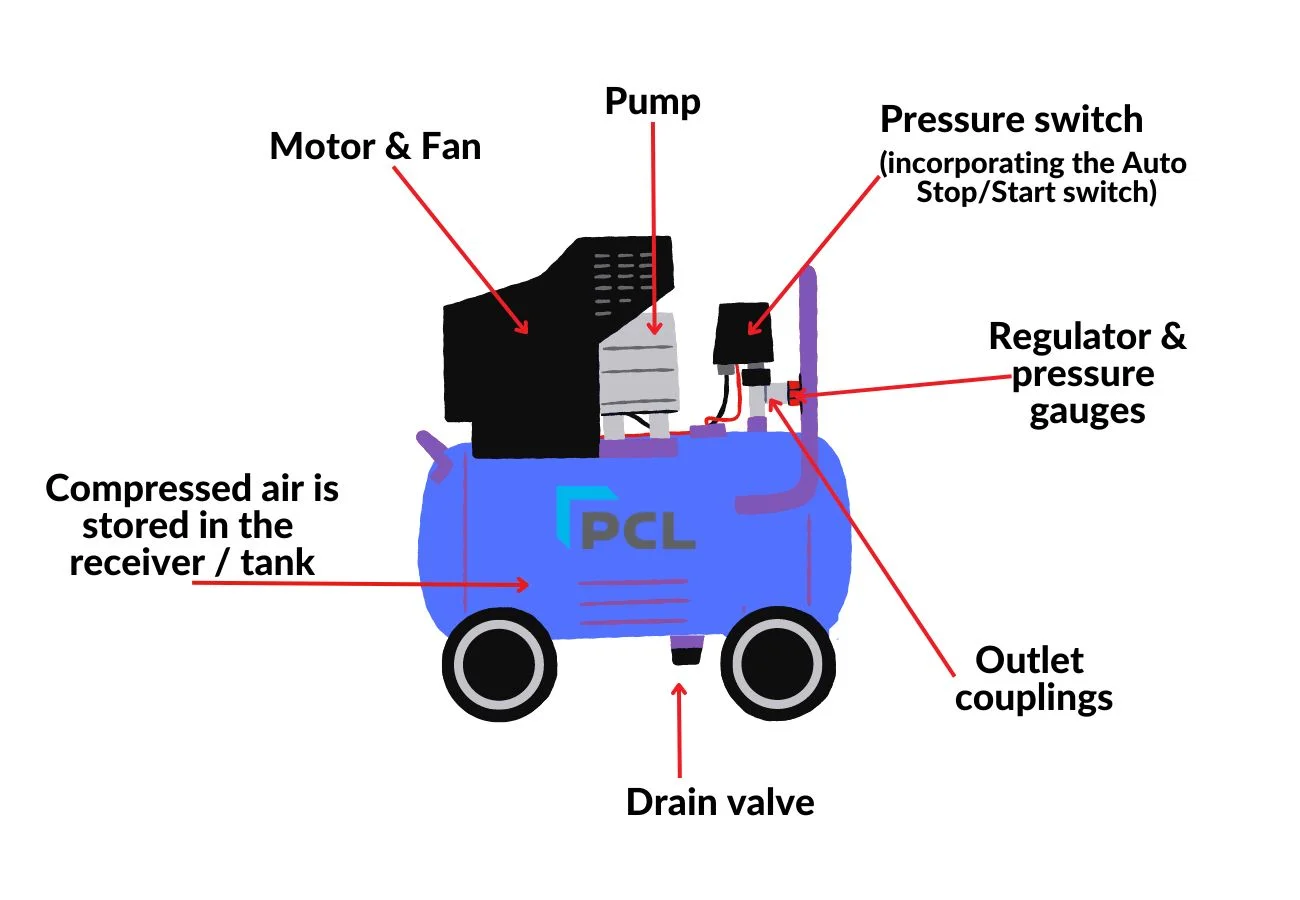
Credit: www.metrosales.co.uk
Key Performance Metrics
Choosing the right air compressor means understanding its key performance metrics. These numbers show how well the compressor works for your needs. Knowing them helps you pick the best tool for your tasks.
Cfm And Psi Ratings
CFM stands for Cubic Feet per Minute. It measures how much air the compressor delivers. PSI means Pounds per Square Inch. It shows the air pressure the compressor produces. Higher CFM and PSI mean more power for tools. Match these ratings to the tools you plan to use.
Tank Size
The tank size tells how much air the compressor can store. Bigger tanks hold more air and run longer without stopping. Smaller tanks are lighter and easier to move. Choose a tank size based on the job length and portability needs.
Duty Cycle
Duty cycle shows how long the compressor can run without resting. It is given as a percentage. A 50% duty cycle means the compressor runs half the time and rests half. Higher duty cycles are better for long jobs. Check this to avoid overheating and damage.
Power Source Options
Choosing the right power source is key when buying an air compressor. It affects how and where you use the tool. Different power sources offer unique benefits and limits. Understanding these helps pick the best model for your tasks.
Electric Air Compressors
Electric air compressors plug into a power outlet. They work well indoors and in places with electricity. These models are quiet and need less maintenance. They suit small to medium tasks like inflating tires or powering nail guns. Electric compressors usually weigh less and run smoothly.
Gas-powered Models
Gas-powered air compressors run on gasoline or diesel. These offer strong power and good mobility. They work well outdoors where no electricity exists. Gas models handle heavy-duty jobs like construction or large tools. They are louder and need regular engine care.
Battery-operated Units
Battery-operated compressors provide cordless convenience. They are easy to carry and use in tight spaces. These units suit small jobs and quick fixes. Battery life limits run time, but newer models last longer. They are quiet and need less upkeep than gas models.
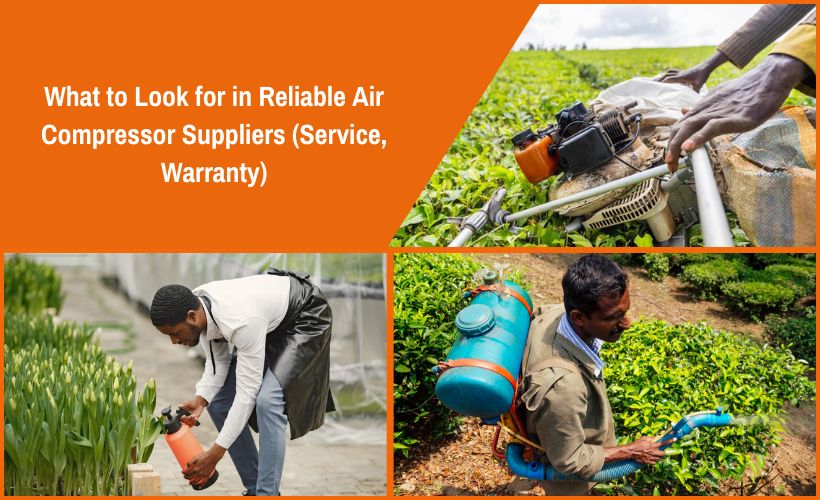
Credit: www.neptunefarming.com
Noise Levels And Operation
Noise levels play a big role in choosing the right air compressor. Loud machines can disturb your work and annoy people nearby. Quiet operation makes your workspace more comfortable. Understanding noise ratings helps you pick a suitable model.
Decibel Ratings
Decibel (dB) ratings measure sound levels. Lower dB numbers mean quieter compressors. Most air compressors range from 60 to 90 dB. A rating below 70 dB is good for home use. For workshops, higher dB might be okay but still check limits.
Noise Reduction Features
Many compressors include features to lower noise. Look for models with insulated cabinets or rubber mounts. These parts absorb vibrations and reduce sound. Some use special fans designed to run quietly. Choosing one with noise reduction makes long use easier.
Portability And Size
Portability and size play a big role when choosing an air compressor. The right size makes it easier to store and carry. Portability helps you move the compressor to different work spots. This section explains what to check about weight and design for easy transport.
Weight Considerations
The weight of an air compressor affects how easy it is to carry. Heavy compressors are hard to lift and move. A lighter model saves effort and time. Think about where you will use it. For jobs that need moving a lot, pick a lighter unit. Check the product details to see the exact weight before buying.
Handle And Wheels Design
Handles and wheels make a big difference in moving the compressor. Strong handles give a good grip for carrying. Wheels should roll smoothly on different surfaces. Larger wheels work better on rough ground. Some compressors have foldable handles for easy storage. Test the handle and wheel setup to ensure it fits your needs.
Maintenance And Durability
Maintenance and durability are key factors when choosing an air compressor. A durable machine saves money over time. Proper maintenance keeps it running smoothly. Neglecting these can lead to breakdowns and costly repairs. Understanding what to check helps you select a reliable unit.
Filter And Oil Changes
Filters keep dirt and dust out of the compressor. Dirty filters reduce performance and cause damage. Change filters regularly to protect the machine. Oil lubricates the moving parts inside. Without clean oil, parts wear out faster. Check oil levels and replace oil based on use. Simple upkeep extends the life of the compressor.
Build Quality
Strong materials mean the compressor lasts longer. Look for heavy-duty metal parts, not plastic. Solid build quality resists wear and tear. Tight seals prevent leaks and maintain pressure. Good design reduces noise and vibration. A well-built compressor handles tough jobs better.
Warranty And Support
A solid warranty shows the manufacturer’s confidence. It covers repairs or replacements if problems occur. Longer warranties provide peace of mind. Reliable customer support helps with questions and issues. Easy access to parts and service centers is a plus. Choose brands known for helpful service and strong warranties.
Safety Features
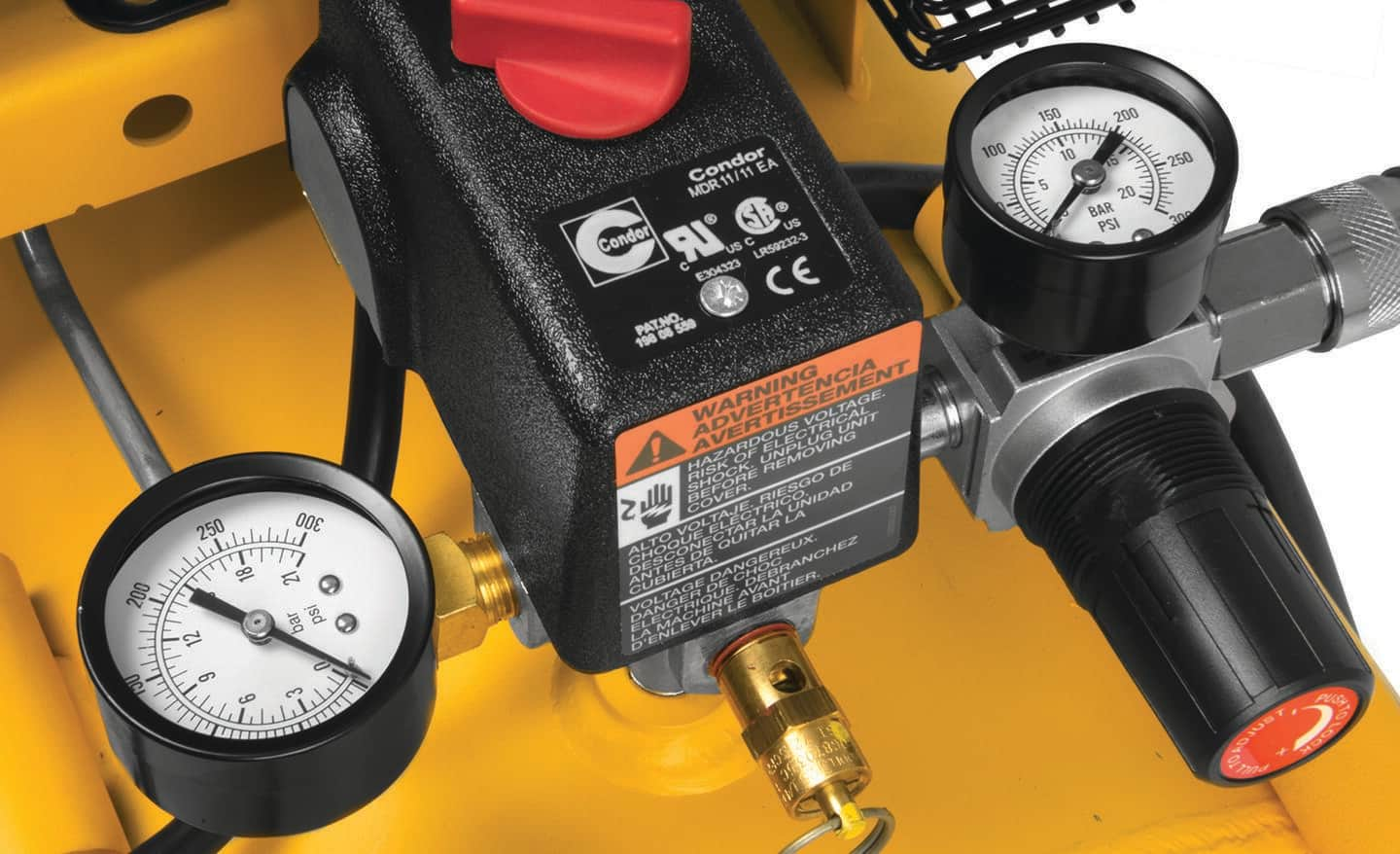
Safety features are very important in an air compressor. They protect users from accidents and damage. These features help the machine work properly without risks. Knowing these safety parts can help you choose the right air compressor for your needs.
Pressure Relief Valves
Pressure relief valves stop too much pressure from building inside the tank. If pressure gets too high, the valve opens to release air. This prevents the tank from bursting, which can be very dangerous. Always check that your air compressor has a reliable pressure relief valve.
Thermal Overload Protection
Thermal overload protection stops the motor from overheating. If the motor gets too hot, this feature turns it off automatically. This prevents damage to the motor and lowers fire risks. Look for compressors with thermal overload protection for safer use.
Credit: www.homedepot.com
Budget And Value
Choosing an air compressor means balancing budget and value. You want a product that fits your financial plan but also meets your needs. Spending a little more upfront can save money later. Understanding the cost and benefits helps make a smart choice.
Cost Vs Features
Price is important but not the only factor. Cheaper models may lack key features. Features like tank size, power, and noise level matter. Decide which features you need most. Avoid paying extra for things you won’t use. Compare models to find the best fit for your tasks.
Long-term Savings
Energy efficiency saves money over time. Look for compressors with low power use. Durable machines need fewer repairs and last longer. Maintenance costs add up, so choose models with easy upkeep. Investing in quality can reduce future expenses. Think beyond the initial price to total cost of ownership.
Frequently Asked Questions
What Size Air Compressor Do I Need For Home Use?
For home use, a small to medium-sized air compressor with 2 to 6 gallons tank is ideal. It handles most DIY tasks efficiently without being bulky or noisy.
How Important Is The Psi Rating In Air Compressors?
PSI indicates the pressure an air compressor can deliver. Higher PSI means more power for heavy-duty tools. Choose based on your tool’s PSI requirements.
Should I Choose A Portable Or Stationary Air Compressor?
Portable compressors offer mobility for outdoor tasks. Stationary models provide higher power and capacity for workshops. Select based on your workspace and usage.
What Maintenance Is Required For Air Compressors?
Regularly check and change oil, drain moisture from the tank, and clean air filters. Proper maintenance ensures longer compressor life and efficient performance.
Conclusion
Choosing the right air compressor takes thought and care. Focus on power, size, and noise level. Think about how often you will use it. Consider the types of tasks you want to do. A good compressor saves time and energy.
It works well and lasts longer. Take your time to compare features and prices. This helps you find the best fit for your needs. A smart choice brings satisfaction and fewer problems. Keep these points in mind for a great purchase.