
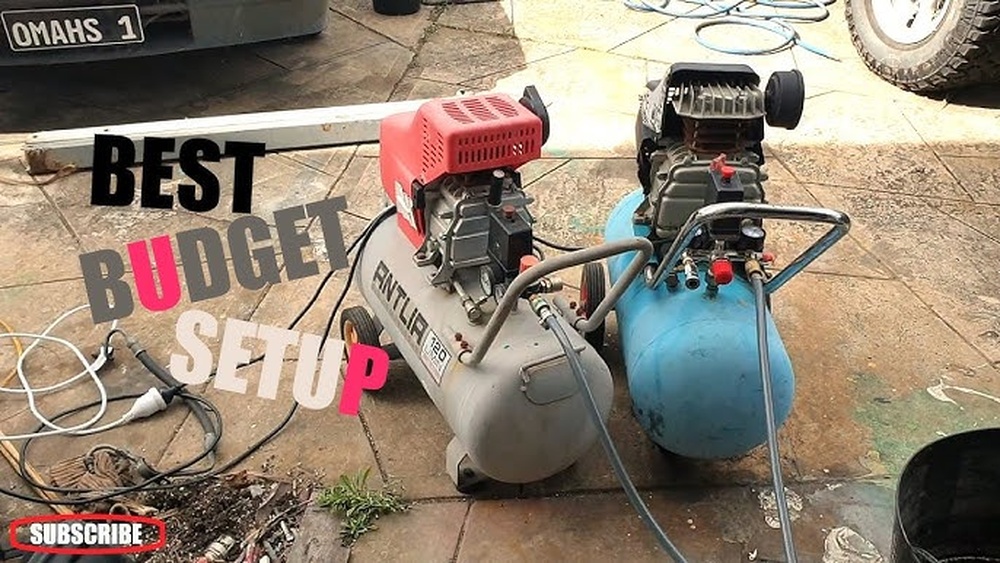
Have you ever needed more power from your air compressor but weren’t sure how to get it? Connecting two air compressors together can boost your air supply and help you finish your tasks faster.
But if you try it the wrong way, you might damage your equipment or waste time. You’ll discover simple, step-by-step instructions to safely and effectively link two air compressors. By the end, you’ll have the confidence to double your air output and tackle bigger projects with ease.
Keep reading to unlock the secret to stronger, more reliable air power!
Credit: hornblasters.com
Choosing Compatible Compressors
Choosing the right compressors is key to connecting two air compressors. Both machines must work well together. This avoids damage and ensures good performance.
Check each compressor’s specs carefully. Look for parts that match or complement each other. This makes the connection smooth and safe.
Matching Pressure Ratings
Pressure rating shows how much air the compressor can handle. Both compressors should have similar pressure ratings. This prevents one from working too hard.
If one compressor has a higher pressure, it may overload the other. Keep pressure limits close to each other. This keeps air flow steady and balanced.
Checking Power Requirements
Each compressor uses power differently. Check the voltage and current needs for both machines. They should be close to avoid electrical issues.
Using compressors with different power needs can cause trips or damage. Match power ratings to keep the setup safe and reliable.
Considering Tank Sizes
Tank size affects how much air the compressor stores. Two tanks with similar sizes work better together. This helps balance air supply during use.
Different tank sizes can cause uneven air flow. Choose compressors with tanks that match or are close in size. This keeps pressure steady and tools running well.
Gathering Necessary Tools And Materials
Gathering the right tools and materials is the first step to connect two air compressors. Having everything ready makes the process smooth and safe. This part covers what you need for a successful setup.
Essential Connectors And Hoses
Start with quality connectors made for air compressors. Use quick-connect couplers for easy linking. Select hoses that match the compressors’ pressure ratings. Ensure the hoses are long enough to reach both compressors comfortably. Tight fittings prevent air leaks and keep pressure steady.
Required Safety Gear
Wear safety glasses to protect your eyes from debris. Use gloves to guard your hands from sharp edges. Hearing protection helps if compressors run loud. Safety gear reduces risk and keeps you focused on the task.
Additional Accessories
Include pressure regulators to control airflow between compressors. Use check valves to stop air from flowing backward. A T-connector can split the air supply evenly. These extras improve performance and protect your equipment.
Preparing Compressors For Connection
Preparing your air compressors before connecting them is key. Proper preparation ensures safety and smooth operation. It also helps avoid damage and leaks. Take time to prepare each compressor carefully. Follow these steps to get started.
Draining Air Tanks
Start by draining the air tanks completely. Moisture collects inside tanks during use. This water can cause rust and damage over time. Open the drain valve at the bottom of each tank. Let all the air and water out. Keep the valve open until no more water flows.
Turning Off Power
Always turn off the power before working on compressors. Unplug the machines from the outlet. This prevents accidental starts and electrical shocks. Confirm the power is off by trying to start the compressor briefly. It should not run. Safety first.
Inspecting Components
Check all parts for wear or damage before connecting. Look at hoses, fittings, and valves closely. Replace any cracked or worn pieces. Clean dirt and debris from connectors. Tighten loose bolts and screws. A thorough inspection helps prevent leaks and failures later.

Credit: www.youtube.com
Connecting The Compressors
Connecting two air compressors can increase air power and efficiency. The process needs careful steps for safety and performance. Focus on choosing the right spots to connect, attaching hoses, and making sure all joins are tight.
Selecting Connection Points
Choose the air outlet or tank port on both compressors. These points must match in size and type. Check the manual to find the best ports. Avoid using weak or damaged spots. Proper points ensure smooth air flow and reduce leaks.
Attaching Hoses And Fittings
Use strong, flexible hoses made for air compressors. Attach fittings that fit both compressors securely. Tighten fittings by hand first, then with a wrench. Avoid over-tightening to prevent damage. Keep hoses short to reduce pressure loss.
Securing Connections
Check every connection for tightness. Use thread seal tape on threaded joints. This prevents air leaks at the joints. Test the system by running compressors at low pressure. Re-tighten any loose fittings. Secure hoses with clamps to avoid movement.
Testing The Setup
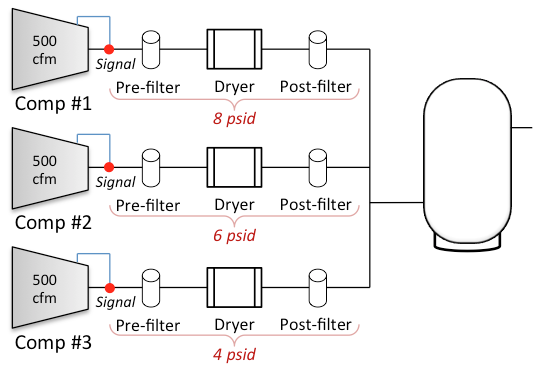
After connecting two air compressors, testing the setup is essential. This step ensures safety and efficiency. You must check for leaks, confirm pressure levels, and monitor performance. Proper testing helps avoid damage and improves compressor life.
Checking For Leaks
Start by inspecting all connection points. Use soapy water on joints and hoses. Look for bubbles that indicate air leaks. Tighten any loose fittings immediately. Leaks waste energy and reduce compressor power.
Verifying Pressure Levels
Turn on both compressors and watch the pressure gauges. Ensure the pressure matches the recommended levels for your tools. Uneven or low pressure signals a problem. Adjust settings or check connections if pressure is off.
Monitoring Performance
Listen for unusual sounds like hissing or rattling. Observe the compressors running for several minutes. Check if both units work smoothly together. Stop the setup if you notice overheating or erratic behavior.
Credit: kotechgroup.net
Safety Tips And Best Practices
Connecting two air compressors together can boost power and efficiency. Safety is very important during this process. Following safety tips and best practices helps avoid accidents and damage. Always focus on careful handling and proper setup.
Avoiding Overloading
Do not push the compressors beyond their limits. Overloading causes overheating and damage. Check each compressor’s capacity before connecting. Use pressure gauges to monitor air pressure. Stop work if pressure gets too high. Keep the load balanced between the two compressors.
Regular Maintenance
Inspect compressors often for wear and tear. Clean air filters to ensure smooth airflow. Check hoses and connections for leaks. Replace damaged parts immediately. Lubricate moving parts regularly to reduce friction. Proper maintenance extends the life of compressors and keeps them safe.
Emergency Procedures
Have a plan for sudden problems. Know how to quickly shut off compressors in an emergency. Keep fire extinguishers nearby. Train all users on emergency steps. Clear the area if you hear strange noises or smell burning. Acting fast can prevent serious injuries and damage.
Frequently Asked Questions
How Do I Connect Two Air Compressors Safely?
Use a suitable T-fitting and proper hoses to connect compressors. Ensure both compressors have the same pressure rating. Check for leaks and secure connections. Always turn off compressors before connecting or disconnecting.
Can I Connect Two Different Capacity Air Compressors?
Yes, but ensure the compressors’ pressure ratings match. The system should handle the combined airflow properly. Using mismatched compressors may reduce efficiency or cause damage. Consult manufacturer guidelines for compatibility.
What Are The Benefits Of Connecting Two Air Compressors?
Connecting two compressors increases total airflow and pressure capacity. It allows simultaneous use of multiple air tools. This setup enhances efficiency in large projects. It also provides backup if one compressor fails.
Do I Need A Special Valve To Connect Compressors?
Yes, a check valve prevents backflow between compressors. It protects each unit from damage caused by reverse air pressure. Installing check valves ensures safe and efficient operation when compressors run simultaneously.
Conclusion
Connecting two air compressors can boost your work efficiency. Always check the pressure ratings before linking them. Use proper hoses and fittings to avoid leaks. Keep both compressors clean and well-maintained for best results. Monitor the system while running to ensure safety.
This simple setup helps share the workload easily. Take time to follow each step carefully. Now, you can handle bigger tasks with two compressors working together.