Choosing the right air compressor can be confusing, especially when deciding between a 20 gallon and a 30 gallon air compressor. This decision affects not only the types of tools you can use but also your workflow and even your budget. Many buyers rush this choice and end up with a compressor that’s too small or bigger than they really need. Understanding the differences, strengths, and weaknesses of each size helps you make a confident, informed decision. Let’s explore all the key points so you can pick the right air compressor for your needs.
What Are Air Compressors Used For?
Air compressors power a wide range of tools. Common uses include:
- Inflating tires
- Spraying paint
- Running nail guns, staplers, or impact wrenches
- Sandblasting
- Cleaning machinery
The gallon size is a key feature. It refers to the tank’s air storage capacity. A bigger tank can run tools longer before the motor needs to refill it. But bigger isn’t always better if you don’t need the extra power or portability.
Key Differences Between 20 And 30 Gallon Air Compressors
Before diving into specific items, it helps to see the broad differences. Here’s a quick side-by-side:
| Feature | 20 Gallon | 30 Gallon |
|---|---|---|
| Tank Size | 20 gallons | 30 gallons |
| Weight | 80–150 lbs | 130–200+ lbs |
| CFM Range (at 90 PSI) | 3–5 CFM | 4–7 CFM |
| Best For | Home/DIY, light shop work | Light commercial, frequent use |
1. Portability
A 20 gallon compressor is much easier to move around, especially if you have a small workspace. Most 20 gallon units have wheels and a manageable weight. By contrast, a 30 gallon compressor can be quite heavy and bulky. If you often need to move your compressor to different locations, the 20 gallon option is much more convenient. For fixed workshop use, however, the 30 gallon’s extra size is less of an issue.
2. Power And Cfm Output
CFM means “cubic feet per minute,” and it shows how much air the compressor can deliver. 30 gallon compressors almost always provide higher CFM than 20 gallon models. This extra power means you can run bigger tools or several tools at once. For tasks like sandblasting or using air hammers, the extra CFM is important. However, many home users never need this much power.
3. Duty Cycle
The duty cycle is how long a compressor can run before it needs a rest. 30 gallon compressors typically have a higher duty cycle. This means they can run longer without overheating. If you have long projects or plan to use air tools for hours, a 30 gallon compressor will perform better and last longer.
4. Price
A 20 gallon air compressor is usually cheaper, making it a good choice for budget buyers. On average, 20 gallon models cost $250–$500. 30 gallon compressors start at $350 and can go over $700, depending on features and brand. Remember, the lowest price is not always the best deal if the compressor can’t handle your tasks.
5. Noise Level
Smaller compressors are often less powerful, but they can also be quieter because they use smaller motors. However, noise also depends on the design and whether the compressor is oil-lubricated. Some 30 gallon compressors are quieter because they run at lower RPMs. Always check the decibel rating if noise is important in your workspace.
6. Space Requirements
A 20 gallon compressor fits easily in most garages, closets, or corners. Many users find that a 20 gallon model doesn’t get in the way. A 30 gallon unit needs more floor space and sometimes requires a permanent spot. If your work area is small or crowded, space becomes a real concern.
7. Tool Compatibility
Most DIY air tools (like nail guns, paint sprayers, inflators) work perfectly with a 20 gallon compressor. But tools that need lots of air—like grinders, sanders, or impact wrenches—will run better and longer with a 30 gallon model. If you plan to expand your tool collection, the bigger tank gives you more flexibility.
8. Refill Time
A larger tank stores more air, so it takes longer to fill. 30 gallon compressors need more time to reach full pressure. If you only need short bursts of air, a 20 gallon model refills faster and can be more efficient. For steady, long jobs, the refill time is less of an issue.
9. Electric Vs. Gas Options
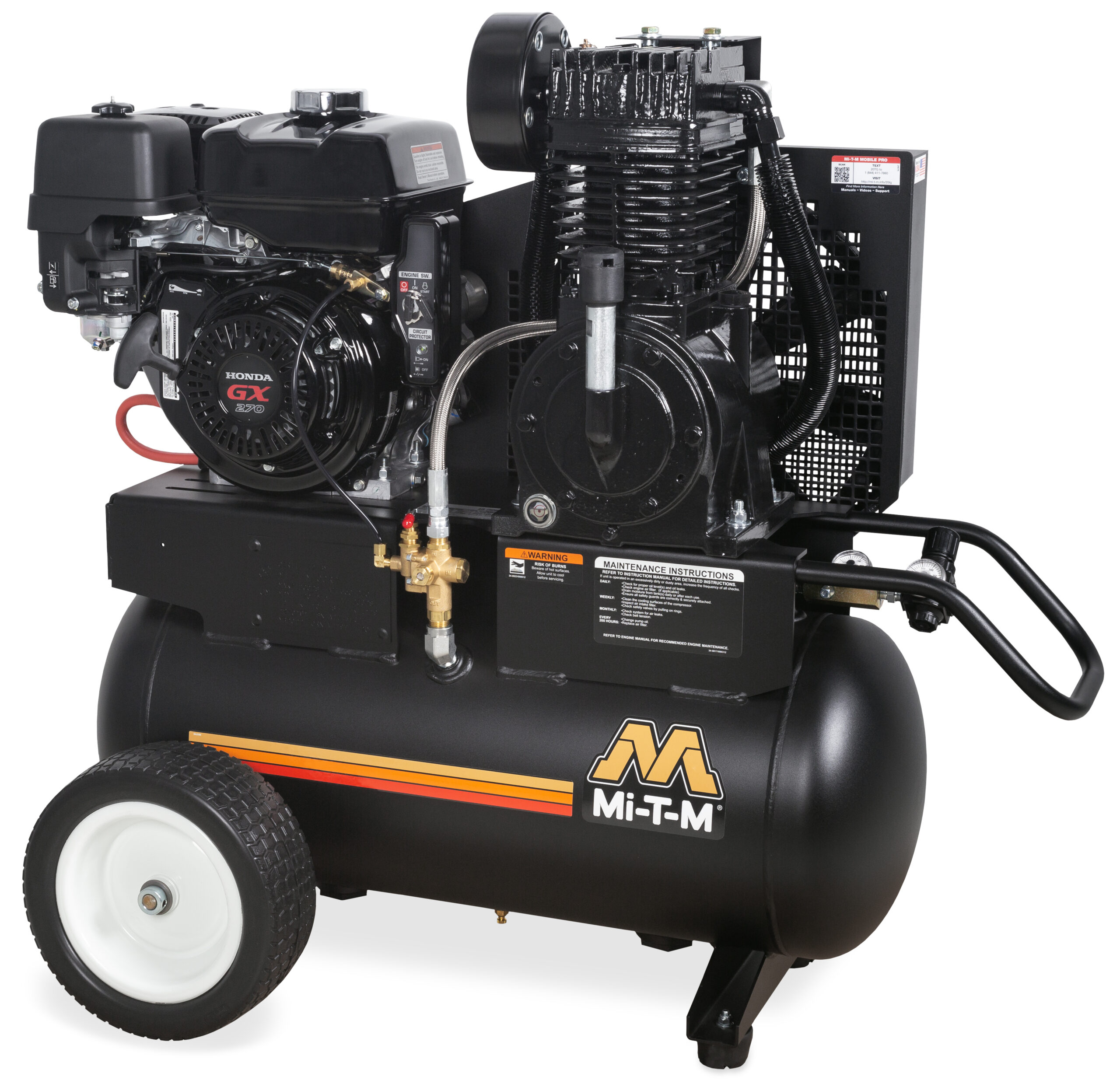
Both 20 and 30 gallon compressors come in electric and sometimes gas-powered versions. Gas models are rare in this size but offer portability without cords. Electric models are quieter and require less maintenance. For indoor or garage use, electric is usually better.
10. Maintenance Needs
Larger compressors often have more robust components, but that can mean more maintenance. 30 gallon models might need regular oil checks and filter changes. Some 20 gallon compressors are oil-free, which saves time and effort. However, oil-lubricated models last longer if maintained properly.
11. Mobility Features
Look at the handle design, wheel type, and overall shape. Most 20 gallon compressors are designed for one-person transport, with large wheels and a comfortable handle. Some 30 gallon units have small wheels and require two people to move, especially on uneven surfaces.
12. Voltage And Power Supply
20 gallon compressors often run on standard 120V household outlets. Many 30 gallon compressors need 240V outlets, especially the high-CFM models. This can be a surprise for some buyers, as a special outlet installation adds cost and complexity.
13. Tank Material
Most tanks are steel, but some high-end models use aluminum to reduce weight. In both 20 and 30 gallon sizes, steel is the norm because it’s durable and cost-effective. Aluminum tanks, while lighter, may cost more and are less common in these sizes.
14. Lifespan And Durability
A bigger, heavier compressor usually means heavier-duty parts. 30 gallon compressors often outlast smaller models if maintained well. However, a high-quality 20 gallon model can last many years for home use. It’s critical to check the warranty and user reviews for real-world reliability.
Credit: www.reddit.com
15. Resale Value
If you plan to upgrade later, a 30 gallon compressor generally holds its value better, especially among hobbyists and small shop owners. The 20 gallon market is crowded, and resale prices are often lower. Still, brands and condition matter most when selling used equipment.
16. Energy Consumption
A larger compressor uses more power, especially during tank refills. If you’re concerned about your electric bill, a 20 gallon compressor is more efficient for short, light jobs. Heavy, all-day use makes the energy difference less noticeable.
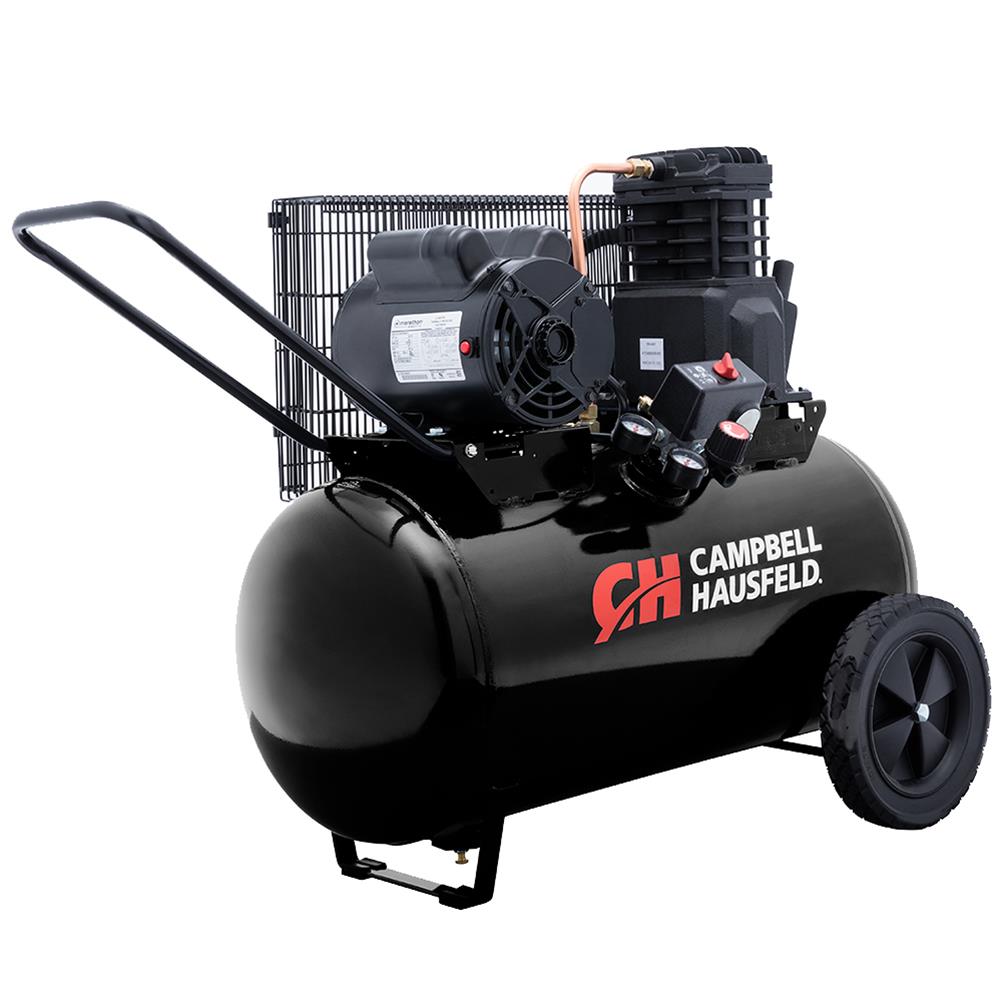
Credit: pittsburghsprayequip.com
17. Availability Of Parts And Accessories
20 gallon compressors are very popular, so parts and accessories are widely available. 30 gallon compressors are also common, but replacement parts may take longer to find for certain brands. Always check the brand’s support and parts availability before buying.
18. Safety Features
Both sizes offer safety features like automatic shut-off, pressure relief valves, and thermal overload protection. However, some high-end 30 gallon models include extra safety options, such as advanced cooling or multiple relief valves, which help in demanding work environments.
19. Best Uses For Each Size
- 20 Gallon: Home garages, hobby shops, inflating tires, running nail guns, small painting jobs, and light repairs.
- 30 Gallon: Small auto shops, frequent tool use, medium-sized painting jobs, sandblasting, and multi-tool setups.
Choosing based on your actual work makes a huge difference. Many beginners overestimate their needs and buy a larger compressor than necessary.
20. Popular Brands And Models
Here are some well-known options:
- 20 Gallon: DEWALT DXCMPA1982054, Porter-Cable PXCMS202, California Air Tools 20020
- 30 Gallon: Ingersoll Rand SS3F2-GM, Campbell Hausfeld VT6271, Husky C303H
Always check reviews and compare specifications, not just the brand name.
Real-world Example: Choosing For A Home Garage
Suppose you own a home garage and plan to use a nail gun, impact wrench, and occasionally spray paint furniture. A 20 gallon compressor will handle all these tasks without a problem. The lighter weight and lower price make it a practical choice.
But if you want to run an air sander for hours or help a friend with auto repairs, a 30 gallon compressor gives you the power and air supply needed for these bigger jobs. The extra cost pays off in performance and durability.
Practical Tips For Buyers
- Check your tool’s CFM requirements. Always buy a compressor that delivers at least 20% more CFM than your most demanding tool.
- Consider your space. Measure before you buy; a big tank won’t help if you can’t fit it in your garage.
- Think about future needs. Will you add more air tools later? If yes, a 30 gallon may save you a second purchase.
- Look for user reviews. Real-world feedback often reveals issues not shown in specs.
- Don’t ignore warranty. A longer warranty usually means better quality.
Quick Comparison: 20 Gallon Vs 30 Gallon Features
Here’s a simple feature comparison for quick reference:
| Feature | 20 Gallon | 30 Gallon |
|---|---|---|
| Best for | Home, light shop | Small shop, pro use |
| Portability | High | Medium-Low |
| CFM Range | 3–5 | 4–7 |
| Typical Price | $250–$500 | $350–$700+ |
| Standard Power | 120V | 120V/240V |
Non-obvious Insights
Many beginners do not realize that tool use patterns affect compressor choice more than tank size alone. If you use air tools in short bursts, a 20 gallon compressor works well, even for heavier tools, because the tank refills during pauses. Also, compressor motor horsepower is less important than CFM output—don’t get distracted by big HP numbers if the CFM is low.
Where To Learn More
For a deeper technical dive into air compressors and their uses, you can read more at the Wikipedia Air Compressor Article.
Frequently Asked Questions
What Size Air Compressor Do I Need For Home Use?
A 20 gallon compressor is enough for most home and garage tasks, like inflating tires, running nail guns, and small painting jobs. If you plan to use tools that need a lot of air or use them for long periods, a 30 gallon model might be a better fit.
Can I Run Multiple Tools At Once With A 20 Gallon Compressor?
You can run small tools together if their combined CFM needs are under your compressor’s CFM rating. For most users, a 20 gallon tank is best for one tool at a time. A 30 gallon compressor handles more tools running together.
How Often Does A 30 Gallon Compressor Need Maintenance?
Maintenance depends on the model and how you use it. Oil-lubricated compressors need regular oil checks and changes. Filters and safety valves should be checked every few months. Always follow the manufacturer’s manual for your specific compressor.
Is A Bigger Air Compressor Always Better?
No. Bigger compressors cost more, take up more space, and use more power. You should match the compressor size to your actual needs. Buying too large can be a waste of money and space.
Are 20 Or 30 Gallon Compressors Good For Painting Cars?
A 30 gallon compressor is usually better for painting cars because it can supply steady air for longer periods. Some high-output 20 gallon models may work for small paint jobs, but you risk running out of air with larger projects.
Choosing between a 20 gallon and 30 gallon air compressor depends on your space, budget, and how you plan to use it. Take your time to compare models, check your actual needs, and you’ll find the right fit for years of reliable service.
Credit: www.mitmequipmentsales.com