
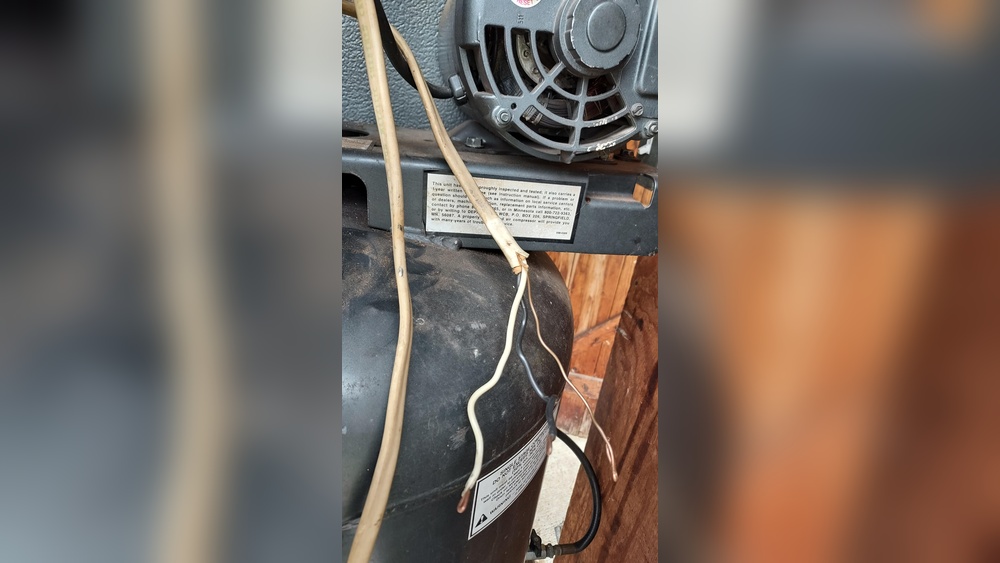
Choosing the right air compressor voltage can be confusing, especially for beginners. Many people wonder whether a 110-volt or 220-volt air compressor is better for their needs. Voltage affects not only how your compressor runs, but also where you can use it, what tools you can power, and even your electricity bill. If you pick the wrong voltage, you could face problems like tripped breakers, slow tool performance, or even safety risks. This guide will walk you through the key differences between 110V and 220V air compressors, help you understand their real-world uses, and show you how to make the best choice for your home, shop, or business.
Key Differences Between 110v And 220v Air Compressors
Air compressors come in two main voltage options: 110 volts and 220 volts. The voltage affects the compressor’s size, performance, and where it can be used. Here are the most important differences:
- Power output: 220V compressors can power bigger motors and run more demanding tools.
- Electrical requirements: 110V units plug into standard home outlets. 220V units need a special outlet and wiring.
- Portability: 110V compressors are usually more portable and smaller.
- Efficiency: 220V compressors are often more energy efficient for heavy-duty work.
- Tool compatibility: Some air tools need the power of a 220V compressor for full performance.
110 Unique Features And Points Of Comparison
To help you make the right decision, here are 110 specific features, facts, and differences between 110V and 220V air compressors. Each point is explained in simple terms, so even beginners can understand.
1. Voltage Difference
The most basic difference is the voltage. 110V compressors run on standard home electricity, while 220V compressors require higher-voltage circuits.
2. Plug Type
110V compressors use the same plug as most home appliances. 220V compressors often need a special plug, similar to those for electric dryers or ovens.
3. Circuit Breaker Size
110V compressors usually use a 15-20 amp breaker. 220V compressors need a 20-30 amp breaker.
4. Motor Size
220V compressors can power larger motors, often up to 5 horsepower (HP) or more. 110V compressors are usually limited to 2 HP or less.
5. Maximum Psi
The maximum pressure (measured in PSI) can be higher on 220V models, supporting heavy-duty air tools.
6. Air Delivery (cfm)
220V compressors can deliver more cubic feet per minute (CFM), which means more air for your tools.
7. Compressor Size
110V compressors are generally smaller and easier to carry.
8. Portability
If you need to move your compressor often, a 110V model is usually lighter and more portable.
9. Weight
220V compressors are heavier due to larger motors and tanks.
10. Tank Capacity
220V compressors often have bigger tanks (up to 80 gallons), while 110V models may be limited to 6-30 gallons.
11. Initial Cost
110V compressors are usually cheaper up front.
12. Installation
You can set up a 110V compressor yourself. 220V models may require professional installation.
13. Maintenance
Both types need regular maintenance, but 220V compressors may have more complex parts.
14. Noise Level
220V compressors can be quieter at the same power level, as larger motors don’t have to work as hard.
15. Duty Cycle
220V models often have a higher duty cycle, meaning they can run longer without overheating.
16. Voltage Drops
Long extension cords can cause voltage drops for 110V compressors, reducing performance.
17. Outlet Availability
There are more 110V outlets in homes, so you can use these compressors almost anywhere.
18. Safety
220V compressors need careful handling, as high voltage can be more dangerous if misused.
19. Energy Efficiency
At high power levels, 220V compressors can be more efficient, wasting less energy as heat.
20. Wiring Upgrades
Using a 220V compressor may require upgrading your wiring or adding new circuits.
21. Air Tool Compatibility
Heavy-duty air tools like sanders or grinders may require the higher output of a 220V compressor.
22. Diy Use
For most DIY projects, a 110V compressor is enough.
23. Professional Use
Many professionals prefer 220V compressors for their greater reliability and power.
24. Garage Use
If your garage has only standard outlets, a 110V compressor is easier to set up.
25. Workshop Use
Workshops often have the wiring for 220V compressors, which can handle bigger jobs.
26. Air Hose Length
Long air hoses can cause pressure loss. With a powerful 220V compressor, this is less of a problem.
27. Recovery Time
220V models can refill their tanks faster.
28. Startup Surge
220V compressors have lower startup surge per amp, causing less strain on your electrical system.
29. Overload Protection
Both types usually have overload protection, but 220V models may include more advanced safety features.
30. Voltage Fluctuations
110V units are more sensitive to voltage drops from long cords or weak circuits.
31. Air Cooling
Larger 220V compressors may have better cooling systems.
32. Multiple Tools
Running several air tools at once is easier with a 220V compressor.
33. Continuous Use
220V compressors can handle continuous use better, with less risk of overheating.
34. Space Requirements
220V compressors take up more space due to larger tanks and motors.
35. Compressor Type
110V models are often portable “pancake” or “hot dog” styles. 220V units are usually stationary.
36. Oil-free Vs. Oil-lubricated
Both types are available, but high-power 220V models are more likely to be oil-lubricated for durability.
37. Power Consumption
A 2 HP 110V compressor uses about 15 amps; a 5 HP 220V compressor uses about 23 amps.
38. Amp Draw
220V units draw fewer amps for the same power, reducing wire heating.
39. Outdoor Use
110V compressors are easier to use outdoors where only basic outlets are available.
40. Industrial Use
Factories almost always use 220V or higher compressors for heavy tools.
41. Home Renovation
A 110V compressor is usually enough for nailers and staplers in renovation work.
42. Spray Painting
Spray guns need steady airflow; 220V compressors are better for large painting jobs.
43. Tire Inflation
For inflating car tires, a 110V compressor is more than enough.
44. Sandblasting
Sandblasting needs high CFM, which 220V compressors deliver best.
45. Airbrush Use
Small 110V compressors work well for airbrushing.
46. Welding Shops
Welders often use 220V compressors for plasma cutters and air tools.
47. Shop Air Systems
220V units are preferred for permanent air line setups.
48. Running Costs
220V compressors may use less energy for big jobs, saving on electricity bills.
49. Extension Cords
Long extension cords are bad for 110V compressors but less risky for 220V ones.
50. Overheating Risk
110V compressors overheat faster under heavy loads.
51. Compressor Speed
220V units can operate at lower speeds for the same output, reducing wear.
52. Starting Torque
220V compressors have more starting torque, useful for cold weather.
53. Motor Longevity
Motors in 220V compressors often last longer due to less strain.
54. Tank Drain Valves
Both types have drain valves; larger tanks on 220V units may need more frequent draining.
55. Pressure Switches
More advanced on 220V compressors for precise control.
56. Automatic Shutoff
Both types can have auto shutoff when the tank is full.
57. Air Dryer Compatibility
220V compressors are better suited for add-ons like air dryers.
58. Water Traps
Both support water traps, but high-power units benefit more.
59. Dual Voltage
Some compressors can switch between 110V and 220V, offering flexibility.
60. Plug Adapters
Adapters can let you use 110V compressors almost anywhere, but not for 220V.
61. Resale Value
220V compressors hold value better for industrial buyers.
62. Warranty
Warranties are often longer on 220V “professional” models.
63. Brand Choices
There are more 110V models available from budget brands.
64. Repair Costs
Repairs on 220V compressors may cost more due to larger parts.
65. Parts Availability
110V compressor parts are easier to find in hardware stores.
66. Longevity
220V compressors last longer with heavy use.
67. Upgrades
You can upgrade a 110V compressor’s tank or hose, but not its voltage.
68. Tool Rental
Most rental compressors are 110V for easy use.
69. International Use
110V compressors are standard in North America; 220V is common in Europe and Asia.
70. Shipping Weight
Shipping a 220V compressor costs more due to its weight.
71. Power Surge Protection
220V compressors benefit more from surge protectors.
72. Compressor Accessories
Both support accessories, but 220V models can run larger accessories.
73. Compressor Belts
Large 220V models may use belts, while 110V are often direct-drive.
74. Oil Changes
Oil-lubricated 220V models require regular oil changes.
75. Digital Controls
220V compressors are more likely to have digital or smart controls.
76. Remote Start
Some 220V compressors allow remote start options.
77. Smart Monitoring
High-end 220V models may have built-in diagnostics.
78. Pressure Regulation
220V compressors offer more accurate pressure control.
79. Auto Drain
Some 220V models have automatic tank drains for convenience.
80. Noise Shielding
Bigger 220V units can use better sound insulation.
81. Painting Booths
220V compressors are standard in spray booths for cars.
82. Temperature Range
220V compressors perform better in extreme temperatures.
83. Duty Cycle Percentage
A typical 220V compressor has a 60-100% duty cycle; 110V is often limited to 50%.
84. Oil Sight Glass
More common in 220V oil-lubricated models.
85. Tank Orientation
Vertical tanks are more common on large 220V units; horizontal on 110V.
86. Filter Options
220V compressors can support larger, more advanced filters.
87. Output Ports
More output ports are available on big 220V compressors.
88. Compressor Wheels
Wheels are common on 110V portable compressors.
89. Stationary Design
Most 220V compressors are stationary due to size.
90. Overload Reset
Manual reset switches are more common on big 220V models.
91. Air Intake Size
Larger air intakes on 220V compressors support higher airflow.
92. Vibration Dampening
220V units use better dampening to control vibration.
93. Thermal Protection
Both have thermal protection, but 220V units are more robust.
94. Service Life
With regular maintenance, 220V compressors can last decades.
95. Cfm Ratings
Typical 110V: 2-5 CFM; 220V: 10-20+ CFM.
96. Voltage Conversion
It’s not practical to convert a 110V compressor to 220V.
97. Surge Current
Starting a 220V compressor produces less surge on the circuit.
98. Heavy Equipment
220V compressors can power lifts and other heavy gear.
99. Panel Upgrades
220V compressors may need an upgrade to your electrical panel.
100. Energy Star Ratings
Some 220V compressors qualify for Energy Star efficiency ratings.
101. Heat Output
110V compressors may get hotter during long use.
102. Seasonal Storage
Smaller 110V units are easier to store in winter.
103. Drain Plug Material
220V models may have tougher metal drain plugs.
104. Pressure Gauges
Larger, more accurate gauges are found on 220V models.
105. Service Intervals
220V compressors may have longer service intervals.
106. Tool Adapter Kits
110V compressors often come with adapters for home tools.
107. Industrial Grade
220V compressors are considered industrial grade.
108. Panel Compatibility
220V compressors require a compatible power panel.
109. User Skill Level
110V compressors are better for beginners.
110. Overall Value
For light work, 110V is best. For heavy, daily use, 220V offers more value over time.

Credit: www.reddit.com
Practical Scenarios: When To Choose 110v Or 220v
It helps to see real-life examples of each compressor in action. Here are two quick scenarios:
- Home DIYer: Sarah wants to inflate tires, run a brad nailer, and do occasional painting. Her garage has only standard outlets. A 110V compressor is perfect—portable, easy to use, and affordable.
- Small Auto Shop: Mike runs a repair shop with multiple mechanics. They use impact wrenches, sanders, and paint sprayers all day. He installs a 220V compressor with a large tank, so his team never runs out of air.
Comparison Tables
Here are some tables to help you compare the two options directly.
| Feature | 110V Compressor | 220V Compressor |
|---|---|---|
| Motor Power | Up to 2 HP | Up to 5+ HP |
| Tank Size | 6-30 gallons | 30-80+ gallons |
| CFM Output | 2-5 CFM | 10-20+ CFM |
| Portability | High | Low |
| Installation | Plug and play | May require electrician |
| Best Use | DIY/Home | Workshop/Industrial |
Another key comparison is running cost and efficiency:
| Compressor | Energy Use (per hour) | Average Noise (dB) |
|---|---|---|
| 110V, 2 HP | ~1.5 kWh | 80 |
| 220V, 5 HP | ~3.7 kWh | 76 |
And for tool compatibility:
| Tool Type | Works with 110V? | Works with 220V? |
|---|---|---|
| Brad Nailer | Yes | Yes |
| Impact Wrench | Sometimes | Yes |
| HVLP Spray Gun | No | Yes |
| Sandblaster | No | Yes |

Credit: www.reddit.com
2 Non-obvious Insights Beginners Miss
- Voltage is not about tool power alone: Many beginners think voltage only affects the power of the compressor, but it also changes how efficiently the compressor runs, how long it lasts, and how safe it is for the wiring in your home or shop.
- Upgrading to 220V can be cheaper in the long run: While the upfront cost and wiring may be higher for a 220V compressor, the improved efficiency and longer life can make it cheaper overall if you use air tools often.
Common Mistakes To Avoid
- Plugging a 220V compressor into a 110V outlet: This can break the motor and is a fire hazard.
- Using long extension cords with 110V compressors: This reduces power and can damage the compressor.
- Ignoring duty cycle: Running a 110V compressor too long can overheat it.
- Not checking your shop’s wiring: Don’t buy a 220V compressor if you don’t have the right outlet.
Credit: www.walmart.com
Frequently Asked Questions
What Happens If I Use A 220v Compressor On A 110v Outlet?
A 220V compressor will not work on a 110V outlet. It may not start, or the motor can burn out. This can also trip your circuit breaker and is a safety hazard.
Can I Convert My 110v Air Compressor To 220v?
No, you cannot safely convert a 110V compressor to 220V without changing the motor and wiring. This is not recommended.
Which Compressor Is Better For Painting Cars?
A 220V compressor is better for painting cars, as it provides a steady high airflow needed for smooth paint jobs.
Is There A Big Difference In Electricity Cost Between 110v And 220v Compressors?
For small jobs, the difference is small. But for big, daily tasks, a 220V compressor is more efficient and can save money over time.
Where Can I Learn More About Air Compressor Safety?
You can find detailed safety guides at the OSHA compressed air safety resource.
Choosing between a 110V and 220V air compressor depends on your needs, your workspace, and the tools you use. For most home users, a 110V unit is simple and effective. For shops and serious work, 220V is worth the investment.
Always match your compressor to your needs—and never ignore electrical safety!