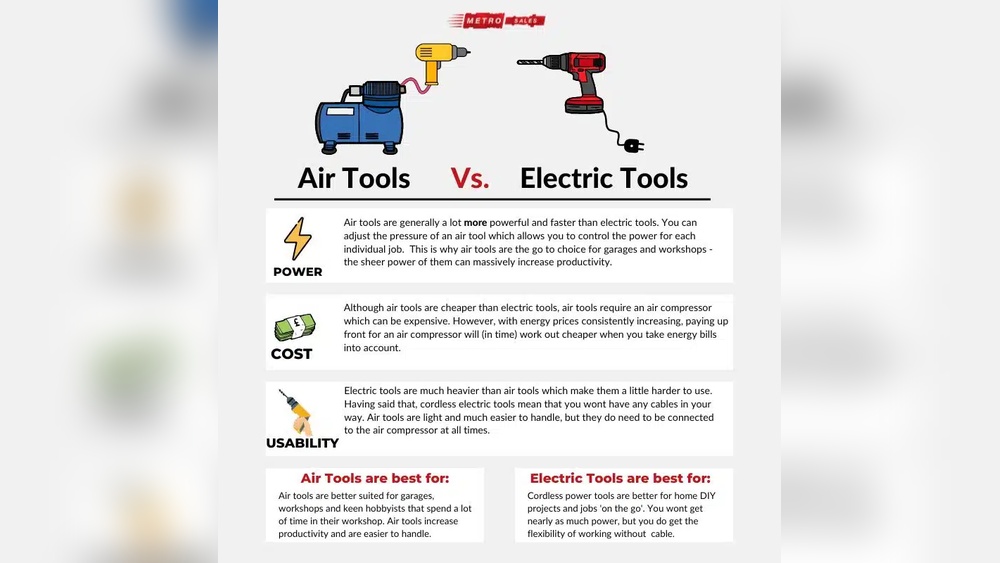
Many people working with tools—whether in home garages, auto shops, woodworking, or construction—often wonder which is better: air compressor tools or electric tools. Each system has strong fans and unique benefits. But the right choice depends on your needs, budget, work style, and even the environment where you work.
Today, both air compressor and electric tools have evolved. You’ll find advanced cordless drills, powerful air impact wrenches, and even hybrid options. Still, the question remains: which one should you choose? Let’s break down their differences, strengths, and weak points so you can make the best decision for your work.
What Are Air Compressor Tools?
Air compressor tools—also called pneumatic tools—run on compressed air. Common examples include air wrenches, nail guns, paint sprayers, and sanders. To use them, you need an air compressor, hoses, and sometimes oil for maintenance.
How do they work? The compressor pushes air into a tank, building up pressure. When you use a tool, the air flows through the hose and powers the tool’s moving parts. Because the force comes from air, these tools can deliver a lot of power in a small, light package.
What Are Electric Tools?
Electric tools are powered by electricity from a wall outlet (corded) or batteries (cordless). Drills, saws, grinders, and screwdrivers are popular types. Cordless electric tools have become much better over the last decade, thanks to advances in battery tech.
These tools are usually plug-and-play. You just charge the battery or plug them in, and you’re ready to go—no need for hoses, tanks, or air pressure checks.
Key Differences Explained
To help you quickly compare, here’s a side-by-side look at the most important differences:
| Feature | Air Compressor Tools | Electric Tools |
|---|---|---|
| Power Source | Compressed Air | Electricity (Corded/Battery) |
| Weight | Usually lighter (tool only) | Often heavier (motor/battery inside) |
| Maintenance | Needs oil, hose checks, water drain | Minimal (battery care, motor check) |
| Portability | Limited by hoses, compressor size | High, especially cordless models |
| Noise | Loud compressor, quieter tools | Tool noise only, usually less loud overall |
| Initial Cost | High (compressor + tools) | Lower (single tool purchase) |
| Long-Term Cost | Lower per tool after compressor buy | Can be higher for frequent battery/tool replacement |
Advantages Of Air Compressor Tools
Many professionals still trust air tools for heavy-duty jobs. Here’s why:
1. High Power-to-weight Ratio
Air tools don’t need a built-in motor. This makes them lighter and easier to handle for long periods. For example, an air impact wrench weighs less and delivers more torque than many electric models.
2. Durability And Reliability
With fewer moving parts inside, air tools often last longer and resist damage from drops or rough use. Mechanics favor them because they keep going, even in dirty shop conditions.
3. Continuous Use
As long as the compressor runs, air tools can work non-stop. There’s no battery to recharge. This is ideal for assembly lines or workshops where tools are used all day.
4. Lower Tool Cost After Initial Setup
Once you own a compressor, adding new air tools is usually cheaper than buying electric tools with their own motors or batteries.
5. Consistent Power
Unlike batteries that lose strength as they drain, air tools deliver stable power—important for tasks like painting or sanding.
Non-obvious insight: Many beginners do not realize that air tools can be “feathered”—you can control speed and power just by adjusting the air pressure or trigger, which gives finer control for tasks like painting.
Disadvantages Of Air Compressor Tools
Air tools are not perfect. Consider these drawbacks:
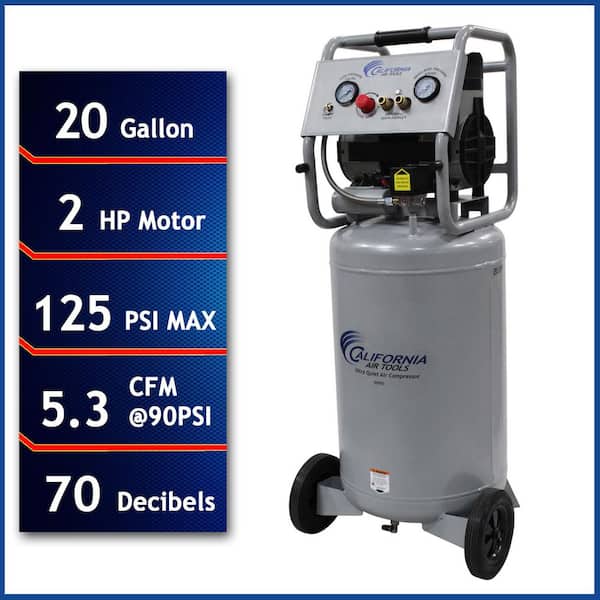
1. Compressor Size And Portability
The biggest downside is the air compressor itself. Large compressors are heavy and not easy to move. Even small ones need time to build up pressure.
2. Noise Level
Compressors are loud. If you work in a quiet area or at home, this can be a problem.
3. Maintenance
You must drain water from the tank, check hoses for leaks, and oil the tools. Skipping these steps can shorten tool life.
4. Setup Time
Connecting hoses, waiting for pressure, and checking fittings takes time. Electric tools are usually faster to start.
Non-obvious insight: Air tools are sensitive to moisture and dirty air. If you don’t use a filter or drain your tank, you can damage the tool or ruin a paint job.
Advantages Of Electric Tools
Electric tools have changed a lot, especially with new battery technology. Here’s what makes them attractive:
1. Ease Of Use
Plug them in or snap in a battery, and you’re ready. No hoses, tanks, or pressure gauges.
2. Portability
Cordless models can go anywhere. Great for outdoor work, home repairs, or places without power outlets.
3. Lower Initial Cost
You can buy a single tool without the big investment in an air system.
4. Less Noise
Most electric tools are quieter than air compressors, making them better for home or indoor jobs.
5. Wide Range Of Options
Some tools only come in electric models—like oscillating multi-tools, laser levels, or certain saws.
6. Less Maintenance
Just keep batteries charged and check for motor brush wear. Much simpler than maintaining an air system.
Non-obvious insight: Modern electric tools often include safety features (like auto-stop or overload protection) that are rare in air tools.
Disadvantages Of Electric Tools
Electric tools have their weak points:
1. Weight And Size
Motors and batteries add weight. This can cause fatigue during long jobs, especially overhead.
2. Limited Continuous Use
Batteries run out, sometimes at the worst moment. Even corded tools can overheat with nonstop use.
3. Higher Replacement Cost
Batteries wear out in a few years and are expensive to replace. Some brands change battery types, making older tools less useful.
4. Less Power For Some Jobs
While electric tools are powerful, some heavy tasks (like loosening rusted bolts) are still easier with air tools.
Non-obvious insight: Battery performance drops in cold weather. If you work outside in winter, you may notice weaker performance.
Where Air Compressor Tools Win
Some jobs are just better with air tools. Here are examples:
- Auto repair: Mechanics love air impact wrenches for removing lug nuts and bolts quickly.
- Painting: Air sprayers give smooth, even coverage and can run for hours.
- Tire shops: Fast, repeated air use is easy with a central compressor.
If you already own a compressor, adding new tools is cheap and simple.
Where Electric Tools Are Better
For many people, electric tools are the best choice:
- DIY home repairs: Cordless drills, saws, and sanders are easy for anyone to use.
- Construction sites: No need to drag a compressor around.
- Quick jobs: No setup or hose hassle—just grab and go.
Battery tech keeps improving, with some tools lasting all day on one charge.
Cost Comparison
To see how costs compare, let’s look at a realistic setup for both systems:
| Item | Air Compressor System | Electric System |
|---|---|---|
| Main Tool (Drill/Impact) | $80 | $120 |
| Starter Kit (Compressor/Battery+Charger) | $300 | $100 |
| Extra Tool (Sander) | $70 | $110 |
| Hoses/Accessories | $60 | $20 |
| Total Startup Cost | $510 | $350 |
The air compressor system costs more at first, but adding more air tools gets cheaper. The electric system is cheaper for a few tools, but batteries and chargers add up as you expand.

Credit: axatool.com
Practical Factors To Consider
Before you decide, think about these questions:
- How many tools do you need?
If you plan to buy many different tools, an air system saves money in the long run.
- Where will you work?
For fixed shops, air tools shine. For mobile jobs, electric tools are better.
- How often will you use them?
Heavy daily use favors air tools. Occasional home use is easier with electric.
- Do you need specialty tools?
Some jobs (like auto body painting) require air. But many newer electric tools can now do heavy jobs that once needed air.
- Noise and space:
Compressors are noisy and take up space. Electric tools are quieter and store easily.
Safety And Environmental Factors
Air tools are generally safe, but leaking hoses or tanks can be dangerous. Always check for damage before use. Electric tools can shock you if cords or batteries are damaged, so inspect them too.
From an environmental view, air compressors use a lot of electricity when running. Cordless electric tools use less power overall, but batteries are hard to recycle. Always dispose of old batteries at a recycling center.
Real-world Examples
1. Auto Mechanic Shop:
Uses a large central compressor. Each worker has a set of air tools. They can work all day without stopping to charge batteries.
2. Home Diyer:
Buys a cordless drill and circular saw. No compressor means less noise and easy storage. Tools go anywhere, even outside.
3. Construction Crew:
Uses both systems. Air tools for roofing nailers (more power, lighter weight), cordless electric tools for cutting and drilling (portability).
Common Mistakes When Choosing
- Ignoring total cost: Some people buy a cheap compressor, but then realize they need expensive hoses, oil, and fittings.
- Not planning for the future: If you plan to grow your tool collection, think long-term. Air systems scale well; electric systems can get expensive.
- Overestimating battery life: Tool makers often list “ideal” battery times. In real work, batteries drain much faster—especially with tough jobs.
- Forgetting about maintenance: Air tools need regular care, or they fail early. Electric tools need less, but batteries must be stored and charged correctly.
Credit: www.homedepot.com
Which Should You Choose?
There’s no single answer. For home users or small businesses, electric tools are usually best. They’re portable, easy, and less noisy. For professionals with heavy daily needs, air compressor tools still win in power, durability, and cost for a large set.
Still unsure? Try borrowing or renting both kinds before you buy. Nothing beats real hands-on experience.
To learn more about how tool technology is changing, visit this Wikipedia page on power tools.
Frequently Asked Questions
What Is The Main Difference Between Air Compressor Tools And Electric Tools?
The main difference is their power source. Air compressor tools use compressed air, while electric tools use electricity (from a cord or battery). This affects their weight, cost, and where you can use them.
Are Air Compressor Tools Stronger Than Electric Tools?
For some jobs, yes. Air tools can deliver high power and torque for their size, especially for tasks like impact wrenching or painting. However, modern electric tools are closing the gap, and some are just as strong.
Which Is Better For Beginners: Air Or Electric Tools?
Electric tools are usually easier for beginners. They need less setup, are more portable, and require less maintenance. Air tools are better for specific, heavy-duty jobs or if you already own a compressor.
Do Air Tools Last Longer Than Electric Tools?
Often, yes. Air tools have fewer moving parts and less electronics, so they resist wear and tear better. But proper maintenance is key—neglecting oiling or draining the compressor will reduce their lifespan.
Can I Use Air Tools Without A Big Compressor?
You can use small air tools with a portable compressor, but heavy tools (like impact wrenches) need a larger tank and more airflow. Always check the tool’s air requirements before buying a compressor.
Both air compressor and electric tools have unique strengths. By understanding your needs, you can choose the tools that will help you work smarter, safer, and more efficiently.

Credit: www.sunrise-metal.com