Choosing the right air compressor can be the difference between smooth, efficient work and constant frustration in your garage or shop. If you’re deciding between a 60-gallon and an 80-gallon air compressor, you’re not alone. Many people wonder: what exactly changes when you step up in tank size? Is bigger always better, or does it depend on your needs? Understanding the details helps you avoid overspending or getting stuck with a compressor that can’t keep up.
Below, you’ll find an in-depth comparison of 60 vs 80 gallon air compressors. We’ll break down 60 key factors, one by one, so you can confidently choose the right fit for your tools and workflow.
1. Tank Size And Storage
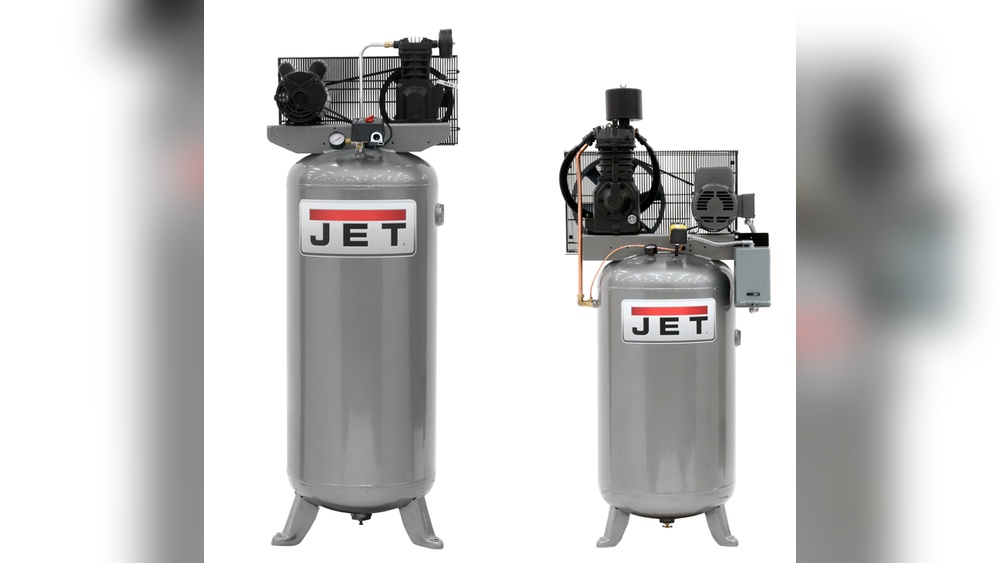
A 60-gallon compressor is already large, but an 80-gallon tank gives you even more air reserve. This means longer run times for tools before the compressor kicks on again. For most home workshops, 60 gallons is usually enough, but if you have heavy-duty tasks, the extra 20 gallons can make a big difference.
2. Footprint And Space
80-gallon compressors are taller and require more space. They might not fit under standard shelves or in tight corners. Before buying, measure your space carefully, especially if your shop is small.
3. Air Delivery (cfm)
CFM, or cubic feet per minute, measures how much air the compressor delivers. Generally, 80-gallon models have higher CFM ratings, supporting more demanding tools like sanders and grinders.
4. Maximum Pressure (psi)
Both types often offer similar maximum PSI (usually 150-175 PSI). However, larger tanks maintain pressure longer, which is useful for continuous jobs.
5. Motor Horsepower
80-gallon compressors frequently have more powerful motors (5-7.5 HP) compared to many 60-gallon models (3-5 HP). Stronger motors mean faster recovery and more reliable performance for big jobs.
6. Power Requirements
Some 80-gallon compressors need a 240V supply and may draw more amps. Ensure your garage wiring can handle the load before purchasing.
7. Recovery Time
A larger tank combined with a stronger motor means faster recovery times for 80-gallon units. This is crucial if you use tools that need steady airflow.
8. Noise Level
Most large compressors are loud. However, bigger motors in 80-gallon units may run less often (because of the larger tank), which can lower overall noise during long projects.
9. Weight
80-gallon compressors can weigh over 500 pounds, while 60-gallon models are usually lighter (350-450 pounds). Consider if your floor can support the extra weight.
10. Portability
Neither size is truly portable, but moving an 80-gallon compressor is much harder. If you plan to rearrange your shop, a 60-gallon model is easier to handle.
11. Installation Difficulty
80-gallon models usually need more planning, including strong flooring, professional wiring, and sometimes even anchoring to the ground.
12. Initial Cost
Expect to pay more for an 80-gallon air compressor. The price difference can be several hundred dollars or more, depending on brand and features.
13. Operating Cost
Larger compressors may use more electricity. Over time, the operating cost of an 80-gallon model can be higher, especially if you run it often.
14. Maintenance Needs
Both sizes need regular oil changes and filter checks. However, bigger units may have more complex parts, slightly increasing maintenance time.
Credit: www.youtube.com
15. Tool Compatibility
If you use high-demand tools like plasma cutters or large sandblasters, an 80-gallon tank is more suitable. For basic air tools, a 60-gallon model usually suffices.
16. Duty Cycle
80-gallon compressors often have a higher duty cycle (the percentage of time they can run without rest). This matters for continuous-use tools.
17. Air Drying And Filtration
Larger compressors usually include or support better air drying systems, which help prevent water and oil in your air lines.
18. Oil Vs Oil-free
Most 60 and 80-gallon models are oil-lubricated, which means quieter operation and longer life. However, oil-free options exist and are easier to maintain.
19. Brand Selection
Top brands like Ingersoll Rand, Quincy, and Campbell Hausfeld offer both sizes. More heavy-duty brands tend to focus on 80-gallon models.
20. Warranty
80-gallon compressors often come with longer or more comprehensive warranties because they’re marketed for industrial use.

Credit: www.youtube.com
21. Cycle Frequency
With a bigger tank, the compressor cycles on and off less frequently, reducing wear on the motor and valves.
22. Voltage Options
60-gallon models are sometimes available in 120V, but 80-gallon compressors almost always require 240V.
23. Build Quality
80-gallon units are often built for industrial use, with thicker steel and better components.
24. Moisture Management
Larger tanks mean more chance for water condensation. Some 80-gallon compressors include better drain valves or automatic drains.
25. Accessory Support
An 80-gallon system may better support multiple air lines and advanced filtration accessories.
26. Air Line Sizing
You may need larger-diameter air lines to handle the higher CFM output of an 80-gallon compressor.
Credit: emaxcompressor.com
27. Multiple User Support
If you want to run several tools at once, an 80-gallon tank is much better for multi-user setups.
28. Compressor Pump Type
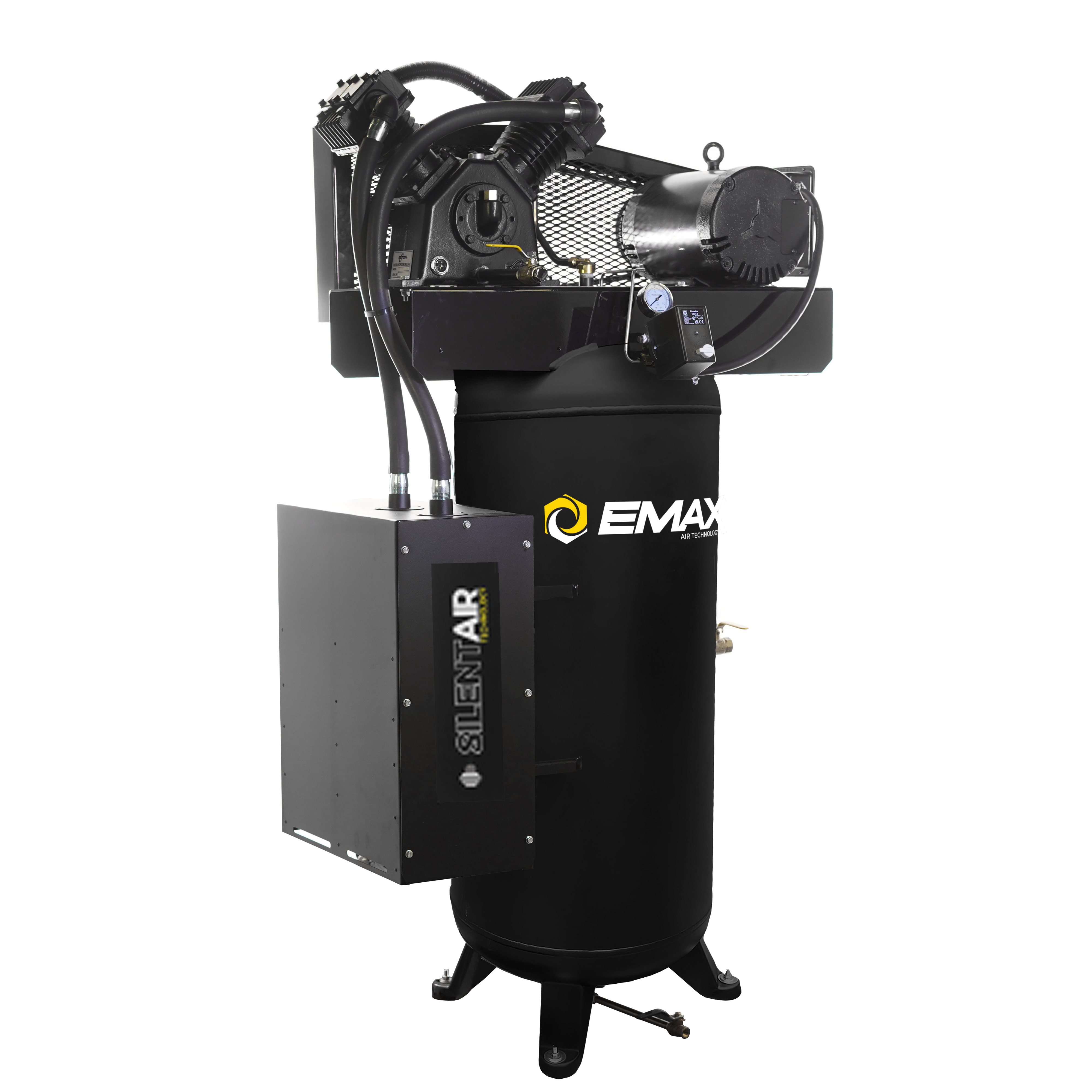
Many 80-gallon compressors use a two-stage pump for better efficiency and higher PSI, while 60-gallon models may be single-stage.
29. Startup Power Surge
Larger compressors create a bigger power surge when starting. This can trip breakers if your wiring isn’t up to code.
30. Placement Flexibility
A 60-gallon compressor fits in more locations, making it easier to integrate into small workshops.
31. Shipping And Delivery
80-gallon models usually require special shipping methods due to their size and weight. Be ready for possible extra delivery fees.
32. Resale Value
Bigger compressors may keep value better, especially if you plan to upgrade or sell later.
33. Cycle Longevity
Because 80-gallon models cycle less often, their pumps and motors may last longer.
34. Upgradability
With a larger tank, it’s easier to add more accessories or split air lines for more complex setups.
35. Oil Capacity
80-gallon compressors hold more oil, which can mean longer intervals between changes.
36. Breaker Size Needed
Larger compressors may require a 30-amp breaker or higher, while 60-gallon models can often run on a 20-amp circuit.
37. Airflow Consistency
A bigger tank keeps pressure more consistent, resulting in steadier tool performance.
38. Air Leak Impact
If you have small leaks, an 80-gallon tank will compensate for longer, giving you time to fix problems without losing pressure quickly.
39. Safety Features
Industrial 80-gallon models often include advanced features like automatic shutoff and better pressure relief valves.
40. Paint Spraying
For automotive or large paint jobs, the larger air supply of an 80-gallon compressor reduces waiting time and improves finish quality.
41. Cycle Noise
Less frequent cycling in 80-gallon models means less start-stop noise, making your workspace more pleasant.
42. Voltage Drop Risk
Longer wire runs can cause voltage drop, especially with bigger compressors. Keep your unit close to the breaker panel.
43. Cold Start Performance
Larger compressors can be harder to start in cold weather. Look for units with low-amp start features if you’re in a cold climate.
44. Fuel Type (for Gas Models)
While most are electric, large compressors also come in gas-powered versions for job sites without electricity.
45. Control Panel Complexity
80-gallon compressors may have more advanced control panels, including pressure gauges, hour meters, and alarms.
46. Customization Options
Many 80-gallon models allow for custom builds, such as extra ports, special drains, or aftercoolers.
47. Compressor Oil Type
Both types usually need synthetic compressor oil. Check your manual, as using the wrong oil can void your warranty.
48. Thermal Overload Protection
Most 80-gallon compressors include thermal protection to prevent overheating.
49. Belt Vs Direct Drive
Larger models are more likely to use belt drive systems, which run quieter and last longer.
50. Mobile Vs Stationary
Both sizes are considered stationary, but 60-gallon models are a bit easier to move if needed.
51. Shop Air Needs
If you ever plan to add sandblasting cabinets, plasma cutters, or large impact wrenches, the 80-gallon compressor gives you more headroom for expansion.
52. Diy Vs Professional Use
For most home users, a 60-gallon compressor is enough. 80-gallon units are more suited for professional shops or those with many high-demand tools.
53. Ambient Temperature Tolerance
Industrial models handle extreme temperatures better, with features like aftercoolers or advanced ventilation.
54. Oil-drain Access
Larger tanks often have easier-to-access oil drains, making routine maintenance less messy.
55. Air Quality
Bigger compressors support more advanced air filtration setups, important for painting and sensitive tools.
56. Safety Code Compliance
80-gallon compressors may be required in commercial shops to meet local safety codes.
57. Break-in Procedure
Both sizes require a break-in period for the pump. Skipping this can shorten compressor life.
58. Documentation And Support
Bigger brands offer more detailed manuals and support options for 80-gallon units.
59. Parts Availability
60-gallon compressors often use more universal parts, which can be easier to find and cheaper to replace.
60. Long-term Reliability
With less frequent cycling and heavier components, 80-gallon compressors often last longer with proper care.
Here’s a quick visual comparison to help you see the key differences:
| Feature | 60 Gallon Compressor | 80 Gallon Compressor |
|---|---|---|
| CFM (avg.) | 11-13 CFM | 16-22 CFM |
| Weight | 350-450 lbs | 500-600 lbs |
| Motor Power | 3-5 HP | 5-7.5 HP |
| Voltage | 120/240V | 240V only |
| Typical Price | $900-$1,600 | $1,400-$2,500 |
Let’s look at another example comparing tool compatibility:
| Tool Type | 60 Gallon Suitability | 80 Gallon Suitability |
|---|---|---|
| Impact Wrench | Good | Excellent |
| Paint Sprayer | Good | Excellent |
| Large Grinder | Fair | Excellent |
| Sandblaster | Poor | Good |
And, if you’re wondering about space, here’s a quick look:
| Compressor Size | Height | Diameter | Recommended Floor Space |
|---|---|---|---|
| 60 Gallon | 65-70 inches | 24-27 inches | 3×3 feet |
| 80 Gallon | 75-80 inches | 28-32 inches | 4×4 feet |
Frequently Asked Questions
What Size Air Compressor Do I Need For Automotive Work?
Most automotive air tools work well with a 60-gallon compressor. However, for heavy-duty tools, bodywork, or paint booths, an 80-gallon unit provides extra air and less downtime.
Is An 80-gallon Compressor Overkill For Home Use?
If you only use air tools occasionally, a 60-gallon compressor is usually enough. Choose an 80-gallon model if you run multiple tools at once or need long, uninterrupted operation.
How Do I Know If My Garage Wiring Can Handle An 80-gallon Compressor?
Check your compressor’s amperage and voltage requirements. Most 80-gallon compressors need a dedicated 240V, 30-amp circuit. Have a licensed electrician inspect your wiring before installing.
How Often Should I Drain The Tank?
Drain your compressor tank after every use to avoid rust and moisture buildup. Larger tanks collect more water, so regular draining is very important.
Where Can I Learn More About Air Compressor Safety And Maintenance?
You can find detailed guides and safety information at the Wikipedia Air Compressor page.
Finding the right air compressor means balancing size, cost, and your real needs. Both 60-gallon and 80-gallon air compressors have their place. With the 60 factors above, you now have the details to make a smart decision. Choose wisely, and your tools—and your workflow—will thank you for years to come.