Most people see an air compressor as a simple machine: plug it in, let it fill up, and use the air. But if you own, use, or are considering buying an air compressor, you might wonder, “Do air compressors need to be refilled?” This question sounds straightforward, but the answer depends on how air compressors work, the type you have, and how you use it. Let’s explore the full picture in clear, simple language—whether you’re a new user or want to understand your equipment better.
How Air Compressors Work
To answer if air compressors need to be refilled, it helps to know what they actually do. An air compressor is a machine that takes in air from the environment, squeezes it to make it high-pressure, and stores it in a tank. You can use this pressurized air for tools, inflating tires, painting, and many other jobs.
Most air compressors have these basic parts:
- Electric motor or gasoline engine
- Pump
- Storage tank
- Pressure switch
- Regulator and gauges
When you switch it on, the compressor’s pump pulls in air, compresses it, and pushes it into the tank. The pressure builds until it reaches a set level. When you use the air (for example, with a nail gun), the tank’s pressure drops.
The compressor senses this and adds more air to maintain the pressure.
Does An Air Compressor Need To Be Refilled?
The simple answer: You do not refill an air compressor with compressed air. The machine creates compressed air by itself, as long as it is working and has power. However, you do need to refill or replenish other things related to its operation. Let’s break down what you actually need to refill or check:
1. Compressed Air
No, you don’t refill compressed air like you refill a fuel tank. The compressor pulls in air, compresses, and stores it. When the pressure drops, it runs again to refill the tank automatically. The only “refilling” is automatic, using air from the room.
2. Oil (for Oil-lubricated Compressors)
Many air compressors, especially larger or professional models, use oil for lubricating moving parts. This oil does need to be checked and refilled regularly, just like in a car engine. Oil-free models do not require this.
3. Draining Moisture
As air is compressed, moisture from the air turns into water inside the tank. This doesn’t need “refilling,” but you must drain the water out, or the tank can rust and fail.
4. Fuel (for Gas-powered Compressors)
If your air compressor runs on gasoline or diesel (not electric), you need to refill the fuel tank often, based on how much you use it.

Credit: aircompressoruniverse.com
Types Of Air Compressors And Refilling Needs
Not all air compressors are the same. Here’s a quick comparison of the main types and what, if anything, they need to be refilled with:
| Type | Power Source | Needs Refilling? | What to Refill/Check |
|---|---|---|---|
| Portable Electric | Electricity | No | Drain moisture, check oil (if oil-lubricated) |
| Oil-Free Electric | Electricity | No | Drain moisture |
| Gas-Powered | Gasoline/Diesel | Yes | Refill fuel, check oil, drain moisture |
| Industrial/Stationary | Electricity | No | Check oil, drain moisture |
What Happens When The Tank Is Empty?
When you use compressed air, the tank pressure drops. The compressor’s motor senses the lower pressure and turns on to refill the tank with air. This cycle repeats as long as you need air and there is power or fuel.
If the compressor is turned off or loses power, the tank will empty as you use the air. At that point, you cannot use the compressor until you turn it back on and let it refill the tank.
Common Beginner Mistakes
Many beginners misunderstand what “refilling” means for air compressors. Here are two common mistakes:
- Trying to fill the tank with shop air. Some users think they should connect a hose from another compressor to fill the tank. This is not needed and can be dangerous.
- Ignoring oil and water maintenance. People often focus only on air, forgetting that oil (for lubricated models) and moisture drainage are just as important to keep the compressor running well.
How To Maintain Proper Air Supply
While you don’t “refill” the air tank yourself, there are ways to keep your compressor working well and always have enough air.
1. Choose The Right Size
If you use more air than your compressor can produce, it will run all the time, overheat, or wear out fast. Always check:
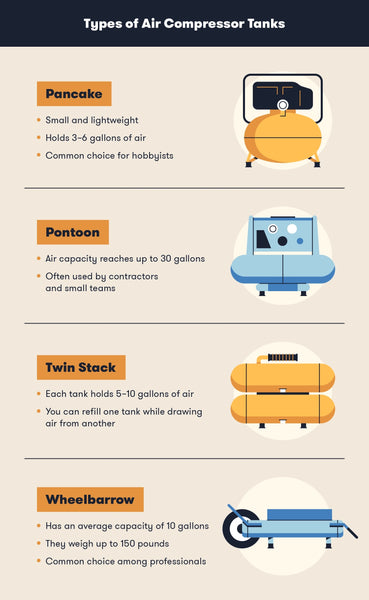
- Tank size (measured in gallons or liters)
- CFM (cubic feet per minute) rating (how much air it can deliver)
It’s smart to buy a compressor that’s slightly larger than your biggest air need.
2. Check For Leaks
Leaks in hoses, connectors, or the tank will waste air, making your compressor run more often and work harder. Check for leaks using soapy water and fix them right away.
3. Monitor Pressure Settings
Set your regulator to match the needs of your tool. Too high pressure wastes air and energy, too low won’t power your tool properly.
4. Regular Maintenance
- Drain the tank after every use (or daily for frequent use)
- Check and change oil as recommended (if oil-lubricated)
- Replace air filters as they get dirty
- Inspect safety valves to be sure they work
Missing these steps can lead to sudden breakdowns or unsafe conditions.
Credit: yeswelder.com
Oil-lubricated Vs. Oil-free Compressors
One key difference affecting refilling is whether your compressor is oil-lubricated or oil-free.
| Feature | Oil-Lubricated | Oil-Free |
|---|---|---|
| Maintenance | Must check/refill oil | No oil to refill |
| Durability | Longer life, handles heavy use | Lighter use, shorter lifespan |
| Air Quality | May have oil mist | Cleaner air (for painting, medical) |
| Noise | Usually quieter | Often louder |
If you’re a home user, an oil-free compressor is often enough and easier to maintain. For heavy-duty, daily work, choose an oil-lubricated model but remember to check the oil.
Key Signs Your Compressor Needs Attention
There are warning signs that tell you when your compressor needs maintenance, not just “refilling”:
- Compressor runs constantly: Possible leak, wrong size, or pressure switch problem
- Low air pressure: Clogged filters, leaks, or worn pump
- Excess water in air lines: Drain tank more often; consider an air dryer
- Unusual noises or vibrations: Check for loose bolts or lack of oil
Ignoring these signs can reduce performance or damage the machine.
Real-world Example
Imagine you have a 6-gallon portable compressor for home repairs. You fill a bicycle tire, then use a nail gun. After a few nails, the compressor turns on for a minute, then stops. You keep working. If you stop using it, the tank stays full until you need it again.
You do not refill air—the compressor does it for you.
But every week, you notice water in the tank and drain it. Every few months, you check the oil window and add a little. These are the real “refilling” jobs for most owners.
Specialized Compressors: Scuba And Paintball
A few special types of compressors, like those for SCUBA tanks or paintball guns, work differently. These are called high-pressure compressors. They can refill tanks that you carry with you. In this case, you use a compressor to fill a separate tank, not the compressor itself. These tanks need refilling after use, but the air compressor’s own tank does not.
Safety Tips For Compressor Use
Using an air compressor seems simple, but safety is critical.
- Never overfill the tank beyond its rated pressure
- Drain water after every use to avoid rust and explosions
- Use proper power supply (don’t overload circuits)
- Replace damaged hoses before use
A small leak or ignored warning sign can cause injury or expensive repairs.
Comparison Of Air Compressor Maintenance Needs
Here’s how the refill and maintenance needs compare for different compressor types:
| Compressor Type | Air Refilling Needed? | Oil Maintenance | Drain Water? | Fuel Maintenance |
|---|---|---|---|---|
| Small Electric (Oil-Free) | No | No | Yes | No |
| Large Electric (Oil-Lubricated) | No | Yes | Yes | No |
| Gas-Powered Portable | No (air) | Yes | Yes | Yes |
| SCUBA/High-Pressure | Refills separate tank | Yes | Yes | Sometimes |
Non-obvious Insights Most Beginners Miss
- Room Air Quality Affects Moisture: Humid air means more water in your tank. In wet climates, you may need to drain more often or use a dryer.
- Compressor Size Affects Duty Cycle: If you use a small compressor for big jobs, it will run constantly, wear out faster, and may not keep up. Always match tool needs to compressor rating.
When To Replace, Not Refill
If your compressor tank is leaking, rusted, or damaged, it’s not safe to “refill” or repair it yourself. Tanks are under high pressure and can explode if weakened. Replace the tank or the entire compressor.
Final Thoughts
In summary, you do not need to manually refill air in an air compressor. The machine does it automatically using air from the environment. But you do need to maintain oil (for some models), drain moisture, and refill fuel for gas-powered units. Proper maintenance is the key to a long-lasting, safe, and effective compressor. Understanding these basics will help you avoid mistakes and keep your tools working when you need them.
If you want a deep dive into how air compressors work, visit the Wikipedia page on air compressors.
Frequently Asked Questions
Do I Need To Refill My Air Compressor With Air?
No, you do not need to add air manually. The compressor pulls in air and compresses it by itself. You only need to ensure the machine has power or fuel and is well maintained.
How Often Should I Drain Water From My Compressor Tank?
For frequent use, drain water daily. For light or occasional use, drain after every use. Not draining can cause rust and reduce tank life.
What Happens If I Don’t Change The Oil In My Compressor?
If you skip oil changes (for oil-lubricated types), the pump can overheat, wear out, or even seize up. Always follow the manufacturer’s oil change schedule.
Can I Use My Compressor If The Pressure Is Low?
If the pressure is low, check for leaks, dirty filters, or a worn pump. Running tools at low pressure can damage both the tool and the compressor.
Is It Safe To Refill A Damaged Compressor Tank?
No, never try to repair or refill a damaged or rusted tank. High pressure can cause tanks to burst. Replace the tank or buy a new compressor for safety.

Credit: www.youtube.com