
Choosing the right air compressor tank is more important than many people realize. The tank material—aluminum or steel—affects not only how your compressor performs but also its safety, weight, longevity, and even cost over time. If you’ve ever wondered whether to go with an aluminum or steel air compressor tank, you’re not alone. Each material has its own strengths and weaknesses. Knowing these can help you avoid costly mistakes, especially if you use your compressor regularly for work, hobbies, or emergencies. Let’s break down the differences, advantages, and potential issues so you can make the best choice for your needs.
Understanding Air Compressor Tanks
Air compressor tanks store compressed air so you can use it when needed. The tank’s material is not just about looks or price. It affects how heavy the unit is, how long it lasts, how safe it is, and even how well it fits into your routine. Most tanks are made from either aluminum or steel because these metals offer a strong balance of durability and cost.
Why Does Tank Material Matter?
When you compress air, you also compress moisture from the atmosphere. Over time, moisture can cause tanks to rust from the inside, leading to leaks or even dangerous ruptures. The material you choose decides how quickly this happens, how often you’ll need maintenance, and how much you’ll carry around.
It also impacts your long-term expenses.
Aluminum Air Compressor Tanks
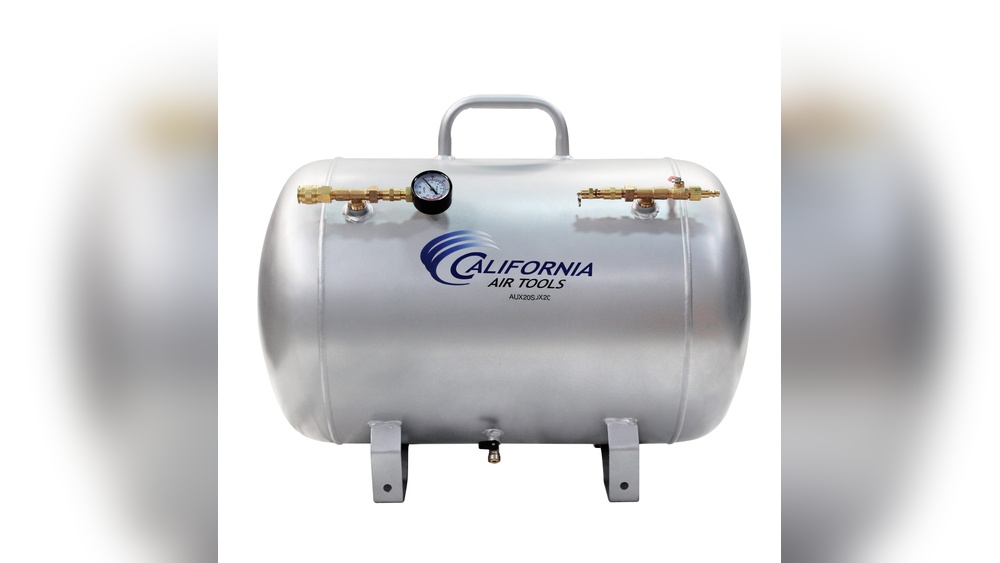
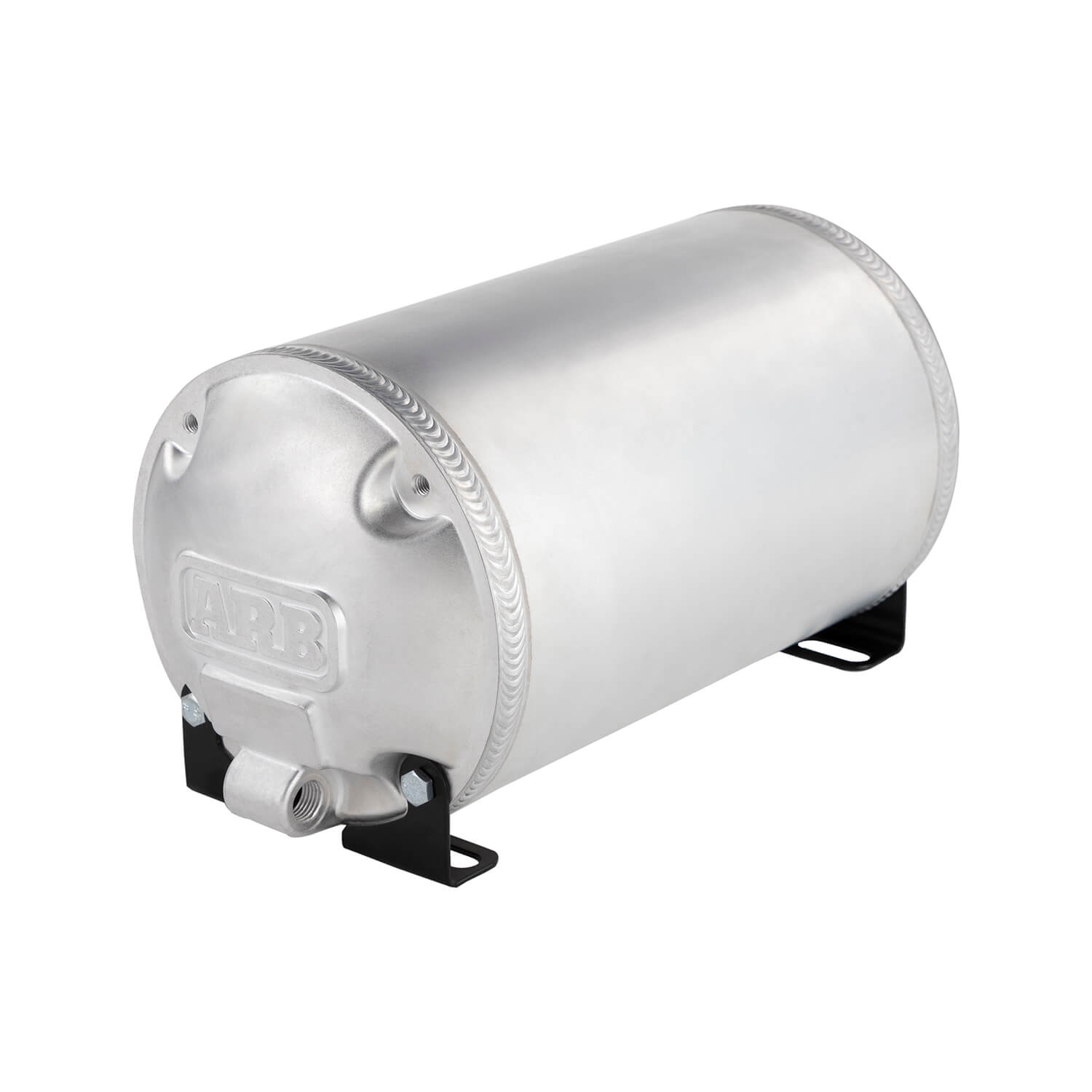
Aluminum tanks are growing in popularity, especially among users who value portability and corrosion resistance. Let’s look at what makes these tanks stand out.
Key Advantages Of Aluminum Tanks
- Lightweight: Aluminum is much lighter than steel. If you need to move your air compressor often—for work sites, cars, or outdoor projects—an aluminum tank can save you from back pain and hassle.
- Corrosion Resistance: Aluminum naturally forms a thin oxide layer that protects it from rust. This means less worry about the inside of your tank rusting through, especially in humid areas.
- Faster Cooling: Aluminum transfers heat more efficiently than steel. This means your tank cools down faster, which can reduce the risk of moisture build-up and make it safer to handle after heavy use.
- Cleanliness: Because aluminum resists corrosion, you’re less likely to find rust particles in your air lines or tools, which can be important for paint spraying or delicate instruments.
Disadvantages Of Aluminum Tanks
- Higher Cost: Aluminum is more expensive to produce and shape into pressure tanks. You’ll often pay more upfront for the same tank size compared to steel.
- Lower Maximum Pressure: Aluminum is strong, but not as strong as steel under high pressure. Most aluminum tanks are rated for lower maximum pressures. If you need a high-pressure system (above 200 PSI), aluminum may not be the best choice.
- Denting and Damage: While aluminum resists corrosion, it is softer than steel. This means it can dent or deform more easily if dropped or struck.
Typical Uses For Aluminum Tanks
Aluminum tanks are common in portable compressors, car air systems, and situations where weight is a concern. They’re a favorite for off-road vehicles, RVs, and emergency kits.

Credit: www.youtube.com
Steel Air Compressor Tanks
Steel is the traditional choice for air compressor tanks. It is valued for its strength, availability, and relatively low cost.
Key Advantages Of Steel Tanks
- High Strength: Steel can handle higher pressures than aluminum. If you need a compressor for heavy-duty tools or industrial use, steel tanks often have higher PSI ratings.
- Lower Upfront Cost: Steel is less expensive as a raw material and easier to manufacture in large quantities, so steel tanks generally cost less.
- Toughness: Steel is harder than aluminum. It resists dents, impacts, and rough treatment better, making it a good choice for demanding job sites.
Disadvantages Of Steel Tanks
- Heavier Weight: Steel tanks are much heavier. Even a small increase in size can make a steel tank difficult to move, especially for one person.
- Corrosion Risk: Steel rusts easily, especially in moist environments. Over time, rust can weaken the tank, cause leaks, and lead to dangerous failures.
- Maintenance Needs: To prevent rust, you must drain steel tanks often and sometimes treat them with anti-corrosive coatings or liners. Neglecting this can shorten the tank’s life.
Typical Uses For Steel Tanks
Steel tanks are found in most stationary compressors, workshop setups, and industrial environments. They’re ideal where the compressor will stay in one place and high pressure is needed.
Head-to-head Comparison: Aluminum Vs Steel
To see the differences clearly, let’s compare aluminum and steel tanks across key factors.
| Feature | Aluminum Tank | Steel Tank |
|---|---|---|
| Weight | Lighter (up to 50% less) | Heavier |
| Corrosion Resistance | Excellent | Poor to moderate (needs maintenance) |
| Cost | Higher | Lower |
| Maximum Pressure | Usually up to 200 PSI | Can exceed 200 PSI |
| Durability (dents/impacts) | Softer, can dent | Very tough |
| Heat Dissipation | Faster cooling | Slower cooling |
| Maintenance Needs | Low | High (drain and protect from rust) |
Credit: nomadicsupply.com
Real-world Examples
Understanding theory is useful, but real-world usage can highlight hidden challenges.
- Mobile Mechanics: A mobile mechanic who carries tools to client sites will appreciate an aluminum tank’s lighter weight. Dragging a heavy steel tank in and out of a van every day is tiring and increases risk of injury.
- Industrial Workshops: A fixed industrial compressor with a steel tank can run for years, as long as it’s drained regularly. The higher pressure rating allows it to power larger air tools.
- Emergency Air Systems: For off-roaders or RV owners, space and weight are critical. Aluminum’s rust-proof nature means you don’t need to worry about unseen corrosion if the tank sits unused for months.
Performance And Safety
Pressure Ratings
Most steel tanks are rated for higher pressures. Common steel tanks can handle 175 to 250 PSI, while aluminum tanks usually top out around 150 to 200 PSI. If your tools or job require high-pressure air, steel is often the safer choice.
Impact And Damage
While steel is more dent-resistant, a dent in an aluminum tank rarely means immediate failure. However, deep dents can weaken the structure, so it’s important to inspect aluminum tanks regularly if they’re dropped or hit.
Rust And Contamination
One non-obvious issue: rust flakes from steel tanks can clog or damage air tools and spray guns. Aluminum tanks avoid this problem, making them a better choice for sensitive applications like painting or medical devices.
Internal Coatings
Some steel tanks come with internal coatings or linings to slow down rust. But these coatings can chip or wear off, especially if you don’t drain the tank regularly. Aluminum rarely needs any lining.

Credit: store.arbusa.com
Maintenance Tips For Both Tank Types
No matter the tank material, a few maintenance steps can extend life and improve safety:
- Drain Regularly: Always drain water from the tank after use. Even aluminum tanks can suffer from internal corrosion if the alloy isn’t pure or if fittings are steel.
- Inspect for Damage: Look for dents, cracks, or leaks. Small problems can become dangerous quickly.
- Check Fittings: Use compatible fittings. For example, avoid mixing steel fittings on aluminum tanks, as this can cause galvanic corrosion.
- Store Properly: Keep tanks in a dry area. For steel, this is critical. For aluminum, it prevents corrosion of non-aluminum parts.
Cost Over Time
The upfront price is just part of the story. Steel tanks may cost less at first, but rust can lead to early replacement or costly repairs. If you use your compressor often, maintenance costs and tool damage from rust may outweigh the initial savings.
Aluminum tanks cost more upfront, but usually last longer with less maintenance—especially in humid climates or for occasional users.
Choosing The Right Tank For You
When deciding between aluminum and steel air compressor tanks, focus on:
- How often you move the compressor: If you move it a lot, choose aluminum.
- How much pressure you need: For heavy-duty or industrial use, steel may be necessary.
- Your work environment: Humid areas or infrequent use favor aluminum.
- Budget: If cost is a big concern and you can maintain the tank, steel is fine.
- Tool sensitivity: For paint sprayers or medical devices, aluminum’s clean air is safer.
Here’s a simple reference:
| Situation | Best Choice |
|---|---|
| Portable, frequent use | Aluminum |
| Stationary, high-pressure tools | Steel |
| Occasional, emergency use | Aluminum |
| Budget-sensitive, well-ventilated area | Steel |
| Painting or sensitive tools | Aluminum |
Common Mistakes To Avoid
- Ignoring Internal Rust: Many users forget that steel tanks rust from the inside. Always drain your tank, and don’t assume rust is only a surface problem.
- Overloading Aluminum Tanks: Never exceed the pressure rating of an aluminum tank. Even small over-pressures can cause failure.
- Mixing Metals: Using steel fittings on aluminum tanks can cause galvanic corrosion, which eats away at the metal. Use compatible parts.
- Skipping Inspections: Regularly check for leaks and damage. Early problems are easier to fix.
Environmental Impact
Aluminum is easier to recycle than steel and requires less energy to transport due to its lower weight. But producing new aluminum uses more energy compared to steel production. Both materials can be recycled, but aluminum tanks often have a longer service life with less maintenance waste.
Final Thoughts
The choice between aluminum and steel air compressor tanks is not just about price or what’s in stock. Consider how you use your compressor, how often you move it, the pressure you need, and how much time you want to spend on maintenance. Aluminum offers light weight and corrosion resistance, making it great for mobile and sensitive uses. Steel brings strength, higher pressure ratings, and lower initial cost, but requires regular care to avoid rust. Take the time to match the tank material to your real needs, and you’ll avoid common headaches and hidden costs.
If you want to read more about the science and manufacturing of pressure vessels, check this Wikipedia page on pressure vessels.
Frequently Asked Questions
What Lasts Longer, An Aluminum Or Steel Air Compressor Tank?
Aluminum tanks typically last longer in humid or wet conditions because they don’t rust like steel. However, steel can last just as long if you maintain it well by draining moisture and preventing rust.
Is It Safe To Weld An Aluminum Air Compressor Tank?
Welding aluminum tanks is more difficult and requires special skills. It’s safer to avoid repairing tanks yourself. For serious repairs, always consult a professional or replace the tank.
Are Aluminum Tanks Suitable For High-pressure Applications?
Most aluminum tanks are rated up to 200 PSI, while steel tanks can handle higher pressures. For high-pressure industrial tools, steel is usually a better option.
Which Tank Is Better For Portable Air Compressors?
Aluminum tanks are better for portable compressors because they are much lighter. This makes them easier to carry and reduces fatigue.
How Do I Prevent Rust In A Steel Air Compressor Tank?
Drain your tank daily, store it in a dry place, and consider using air dryers or filters. Some tanks come with anti-corrosive linings, but regular maintenance is still key to preventing rust.