
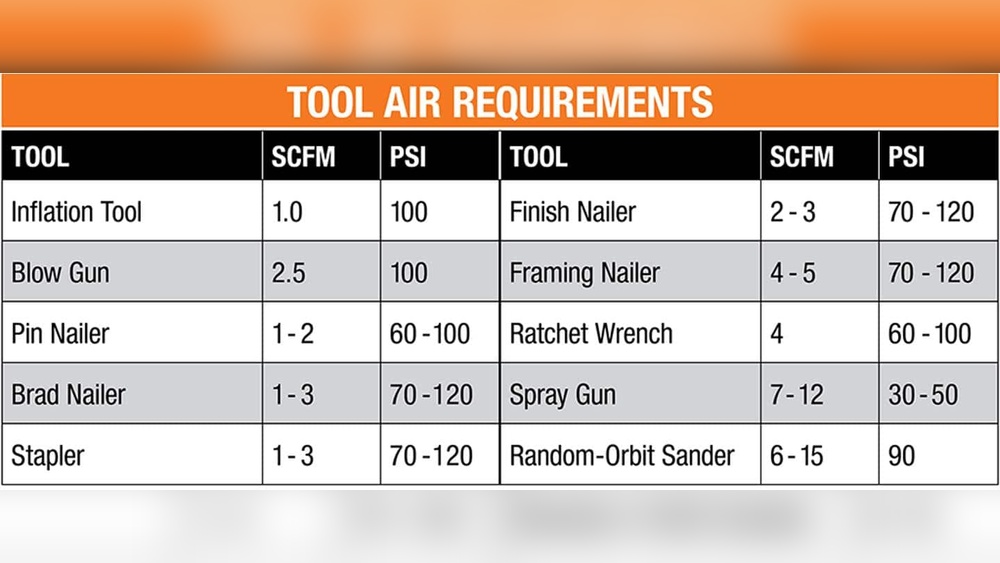
Air compressors are everywhere in modern life. From workshops to factories, they power tools, inflate tires, and help run machines. But if you’ve ever shopped for or used an air compressor, you’ve likely seen the term SCFM on the product label or manual. For many, this number is confusing. What does it really mean? Why does it matter? And how is it different from other airflow measurements? Understanding SCFM isn’t just for engineers—it’s critical for anyone who wants to choose the right compressor or use pneumatic tools safely and efficiently.
What Does Scfm Mean?
SCFM stands for Standard Cubic Feet per Minute. It’s a way to measure the flow of air coming out of an air compressor, but with a catch: it shows how much air would flow if the air was at a “standard” set of conditions. This helps people compare compressors, tools, and machines without confusion from different environments or pressures.
The standard conditions usually mean:
- Temperature: 68°F (20°C)
- Pressure: 14.7 psi (atmospheric pressure at sea level)
- Humidity: 36% relative humidity
So, when you see “5 SCFM,” it means the compressor can deliver 5 cubic feet of air per minute at standard conditions. If you measure the same air at a different temperature, pressure, or humidity, the volume could change. SCFM removes these variables so everyone speaks the same language.
Why Scfm Is Important For Air Compressors
Choosing an air compressor is not just about size or brand. The most critical factor is whether it provides enough air for your needs. Many tools like nail guns, paint sprayers, and sanders need a specific airflow to work correctly.
If your compressor’s SCFM is too low, your tool may not run well, or at all.
SCFM tells you if the compressor can keep up with your tools. It’s a direct way to match the compressor’s power to the demand of your equipment.
Example:
If your spray gun needs 6 SCFM at 90 psi, but your compressor only delivers 4 SCFM at that pressure, you’ll notice weak spraying or have to stop often to let the compressor catch up.
Credit: nigen.com
How Scfm Differs From Cfm And Acfm
Many people confuse SCFM with CFM and ACFM. While they all measure air flow, the meanings are not the same.
| Term | Meaning | Conditions |
|---|---|---|
| SCFM | Standard Cubic Feet per Minute | Standard temperature, pressure, humidity |
| CFM | Cubic Feet per Minute | Actual environment (varies) |
| ACFM | Actual Cubic Feet per Minute | Measured at real site conditions |
- CFM is a generic term, and sometimes manufacturers use it instead of SCFM. But without “standard” conditions, numbers can be misleading.
- ACFM is the real airflow at your shop’s temperature, pressure, and humidity. It can be quite different from SCFM, especially in hot, humid, or high-altitude places.
How Scfm Is Measured
Manufacturers use special meters to measure how much air comes out of a compressor. But to get SCFM, they must adjust the reading to match the standard temperature, pressure, and humidity. This way, a compressor tested in Denver (high altitude, low pressure) can be compared to one tested in Miami (sea level, humid).
In practice, you can convert from ACFM to SCFM using formulas that account for local conditions. For most users, trusting the manufacturer’s SCFM rating is enough.

Credit: www.reddit.com
How To Use Scfm When Choosing An Air Compressor
Selecting the right air compressor starts with understanding your tools. Every pneumatic tool has a SCFM rating, usually at a given pressure (psi). Here’s how to use SCFM when shopping for a compressor:
- List all tools you want to run, and find their SCFM and psi requirements.
- Add the SCFM ratings if you plan to use more than one tool at a time.
- Add 25% extra to the total SCFM. This buffer keeps your compressor from working too hard and extends its life.
- Match the pressure (psi) requirement. SCFM only matters at a given psi.
Example Calculation
Suppose you use a paint sprayer (5 SCFM at 40 psi) and a die grinder (4 SCFM at 90 psi), but never at the same time. You need a compressor that delivers at least 5 SCFM at 40 psi and 4 SCFM at 90 psi.
If you want to use both at once, add the SCFM values together.
Add 25% for safety: (5 + 4) x 1.25 = 11.25 SCFM needed.
Common Scfm Ratings And What They Mean
Not all compressors are equal. Here’s a rough guide to what different SCFM ratings mean in terms of use:
| SCFM Range | Typical Use | Example Tools |
|---|---|---|
| 0.5–2 SCFM | Light duty | Inflating tires, brad nailers |
| 2–5 SCFM | Medium duty | Staplers, small impact wrenches |
| 5–10 SCFM | Heavy duty | Paint sprayers, die grinders |
| 10+ SCFM | Industrial | Sanders, large impact tools |
If you buy a compressor with a lower SCFM than your tools need, you’ll have to wait for the tank to refill often, or your tool may not work well.
Factors That Affect Scfm Output
Several things can change the SCFM rating you get from your compressor:
- Pressure (psi): SCFM is always tied to a pressure value. Higher pressure often means lower SCFM.
- Temperature: Colder air is denser, which can increase the SCFM value.
- Altitude: At higher altitudes, the air is thinner, so SCFM output drops.
- Humidity: More moisture in the air can slightly reduce SCFM.
Always check the SCFM at the pressure you need. Some companies might advertise “maximum” SCFM at a low pressure to look better.
Scfm In Real-world Applications
Let’s look at how SCFM matters for common jobs:
Automotive Shops
Mechanics use tools like impact wrenches, which can require 5–8 SCFM at 90 psi. If the shop runs several tools at once, the total SCFM needed rises quickly. Buying a compressor with too low a SCFM means delays and frustration.
Painting
Spray guns are sensitive to air flow. If SCFM drops, the paint pattern changes or becomes uneven. Painters often choose compressors with higher SCFM ratings to avoid these problems.
Diy Home Use
For home workshops, most nail guns or inflators need less than 2 SCFM. But if you want to sand, cut, or paint, you’ll need more airflow.
Common Mistakes Beginners Make With Scfm
Even with the basics, many people new to air compressors make avoidable errors:
- Ignoring the Pressure Rating: SCFM only counts at a certain psi. A compressor may deliver 7 SCFM at 40 psi, but only 4 SCFM at 90 psi. Always compare the right numbers.
- Not Allowing for Multiple Tools: Running two or more tools at once needs more SCFM. Don’t just use the highest single tool rating—add them up.
- Trusting Only the Tank Size: A bigger tank helps with short bursts, but for long jobs, the SCFM rating is what matters.
- Not Adding a Buffer: Running a compressor at its limit can wear it out faster. The 25% rule gives you a margin for better performance and longer life.
How Scfm Affects Tool Performance
If a tool gets less airflow than it needs:
- Nailers may not drive nails fully.
- Impact wrenches lose torque and can’t loosen bolts.
- Paint sprayers give poor or uneven coverage.
- Grinders and sanders slow down and can overheat.
Always check your tool’s manual for the right SCFM and psi, and buy a compressor that can meet those numbers comfortably.
Credit: www.homedepot.com
Comparing Compressors Using Scfm
Let’s look at two sample compressors to see how SCFM ratings help you choose:
| Model | SCFM @ 40 psi | SCFM @ 90 psi | Tank Size |
|---|---|---|---|
| Compressor A | 6.0 | 4.2 | 6 gallons |
| Compressor B | 3.5 | 2.6 | 3 gallons |
If your tool needs 4 SCFM at 90 psi, Compressor A is a better fit. Compressor B would struggle to keep up.
Non-obvious Insights About Scfm
Here are two facts most beginners miss:
- SCFM is NOT a fixed number. It depends on the pressure setting. Always check the SCFM at the psi your tool uses, not just the biggest number on the box.
- Tank size and SCFM are separate. A large tank lets you run tools for short bursts even if SCFM is low. But for continuous use, the SCFM rating is the true power limit, not the tank.
Why Manufacturers Use Scfm
Manufacturers use SCFM because it creates a level playing field. No matter where a compressor is made or tested, SCFM ensures buyers can compare performance fairly. This is similar to how car makers quote horsepower at specific conditions.
SCFM also helps avoid misleading advertising. Without a standard, some brands could measure airflow in easy conditions to make their machines look stronger.
How To Improve Your Compressor’s Scfm
If your compressor doesn’t meet your needs, there are a few options:
- Use fewer tools at once. This reduces demand.
- Lower the required pressure. Some tools work at lower psi, which raises SCFM.
- Upgrade to a larger compressor. Higher SCFM models are available for demanding jobs.
- Keep filters clean. Dirty intake filters reduce airflow.
Resources For Deeper Learning
If you want to understand more about air flow measurements and compressor standards, you can check out Wikipedia’s SCFM page for more technical details.
Frequently Asked Questions
What Does Scfm Stand For?
SCFM stands for Standard Cubic Feet per Minute. It is a way to measure how much air an air compressor can deliver, adjusted to standard temperature, pressure, and humidity.
Is Higher Scfm Always Better?
A higher SCFM means the compressor can deliver more air, which is useful for bigger tools or running several tools at once. But if you only use small tools, you don’t need a very high SCFM.
How Do I Know The Scfm I Need?
Check the manual or label on your pneumatic tool. Add up the SCFM ratings for all tools you want to use at the same time. Add a 25% buffer to this total for best performance.
Can I Use A Compressor With A Lower Scfm Than My Tool Needs?
You can, but the tool may not work well. It might run slowly, stop, or not perform its job. It’s better to match or exceed the required SCFM.
What Is The Difference Between Cfm And Scfm?
CFM is a general airflow measurement at any conditions, while SCFM is measured at standard conditions. SCFM allows you to compare compressors and tools fairly, regardless of where they are tested.
Understanding SCFM is the key to making smart air compressor choices, avoiding frustration, and keeping your tools working their best. With this knowledge, you can confidently choose equipment for your home or business—no guesswork needed.