Are Air Compressors Dangerous
Air compressors are found in many homes, workshops, and industries. These machines power tools, inflate tires, and support construction projects. While they are helpful, many people wonder: Are air compressors dangerous? The answer is not simple. Like many powerful machines, air compressors have risks, but with knowledge and care, you can use them safely. This article explains the real dangers, common mistakes, and practical tips for anyone who owns or works near an air compressor.
Understanding Air Compressor Risks
Many people think of air compressors as harmless. After all, they just move air, right? But compressed air is not just normal air—it is stored energy. When things go wrong, that energy can cause accidents. Let’s look at the main risks:
- High-pressure air can cut skin or even enter the bloodstream, causing serious injury.
- Parts like hoses and tanks can fail, leading to sudden bursts or explosions.
- Flying debris or accidental releases can damage eyes or hearing.
- Electrical faults can start fires or cause shocks.
These risks are not just for big industrial units. Even small home air compressors can be dangerous if used incorrectly.
Main Types Of Air Compressor Hazards
1. High-pressure Air Injury
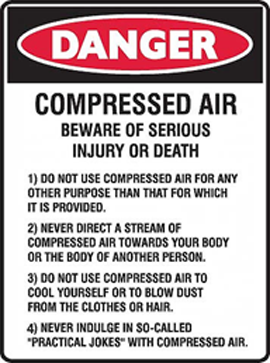
Air compressors can deliver air at pressures above 100 psi. That’s much higher than a car tire. If air is blown at the skin, especially close to the body, it can break the skin or force air into the body. This is called air embolism—it’s rare, but it can be fatal.
A common mistake is using compressed air to clean dust from clothes or skin. This is extremely dangerous and should be avoided.
2. Tank Rupture Or Explosion
The air compressor tank holds pressurized air. If the tank gets weak from corrosion or is over-pressurized, it can burst. When a tank explodes, metal pieces can fly out, causing serious injury or death.
According to a report from the U.S. Consumer Product Safety Commission, tank explosions are rare but deadly. Poor maintenance, rust, and bypassing safety valves are main causes.
3. Flying Debris
When you use an air compressor to clean surfaces or power tools, high-speed air can lift dust, metal, or wood chips. These can travel at high speeds and injure eyes or skin.
Wearing safety goggles is not just a suggestion—it is essential.
4. Noise Damage
Air compressors and pneumatic tools can be loud. Sound levels often reach 90 decibels or higher—as loud as a lawn mower. Prolonged exposure can cause hearing loss.
Many users skip hearing protection because they think “it’s just a few minutes. ” But even short periods can add up over time.
5. Electrical Hazards
Most compressors plug into the wall. If wires are damaged or the device is used in wet conditions, electric shocks or even fires can happen. Portable compressors used outdoors are at special risk.
A key insight: Always use outlets with ground-fault circuit interrupters (GFCI) in damp areas.
6. Hose Whip And Accidental Release
If a hose comes loose under pressure, it can whip around violently. The hose whip effect can hit people or objects nearby. Quick-release fittings should be used with care.
Never disconnect a hose before releasing pressure from the system.
7. Inhalation Of Harmful Substances
Some compressors (especially in painting or industrial use) can stir up fine dust or spray chemicals into the air. Breathing these can cause lung problems or allergic reactions.
A dust mask or respirator is sometimes needed—not just for the operator, but for anyone nearby.
8. Burns From Hot Surfaces
Compressor motors and air outputs can get very hot. Touching these by accident can cause burns, especially in children or pets.
Always let the compressor cool before servicing or moving it.
Credit: www.metrosales.co.uk
Common Scenarios Where Danger Increases
Some situations make air compressor accidents more likely. Watch for these:
- Ignoring maintenance: Skipping oil changes, filter cleaning, or tank draining.
- Improper storage: Storing in damp places speeds up rust.
- DIY repairs: Fixing safety valves or tampering with controls.
- Using wrong accessories: Not all hoses, connectors, or tools are rated for high pressure.
- Overloading circuits: Using multiple tools from one power source can cause overheating.
Here’s a quick comparison of risky vs. safe behaviors:
| Risky Behavior | Safe Practice |
|---|---|
| Cleaning clothes with compressed air | Use a vacuum or brush instead |
| Using damaged hoses | Inspect and replace hoses regularly |
| Ignoring unusual noises | Stop and check compressor immediately |
| Storing compressor outside | Keep in dry, covered area |
Who Is Most At Risk?
Some people are more likely to face air compressor dangers:
- DIY enthusiasts who may skip reading manuals.
- New workers in construction or car repair shops.
- Children or pets in home garages.
- Anyone not using protective gear.
Data from the Occupational Safety and Health Administration (OSHA) shows that most accidents happen due to lack of training or ignoring safety steps.
Real-world Examples
To understand the risks, let’s look at real events.
- In 2017, a garage worker in Texas was cleaning a car with compressed air. The hose slipped and hit his leg. The air broke the skin and caused an embolism, leading to hospitalization.
- A small auto shop ignored draining water from their compressor tank. Rust weakened the tank. One morning, the tank burst, sending metal pieces into the wall and narrowly missing workers.
These cases are not common, but they show the importance of proper use.
Essential Safety Tips For Air Compressor Users
Staying safe is not about being afraid. It’s about using best practices every time you use your compressor.
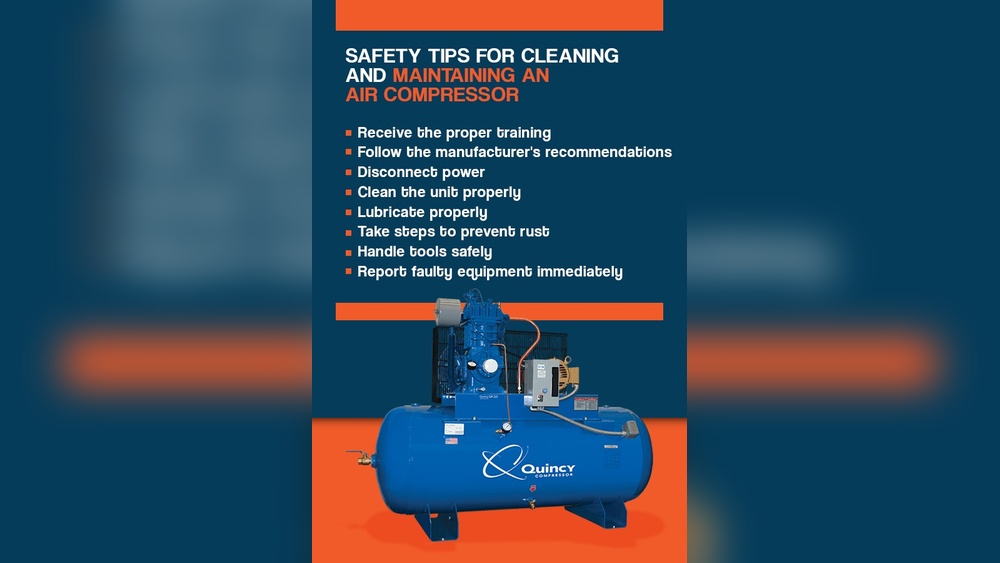
- Read the manual. Each compressor has unique safety rules.
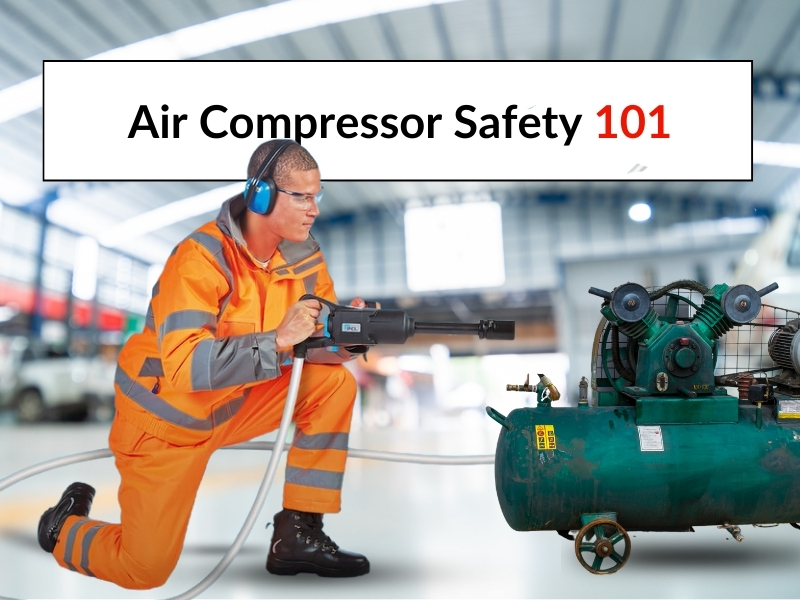
- Wear proper PPE: Always use safety glasses and hearing protection.
- Drain the tank after each use to prevent rust and water buildup.
- Check safety valves regularly to ensure they are not blocked or stuck.
- Inspect hoses for cracks, leaks, or soft spots.
- Release pressure before disconnecting hoses or performing any maintenance.
- Keep away from children and inform others of the dangers.
- Never use compressed air on skin or clothing.
- Store properly in a dry, clean space.
- Install GFCI outlets for electrical safety, especially in garages or outdoors.
- Use correct accessories—never push a tool or hose beyond its rated pressure.
Here’s a quick reference table of minimum safety gear for common air compressor tasks:
| Task | Required Gear | Optional Gear |
|---|---|---|
| Inflating tires | Safety glasses | Hearing protection |
| Spray painting | Respirator, goggles | Gloves, coveralls |
| Cleaning surfaces | Goggles | Dust mask |
| Operating tools | Hearing protection, goggles | Steel-toe boots |
Credit: www.aircontrolindustries.com
What Beginners Often Miss
Many new users overlook:
- The danger of trapped air: Even after a compressor is turned off, pressure can remain in hoses or tanks.
- The importance of slow pressure release: Opening valves too quickly can kick up debris or damage seals.
- The need to replace old tanks: Tanks have a lifespan—old, rusty tanks are a hidden risk.
Also, some believe that “small compressors are safe.” But even a 3-gallon unit can deliver air at dangerous pressures.
Legal And Insurance Considerations
Some workplaces and insurance policies require regular inspection and certification of compressors. If you ignore these rules and an accident happens, insurance may not cover damages. In some places, using a damaged or uncertified compressor can even result in fines.
Are Some Compressors Safer Than Others?
Air compressors come in many shapes and sizes. Which are safer? Here’s a comparison:
| Compressor Type | Common Uses | Relative Risk |
|---|---|---|
| Oil-lubricated | Workshops, garages | Medium (needs more care) |
| Oil-free | Home, light use | Lower (less maintenance) |
| Gas-powered | Construction sites | Higher (noise, fumes, heat) |
| Portable pancake | DIY, inflating tires | Lower (but still dangerous if misused) |
No compressor is completely safe. The key is following manufacturer guidelines and using the right safety steps.
What To Do In Case Of Accident
If an air compressor accident happens:
- Turn off the power immediately.
- Release all pressure if safe to do so.
- Move away from the compressor in case of fire or explosion risk.
- Seek medical help for any injury, even if it looks small (especially puncture wounds from air).
- Report and document the accident for insurance or workplace safety records.
Never try to repair a damaged tank or electrical system yourself unless you are fully trained.

Credit: www.reddit.com
When Should You Replace Your Air Compressor?
Some signs that it is time for a new compressor:
- The tank has visible rust or pitting.
- Safety valves do not work properly.
- The compressor loses pressure quickly.
- You hear unusual noises or the motor overheats often.
- The manufacturer’s lifespan has ended (usually printed on the tank).
A small investment in a new machine is better than risking injury.
The Bottom Line
So, are air compressors dangerous? Yes, they can be—but most dangers are preventable. With proper training, maintenance, and protective gear, air compressors are safe to use for work and home projects. The key is to respect the power of compressed air and never cut corners. Remember, safety is not just a rule; it is a habit that protects you and others every time you switch on your compressor.
For more detailed safety guidelines and accident data, you can visit the official OSHA compressed air safety page.
Frequently Asked Questions
What Is The Most Common Injury From Air Compressors?
The most common injuries are eye injuries from flying debris, followed by hearing damage and cuts from high-pressure air. Many accidents happen when people skip goggles or use air to clean surfaces.
Can A Small Air Compressor Explode?
Yes. All compressors with tanks can explode if not maintained. Even small tanks can build up dangerous pressure, especially if rust or a faulty valve is present. Always drain and inspect your tank regularly.
Is It Safe To Use Compressed Air To Clean Electronics?
No. Compressed air can force dust deeper into devices, and high pressure can damage components or cause static electricity. Use specially designed canned air for electronics, which is much lower pressure.
Are Oil-free Compressors Safer Than Oil-lubricated Ones?
Oil-free compressors are often safer for beginners because they need less maintenance and have fewer parts that can fail. But all compressors can be dangerous if misused.
What Should I Do If A Hose Bursts While I Am Using The Compressor?
First, turn off the compressor and unplug it. Move away to avoid the whipping hose. Once safe, release the system pressure, then inspect and replace the hose. Never try to grab a hose under pressure.
By staying aware and following safety steps, you can enjoy the benefits of your air compressor without unnecessary risk.