Air Compressor Tank Pressure Vs Regulated Pressure: What You Need to Know
If you use an air compressor for work or hobbies, you might notice two different pressure readings: one for the tank pressure and one for the regulated pressure. Many beginners find these terms confusing. Why do you need two pressures? Which one should you pay attention to? Understanding the difference is critical for both safety and performance. In this article, you’ll learn what each pressure means, how they work together, and how to use this knowledge to get the best results from your air tools.
What Is Tank Pressure?
When you turn on your air compressor, it starts drawing in air and compressing it into the tank. The pressure inside the tank is called the tank pressure. This is the total amount of compressed air stored and ready for use.
Tank pressure is usually measured in pounds per square inch (PSI) or sometimes in bar (for metric systems). Most home and workshop compressors store air at 90-175 PSI, but some industrial models can go much higher.
Why Tank Pressure Matters
Tank pressure acts like a fuel reserve for your air tools. The higher the pressure, the more energy is stored, and the longer you can use your tools before the compressor needs to refill the tank.
- Example: If your tank is at 150 PSI and your tool uses air at 90 PSI, you have a good reserve. But if your tank drops below 90 PSI, your tool won’t get enough pressure to work well.
Non-obvious insight: Many people think a bigger tank always means better performance. In truth, the *actual pressure* inside matters just as much as the size. A large tank with low pressure won’t run tools effectively.
What Is Regulated Pressure?
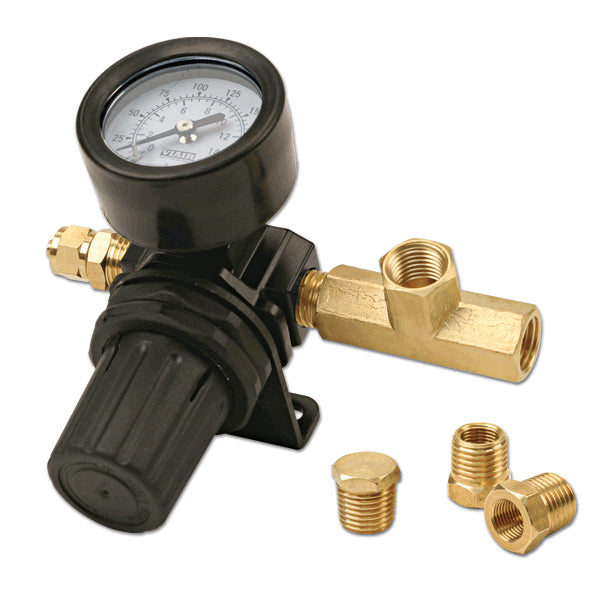
While your tank stores air at a high pressure, most air tools can’t handle that maximum pressure safely. That’s where the regulator comes in. The regulator is a device that reduces the tank pressure to a lower, safe, and consistent level for your tools. This output is called the regulated pressure or working pressure.
You can adjust the regulated pressure using a knob or dial on your compressor. The regulator ensures the air leaving the tank matches what your tool needs.
Why Regulated Pressure Is Important
Different air tools require different pressures. For example:
- Paint sprayers: 30-50 PSI
- Nail guns: 60-100 PSI
- Impact wrenches: 90-120 PSI
- Air sanders: 70-100 PSI
Using too much pressure can damage your tool or work surface. Too little pressure, and the tool won’t work properly. That’s why the regulator is essential—it matches the output to your tool’s requirements.
Non-obvious insight: Setting the regulated pressure higher than the tool’s rating does not make the tool work better. In fact, it can cause faster wear, poor results, or even dangerous accidents.
Key Differences Between Tank Pressure And Regulated Pressure
Understanding the distinction between these pressures helps you operate your compressor safely and efficiently. Here’s a side-by-side comparison:
| Feature | Tank Pressure | Regulated Pressure |
|---|---|---|
| Definition | Pressure inside the compressor’s storage tank | Pressure supplied to the air tool or output line |
| Typical Value (Home Use) | 90-175 PSI | 30-120 PSI (varies by tool) |
| Adjustability | Set by compressor’s switch, not adjustable by user | Adjustable by user via regulator knob |
| Purpose | Stores compressed air for future use | Delivers safe, consistent pressure to tools |
| Risk if Too High | Potential tank rupture, safety valve will vent | Tool damage, injury, poor results |
How The Regulator Works
The regulator is a simple but crucial device. It sits between the tank and the output hose. When you turn the regulator knob, it controls a spring-loaded valve. This valve opens or closes to allow just enough air through to maintain the pressure you set.
- If you set 80 PSI, the regulator will reduce the tank’s 150 PSI down to 80 PSI before sending air to your tool.
- If the tool demands more air than the regulator can supply, the pressure may dip below your setting until the compressor catches up.
Practical tip: Always set your regulated pressure with the tool running, not just idling. Many people set it too high when the tool is off, then find the pressure drops when the tool starts working.
Why You Should Never Bypass The Regulator
Some beginners think bypassing the regulator will give their tools “more power.” This is unsafe and can cause:
- Tool damage: Most tools have a maximum pressure limit. Exceeding it can break seals, crack housings, or even explode hoses.
- Work surface damage: For example, a nail gun at excessive pressure can drive nails through wood and into unintended places.
- Personal injury: Pressurized air is dangerous. High pressure can cause hose bursts or flying debris.
Safety insight: Always check the tool’s manual for the recommended PSI, and use the regulator to match it. Never run tools directly from tank pressure.
Impact Of Tank Size And Pressure On Performance
It’s common to assume a bigger compressor tank is always better. But the relationship between tank size, pressure, and performance is more complex.
Tank Size
A bigger tank stores more air, so your tools can run longer before the compressor motor kicks in. This is useful for tools that use a lot of air, like sanders or grinders. However, a large tank at low pressure is less useful than a smaller tank at high pressure.
Tank Pressure
Higher tank pressure means more stored energy. But not all compressors can safely handle high pressures. The tank’s pressure rating is set by the manufacturer and should never be exceeded.
Combined Effect
Here’s how different tank sizes and pressures affect tool use:
| Tank Size | Max Pressure | Best For | Drawbacks |
|---|---|---|---|
| Small (1-6 gal) | 90-120 PSI | Light tools (nailers, inflation) | Short run time, frequent cycling |
| Medium (8-20 gal) | 120-150 PSI | Paint sprayers, small impact tools | May struggle with heavy tools |
| Large (30+ gal) | 150-175 PSI | Continuous use tools (grinders, sanders) | Bulky, needs more space |
Expert tip: Always match your compressor’s tank size and max pressure to the most demanding tool you plan to use—not just the average.
How To Set And Read Compressor Pressures
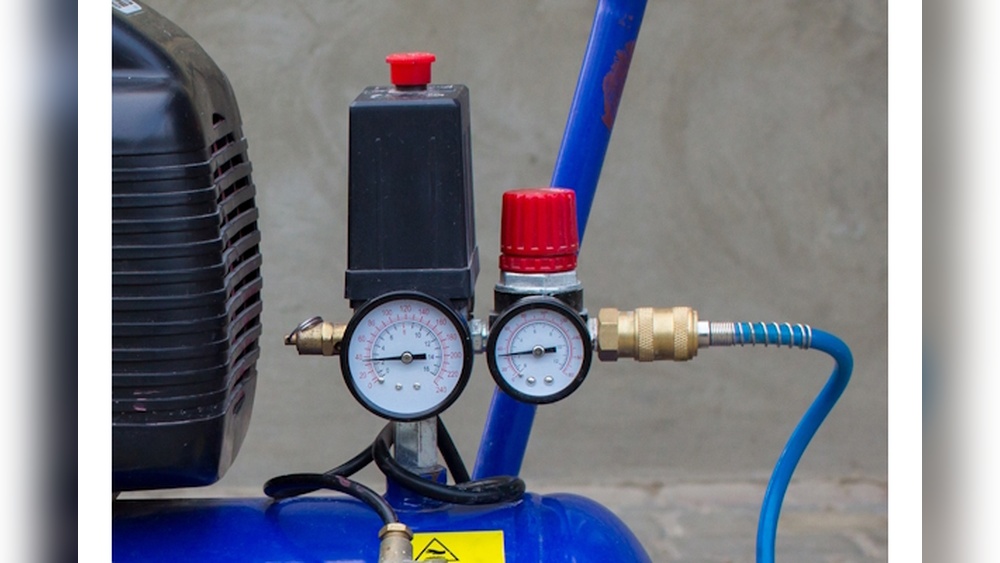
Most air compressors have two gauges:
- Tank pressure gauge: Shows the current pressure inside the storage tank.
- Regulated pressure gauge: Shows the output pressure after the regulator.
To set the right pressure:
- Plug in your tool.
- Turn on the compressor and let it fill the tank.
- Adjust the regulator knob until the regulated pressure matches the tool’s recommended PSI.
- Watch both gauges. If the tank pressure drops too low, the compressor will refill automatically.
Common mistake: Some users only watch the tank gauge. Always use the regulated gauge to set your tool’s pressure.
Typical Pressure Ratings For Common Tools
Knowing the standard PSI for popular air tools helps you avoid mistakes. Here are some examples:
| Air Tool | Recommended PSI |
|---|---|
| Framing Nailer | 90-120 PSI |
| Spray Gun | 30-50 PSI |
| Impact Wrench (1/2″) | 90-100 PSI |
| Die Grinder | 70-90 PSI |
| Tire Inflator | 32-35 PSI (car tires) |
Helpful insight: Even if a tool can run at a wider range, staying close to the recommended PSI gives the best mix of power and tool lifespan.
Maintenance Tips For Safe Pressure Management
To keep your compressor working well and avoid pressure problems:
- Drain the tank regularly: Water can collect inside, lowering performance and causing rust.
- Check safety valves: These release air if tank pressure gets too high. Test them monthly.
- Inspect hoses and fittings: Leaks reduce available pressure and can be dangerous.
- Replace air filters: Dirty filters make the motor work harder, lowering tank pressure.
Pro tip: Always turn off and unplug the compressor before performing any maintenance.
Common Myths About Compressor Pressures
- “Higher pressure means better performance.” Not always. Only use the pressure your tool is rated for.
- “You don’t need a regulator for small tools.” Even small tools can be damaged by too much pressure.
- “Tank pressure and regulated pressure are the same thing.” They are separate and serve different purposes.
Credit: viaircorp.com
Real-world Example
Suppose you have a compressor with a 20-gallon tank rated at 150 PSI. You want to use a paint sprayer that needs 40 PSI. You set the regulator to 40 PSI. As you spray, the tank pressure will slowly drop from 150 PSI.
When it gets low enough, the motor will turn on to refill the tank. As long as the tank pressure stays above 40 PSI, your sprayer will work properly.
If you forget to use the regulator and spray directly from the tank, you might blast paint at 150 PSI, ruining your project and possibly damaging the sprayer.
When To Adjust Tank Pressure And Regulated Pressure
You can’t usually adjust tank pressure directly; it’s controlled by the compressor’s internal switch and safety limits. But you should adjust the regulated pressure every time you change tools.
- Switching from a nailer to a sander? Lower the regulated pressure for the sander.
- Tool not working well? Check both gauges. If the tank is too low, wait for it to refill. If the regulated pressure is too low, turn the knob up.

Credit: fluidairedynamics.com
Safety Considerations
Compressor tanks are designed to handle specific pressures. Never try to “hack” a compressor to raise the tank pressure above the rated maximum. This can cause catastrophic tank failure.
If you notice:
- Unusual noises
- Air leaking from valves or fittings
- Pressure not holding steady
Stop using the compressor and inspect it before continuing.
Where To Learn More
For technical details and safety standards on air compressors, the Wikipedia Air Compressor page provides a good overview.

Credit: www.ebay.com
Frequently Asked Questions
What Happens If I Set The Regulated Pressure Higher Than My Tool’s Rating?
Setting the regulated pressure too high can damage your tool, shorten its life, or cause safety hazards. Always use the recommended PSI from your tool’s manual.
Can I Increase My Tank Pressure To Get More Power?
No, you should never increase the tank pressure above the manufacturer’s limit. This can be extremely dangerous and may cause the tank to rupture.
Why Does My Tool Lose Power After A Few Minutes?
This usually means the tank pressure is dropping below the regulated pressure setting. Wait for the compressor to refill the tank, or check for leaks that may be causing pressure loss.
Do All Air Compressors Have Two Pressure Gauges?
Most modern compressors have both a tank pressure gauge and a regulated pressure gauge, but some very basic models may have only one. Always check your model’s manual to be sure.
How Often Should I Check And Adjust The Regulator?
You should check the regulated pressure every time you switch tools, and occasionally while working to make sure it hasn’t changed due to vibration or adjustment knob movement.
Getting the most from your air compressor means understanding how tank pressure and regulated pressure work together. By matching the right pressure to your tool and using your regulator wisely, you’ll get better results, longer tool life, and safer operation every time you use compressed air.