When it comes to cleaning your electronics or workspace, choosing the right tool makes all the difference. You might be wondering whether a Datavac or an air compressor is the better choice for your needs.
Both have their strengths, but understanding how each works can save you time, effort, and even money. You’ll discover which option suits your tasks best and how to get the most out of your cleaning routine. Keep reading to find out what will truly make your cleaning faster, safer, and more effective.
Datavac Basics
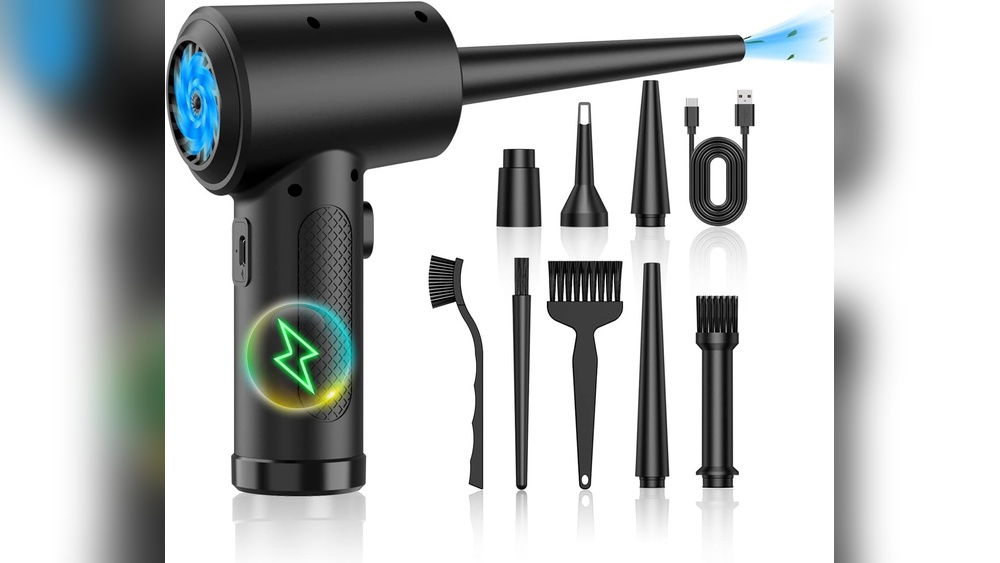
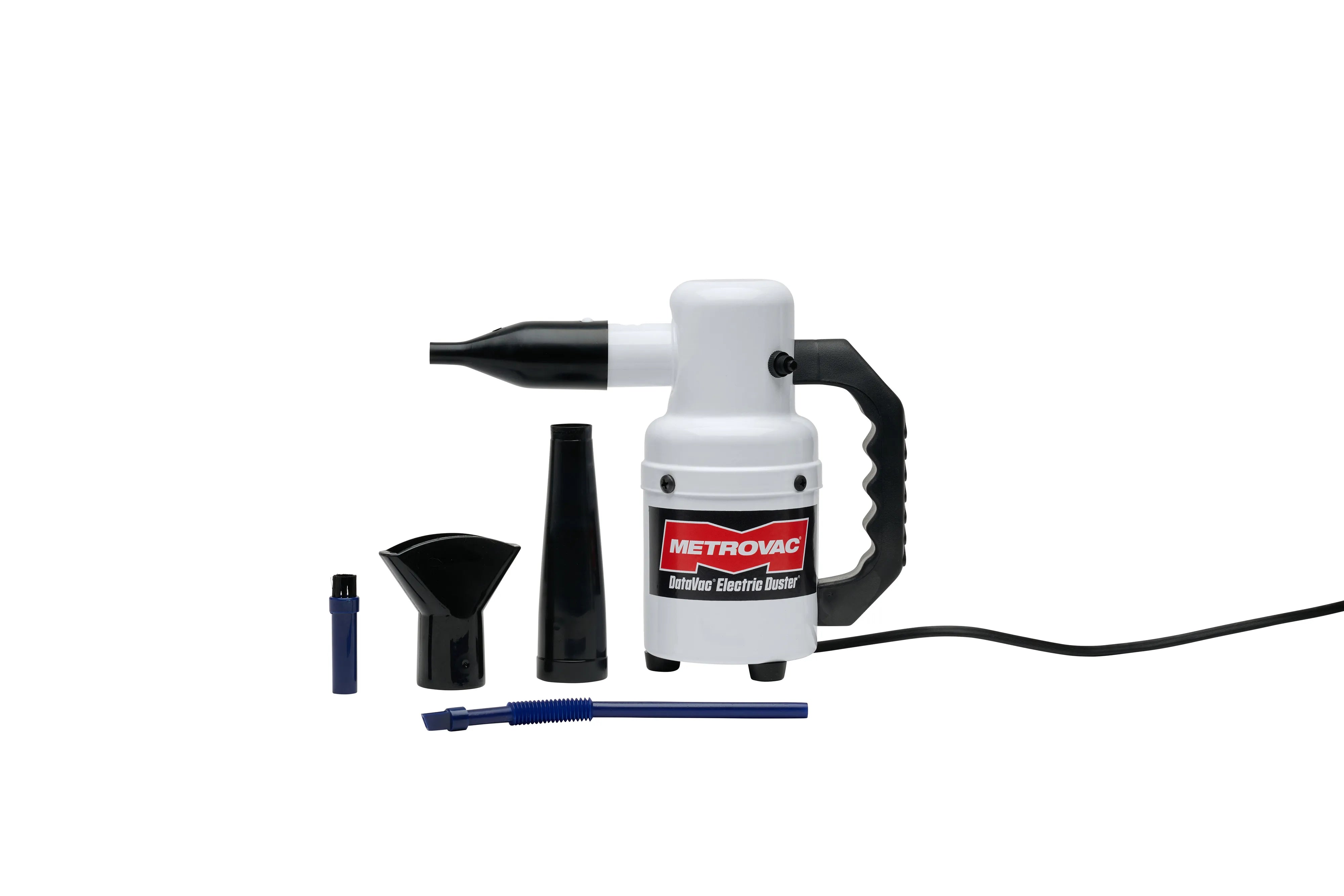
Understanding Datavac basics helps you see how it cleans quickly and easily. Datavac is a tool made to blow air and remove dust from small and tight spaces. It uses strong air power but works quietly and safely.
Many people use Datavac for cleaning electronics and delicate parts. This device is simple to use and fits well in many settings. Its design focuses on precision and gentle cleaning.
How Datavac Works
Datavac works by pushing air through a small nozzle. This strong air stream removes dust and dirt from hard-to-reach areas. It does not use liquid or chemicals, so it is safe for sensitive parts. The motor inside creates steady airflow for efficient cleaning.
Common Uses
People use Datavac to clean computers, cameras, and keyboards. It also helps in removing dust from printers and other office devices. Photographers use it to keep lenses and sensors free of debris. It works well in workshops to clear dust from tools and machines.
Advantages Of Datavac
Datavac is lightweight and easy to handle. It cleans without touching the surface, which reduces damage risk. The quiet motor allows use in offices and homes. It uses less energy than many other cleaning devices. This tool reaches small spaces better than cloth or brushes.

Credit: visit.gallaudet.edu
Air Compressor Essentials
An air compressor is a tool that changes power into pressurized air. It stores this air in a tank for use later. This tool can be found in many homes and workshops. It helps to power different tools and clean hard-to-reach places. Understanding air compressor basics helps you choose the right one for your needs.
Air compressors come in various sizes and power levels. Each type serves a different purpose. Knowing how they work and what they can do is important. It helps you get the best results from your investment.
Air Compressor Mechanics
An air compressor pulls in air and squeezes it to increase pressure. This process uses a motor or engine. The compressed air is stored in a tank. When released, it powers tools or cleans surfaces. Some compressors use pistons, while others use rotary screws. Each type has its own way of compressing air.
Typical Applications
Air compressors are common in many tasks. They power nail guns, paint sprayers, and impact wrenches. They also blow dust and debris from surfaces. In workshops, they help run air tools quickly. Even car tires get inflated by air compressors. Their uses span from simple home tasks to complex industrial work.
Benefits Of Using Air Compressors
Air compressors offer strong, steady power. They work with many different tools. Using air tools often saves time and effort. They are also more durable than electric tools. Air compressors reduce noise in some cases. Plus, they allow work in places without electricity. This makes them very handy for many jobs.
Cleaning Power Comparison
Comparing the cleaning power of a Datavac and an air compressor reveals key differences. Both tools use air to clean, but their force and control vary. Understanding these differences helps pick the right tool for specific cleaning jobs.
Each device has strengths and weaknesses depending on the surface and type of dirt. This section breaks down their cleaning power under three important factors.
Force And Pressure Output
The Datavac produces a gentle, steady airflow. It uses moderate pressure to avoid damage. This makes it safe for delicate electronics and small parts.
An air compressor delivers much stronger air pressure. It blasts dirt with high force. This power clears stubborn debris quickly but can harm fragile surfaces.
Choosing between them depends on how much force the job needs. Datavacs suit light cleaning. Compressors fit heavy-duty tasks.
Effectiveness On Different Surfaces
Datavacs work well on keyboards, computer parts, and tight spaces. The soft airflow lifts dust without scattering it. It cleans without scratching or loosening parts.
Air compressors handle hard surfaces like metal tools or outdoor equipment better. The strong air removes mud and heavy dirt fast. It may cause damage on delicate surfaces.
Surface type guides which tool cleans best. Soft surfaces need gentle air. Tough surfaces tolerate high pressure.
Handling Dust And Debris
Datavacs excel at removing fine dust and small particles. Their controlled airflow prevents dust from spreading. They collect debris into a container for easy disposal.
Air compressors blow dust away but do not collect it. Dust may scatter around the area. Cleanup may need extra effort after using compressors.
For dust control, Datavacs keep workspaces cleaner. Compressors clear debris fast but need cleanup afterward.
Portability And Convenience
Portability and convenience are key factors when choosing between a Datavac and an air compressor. Both tools serve to clean dust and debris, but their design and use differ. Knowing these differences helps you pick the right tool for your needs.
Size And Weight Considerations
Datavacs are usually small and lightweight. They fit easily on a desk or shelf. Carrying one around is simple and hassle-free. Air compressors tend to be larger and heavier. Some models require a cart or handle to move. This size difference affects where and how you use each tool.
Ease Of Use
Datavacs often come with simple controls. You just switch them on and start cleaning. They do not need extra setup or parts. Air compressors need hoses and sometimes extra tools. Setting them up takes more time. Using a Datavac is straightforward and quick, while air compressors require some experience.
Noise Levels
Datavacs work quietly, making them good for indoor use. They won’t disturb others nearby. Air compressors can be loud and produce a strong sound. This noise can be distracting in small spaces. Quiet operation is a big plus for Datavacs in offices or homes.
Safety Factors
Safety is a key factor when choosing between a Datavac and an air compressor. Both tools use air to clean or blow away dust and debris. Handling them without care can lead to accidents or damage. Understanding the risks and proper use keeps users safe.
Each device has unique safety needs. Knowing these helps avoid injuries and equipment problems. This section covers the main safety points for Datavacs and air compressors.
Potential Hazards
Datavacs can blow dust and small particles into the air. This may cause eye irritation or breathing trouble. Air compressors produce strong air pressure. This pressure can harm skin or eyes if not controlled. Both tools can cause noise that may damage hearing.
User Precautions
Wear safety glasses to protect your eyes. Use a dust mask to avoid breathing dust. Keep hands and loose clothing away from moving parts. Work in a well-ventilated area to reduce dust buildup. Control the air pressure to avoid injuries. Turn off the device before making adjustments or cleaning.
Maintenance Tips
Check hoses and connections regularly for leaks or cracks. Clean filters and nozzles to ensure smooth airflow. Store devices in a dry place to prevent rust or damage. Follow manufacturer instructions for safe use and care. Replace worn parts to maintain safe operation.
Cost And Value
Understanding cost and value helps you choose the right cleaning tool. Datavacs and air compressors differ in price and expenses. Knowing these differences saves money and ensures long-term satisfaction.
Initial Investment
Datavacs usually cost less upfront than air compressors. Small models start at a low price. Air compressors need more money at the start. They include extra parts like hoses and nozzles. The higher price reflects their power and size.
Operating Expenses
Datavacs use electricity but consume less power. They are cheaper to run daily. Air compressors use more energy and may need oil changes. Their maintenance costs add up over time. Noise levels also affect where you can use them.
Longevity And Durability
Air compressors tend to last longer with proper care. They are built for heavy tasks and tough use. Datavacs are lighter but may wear out faster. Frequent use can reduce their lifespan. Choosing durable materials matters for both tools.
Best Use Cases
Choosing between a Datavac and an air compressor depends on the task. Both tools blow air but serve different needs. Understanding the best use cases helps you pick the right one for your project. Here are clear examples of when to use each tool and when to avoid them.
Ideal Scenarios For Datavac
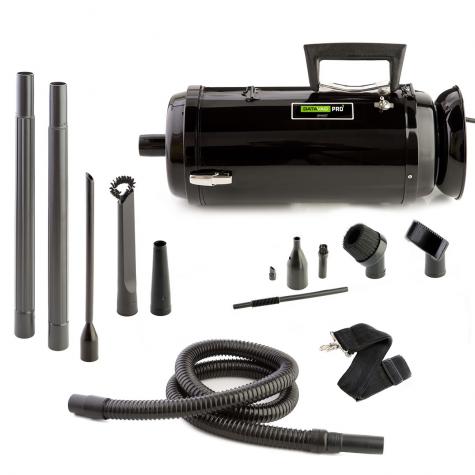
Datavacs are perfect for cleaning delicate electronics. They remove dust from keyboards, cameras, and computer parts without damage. Small spaces and sensitive items benefit from the gentle airflow. Use Datavacs for cleaning inside printers and circuit boards. They also work well for removing dust from collectibles or intricate models.
When To Choose Air Compressor
Air compressors fit better for heavy-duty cleaning jobs. They blow strong air to clear dirt from garages, driveways, and tools. Use them for inflating tires or powering pneumatic tools. They handle large debris and wet surfaces easily. Air compressors work well on construction sites or in workshops.
Situations To Avoid
Do not use an air compressor on fragile electronics. The strong air can cause damage or spread dust deeper. Avoid Datavacs for large outdoor cleaning tasks. Their airflow is too weak for heavy dirt or wet debris. Both tools require proper use to avoid harm and ensure safety.
Credit: metrovac.com
Credit: metrovac.com
Frequently Asked Questions
What Is The Main Difference Between Datavac And Air Compressor?
Datavac uses gentle, filtered airflow for sensitive cleaning. Air compressors provide high-pressure air for heavy-duty tasks. Datavac is safer for electronics, while compressors suit tougher debris removal.
Which Is Better For Cleaning Electronics: Datavac Or Air Compressor?
Datavac is better for electronics because it delivers controlled, dust-free air. Air compressors risk damaging delicate components with strong, unfiltered blasts.
Can Datavac Replace An Air Compressor For All Cleaning Needs?
No, Datavac excels in delicate cleaning but lacks the power of air compressors. For heavy debris or industrial use, air compressors remain essential.
Is Using An Air Compressor Safe For Camera Sensors?
Air compressors can be risky for sensors due to high pressure and moisture. Datavac is recommended for safe, gentle sensor cleaning without damage.
Conclusion
Choosing between Datavac and an air compressor depends on your needs. Datavac works well for delicate cleaning tasks. Air compressors suit heavier jobs and more power. Both tools have their strengths and limits. Think about what you want to clean and how often.
Your choice should match your budget and skill level. Use each tool safely to get the best results. This way, you keep your equipment and work area in good shape. Making the right pick helps you finish tasks faster and easier.