
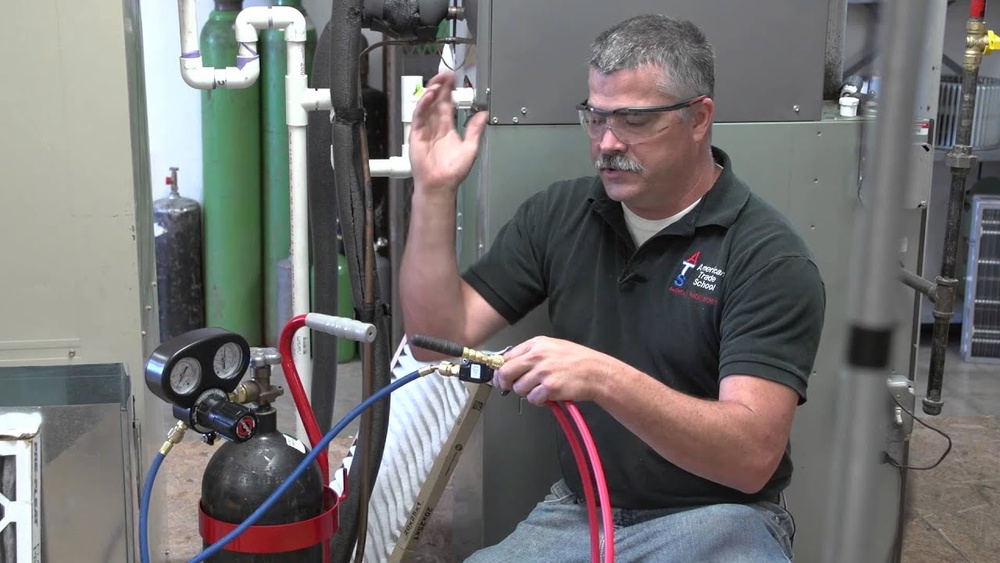
Many homeowners don’t realize how important the small AC drain line is—until it clogs and water leaks inside. The AC drain line, also known as the condensate line, removes the water your air conditioner pulls from the air. Over time, dust, algae, or even mold can block this pipe. When that happens, you might see water around your air handler or notice your system shutting off unexpectedly. One of the most effective ways to clear this line is by using an air compressor. But is it really that simple? And how do you do it safely, without damaging your AC system? This article will guide you step by step, explain what you need, highlight expert tips, and answer common questions. If you want to avoid expensive repairs and keep your home cool and dry, learning how to blow out your AC drain line with an air compressor is a skill worth mastering.
Why Ac Drain Lines Get Clogged
Air conditioners cool your home by removing moisture from the air. This moisture collects on the coils and drips into a drain pan, then flows out through the drain line. Over months or years, this line can become blocked. Some common causes include:
- Algae growth: Warm, moist environments inside the line are perfect for algae.
- Mold and mildew: Spores find their way into the drain and multiply.
- Dust and debris: Dust from your home can settle in the pan and enter the line.
- Insect nests: Small bugs sometimes build nests inside the pipe.
Blocked lines can cause water to overflow into your home, damage ceilings or walls, and even trigger your AC’s safety shut-off switch. That’s why regular maintenance is important—and why knowing how to clear the line can save you trouble.
Tools And Materials You Will Need
Before you start, gather all necessary items. Using the right tools makes the process faster and safer:
- Air compressor (2-5 gallon tank is usually enough)
- Air blow gun or nozzle attachment (to direct air into the line)
- Rag or towel (for spills)
- Duct tape or rubber fitting (to seal the connection)
- Bucket (to catch water or debris)
- Safety goggles (to protect your eyes)
- Gloves (optional, for hygiene)
If you don’t have an air compressor, you can rent one at most hardware stores. Make sure the nozzle fits snugly into your drain line opening.
Step-by-step Guide: How To Blow Out Ac Drain Line With Air Compressor
Let’s walk through the process step by step. Take your time, and never rush—being careful will prevent damage to your AC and keep you safe.
1. Turn Off Your Air Conditioner
Always start by switching off your AC at the thermostat and the breaker box. This protects you from electrical accidents and prevents the system from running while you work.
2. Locate The Ac Drain Line
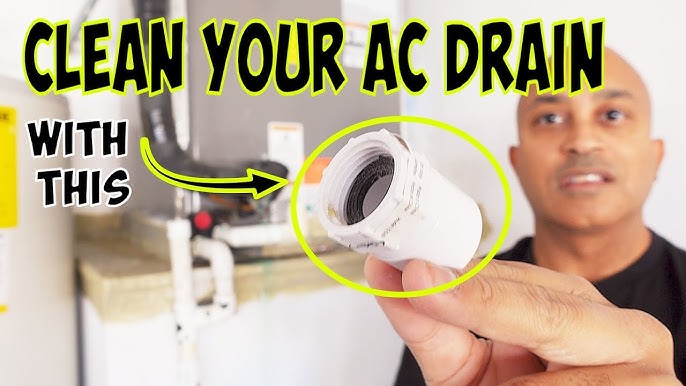
Most drain lines are made of white PVC pipe, about ¾ inch wide. You’ll usually find the main access point near your indoor air handler or furnace. There might be a removable cap or a T-shaped fitting.
Tip: The drain line typically runs from your inside unit to the outside of your home, where it ends near the foundation.
3. Inspect And Clean The Drain Pan
Check the drain pan under your air handler for standing water, dirt, or slime. Wipe it clean and dry with a towel. If water is present, this is a strong sign the line is blocked.
4. Prepare The Air Compressor
Set up your air compressor outside or in a well-ventilated area. Attach the air blow gun or nozzle. Set the pressure to 30-40 PSI—higher pressure can damage the pipes.
5. Seal The Connection
Place the nozzle firmly into the drain line’s access point. Use a rag, duct tape, or a rubber fitting to seal the area around the nozzle. This prevents air from escaping and helps push the blockage through.
6. Blow Out The Line
Hold the nozzle tightly. Give short bursts of air—about 2-3 seconds each. Listen for a “whoosh” sound or watch for debris and water exiting the outdoor end of the drain line.
Expert Insight: Many beginners make the mistake of using long, strong blasts. This can crack old PVC or push blockages deeper. Short, controlled bursts are safer and more effective.
7. Check For Blockage Removal
Go outside and look at the end of the drain line. Water, algae, or gunk may shoot out. If nothing comes out, repeat the process. Continue until the line runs clear and you hear air flowing freely.
8. Flush The Line (optional But Recommended)
Pour a cup of clean water into the drain pan or access point to ensure the line is clear. If it drains quickly, your work is done. Some experts also recommend pouring a cup of white vinegar through the line to kill any remaining algae or mold.
9. Clean Up And Restore Power
Remove all tools, wipe up any spills, and replace the drain line cap. Turn the AC system back on at the breaker and thermostat.
Safety Tips And Common Mistakes
Blowing out a drain line is not hard, but mistakes can cause damage or injury. Keep these tips in mind:
- Do not use excessive air pressure. Stay between 30-40 PSI to avoid pipe damage.
- Wear goggles. Debris can spray out unexpectedly.
- Don’t force the nozzle. Forcing a large nozzle into a small pipe can crack the line.
- Check for leaks. After cleaning, inspect the line for cracks or loose joints.
- Never use flammable cleaners in the drain line if you’re also using an air compressor.
How Often Should You Clean The Ac Drain Line?
For most homes, cleaning the drain line once or twice a year is enough. If you live in a humid area or notice frequent clogs, check every few months. A simple schedule can prevent most problems.
Here’s a quick look at how frequency compares to common AC issues:
| Cleaning Frequency | Risk of Clogs | Risk of Water Damage |
|---|---|---|
| Every 3 months | Very Low | Very Low |
| Every 6 months | Low | Low |
| Once a year | Medium | Medium |
| Rarely/Never | High | High |
Alternatives To Using An Air Compressor
While an air compressor is fast, there are other ways to clear a clogged AC drain line:
- Wet/dry vacuum: Attach to the outside end and suck the clog out.
- Flexible brush or snake: Insert into the line to break up debris.
- Chemical cleaners: Use with caution; some can damage PVC or harm your health.
Here’s a simple comparison of methods:
| Method | Speed | Effectiveness | Risk of Damage |
|---|---|---|---|
| Air Compressor | Fast | High | Low (if careful) |
| Wet/Dry Vacuum | Medium | Medium | Very Low |
| Brush/Snake | Medium | Medium | Medium |
| Chemical Cleaner | Slow | Low–Medium | High |
Non-obvious tip: Wet/dry vacuums are great for soft blockages, but may struggle with hard mineral build-up.

Credit: www.amazon.com
Signs Your Ac Drain Line Needs Cleaning
It’s not always obvious when the drain line is clogged. Watch for these warning signs:
- Water leaks around the indoor AC unit or on the floor nearby.
- Musty smell in your home, especially near the air handler.
- AC shuts off suddenly or doesn’t cool as well.
- Standing water in the drain pan.
If you notice any of these, check the drain line right away.
When To Call A Professional
Some clogs are stubborn or caused by problems deeper in the system. Call a licensed HVAC technician if:
- The line remains blocked after several attempts.
- You see mold growing around the unit.
- The drain pan rusts or cracks.
- There’s visible damage to the pipes.
Professionals have stronger tools and can check for other issues, like a broken condensate pump or poor drainage slope.
Credit: www.youtube.com
Maintenance Tips To Prevent Clogs
You can avoid most clogs by following these simple tips:
- Pour a cup of vinegar into the drain line every 2-3 months.
- Keep the area around your air handler clean and dust-free.
- Check the outdoor end of the line for dirt, leaves, or insects.
- Replace your AC filter regularly to reduce dust and debris.
- Schedule yearly professional maintenance for a full check-up.
Expert insight: Many homeowners forget to check the outdoor end. Sometimes, grass or mulch covers the pipe, trapping moisture and causing algae growth.
The Cost Of Ignoring A Clogged Ac Drain Line
Ignoring a blocked drain line can lead to expensive problems. Here’s what you might face:
- Ceiling and wall repairs from water leaks ($500–$2,000)
- Mold remediation if moisture spreads ($1,000–$4,000)
- Damaged AC components (repair costs vary)
- Higher energy bills due to poor cooling
Regular cleaning is a small investment that saves you money and stress.

Credit: www.amazon.com
Frequently Asked Questions
How Do I Know If My Ac Drain Line Is Clogged?
Common signs include water leaks near your indoor unit, a musty smell, your AC shutting off, or standing water in the drain pan. If you see any of these, check the line right away.
Can I Use A Regular Air Pump Instead Of An Air Compressor?
A regular hand pump or tire inflator usually does not provide enough pressure or airflow. An air compressor is much more effective for pushing out stubborn clogs.
Is It Safe To Pour Bleach Down My Ac Drain Line?
Bleach can kill algae, but it may also damage PVC pipes or rubber seals over time. White vinegar is a safer choice for most systems.
How Much Psi Should I Use To Blow Out The Ac Drain Line?
Stick to 30-40 PSI. Higher pressure can crack pipes or fittings, especially in older systems.
Where Can I Learn More About Ac Maintenance?
For more detailed information, check reliable sources like the U.S. Department of Energy. They offer great tips for homeowners.
Taking care of your AC drain line is simple but important. With the right tools and a careful approach, you can keep your system running smoothly, avoid costly damage, and enjoy cool, dry air all summer long.