
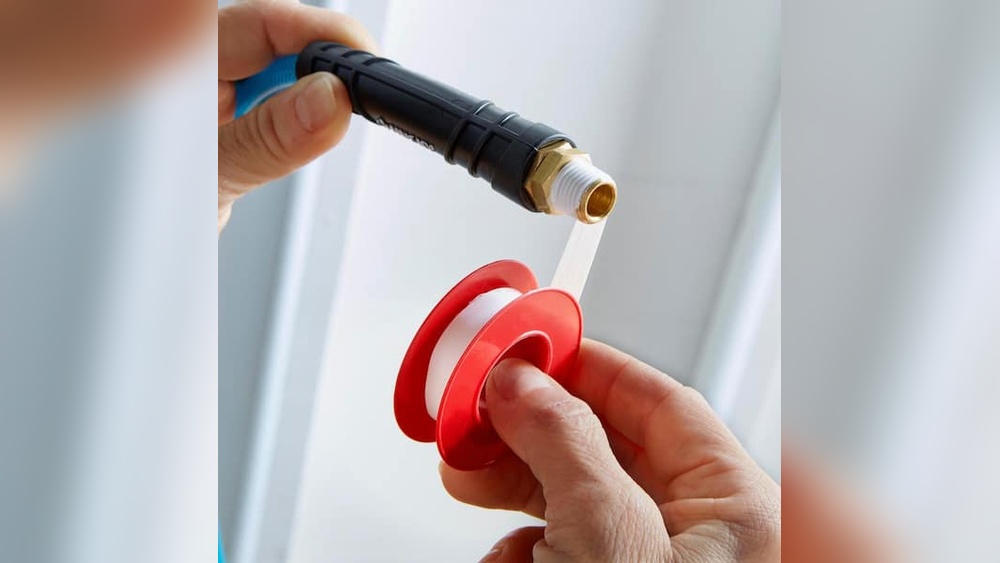
Are you wondering if you really need Teflon tape for your air compressor fittings? If you’ve ever faced leaks or struggled with tight connections, this question is probably on your mind.
Using the right materials can save you time, money, and frustration. You’ll discover when and why Teflon tape matters, and how it can make your air compressor setup stronger and leak-free. Keep reading to learn the simple trick that can protect your equipment and boost its performance.
Purpose Of Teflon Tape
Teflon tape plays a key role in air compressor fittings. It helps create a tight and secure connection. Without it, air leaks may occur. This tape is easy to use and very effective. Understanding its purpose helps to decide if you need it.
Sealing Threads
Teflon tape wraps around the threads of fittings. It fills in tiny gaps between the threads. This prevents air or gas from escaping. The tape acts as a barrier and makes threads fit better. It stops metal parts from rubbing and damaging each other.
Preventing Leaks
Leaks cause loss of pressure and reduce efficiency. Teflon tape blocks these leaks by sealing joints tightly. It keeps connections airtight under high pressure. Using tape reduces noise from escaping air. It also protects fittings from rust and corrosion.
Credit: www.reddit.com
Types Of Air Compressor Fittings
Air compressor fittings connect hoses and tools to the compressor. They must fit well to avoid air leaks. Different types of fittings serve different purposes. Knowing these types helps choose the right one for your setup.
Fittings come in many shapes and sizes. Each type has unique features and uses. Understanding these helps with proper installation and maintenance.
Threaded Fittings
Threaded fittings use screw threads to join parts. They create a tight seal when properly installed. Teflon tape often wraps around threads to prevent leaks. Common thread types include NPT (National Pipe Thread) and BSP (British Standard Pipe). These fittings are strong and reliable for high pressure.
Installation requires care to avoid cross-threading. Threaded fittings are common in permanent setups. They need tools like wrenches for tight connections.
Quick-connect Fittings
Quick-connect fittings allow fast, tool-free connections. They snap together easily, saving time. These fittings work well for frequently changed tools. They use a collar or button to lock hoses in place.
Quick-connect fittings may not seal as tightly as threaded ones. They suit light to medium pressure tasks. Ideal for workshops where speed matters. Regular inspection ensures no air leaks develop.
When To Use Teflon Tape
Teflon tape plays a key role in sealing air compressor fittings. It helps create a tight, leak-free connection. Knowing when to use it ensures your system works well and lasts longer.
Metal Threaded Connections
Teflon tape works best on metal threaded parts. It fills tiny gaps between threads. This stops air from escaping. Plastic threads do not need tape because they seal differently. Use tape only on metal to avoid damage.
Avoiding Air Leaks
Air leaks reduce compressor power and waste energy. Wrapping Teflon tape around threads prevents leaks. Make sure to wrap tape evenly and in one direction. This helps threads tighten properly. A good seal keeps your system running smoothly.
Alternatives To Teflon Tape
Teflon tape is common for sealing air compressor fittings. Yet, some prefer other options. These alternatives also prevent leaks and keep connections tight. They work well for different needs and preferences.
Pipe Dope
Pipe dope is a thick paste used on threads. It fills gaps and seals joints tightly. It works well on metal pipes and fittings. It can handle high pressure without breaking down. Pipe dope also lubricates threads for easier tightening. It stays flexible and resists cracking over time.
Thread Sealant Paste
Thread sealant paste is another option for sealing threads. It spreads easily and fills small spaces. This paste hardens after application, creating a solid seal. It prevents air leaks and resists vibration loosening. The paste is good for various pipe materials. It cleans up easily with a cloth or solvent.
How To Apply Teflon Tape Correctly
Applying Teflon tape correctly is key for air compressor fittings. It helps create a tight seal and stops leaks. The process is simple but needs care. Using the right tape and wrapping it properly makes a big difference. Avoiding common mistakes keeps your fittings safe and strong.
Choosing The Right Tape
Use Teflon tape made for plumbing or air tools. It should be thick and strong. White tape is common, but yellow tape works better for gas. For air compressors, standard white tape usually works well. Check the tape width to fit your fittings. Thin tape may tear easily. Thicker tape seals better but wraps harder.
Wrapping Technique
Start at the end of the pipe thread. Hold the tape tight and wrap clockwise. Wrap around the threads 3 to 5 times. Cover all threads but do not overlap too much. Keep the tape smooth and flat. Avoid wrinkles or gaps. Tear the tape and press it firmly onto the threads. This helps the tape stay in place while screwing the fitting.
Common Mistakes
Do not wrap tape in the wrong direction. Wrapping counterclockwise can cause tape to bunch up. Avoid using too much tape. Too many layers make fittings hard to tighten. Do not let tape cover the pipe opening. Pieces of tape inside can block airflow. Never reuse old tape. It loses stickiness and sealing power.

Credit: jacosuperiorproducts.com
Risks Of Not Using Teflon Tape
Not using Teflon tape on air compressor fittings can cause serious problems. The tape helps seal connections and prevent issues. Skipping it may lead to leaks and damage. These risks affect the performance and lifespan of your air compressor. Understanding the dangers highlights why Teflon tape is important.
Air Leakage
Air leaks reduce the compressor’s power. Leaks waste energy and increase costs. The compressor runs longer to keep pressure. This leads to higher electricity bills. Leaking air also causes noise and vibration. It can make your workspace uncomfortable and unsafe. Using Teflon tape stops air from escaping. It creates a tight seal on fittings.
Damage To Threads
Without Teflon tape, threads may wear quickly. Metal parts rub against each other and cause damage. Damaged threads make fittings loose and unstable. Loose fittings can fall off or leak air. Repairing or replacing damaged parts costs time and money. Teflon tape protects threads by reducing friction. It helps keep fittings tight and secure.
Maintenance Tips For Air Compressor Fittings
Maintaining air compressor fittings is key to keeping your system safe and efficient. Proper care helps avoid leaks and damage. Simple steps can extend the life of your fittings and improve performance.
Regular Inspection
Check your air compressor fittings often. Look for signs of wear, cracks, or leaks. Tighten loose fittings to prevent air loss. Clean dirt and dust from fittings to keep them working well. Early checks stop small problems from growing.
Replacing Worn Components
Replace fittings that show damage or wear. Old parts can cause leaks and reduce pressure. Use the right size and type for your system. Changing parts on time keeps your compressor safe and reliable. Keep spare parts handy for quick fixes.

Credit: www.youtube.com
Frequently Asked Questions
Do Air Compressor Fittings Need Teflon Tape?
Yes, Teflon tape helps seal air compressor fittings. It prevents air leaks and ensures a tight, secure connection.
Can I Use Teflon Tape On All Fittings?
Teflon tape works best on threaded fittings. Avoid using it on compression fittings where sealing rings are used.
How Much Teflon Tape Should I Apply?
Wrap the tape 2-3 times around the threads. Overuse can cause fitting issues or block air flow.
Does Teflon Tape Improve Air Compressor Efficiency?
Yes, sealing fittings with Teflon tape stops leaks. This maintains optimal pressure and improves compressor efficiency.
Conclusion
Teflon tape helps create a tight seal on air compressor fittings. It prevents leaks and keeps air pressure steady. Using tape is simple and saves time during installation. Not all fittings need tape, but it works well for threaded ones.
Always wrap the tape in the right direction for best results. Small steps like this improve your compressor’s performance and safety. Choose Teflon tape to keep your air tools running smoothly. Easy, quick, and effective—why not give it a try?