
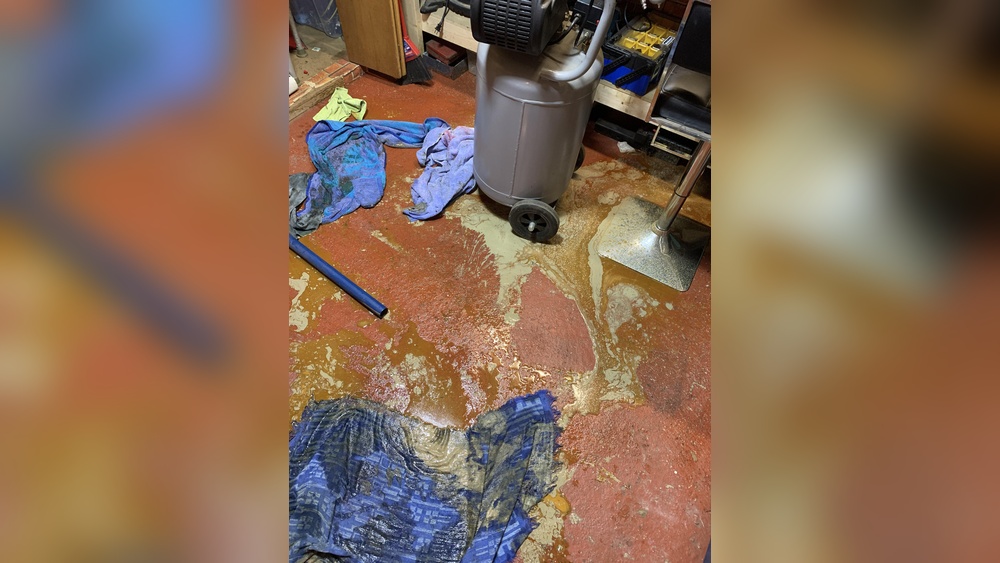
Your air compressor tank works hard, but when was the last time you gave it a proper clean? Ignoring this simple task can lead to rust, reduced efficiency, and even costly repairs.
Cleaning your air compressor tank might sound tricky, but with the right steps, you can do it quickly and safely. You’ll discover easy ways to keep your tank in top shape, save money, and extend the life of your equipment.
Ready to protect your investment? Let’s dive into how to clean your air compressor tank the right way.
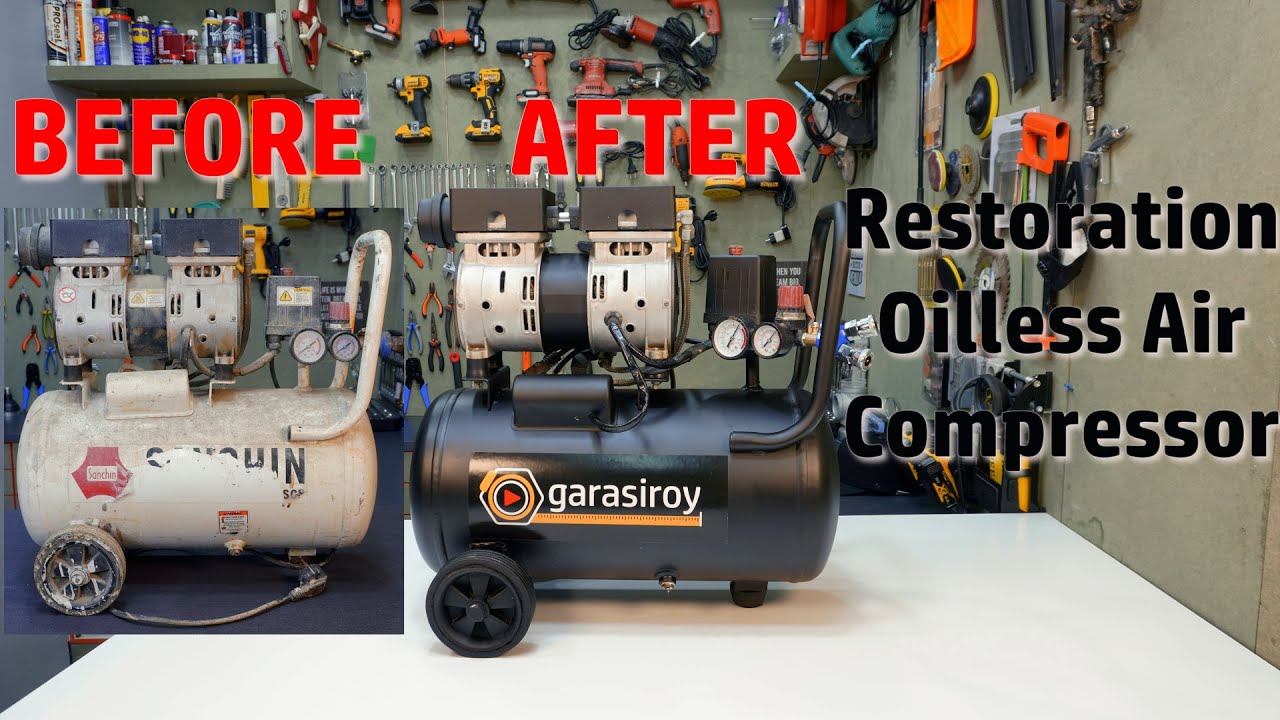
Credit: www.youtube.com
Why Clean Your Air Compressor Tank
Cleaning your air compressor tank is a key step in keeping your tool in good shape. Dirt, rust, and moisture build up inside the tank over time. These can cause problems that affect the tank’s performance and lifespan. Knowing why you should clean your air compressor tank helps you keep it working well and safely.
Impact Of Rust And Moisture
Rust forms when moisture stays inside the tank. It can eat away the metal, causing holes or leaks. Moisture can also mix with the air, harming air tools. Rust and water reduce the tank’s strength and safety. This can lead to costly repairs or even accidents.
Benefits Of Regular Maintenance
Cleaning the tank regularly stops rust and moisture build-up. It keeps the tank strong and extends its life. A clean tank works better and uses less energy. Regular maintenance also keeps the air clean and dry. This protects your tools and improves their performance.
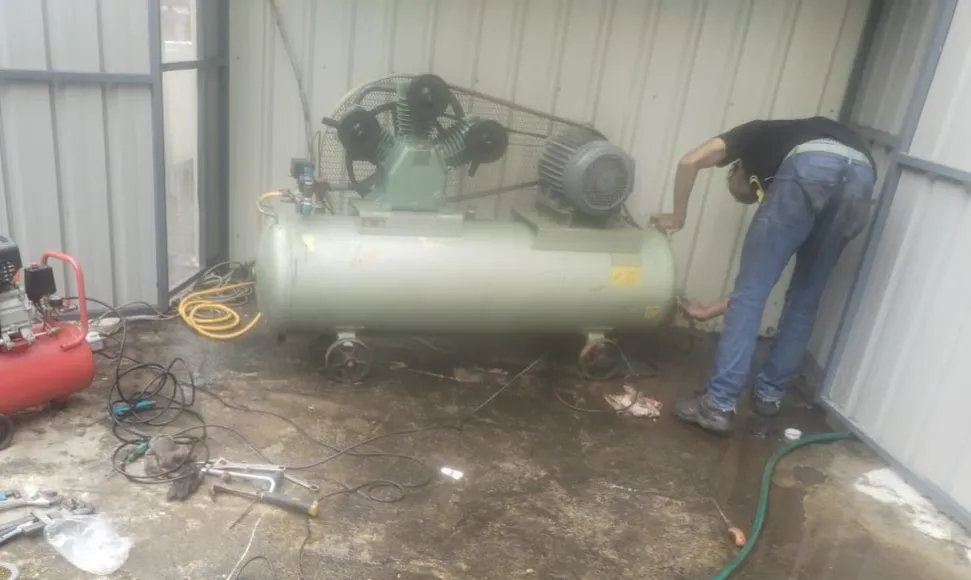
Credit: www.ltlwineng.com.my
Tools And Materials Needed
Cleaning an air compressor tank requires the right tools and materials. Having everything prepared makes the job easier and safer. Gather all items before starting. This helps avoid interruptions and keeps the process smooth.
Essential Cleaning Supplies
Start with basic cleaning tools. A wire brush helps remove rust and dirt inside the tank. Use a clean cloth to wipe surfaces. A bucket with warm, soapy water cleans grime effectively. Consider using a rust remover for tough spots. Drain valves and plugs might need replacement parts. Have a wrench set ready to open the tank and remove fittings. A vacuum cleaner can remove dust and debris from tight spaces. Use compressed air to blow out hard-to-reach dirt.
Safety Gear To Use
Protect yourself during the cleaning process. Wear safety goggles to shield your eyes from dust and chemicals. Use gloves to keep your hands safe from sharp edges and cleaning agents. A dust mask prevents inhaling harmful particles. Wear long sleeves and pants to protect your skin. Ensure the workspace is well-ventilated to avoid breathing in fumes. Proper safety gear reduces accidents and health risks.
Step-by-step Cleaning Process
Cleaning your air compressor tank is important to keep it working well. Dirt, rust, and moisture can build up inside the tank. This can cause damage or reduce the tank’s life. Follow these simple steps to clean the tank safely and effectively.
Draining The Tank
Start by turning off the air compressor. Then, open the drain valve at the bottom of the tank. Let all the air and water drain out completely. This removes moisture and prevents rust inside the tank.
Removing Rust And Debris
Use a wire brush or sandpaper to clean the inside walls. Scrape off any rust or dirt stuck inside the tank. Be gentle to avoid damaging the tank surface. Removing rust stops it from spreading further.
Flushing The Tank
Fill the tank with clean water after removing rust. Shake the tank carefully to loosen hidden dirt. Drain the water and repeat if needed. Flushing helps remove small particles and leftover debris.
Drying And Inspecting
Dry the tank completely by leaving it open in a dry place. Use a clean cloth to wipe the inside if possible. Check the tank for cracks or damage. Dry and inspect the tank before using it again.
Tips For Maintaining Tank Cleanliness
Keeping your air compressor tank clean is key to its performance and lifespan. Dirt and moisture can cause damage inside the tank. Regular care helps avoid rust and other problems. Follow simple tips to maintain tank cleanliness easily.
Regular Drain Schedule
Drain the tank daily or after each use. Moisture collects inside and leads to rust. Use the drain valve at the tank’s bottom. Let all water and oil drain out completely. This keeps the inside dry and safe.
Using Moisture Traps
Install moisture traps or filters in the air line. They catch water before it enters the tank. This reduces the amount of moisture inside. Clean or replace traps regularly to keep them working well. It prevents rust and keeps air clean.
Storage Best Practices
Store the compressor in a dry, cool place. Avoid damp or humid areas that speed rusting. Cover the tank to keep dust and dirt out. Check the tank often for signs of moisture. Proper storage stops damage and keeps your tank safe.
Troubleshooting Common Issues
Troubleshooting common issues with your air compressor tank helps keep it working well. Problems like rust and poor air quality can reduce its performance. Fixing these issues early saves time and money. Here are simple tips to solve these common problems.
Dealing With Persistent Rust
Rust forms inside the tank due to moisture buildup. It weakens the tank and causes leaks. Remove rust by draining the tank fully. Use a wire brush to scrub the inside walls. Apply a rust remover safe for metal surfaces. Let the tank dry completely before use.
Prevent rust by draining water after every use. Store the compressor in a dry place. Use a tank protector or rust inhibitor for extra defense.
Handling Air Quality Problems
Poor air quality affects tool performance and causes damage. Dirty filters and moisture cause these issues. Check and replace air filters regularly. Drain moisture from the tank and air lines often. Use an air dryer or filter system for cleaner air.
Inspect hoses and fittings for leaks or cracks. Tighten or replace damaged parts immediately. Clean air passages to avoid blockages and maintain smooth airflow.

Credit: www.youtube.com
Frequently Asked Questions
How Often Should I Clean My Air Compressor Tank?
Clean your air compressor tank every 3 to 6 months. Frequent cleaning prevents rust and moisture buildup, ensuring efficient operation. Check the tank regularly if you use it daily or in humid conditions.
What Tools Do I Need To Clean An Air Compressor Tank?
You need a wrench, screwdriver, cleaning cloth, and a drain valve tool. These tools help open the tank, remove moisture, and clean debris safely and effectively.
Can I Use Vinegar To Clean The Air Compressor Tank?
Yes, vinegar is effective for removing rust and mineral deposits. Use a diluted vinegar solution, rinse thoroughly, and dry the tank to prevent damage and corrosion.
Why Is It Important To Drain Moisture From The Tank?
Moisture causes rust and reduces tank lifespan. Draining prevents corrosion, improves air quality, and maintains compressor efficiency, ensuring safe and reliable tool performance.
Conclusion
Cleaning your air compressor tank keeps it working well and safe. Drain water and dirt often to stop rust and damage. Use the right tools and follow steps carefully. Regular care helps your compressor last longer and work better. Remember, a clean tank means better air quality and stronger performance.
Keep your compressor tank clean, and it will serve you well. Simple steps make a big difference. Take time to clean and check your tank regularly. Your tools depend on it.