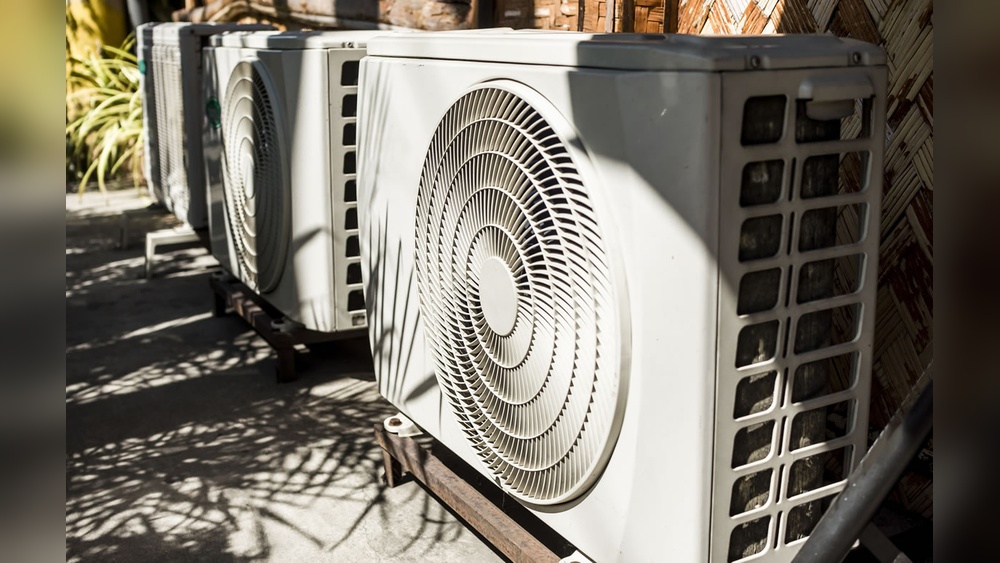
Have you ever wondered what makes your air conditioner cool the room so quickly? The answer lies in a small but powerful part called the air con compressor.
This little device works hard behind the scenes to keep your space comfortable, especially during hot days. If you want to understand how your air conditioner really works and why the compressor is so important, keep reading. By the end, you’ll know exactly what an air con compressor is and why it matters for your comfort and your wallet.

Credit: www.youtube.com
Air Con Compressor Basics
The air con compressor is a key part of any air conditioning system. It helps cool the air inside homes, cars, and offices. Understanding the basics of this device makes it easier to know how air conditioners work. This section explains what an air con compressor does and the types you might find.
Role In Air Conditioning Systems
The compressor pumps refrigerant gas through the system. It raises the gas pressure and temperature. This process allows the refrigerant to move and absorb heat from inside spaces. The compressor acts like the heart of the air conditioner. Without it, the system would not cool the air effectively.
Types Of Compressors
Several types of compressors exist for air conditioning systems. The most common are reciprocating, rotary, scroll, and centrifugal compressors. Reciprocating compressors use pistons to compress gas. Rotary compressors spin to compress the refrigerant. Scroll compressors have two spiral parts that move gas. Centrifugal compressors use a spinning wheel to push the gas outward. Each type suits different cooling needs and systems.
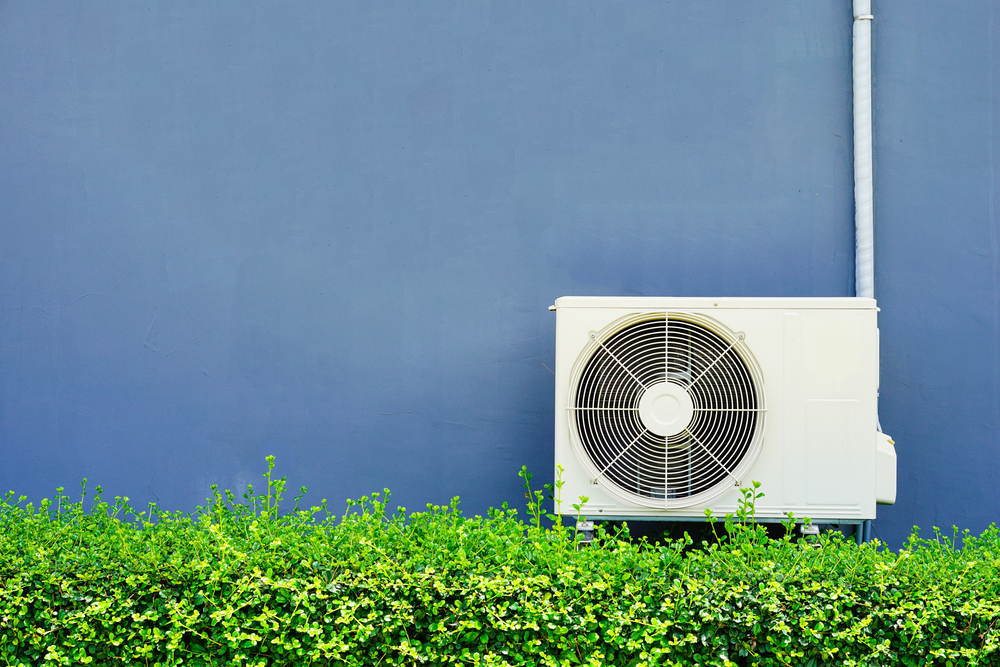
Credit: www.hhaircon.com.au
How Air Con Compressors Work
The air conditioning compressor plays a key role in cooling your space. It moves the refrigerant through the system. This process helps remove heat from the air inside your home or car. Understanding how it works gives you a clearer picture of your air con system’s efficiency.
Compression Process
The compressor squeezes the refrigerant gas. This increases the pressure and temperature of the gas. The high-pressure gas then moves to the condenser coil. This step is crucial to prepare the refrigerant for heat release.
Refrigerant Cycle
The refrigerant flows in a closed loop through the air con system. After compression, it releases heat in the condenser. Then, it cools and turns into a liquid. The liquid refrigerant absorbs heat inside your space, turning back into gas. This cycle keeps repeating to keep the air cool.
Energy Consumption
The compressor uses electricity to work. Its energy use depends on the system size and efficiency. A well-maintained compressor uses less power. This helps lower your electricity bills. It also reduces wear and tear on the air con system.
Key Components Of Air Con Compressors
The air con compressor plays a crucial role in the air conditioning system. It compresses the refrigerant gas and moves it through the system. Understanding its key parts helps to see how it works efficiently. These components work together to cool the air inside a building or vehicle.
Motor And Drive Mechanism
The motor powers the compressor. It provides the energy to compress the refrigerant gas. The drive mechanism transfers this power from the motor to the compressor parts. This setup allows the compressor to run smoothly and reliably. Without a strong motor and drive, the compressor cannot function well.
Valves And Pistons
Valves control the flow of refrigerant gas inside the compressor. They open and close to let the gas enter and leave the compressor chamber. Pistons compress the gas by moving up and down inside cylinders. This compression raises the pressure and temperature of the refrigerant. Proper valve and piston action is essential for efficient cooling.
Cooling Systems
Cooling systems keep the compressor from overheating. They use air or liquid to remove heat generated during compression. This helps maintain the compressor’s performance and extends its lifespan. Without cooling, the compressor could get damaged or stop working.
Benefits Of Efficient Compressors
Efficient air con compressors offer many benefits that improve your cooling system. They use less power, work better, and last longer. Choosing the right compressor helps save money and keeps your home comfortable.
Energy Savings
Efficient compressors reduce electricity use significantly. They need less power to cool your space. This lowers your energy bills every month. Saving energy also helps the environment by cutting emissions.
Improved Cooling Performance
Good compressors keep your air conditioner running smoothly. They maintain steady pressure for better cooling. This means your home stays cool even on hot days. The system works quietly and avoids frequent stops.
Longer System Lifespan
Efficient compressors reduce strain on your air conditioner. They prevent overheating and wear over time. This leads to fewer breakdowns and repairs. Your cooling system stays reliable for many years.
Common Issues And Maintenance Tips
The air con compressor is a key part of your vehicle’s cooling system. It works hard to keep the air inside your car cool and fresh. Like any machine, it can face problems and needs care to work well. Knowing the common issues and how to maintain the compressor helps you avoid big repairs and stay comfortable.
Signs Of Compressor Failure
Listen for strange noises like grinding or squealing from the compressor. This could mean worn-out parts inside. Notice if the air conditioner blows warm air instead of cool. This often points to compressor trouble. Watch for leaking fluid near the compressor area. Leaks can cause low pressure and reduce cooling. If the compressor clutches won’t engage, the system will fail to cool the air properly.
Routine Maintenance Practices
Check the air filter and replace it regularly to keep airflow clear. Clean the condenser coils to remove dirt and debris. Use the air conditioner system often, even in winter, to keep the compressor lubricated. Inspect belts for cracks or wear and replace them if needed. Schedule regular checkups with a mechanic to catch small issues early.
When To Replace Your Compressor
Replace the compressor if it makes loud, unusual noises that do not stop. If the air conditioner blows warm air after repairs, replacement might be needed. Severe leaks or broken clutch parts often mean a new compressor is necessary. When repair costs are very high, replacement can save money in the long run. Always consult a professional before deciding to replace the compressor.
Choosing The Right Air Con Compressor
Choosing the right air con compressor is key to a cool and efficient system. The compressor works like the heart of the air conditioner, pushing refrigerant and helping cool the air. Picking the right one saves money and avoids repairs.
Sizing And Capacity
Size matters for air con compressors. A too small compressor will struggle to cool the space. A too large one wastes energy and costs more. Check the room size and cooling needs before choosing.
Compatibility With Systems
Not all compressors fit every air conditioner. Look at the type and brand of your system. Make sure the compressor matches the refrigerant type and electrical requirements. Using the wrong compressor can damage the system.
Cost Considerations
Price is important but don’t just pick the cheapest option. Low-cost compressors may fail early or use more energy. Balance price with quality and efficiency. Think about long-term savings on power bills and repairs.

Credit: www.moncriefair.com
Frequently Asked Questions
What Is An Air Con Compressor Used For?
An air con compressor compresses refrigerant gas, enabling heat transfer. It circulates refrigerant through the system, cooling indoor air efficiently.
How Does An Air Con Compressor Work?
It compresses low-pressure refrigerant gas into high-pressure gas. This process raises temperature and pressure, allowing heat to be released outside.
What Are Common Signs Of A Faulty Air Con Compressor?
Signs include weak cooling, strange noises, and frequent cycling. Leaks or compressor failure can cause inefficient air conditioning performance.
How Long Does An Air Con Compressor Last?
Typically, an air con compressor lasts 8 to 15 years. Proper maintenance can extend its lifespan and ensure optimal performance.
Conclusion
An air con compressor plays a key role in cooling systems. It moves refrigerant and helps cool the air inside your home or car. Without it, air conditioners cannot work properly. Knowing how it works can save time and money.
Proper care keeps it running smoothly and lasts longer. Understanding this part helps you make smart choices about repairs. Keep your air conditioner healthy for a comfortable space all year. Simple steps can protect your comfort and save energy too.