Nail guns have changed the way people work with wood, furniture, and construction projects. These powerful tools make tasks faster and more accurate than using a hammer. But if you are new to nail guns, you may wonder: Do all nail guns need an air compressor? The answer is not as simple as yes or no. Nail guns come in different types, and their power sources vary. Understanding these differences helps you choose the right tool and avoid expensive mistakes.
This article breaks down the types of nail guns, explains when an air compressor is necessary, and gives real-world tips for DIYers and professionals. Let’s clear up the confusion around air compressors and nail guns, so you can work smarter and safer.
Types Of Nail Guns
Before understanding power requirements, it’s important to know there are several nail gun types, each with its own power source. Here are the main categories:
- Pneumatic nail guns
- Cordless (battery-powered) nail guns
- Gas-powered nail guns
- Electric nail guns
Each type has unique features, advantages, and limitations. Let’s explore them in detail.
Pneumatic Nail Guns
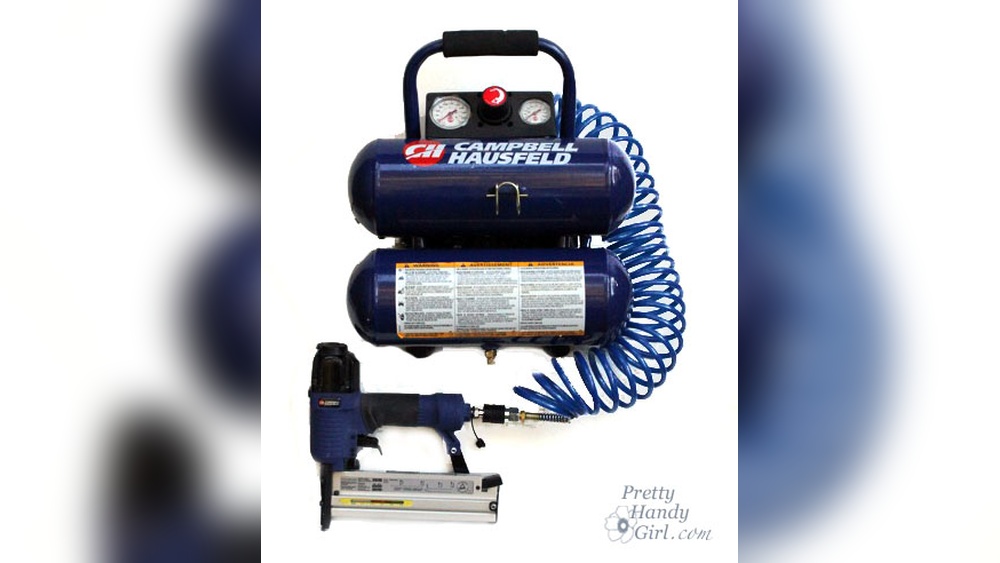
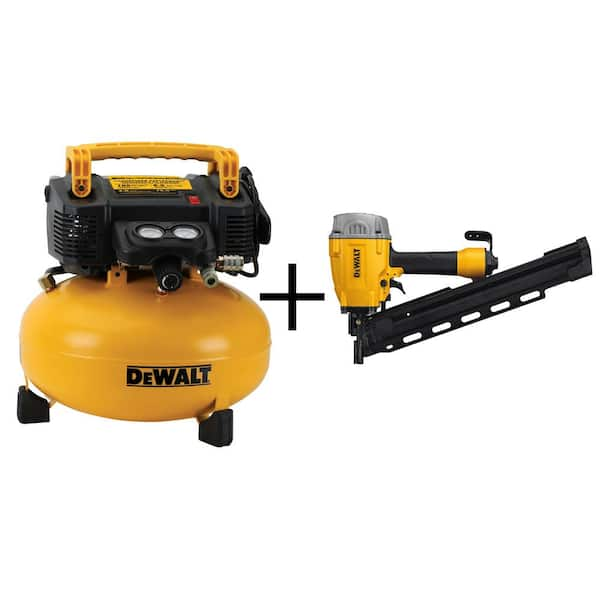
Pneumatic nail guns are the most common type found on construction sites and among professional carpenters. These tools use compressed air to drive nails into wood, plastic, or even concrete.
- How they work: You connect the nail gun to an air compressor using a hose. When you pull the trigger, a blast of compressed air pushes the nail out at high speed.
- Why professionals love them: They are powerful, reliable, and can fire nails rapidly. Many framing, roofing, and finishing jobs rely on pneumatic models.
Cordless (battery-powered) Nail Guns
Cordless nail guns are powered by rechargeable batteries, usually lithium-ion. This design removes the need for cords, hoses, or compressors.
- How they work: The battery powers an electric motor or a small flywheel that drives the nail.
- Who uses them: DIYers, handymen, and even pros like them for quick jobs, repairs, and places where setting up a compressor is difficult.
Gas-powered Nail Guns
These tools combine a battery with a small fuel cell (usually butane or propane). They are sometimes called combustion nailers.
- How they work: When you pull the trigger, a tiny amount of gas mixes with air and ignites, creating a small explosion that drives the nail.
- Why choose them: Gas-powered nailers are popular for framing and roofing where portability is important but more power is needed than most battery models can provide.
Electric Nail Guns
Electric nail guns plug into a standard wall outlet. They use an electric motor to push nails.
- How they work: Electricity powers a solenoid or motor that moves the firing pin.
- Best for: Small home projects, crafts, or upholstery. They are less common for big construction work because they are not as powerful as pneumatic or gas models.
Do All Nail Guns Need An Air Compressor?
The short answer is no—not all nail guns need an air compressor. Only pneumatic nail guns require compressed air to function. Other types use batteries, gas, or direct electric power.
Which Types Require An Air Compressor?
Only pneumatic nail guns need to be attached to an air compressor. This is because they rely on compressed air to fire nails. If you buy a pneumatic model, you must also have:
- A compatible air compressor
- An air hose
- Regular maintenance for both tools
Which Nail Guns Do Not Need An Air Compressor?
Battery-powered, gas-powered, and electric nail guns do not need an air compressor. They are “standalone” tools, which can work anywhere, as long as the battery is charged or the fuel cell is full.
Here’s a simple comparison:
| Nail Gun Type | Needs Air Compressor? | Main Power Source |
|---|---|---|
| Pneumatic | Yes | Compressed air |
| Cordless (Battery) | No | Battery |
| Gas-Powered | No | Gas fuel cell + battery |
| Electric | No | Electricity (corded) |
Advantages And Disadvantages Of Each Nail Gun Type
Choosing the right nail gun means understanding the trade-offs between power, convenience, and cost.
Pneumatic Nail Guns
Pros:
- Strong power, suitable for heavy-duty tasks
- Cheaper to buy (the tool itself)
- Long lifespan with proper care
Cons:
- Needs a separate air compressor (extra cost)
- Hoses can tangle or limit movement
- Compressor noise can be annoying
Cordless (battery-powered) Nail Guns
Pros:
- No hoses or compressors needed
- Portable and easy to use anywhere
- Quick setup
Cons:
- Battery life limits continuous work
- Less powerful than pneumatic for some tasks
- Higher upfront cost
Gas-powered Nail Guns
Pros:
- Portable, no cords or hoses
- More powerful than most battery models
- Good for big framing jobs outdoors
Cons:
- Need to buy fuel cells regularly
- Heavier than other types
- Needs battery and gas for each use
Electric Nail Guns
Pros:
- Simple to operate (just plug in)
- Good for small jobs or crafts
- No fuel or compressor needed
Cons:
- Less powerful—can’t handle thick wood or tough jobs
- Limited by the length of the power cord
- Not suitable for outdoor work far from outlets
Which Nail Gun Is Right For You?
The best nail gun for your needs depends on the type of work you do, your budget, and your work environment.
For Homeowners And Diyers
If you do small repairs or build furniture sometimes, a cordless battery nail gun or a simple electric nail gun is usually enough. They are easy to use, safe, and don’t require extra equipment.
For Professionals
Contractors, framers, and roofers often choose pneumatic nail guns because they are powerful and reliable for long hours of work. If you work on different job sites, a gas-powered nail gun offers more portability.
For Hobbyists And Crafters
For lightweight tasks like making picture frames or upholstery, a small electric nail gun is often the best option. It’s affordable and simple for people who don’t need heavy power.
Credit: www.reddit.com
How To Choose An Air Compressor For A Nail Gun
If you decide a pneumatic nail gun fits your needs, you’ll need an air compressor. Here’s what matters when choosing one:
Key Factors
- Air pressure (PSI): Most nail guns need 70–120 PSI. Make sure the compressor matches or exceeds your nail gun’s requirements.
- Air volume (CFM): Look for the required cubic feet per minute (CFM) rating. If your compressor is too small, the gun will not work right.
- Tank size: A larger tank (4–6 gallons) is better for long jobs or multiple nailers.
- Portability: If you move around a lot, pick a smaller, lighter compressor.
Common Mistakes
- Buying a compressor that’s too small: The nail gun may misfire or jam.
- Ignoring CFM: PSI alone is not enough; always check both ratings.
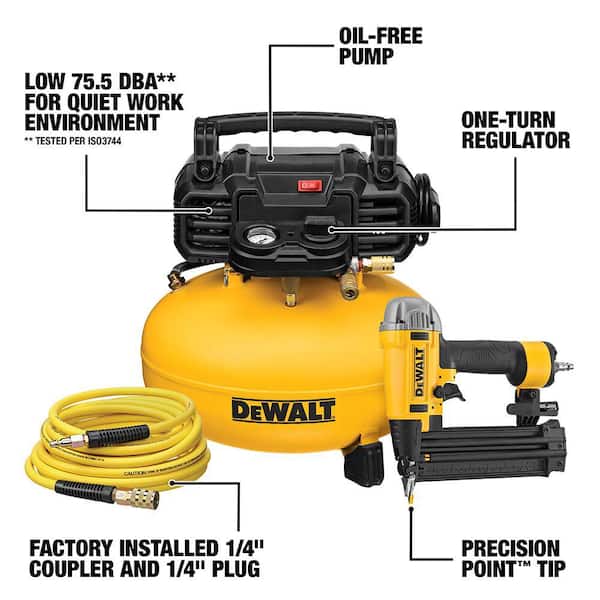
- Forgetting about noise: Some compressors are loud; check decibel ratings if you work indoors.
Here’s a comparison of common air compressor sizes for nail guns:
| Compressor Size (Gallons) | Best For | Notes |
|---|---|---|
| 1–2 gallons | Finish nailers, brad nailers, small jobs | Very portable, but short runtime |
| 4–6 gallons | Framing nailers, roofing nailers | Good balance of power and size |
| 8+ gallons | Multiple nailers, heavy use | Heavy, best for workshops |
Real-world Examples
Framing A House
A contractor building a house needs to drive thousands of nails quickly and reliably. A pneumatic framing nailer with a 6-gallon compressor is the standard choice. The compressor stays on the ground, and hoses reach the work area. This setup can run all day, but it’s not as mobile.
Furniture Repair At Home
A homeowner fixing a chair might use a battery-powered brad nailer. No compressor or hose means less setup time. The job is done in a few minutes, and there’s no need to store bulky equipment.
Outdoor Deck Building
For building a deck in a backyard, a gas-powered nail gun is handy. The worker does not need to run an extension cord or drag a compressor across the yard. This saves time and effort, especially where electricity is not easily available.
Credit: www.homedepot.com
Non-obvious Insights
- Trigger sensitivity matters: Pneumatic nail guns often have very sensitive triggers because of the instant air pressure. Beginners may find it easier to control battery or electric models at first.
- Climate affects fuel cells: Gas-powered nail guns can struggle in very cold weather. The gas may not vaporize well, leading to weak firing or jams. Plan ahead if you work outdoors in winter.
Safety And Maintenance
No matter which nail gun you choose, always follow safety steps:
- Wear safety glasses and hearing protection.
- Keep fingers away from the firing tip.
- Disconnect power (battery, air, or gas) before clearing jams or loading nails.
- Read your tool’s manual carefully.
For pneumatic models, drain the compressor tank after use to prevent rust. For battery and gas models, charge batteries and store fuel safely.
Credit: www.homedepot.com
Cost Comparison
Here’s a rough idea of what each nail gun type might cost (not including nails or fasteners):
| Nail Gun Type | Typical Price Range (USD) | Additional Equipment Needed |
|---|---|---|
| Pneumatic | $60 – $300 | Air compressor ($80–$300), air hose |
| Cordless (Battery) | $150 – $400 | Extra batteries/charger |
| Gas-Powered | $200 – $450 | Fuel cells, battery/charger |
| Electric | $30 – $120 | Extension cord (optional) |
Remember, prices can change depending on the brand and features. Always check reviews and buy from trusted sellers.
When To Avoid Pneumatic Nail Guns
While pneumatic nail guns are powerful, they are not always the best choice. You might want to avoid them if:
- You have limited space for storing a compressor and hoses.
- You only do small, quick jobs.
- You need to work far from power sources or indoors where noise is a concern.
In these cases, cordless, gas, or electric models are often better.
Frequently Asked Questions
What Is The Main Advantage Of Pneumatic Nail Guns?
Pneumatic nail guns are known for their high power and speed. They are ideal for big construction jobs where you need to drive thousands of nails quickly. They also last a long time with proper care.
Can I Use A Small Pancake Compressor With A Framing Nailer?
Yes, you can use a small pancake compressor (4–6 gallons) with a framing nailer, as long as it meets the PSI and CFM requirements. For big jobs, a larger tank may save time because the compressor runs less often.
Are Battery-powered Nail Guns Safe For Beginners?
Battery-powered nail guns are usually safer and easier for beginners. They have less kickback, and you don’t need to manage hoses or loud compressors. Still, always follow safety instructions.
Do Gas-powered Nail Guns Work In Cold Weather?
Gas-powered nail guns can have problems in cold weather (below 32°F or 0°C). The fuel may not vaporize well, causing misfires. Check your manual for tips, or use battery or pneumatic models in winter.
Where Can I Learn More About Nail Gun Safety?
You can find more information about nail gun safety at the official OSHA Nail Gun Safety website.
Nail guns can make your work faster and easier, but you need to pick the right type for your needs. Now you know—not all nail guns need an air compressor. Choose wisely, stay safe, and enjoy efficient, high-quality results for your next project.