Air compressors and air tanks are two common tools you’ll find in workshops, garages, and construction sites. Many people think they do the same job, but they actually have different roles. If you’re new to using compressed air or planning to buy equipment, understanding the differences between an air compressor and an air tank is important. This guide will explain how each works, where they are used, and how to choose the right one for your needs.
What Is An Air Compressor?
An air compressor is a machine that takes in air from the surroundings and increases its pressure. It uses an electric motor, gasoline engine, or diesel engine to power a pump. The pump squeezes air into a storage tank until it reaches a set pressure. When you use a tool, the compressed air comes out quickly and with force.
Air compressors come in many sizes, from small portable models you can carry, to big industrial ones that stay in one place. The main job of an air compressor is to provide a steady supply of pressurized air for tools like nail guns, impact wrenches, spray guns, and even for inflating tires.
Common Types Of Air Compressors
- Reciprocating (Piston) Compressors: Most common for small workshops. They use a piston and cylinder.
- Rotary Screw Compressors: Used in factories and large businesses. They are more efficient and can run all day.
- Centrifugal Compressors: Found in big industrial plants. They move a lot of air at high pressure.
Key Features
- Power Source: Electric, gasoline, or diesel
- Pressure (PSI): How strong the air is
- Airflow (CFM): How much air it gives per minute
- Tank Size: How much air it can store (some small models have no tank)
What Is An Air Tank?
An air tank is just a storage container for compressed air. It does not create pressure by itself. Instead, you fill it using an air compressor. Once filled, you can take it anywhere and use the air for a short time. Air tanks are also called portable air tanks or auxiliary tanks.
The main job of an air tank is to let you bring compressed air to places where you don’t have a power source. For example, you can fill a tank at home and take it to your car parked far away to inflate a tire.
Key Features
- Capacity: Measured in gallons or liters (common sizes: 5–11 gallons)
- Pressure Rating: Maximum safe pressure (usually 125–150 PSI)
- Portability: Most have handles and are lightweight
- No Motor or Pump: Only a valve and a pressure gauge
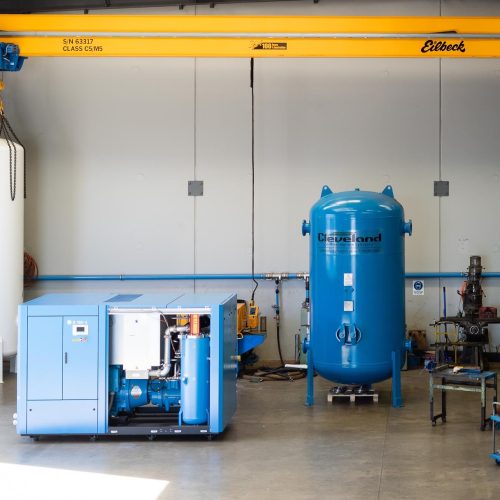
Credit: clevelandcompressors.com.au
How Air Compressors And Air Tanks Work
Both are part of a compressed air system, but their roles are different.
- Air compressor: Makes compressed air and often includes a built-in tank.
- Air tank: Only holds air; needs a compressor to fill it.
Here’s a simple way to look at it: the compressor is like your kitchen faucet (it gives water), and the air tank is like a bucket (it holds water for you to use later).
Example Scenario
Imagine you need to use an impact wrench to remove car tires. You need a lot of air at high pressure. A small air tank might run out of air quickly, while a compressor can keep making more air as you work.
But if you only need to inflate one or two tires at the park, an air tank is perfect. You fill it at home and avoid bringing a heavy compressor or finding electricity.
Main Differences Between Air Compressor And Air Tank
To make the differences clear, here’s a quick side-by-side comparison:
| Feature | Air Compressor | Air Tank |
|---|---|---|
| Purpose | Creates and stores compressed air | Stores compressed air only |
| Power Source | Electricity, gasoline, or diesel | None |
| Portability | Somewhat portable, heavier | Very portable, lightweight |
| Usage Time | Continuous (as long as powered) | Limited to stored air |
| Cost | More expensive | Cheaper |
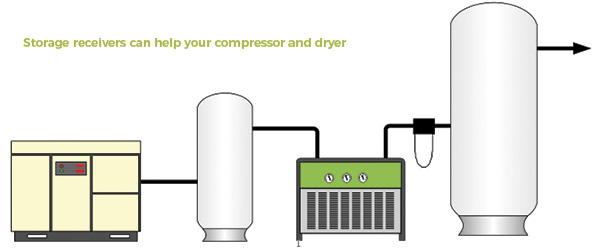
Credit: fluidpowerjournal.com
When To Use An Air Compressor
An air compressor is best when you need a steady supply of air, or when working with air tools that use a lot of air. Some examples:
- Auto repair shops: Powering impact wrenches, ratchets, and spray guns
- Construction: Running nail guns or paint sprayers all day
- Home garages: Inflating tires, cleaning, or powering tools
Benefits Of Air Compressors
- Unlimited air (if powered): You can work as long as you need
- Stronger tools: Many air tools need more pressure than a tank can give
- Wider range of uses: From small hobby tasks to heavy-duty jobs
Drawbacks Of Air Compressors
- Heavier and bulkier: Harder to move around
- Needs power: Must be near an outlet or have fuel
- More maintenance: Motors and pumps need care
When To Use An Air Tank
An air tank is ideal for short, simple jobs or when you need portability. For example:
- Emergency tire inflation: Bring air to your car, bike, or sports field
- Short tasks: Blowing dust, quick cleaning, or inflating a pool toy
- Remote locations: No need for electricity or fuel
Benefits Of Air Tanks
- Very portable: Easy to carry and use anywhere
- No power needed: Works in remote places
- Low cost: Simple and affordable
Drawbacks Of Air Tanks
- Limited air supply: Runs out after a few uses
- Must refill: Always needs a compressor nearby to fill up
- Low power: Can’t run heavy air tools for long
Choosing Between An Air Compressor And An Air Tank
You might still wonder which is right for you. Here’s what to consider before buying:
1. Your Main Use
- Frequent, long jobs: Choose a compressor.
- Simple, quick tasks or emergencies: An air tank is enough.
2. Power Availability
- No electricity or fuel nearby: Air tank is best.
- Workshop or garage use: Compressor is better.
3. Tool Demands
- High air demand tools (impact wrench, sander): Compressor required.
- Low demand (tire inflator, air blower): Tank may be enough.
4. Budget
- Tight budget: Air tanks are much cheaper.
- Long-term investment: Compressors cost more, but do more.
5. Space And Portability
- Small space, need to move often: Air tank wins.
- Fixed workshop: Compressor fits better.
Can You Use Both Together?
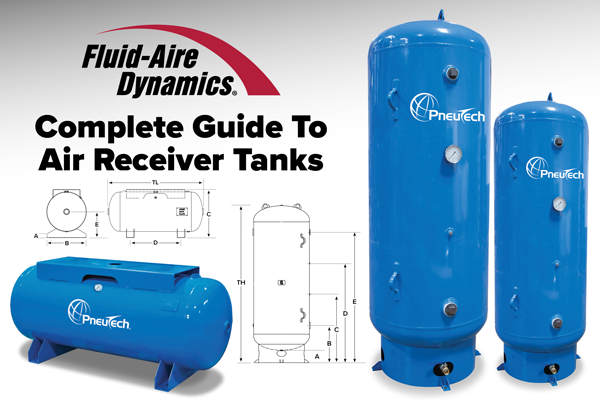
Yes, many people use both. Some air compressors have small tanks, but you can add an extra air tank for more storage. This helps if you need a burst of air or want to run tools for a bit longer.
For example, mechanics often fill a portable air tank from their main compressor. This way, they can inflate tires in the parking lot or use air tools outside the shop without dragging the compressor around.
Credit: fluidairedynamics.com
Common Mistakes When Choosing
Beginners often make these mistakes:
- Thinking a tank can power tools for long periods. Air tanks empty quickly with high-demand tools.
- Ignoring CFM ratings. Tools need a certain amount of air flow. Always check the compressor’s CFM matches your tool.
- Choosing by price only. Cheap tanks or compressors may not be safe or reliable.
- Overestimating tank size. A large tank is heavy and hard to carry if you just want to inflate tires.
- Not planning for refills. If you buy only a tank, you’ll need a way to fill it.
Safety Tips
Both air compressors and air tanks can be dangerous if used wrong. Here are important safety tips:
- Always check the maximum pressure. Never fill a tank above its rated PSI.
- Drain water regularly. Moisture can build up inside tanks and compressors, causing rust.
- Inspect for damage. Look for cracks, leaks, or worn hoses before every use.
- Use safety gear. Wear goggles and ear protection.
- Follow the manual. Each model may have special rules.
Real-world Example
A car repair shop uses a 60-gallon air compressor for all day work. The compressor runs tools like sanders, paint sprayers, and impact wrenches. For emergencies, they keep a 10-gallon air tank filled and ready. When a customer’s car needs air in the parking lot, they grab the tank—no need to roll out the big compressor.
At home, a hobbyist might use a small pancake compressor for bike tires and cleaning. But for a camping trip, they fill a portable air tank so they can inflate mattresses without electricity.
Cost And Maintenance Comparison
Here’s a quick look at average costs and maintenance needs:
| Item | Air Compressor | Air Tank |
|---|---|---|
| Price Range | $100–$800+ (home use) | $30–$80 |
| Maintenance | Oil changes, filter cleaning, draining tank | Check for leaks, drain moisture |
| Expected Life | 5–15 years (with care) | 10–20 years (if not damaged) |
Advanced Insights Most Beginners Miss
- CFM vs. PSI: Many new users focus only on PSI (pressure), but the airflow (CFM) is more important for tools. If your tool needs 5 CFM at 90 PSI, your compressor must meet or exceed that, or the tool will not work right.
- Moisture Management: Compressing air creates water vapor. If you never drain the tank, water collects inside, causing rust and even failure. Some air compressors have automatic drains or air dryers for this reason.
Environmental And Noise Considerations
- Noise: Air compressors can be loud—some above 80 decibels, like a lawn mower. Air tanks are silent.
- Energy Use: Compressors use electricity or fuel each time they run. Air tanks use only stored air.
Quick Buying Guide
When choosing, ask yourself:
- How often will I use air tools?
- Do I need to carry air far from home?
- Can I access power at my work location?
- What’s my budget?
- Will I need to fill an air tank often?
For most home users, a small compressor is more flexible. For emergencies or portable needs, an air tank is a good backup.
For more technical details about compressed air systems, you can read about them on the Wikipedia Air Compressor page.
Frequently Asked Questions
What Is The Main Difference Between An Air Compressor And An Air Tank?
The main difference is that an air compressor creates and stores compressed air using a motor or engine, while an air tank only stores air that is filled by a compressor. The compressor supplies air continuously, but the tank can only give what it holds.
Can I Use An Air Tank Without A Compressor?
No, you must fill an air tank using a compressor. The tank does not have its own pump and cannot make compressed air on its own.
How Long Does An Air Tank Last When In Use?
It depends on the size of the tank and the tool you’re using. For example, a 10-gallon tank can inflate several car tires but may only run a high-demand tool like an impact wrench for a minute or less before it needs refilling.
Is It Safe To Use A Larger Air Tank With A Small Compressor?
Yes, but it will take longer to fill. The small compressor will need more time to pressurize a larger tank, and you must make sure both are rated for the same pressure. Never exceed the maximum pressure rating of either.
Which Is More Cost-effective For Home Use?
If you need compressed air regularly for tools and tasks, a small air compressor is more cost-effective. If you only need air for emergencies (like inflating tires away from home), a portable air tank is cheaper.
Choosing between an air compressor and an air tank depends on your needs, budget, and where you’ll use them. Understanding their strengths and limits will help you make the right decision and get the best results from your tools.