
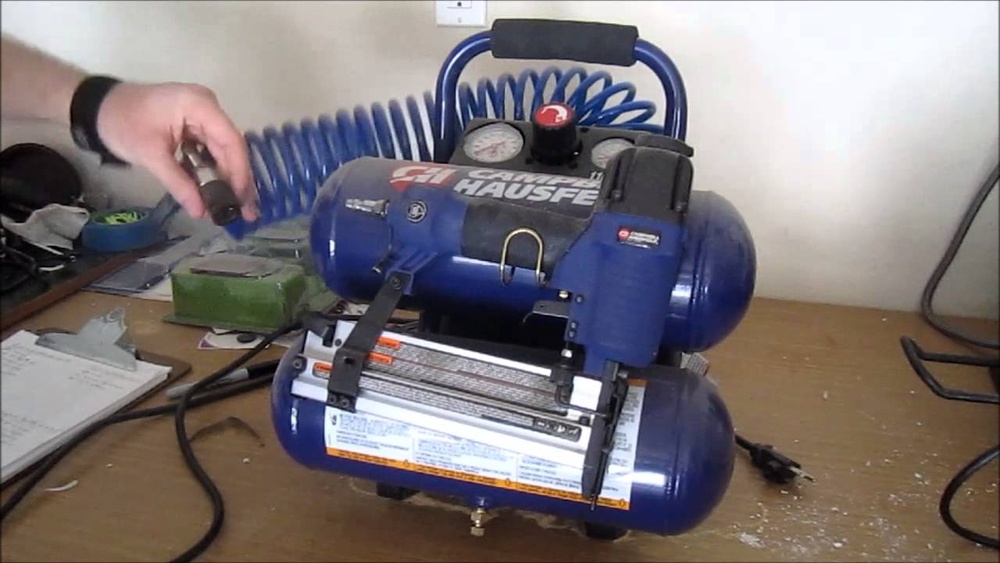
If you want to get the most out of your Campbell Hausfeld air compressor, you’re in the right place. Whether you’re a beginner or just need a quick refresher, this guide will walk you through simple, clear steps to use your compressor safely and effectively.
Imagine finishing your projects faster, with less effort and better results. By the end, you’ll feel confident handling your air compressor like a pro—ready to tackle everything from inflating tires to powering your tools. Let’s dive in and make your work easier today.
Credit: www.campbellhausfeld.com
Choosing The Right Campbell Hausfeld Air Compressor
Choosing the right air compressor is important for good results. Campbell Hausfeld offers many models. Each has different power and features. Picking the best one saves time and money. It helps you do your projects well. Understanding key points helps in making the right choice.
Types Of Air Compressors
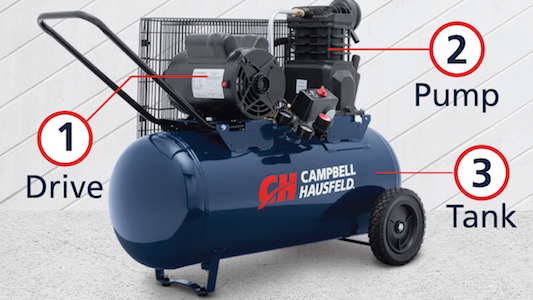
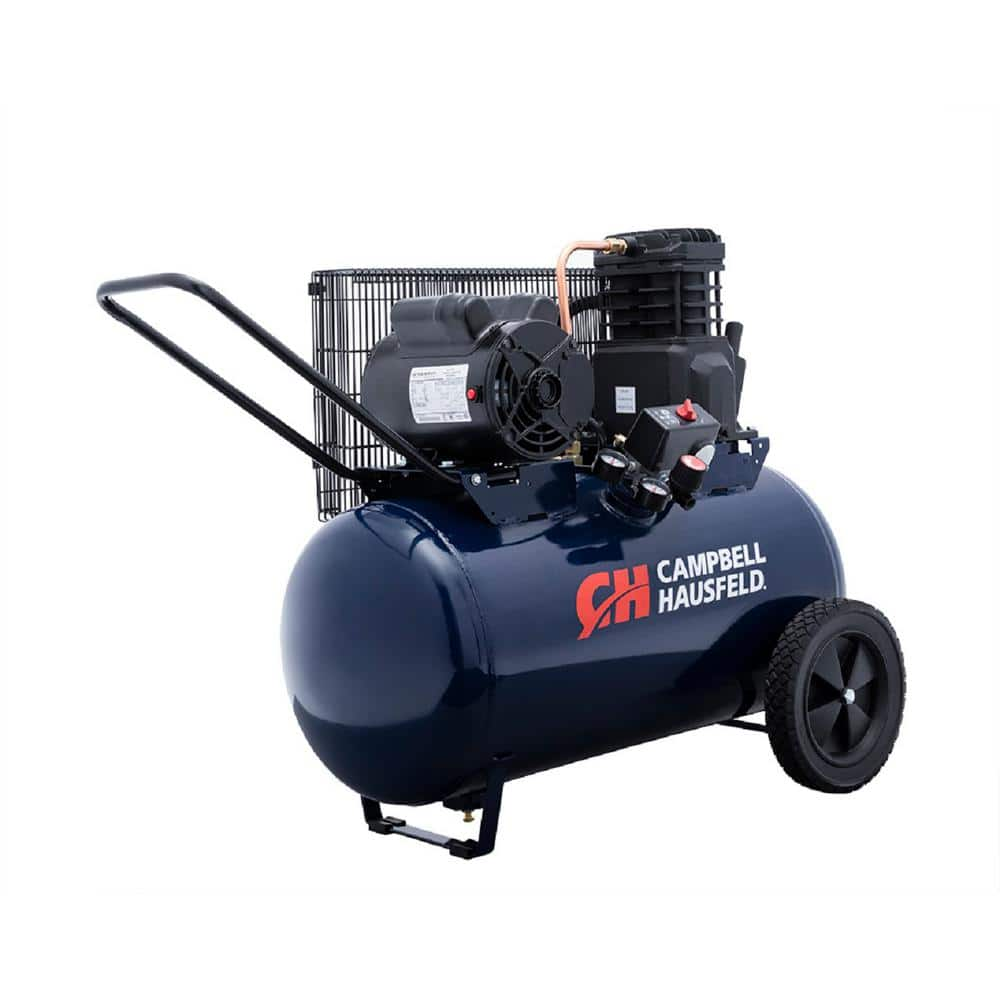
Campbell Hausfeld makes different types of air compressors. Some are portable, easy to carry around. Others are stationary, meant for heavy work. Pancake compressors have a flat tank, good for small jobs. Hot dog compressors have a horizontal tank. Twin stack models have two tanks for more power. Each type fits different tasks and spaces.
Key Features To Consider
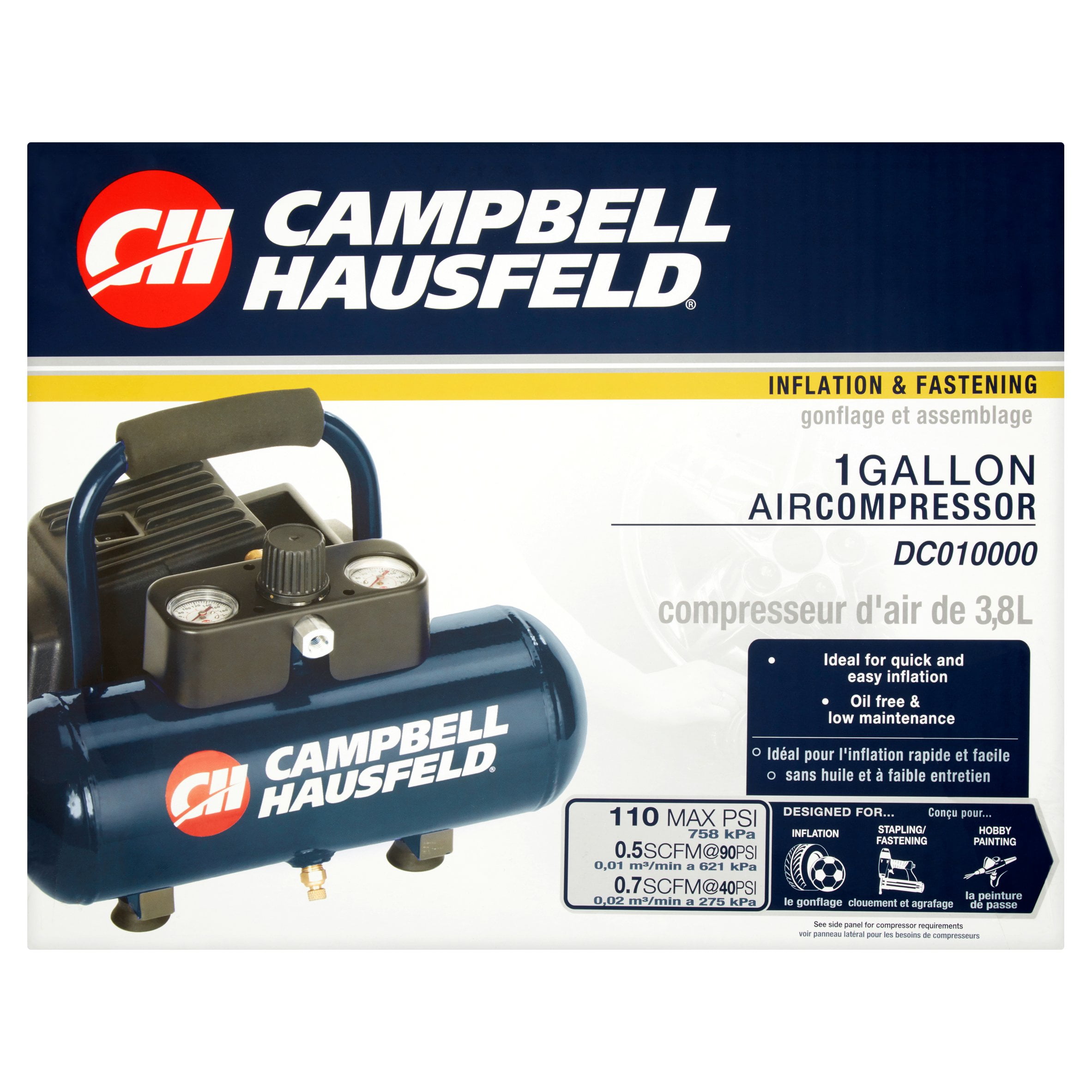
Look at the tank size first. Bigger tanks hold more air for long use. Check the PSI (pressure) rating. It shows how strong the air flow is. Higher PSI suits tougher tools. Noise level matters if you work indoors. Weight and size affect where you can place it. Some models have oil-free pumps for easy care.
Matching Compressor To Your Needs
Think about the tools you will use. Nail guns need less power than spray guns. For small jobs, a pancake compressor works well. For bigger jobs, choose a model with more PSI. Consider how often you will use it. Daily use needs a durable and bigger compressor. Occasional use means a smaller, lighter model will do.
Setting Up Your Air Compressor
Setting up your Campbell Hausfeld air compressor properly is crucial for safe and efficient use. This section guides you through the basic steps to get your compressor ready for work. Follow each step carefully to ensure the best performance and durability.
Unboxing And Inspection
Start by carefully unboxing the air compressor. Check the package for any signs of damage during shipping. Remove all parts and accessories from the box. Inspect each component for defects or missing pieces. Verify the model number matches your purchase. Report any damage or missing items to the seller immediately. Keeping the manual handy helps during this process.
Proper Placement And Ventilation
Place the air compressor on a flat, stable surface. Choose a dry area away from direct sunlight and moisture. Ensure enough space around the unit for air flow. Avoid cramped or enclosed spaces to prevent overheating. Good ventilation keeps the compressor cool and extends its life. Keep the compressor away from flammable materials for safety.
Connecting Air Hoses And Accessories
Attach the air hose to the compressor’s air outlet firmly. Check hose fittings for tightness to avoid leaks. Use only recommended hoses and accessories for your model. Connect tools or attachments securely to the hose end. Inspect hoses and connections for damage before each use. Proper connections ensure efficient air flow and safe operation.
Operating The Air Compressor Safely
Operating the Campbell Hausfeld air compressor safely is important for good results and your safety. Understanding the right steps helps prevent accidents and keeps the machine in good condition. Follow simple rules to work with the air compressor without risks.
Powering On And Pressure Settings
Check the compressor’s power source before turning it on. Make sure it is plugged into a proper outlet. Turn the power switch on and let the compressor build pressure slowly. Set the pressure according to the tool you will use. Do not exceed the recommended pressure level. Too much pressure can cause damage or injury.
Using The Control Panel
The control panel shows the compressor’s current status. Use the buttons or knobs to adjust settings carefully. Look at the pressure gauge to see the air pressure inside the tank. Always keep control panel clean and free from dust. Avoid touching controls with wet hands to prevent shocks.
Monitoring Air Pressure And Safety Valves
Watch the pressure gauge while the compressor runs. The pressure should stay within safe limits. The safety valve releases air if pressure gets too high. Check the valve regularly to make sure it works well. Never block or tamper with safety valves. This prevents dangerous pressure build-up.
Credit: www.walmart.com
Performing Common Tasks With The Compressor
Using a Campbell Hausfeld air compressor can make many tasks easier and faster. This tool is useful for both home and workshop projects. It helps you handle jobs that need air pressure with simple steps.
Here are common tasks you can do with this compressor. Each task uses the compressor in a different way. Knowing how to use it safely and correctly is important.
Inflating Tires And Sports Equipment
Start by connecting the air hose to the compressor. Attach the other end to the tire valve or sports ball needle. Turn on the compressor and watch the pressure gauge.
Stop inflating when the desired pressure is reached. Use the gauge on the compressor or a separate pressure gauge for accuracy. This task is quick and keeps tires and balls ready for use.
Using With Pneumatic Tools
Many tools like nail guns and impact wrenches need compressed air. Connect the air hose from the compressor to the tool. Make sure the compressor pressure matches the tool’s needs.
Turn on the compressor and test the tool on a small project first. This prevents damage and ensures smooth operation. Using pneumatic tools saves time and effort on tough jobs.
Spray Painting Techniques
Set up the compressor with a spray gun attachment. Check that the paint is mixed well and ready to spray. Adjust the air pressure to create a smooth, even spray.
Keep the spray gun moving steadily for good coverage. Practice on a scrap piece before painting your project. This method gives a professional-looking finish with less mess.
Maintenance And Troubleshooting Tips
Keeping your Campbell Hausfeld air compressor in good shape helps it last longer. Simple care steps stop problems before they start. Regular checks and cleaning keep the machine running smoothly and safely.
Routine Cleaning And Oil Checks
Clean the air compressor often. Wipe dust and dirt from the outside and vents. This stops overheating and keeps airflow clear. Check the oil level if your model needs oil. Use the right oil type and fill only to the recommended level. Change the oil after every 500 hours of use or as the manual says. Clean oil helps the motor work well and avoids damage.
Draining Moisture From The Tank
Moisture builds inside the tank during use. This water can cause rust and damage the tank over time. Drain the tank after every use. Open the drain valve at the tank’s bottom. Let all water out until only air comes out. Close the valve tightly before storing the compressor. This simple step keeps the tank dry and safe.
Identifying And Fixing Common Issues
Listen for unusual noises. They may mean loose parts or worn belts. Check all connections and tighten them. If the compressor won’t start, test the power source and fuse. Overheating can happen if vents are blocked or oil is low. Clean vents and add oil as needed. Air leaks reduce pressure. Spray soapy water on hoses and joints to find leaks. Fix leaks by tightening or replacing parts.
Credit: www.homedepot.com
Maximizing Efficiency And Longevity
Maximizing the efficiency and lifespan of your Campbell Hausfeld air compressor is important. Proper care helps avoid breakdowns and saves money. Small habits make a big difference. Follow simple steps to keep your compressor running well for years.
Proper Storage Practices
Store the air compressor in a clean, dry place. Avoid damp or dusty areas that cause rust or damage. Keep it covered when not in use to block dirt and debris. Drain the tank of any moisture after each use. This stops rust from forming inside the tank. Store the power cord neatly to prevent wear and tear.
Energy-saving Tips
Turn off the compressor when it is not in use. Avoid running it at full power all the time. Use the correct pressure setting for your task. Lower pressure saves energy and reduces wear. Check for air leaks in hoses and fittings. Fix leaks quickly to avoid wasting power. Use the compressor in short bursts rather than long runs.
Upgrading Parts And Accessories
Replace worn or damaged parts promptly. Use genuine Campbell Hausfeld parts for best fit and performance. Upgrade to high-quality air filters to keep dust out. Choose durable hoses that resist kinks and cracks. Attach pressure regulators and moisture traps to improve output. Good accessories enhance efficiency and extend the compressor’s life.
Frequently Asked Questions
How Do I Set Up A Campbell Hausfeld Air Compressor?
To set up, place the compressor on a flat surface. Connect the hose and attach your tool. Plug it in and turn on the power. Follow safety guidelines before use.
What Maintenance Is Needed For Campbell Hausfeld Compressors?
Regularly check oil levels if applicable, clean air filters, and drain moisture from the tank. Inspect hoses for damage and tighten fittings to ensure safety and performance.
Can I Use Campbell Hausfeld Compressor For Inflating Tires?
Yes, it is ideal for inflating tires. Attach the correct nozzle, set the pressure gauge, and inflate carefully to the recommended PSI.
How Do I Troubleshoot Common Compressor Issues?
Check power supply, air leaks, and oil levels. Clean or replace filters and ensure the pressure switch works correctly for smooth operation.
Conclusion
Using the Campbell Hausfeld air compressor is simple and effective. Always follow safety steps and maintenance tips. Check the pressure and connect tools correctly. This helps the compressor last longer and work well. Practice often to feel comfortable handling it.
You can complete many tasks faster with this tool. Keep it clean and store it properly after use. Enjoy the ease and power it brings to your projects.