
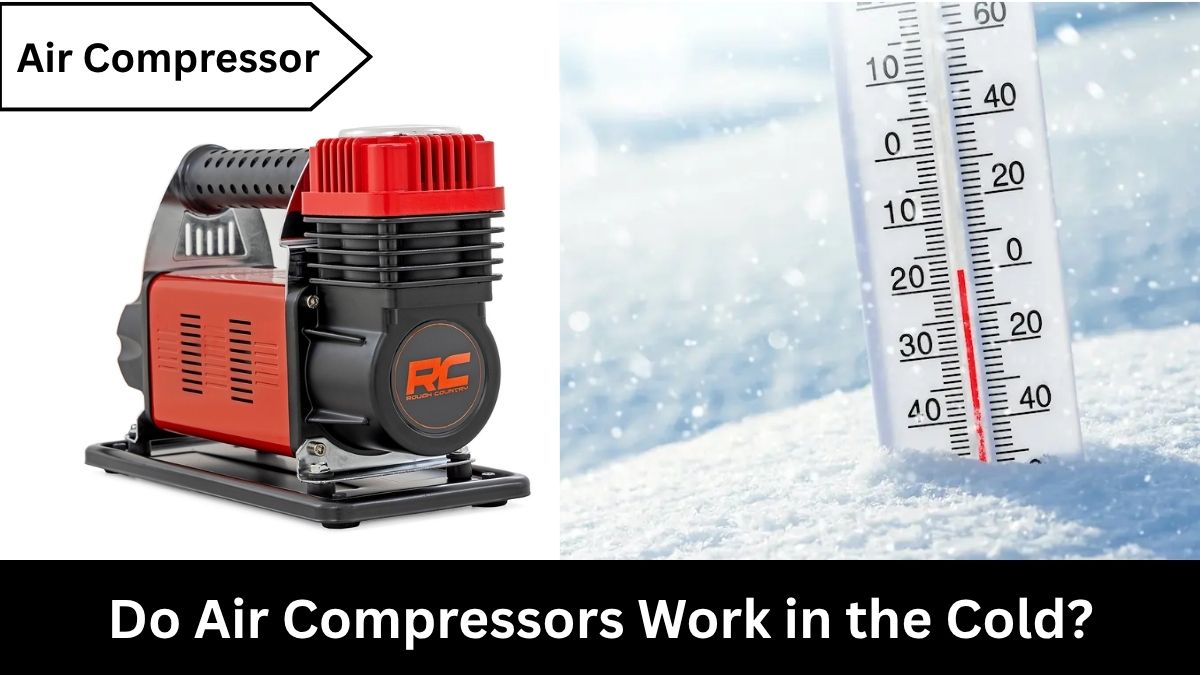
Have you ever tried using your air compressor on a chilly morning, only to wonder if it’s working right? Cold weather can be tough on many tools, and your air compressor is no exception.
If you’re worried that freezing temperatures might stop your compressor from doing its job, you’re not alone. Understanding how cold affects your equipment can save you time, money, and frustration. Keep reading to discover how air compressors perform in the cold and what you can do to keep yours running smoothly when the temperature drops.
How Cold Affects Air Compressors
Cold weather can change how air compressors work. Low temperatures affect parts and performance. Knowing these effects helps keep your compressor running well. This section explains how cold affects air compressors and what problems may occur.
Impact On Performance
Cold air is denser than warm air. This makes the compressor work harder to pull air in. The machine may take longer to reach full pressure. Oil inside the compressor thickens in cold weather. Thick oil moves slower, which can cause more wear. The motor may use more power to start and run. Overall, the compressor becomes less efficient in the cold.
Common Issues In Low Temperatures
Cold causes moisture inside the compressor to freeze. Ice can block valves and pipes, stopping airflow. Rubber seals and hoses become stiff and crack more easily. Batteries in electric compressors lose power faster in cold. Condensation builds up and may cause rust inside the tank. These issues can lead to breakdowns and costly repairs.

Credit: redfishinspections.com
Types Of Air Compressors And Cold Weather
Air compressors come in different types, and cold weather affects each type differently. Knowing how each type handles cold can help you choose the right one for winter use. Some compressors work better in low temperatures than others.
The main types are oil-lubricated and oil-free compressors. Both have strengths and weaknesses in cold weather. Understanding these can keep your compressor working smoothly during winter.
Oil-lubricated Compressors
Oil-lubricated compressors use oil to reduce friction in moving parts. This oil helps the compressor last longer and run quietly. Cold temperatures can thicken the oil, making it harder for the compressor to work. Using the right oil for cold weather is important. Thinner oils designed for low temperatures keep the compressor running well. Oil-lubricated compressors need warm-up time before full use in cold weather. This helps the oil flow and protects the motor.
Oil-free Compressors
Oil-free compressors do not use oil to lubricate parts. They use special materials that reduce friction without oil. These compressors handle cold weather better because no oil thickens or freezes. Oil-free models need less maintenance in winter. Still, cold air can cause moisture buildup inside. Moisture can damage parts if not removed. Running the compressor regularly and draining moisture helps avoid problems. Oil-free compressors are lighter and easier to carry in cold conditions.
Preparing Air Compressors For Cold Conditions
Preparing air compressors for cold conditions helps keep them working well. Cold weather can make machines stiff and slow. Taking simple steps can protect your compressor and avoid damage. These steps also make sure the compressor runs smoothly and lasts longer in cold weather.
Proper Storage Techniques
Store your air compressor in a dry place. Avoid areas with freezing temperatures. Use a shed or garage to keep it warm. Cover the compressor with a tarp to block dust and moisture. Drain all air and water from the tank before storage. This stops ice from forming inside the tank. Check oil levels and add winter-grade oil if needed. Proper storage prevents rust and freezing parts.
Pre-use Warm-up Tips
Start the compressor slowly in cold weather. Let it run for five to ten minutes before use. This warms the oil and parts inside. Avoid heavy work right after starting. Cold oil is thick and does not lubricate well. Warming up reduces wear and tear. Keep the compressor in a warmer spot if possible before use. These tips help your compressor work better and last longer in cold conditions.

Credit: yaleclimateconnections.org
Maintenance Tips For Cold Weather
Cold weather can be tough on air compressors. Proper maintenance helps keep them running smoothly and avoids damage. Simple steps protect the machine from freezing and wear. These tips help you get the best from your air compressor all winter.
Checking Oil And Lubrication
Oil thickens in cold weather and slows machine parts. Check the oil level often. Use oil made for cold temperatures. Change oil more often during winter. Lubricate moving parts to prevent rust and wear. Proper lubrication keeps the compressor working well.
Preventing Moisture And Freezing
Moisture inside an air compressor can freeze and block air flow. Drain water from the tank daily. Use an air dryer or moisture trap. Store the compressor in a dry, warm place. Cover it with a tarp or blanket if outside. These steps stop ice build-up and damage.
Best Practices For Operating In Winter
Operating air compressors in cold weather needs care and attention. Cold temperatures can affect their performance and safety. Following best practices helps keep the compressor working well and avoids damage.
Monitoring Pressure And Temperature
Check the pressure gauge often. Cold air can lower pressure levels quickly. Watch the temperature too. If the compressor gets too cold, parts may freeze or break. Keep an eye on these readings to catch problems early.
Use a thermometer near the compressor. It helps track how cold the machine is getting. Adjust your work or warm-up time based on these numbers. This simple step protects your compressor from winter damage.
Using Heater Accessories
Heaters keep the compressor warm in freezing weather. Choose heater blankets or pads made for compressors. These tools prevent oil from thickening and parts from freezing. Attach them carefully and follow the instructions.
Plug in heaters before starting the compressor. Warm parts work better and last longer. This practice reduces wear and tear caused by cold starts. Using heater accessories is a smart way to extend the life of your compressor in winter.
Credit: www.servicechampions.net
Troubleshooting Cold Weather Problems
Air compressors can face issues in cold weather. Troubleshooting helps keep them running smoothly. Cold temperatures cause problems like slow starts and freezing parts. Knowing common signs and fixes saves time and money.
Common Symptoms And Solutions
One sign is the compressor not starting easily. Cold oil thickens and slows the motor. Warm the compressor area or use oil made for cold weather.
Another problem is frozen moisture inside the tank. It blocks airflow and reduces pressure. Drain the tank regularly to remove water buildup.
The compressor may also make strange noises. This can happen if parts freeze or get stiff. Keep the compressor sheltered and use anti-freeze additives if needed.
When To Seek Professional Help
Persistent issues require expert attention. If the compressor fails to build pressure, call a technician. Electrical problems or broken parts need professional repair.
Do not ignore leaks or strange smells. These may be signs of serious damage. A professional can diagnose and fix the root cause safely.
Frequently Asked Questions
Do Air Compressors Work Effectively In Cold Weather?
Yes, air compressors work in cold weather but may face efficiency drops. Cold temperatures can thicken oil and reduce air pressure. Proper maintenance and using cold-weather oils help maintain performance and prevent damage.
How Does Cold Temperature Affect Air Compressor Performance?
Cold temperatures cause oil to thicken and air to condense inside the tank. This leads to longer warm-up times and reduced efficiency. Using winter-grade lubricants and insulating the compressor helps maintain optimal operation.
Can Cold Weather Damage My Air Compressor?
Yes, extreme cold can cause damage by freezing moisture inside the tank. It may lead to rust and mechanical issues. Proper drainage, insulation, and storage in heated areas prevent cold-related damage.
What Maintenance Is Needed For Air Compressors In Winter?
Winter maintenance includes draining moisture, using cold-weather oil, and insulating the unit. Regularly check hoses and fittings for cracks. Store the compressor in a dry, warm space to avoid freezing damage.
Conclusion
Air compressors can work well in cold weather with proper care. Keep them warm and check oil levels regularly. Cold air may cause some issues, but simple steps help prevent problems. Store your compressor indoors or use covers to protect it.
Regular maintenance ensures smooth operation during winter months. Don’t ignore the effects of cold on parts and pressure. With attention and care, your air compressor stays reliable all year. Ready to tackle cold weather? Yes, it can work fine.