
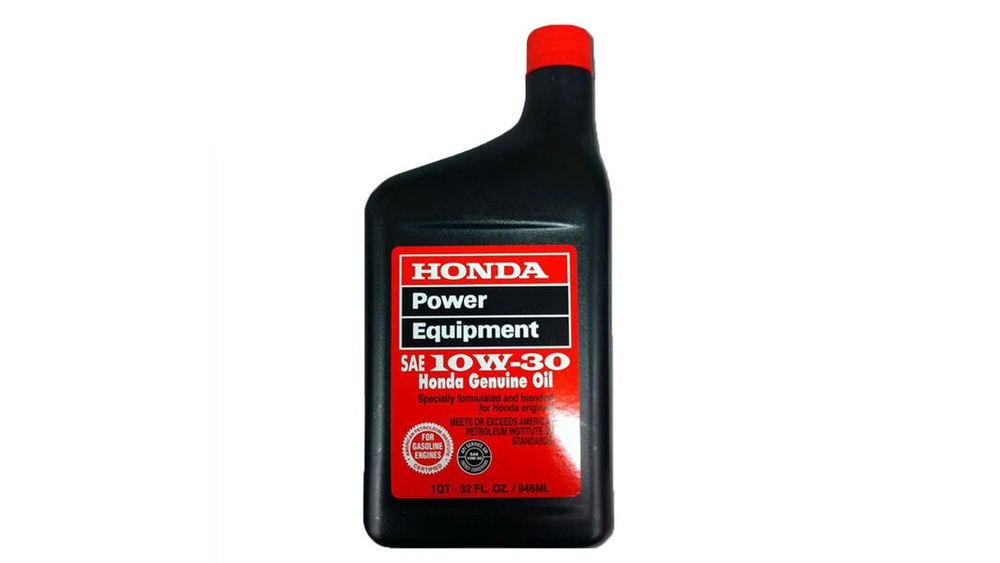
If you use an air compressor at home or at work, you already know how important it is for tools, painting, and many other jobs. But did you know that the oil you use inside your air compressor is almost as important as the machine itself?
Choosing the right oil is not just about following a manual—it affects the life, performance, and safety of your compressor. Many people think any oil will do, but this is a common mistake that can lead to expensive damage or even accidents.
This guide will help you understand which oil to use in your air compressor, why it matters, and how to make the best choice for your specific needs.
Why Air Compressor Oil Matters
Air compressor oil is not just a lubricant. It reduces friction, prevents overheating, and helps protect the internal parts from wear and rust. The right oil keeps your compressor running smoothly and quietly. Using the wrong oil can cause poor performance, frequent breakdowns, and costly repairs.
One non-obvious fact: air compressor oil is different from regular motor oil. Motor oil often has detergents and additives that are not suitable for compressors. These can create foam or leave harmful deposits inside the compressor. Always choose oil made for compressors unless your manual says otherwise.
Types Of Air Compressor Oil
There are two main types of oil used in air compressors: mineral oil and synthetic oil. Both have different benefits and are suited for different situations.
Mineral Oil
Mineral oil is made from refined petroleum. It is the standard oil for many smaller or lighter-duty air compressors. It is affordable and works well for normal use.
Advantages:
- Lower cost
- Works well for most home and small shop compressors
- Easy to find
Drawbacks:
- Breaks down faster at high temperatures
- Needs to be changed more often
- Not ideal for heavy or continuous use
Synthetic Oil
Synthetic oil is made from special chemical processes. It is designed to last longer and protect better under tough conditions.
Advantages:
- Handles higher temperatures
- Lasts longer between oil changes
- Better for heavy-duty or industrial compressors
- Reduces wear and keeps compressor cleaner
Drawbacks:
- Costs more than mineral oil
- Not always needed for small, low-use compressors
Non-detergent Vs. Detergent Oil
Air compressors need non-detergent oil. Detergent oil (used in cars) cleans and carries dirt away, which is good for engines but bad for compressors. Dirt and particles can block parts inside the compressor if you use detergent oil.
Tip: If the oil bottle does not say “non-detergent” or “compressor oil,” it is best not to use it.
Oil Grades And Viscosity Explained
The viscosity of oil means how thick or thin it is. Common grades for air compressors are SAE 20 or SAE 30. The right viscosity depends on temperature and the type of compressor.
| Oil Grade | Temperature Range | Best Use |
|---|---|---|
| SAE 20 | -10°C to 30°C | Cooler climates, general use |
| SAE 30 | 10°C to 40°C | Warmer climates, heavy duty |
| Synthetic 20W-50 | -20°C to 50°C | Wide temperature range, industrial use |
Key insight: Using oil that is too thick in cold weather can make the compressor hard to start. Oil that is too thin in hot weather may not protect well.
What Oil Does Your Compressor Need?
The best way to know is to check your user manual. Each air compressor is built differently. Using the wrong oil can void the warranty. If you lost your manual, here are some general tips:
- Small portable compressors: SAE 20 or 30 non-detergent mineral oil is usually fine.
- Large shop or industrial compressors: Synthetic compressor oil is often best.
- Oil-free compressors: Do not use oil. These are sealed and do not need oil changes.
Top Brands Of Air Compressor Oil
Not all oils are created equal. Some brands stand out for quality, performance, and reliability.
- Mobil Rarus 427 – A top synthetic oil for industrial use, known for low carbon build-up and long life.
- Royal Purple Synthetic Compressor Oil – Offers strong protection and less wear, good for heavy use.
- Ingersoll Rand All Season Select – Designed for long life and year-round use in many compressors.
- Campbell Hausfeld Compressor Oil – Popular for home and light commercial compressors.
- Quincy Compressor Oil – Trusted by many workshops for tough jobs.
Note: Always check your compressor’s manual before choosing a brand. Some manufacturers recommend specific oils.
How To Change Air Compressor Oil
Changing the oil is simple but important. Dirty or old oil can damage your compressor. Here’s how to do it safely:
- Turn off and unplug the compressor. Let it cool down.
- Locate the oil fill and drain plugs. These are usually marked or shown in the manual.
- Drain the old oil. Place a pan under the drain and remove the plug.
- Dispose of used oil properly. Take it to a recycling center; do not pour it down the drain.
- Replace the drain plug.
- Pour in the new oil to the correct level (use the sight glass or dipstick if available).
- Run the compressor for a few minutes and check for leaks.
| Step | Tip |
|---|---|
| 1. Turn off & unplug | Wait 10-15 minutes for cooling |
| 3. Drain oil | Use gloves to avoid skin contact |
| 6. Add new oil | Don’t overfill; check level twice |
Pro tip: Many beginners forget to check for leaks after changing oil. Always wipe around plugs and watch for drips when the compressor runs.
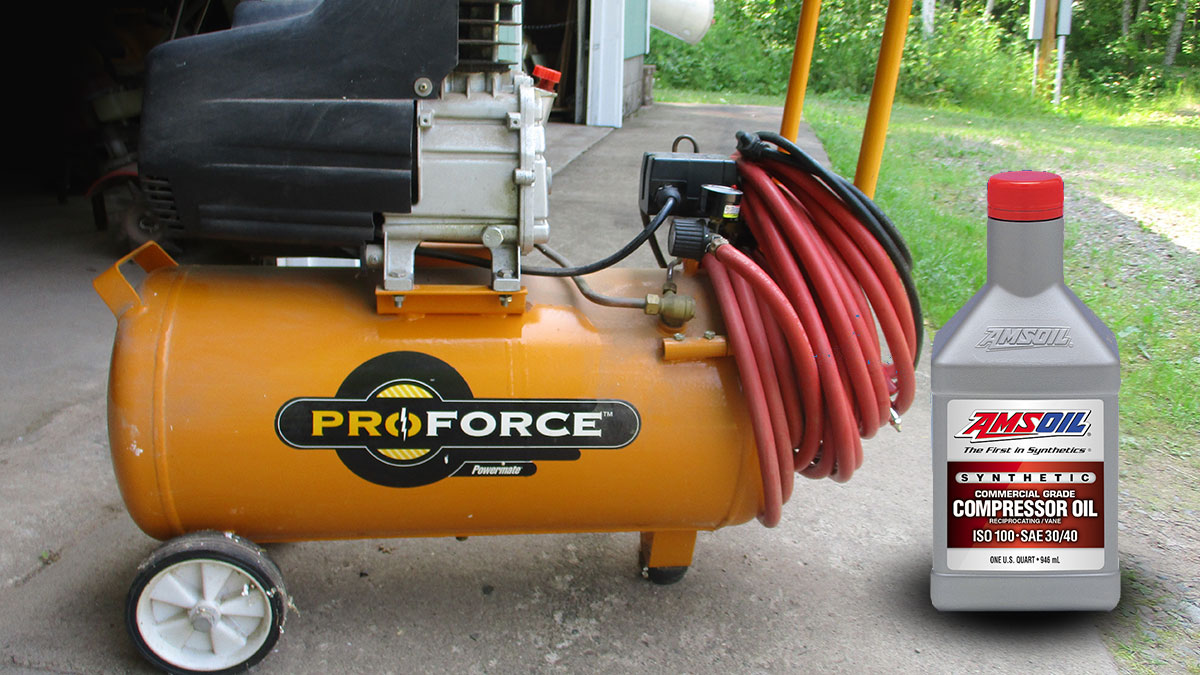
Credit: blog.amsoil.com
How Often To Change Air Compressor Oil
This depends on how often you use your compressor and the oil type. As a general rule:
- Mineral oil: Change every 3 months or every 500-1,000 hours of use.
- Synthetic oil: Change every 6-12 months or every 2,000 hours of use.
Heavy-duty or continuous-use compressors may need oil changes more often. Always check the oil color and smell—dark or burnt-smelling oil means it’s time to change.
Common Mistakes When Choosing Air Compressor Oil
Many people make mistakes that can shorten the life of their compressor. Here are some common errors:
- Using motor oil with detergents: As mentioned earlier, this can lead to foaming and deposits.
- Ignoring viscosity: Using the wrong grade for your climate makes the compressor work harder.
- Mixing different oils: Always drain the old oil fully before adding a new type or brand.
- Skipping oil changes: Old oil loses its protective power and can cause internal damage.
- Overfilling or underfilling: Both can cause the compressor to run badly or overheat.
Extra insight: Some users think “any oil is better than none.” In reality, wrong oil can be worse than no oil at all in some cases because it can block airflow or create dangerous pressure.
Special Oils For Rotary Screw And Reciprocating Compressors
There are two main types of oil-lubricated compressors: reciprocating (piston) and rotary screw. Each type can require different oil.
- Reciprocating compressors: Usually use straight mineral or synthetic non-detergent oils (SAE 30 or SAE 20).
- Rotary screw compressors: Often need synthetic oils with special additives for anti-foaming and oxidation resistance.
Using the wrong oil in a rotary screw compressor can cause serious performance problems. Always check your manual for the correct type.
Environmental And Health Considerations
Disposing of compressor oil is important for the environment. Never pour used oil into the ground or down drains. Take it to a recycling center or hazardous waste site.
Also, avoid direct skin contact with used oil. Wear gloves and wash your hands after handling.

Credit: www.harborfreight.com
What To Do If You’re Unsure
If you do not know which oil to use, do not guess. Check the compressor’s manual or look up the model online. Most big brands have websites with downloadable manuals and recommendations. You can also ask at the store where you bought the compressor, or contact the manufacturer’s customer support.
A good external resource for more details is the Wikipedia page on air compressors.
Frequently Asked Questions
What Happens If I Use The Wrong Oil In My Air Compressor?
Using the wrong oil—such as automotive oil with detergents—can cause foaming, deposits, and poor lubrication. This may lead to overheating, faster wear, and even compressor failure.
Can I Use Synthetic Oil In Any Air Compressor?
Most modern compressors accept synthetic oil, but always check your manual. Some older or basic models are designed for mineral oil and may not perform well with synthetics.
How Do I Know When To Change The Oil?
Change the oil if it looks dark, smells burnt, or after the recommended hours or months of use. New oil should be clear and clean.
What Is The Difference Between Compressor Oil And Regular Motor Oil?
Compressor oil is non-detergent, designed not to foam, and protects against rust. Motor oil has detergents and additives that are not good for compressor parts.
Can I Mix Different Brands Or Types Of Compressor Oil?
It is best not to mix brands or types. Always drain the old oil fully before adding a new type to avoid chemical reactions or poor performance.
Taking care of your air compressor starts with the right oil. By following these tips and checking your manual, you can keep your compressor running smoothly, save money on repairs, and get the best performance for years to come.

Credit: www.youtube.com