
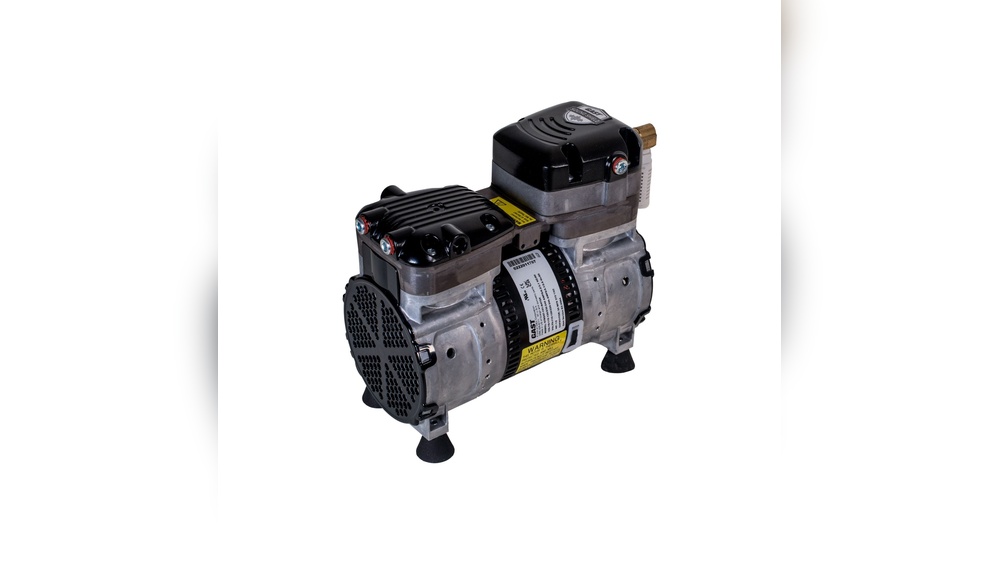
When you want to buy or use an air compressor, you will see two main numbers everywhere: horsepower (Hp) and cubic feet per minute (CFM). These numbers are everywhere, but what do they really mean? And which one matters most for your job? Many people get confused by these terms and might choose the wrong compressor. This article will explain the real difference between Hp and CFM, how they work together, and why understanding both is key for choosing the right air compressor. If you want your tools to work well and avoid wasting money, this guide is for you.
What Is Horsepower (hp) In Air Compressors?
Horsepower (Hp) is the measure of the power produced by the air compressor’s motor. It tells you how strong the motor is. In simple words, a higher Hp means the compressor can do more work, faster.
For example, a 2 Hp compressor motor is stronger than a 1 Hp one. But, in the world of air compressors, more horsepower does not always mean better performance for every situation.
- 1 Hp air compressors are often used for small tools or inflating tires.
- 5 Hp and above are used in workshops or for industrial jobs.
Key point: Hp tells you about the motor’s ability, but it does not always mean you get more air for your tools.
What Is Cfm In Air Compressors?
CFM stands for Cubic Feet per Minute. This measures the volume of air the compressor can deliver every minute. In other words, it shows how much air is available for your tools.
If you run a tool that needs a lot of air, like a spray gun, you need a compressor with a high CFM. If you only inflate tires, a lower CFM is fine.
- 3-5 CFM: Good for small tools like brad nailers or staplers.
- 10+ CFM: Needed for sanders, grinders, or spray painting.
Key point: CFM is usually the most important number for matching a compressor to your tools.

Credit: airtekltd.com
How Do Hp And Cfm Relate?
Many people think more Hp always gives more CFM. This is not always true. The relationship between Hp and CFM depends on other factors, like the compressor design, pump efficiency, and operating pressure (measured as PSI).
A powerful motor (high Hp) can help a compressor deliver more air, but if the pump is not efficient, the extra Hp is wasted. Sometimes, a well-designed 2 Hp compressor can deliver as much CFM as a poor-quality 3 Hp compressor.
Example: Comparing Two Compressors
Let’s look at two real examples:
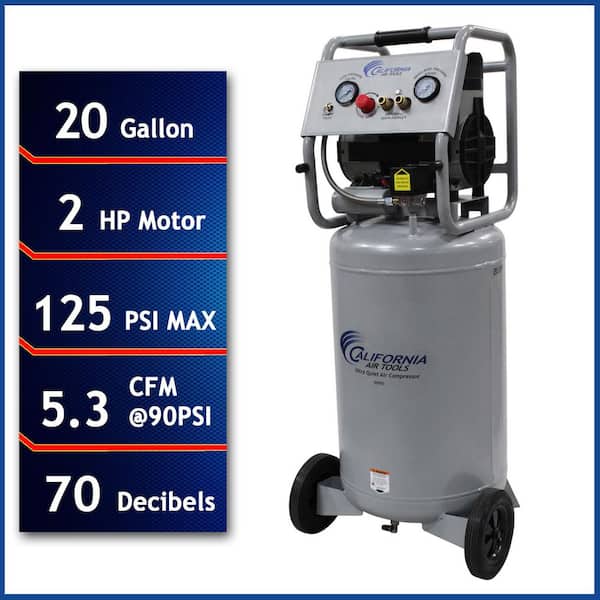
- Compressor A: 2 Hp, delivers 6.5 CFM at 90 PSI
- Compressor B: 3 Hp, delivers 5.9 CFM at 90 PSI
Here, the 2 Hp compressor gives more usable air than the 3 Hp one, because its pump and design are better.
Insight: Always check both the Hp and CFM, not just one number.
Why Cfm Is Usually More Important Than Hp
For most people, CFM is the key number to watch. Tools need a certain amount of air to work correctly. If your compressor’s CFM is too low, your tool will not perform well, or may not work at all.
For example:
- A paint sprayer might need 6 CFM at 40 PSI.
- If your compressor only gives 4 CFM, the spray will be weak and uneven.
Non-obvious tip: Many beginners buy a high Hp compressor thinking it is powerful, but their tools still underperform. This happens if the CFM is too low.
Common Misunderstandings About Air Compressor Ratings
Many people get caught by marketing tricks. Some companies list the “peak Hp” or “displacement CFM” instead of the real working numbers.
- Peak Hp is the maximum the motor can handle for a very short time, not for regular use.
- Displacement CFM is a theoretical number, not the air you actually get at the tool.
Always look for “CFM at X PSI” (for example, 4.2 CFM at 90 PSI). This is the real-world number you need.
How To Match Compressor Cfm To Your Tools
Every air tool needs a certain amount of CFM at a specific PSI. Here’s how to figure out what you need:
- Check your tool’s CFM requirement. It is usually listed in the manual or on the tool.
- Add up the CFM if you will use more than one tool at the same time.
- Add a safety margin of 20-30%. This helps the compressor work comfortably and last longer.
Example:
- You have a tool that needs 5 CFM at 90 PSI.
- You sometimes use two tools at once (total 10 CFM).
- Add 30% safety: 10 CFM x 1.3 = 13 CFM needed.
How Hp Affects Compressor Size And Use
While CFM is about tool performance, Hp affects other things:
- Start-up Power: Higher Hp needs more electricity at start-up.
- Compressor Size: High Hp motors are larger and heavier.
- Duty Cycle: Hp also affects how long a compressor can run without overheating.
Non-obvious insight: In some cases, a lower Hp compressor with a larger tank can handle short bursts of high CFM use, even if it cannot maintain high CFM constantly.
Real-world Examples: Hp, Cfm, And Tool Choices
Below is a comparison of popular air tools and what kind of compressor (Hp and CFM) you need to run them.
| Air Tool | Min. CFM Needed | Min. Compressor Hp |
|---|---|---|
| Brad Nailer | 2.0 | 0.5 |
| Impact Wrench (1/2″) | 4.0 | 1.5 |
| Paint Sprayer | 6.0 | 2.0 |
| Angle Grinder | 8.0 | 3.0 |
| Sandblaster | 10.0 | 4.0 |
Key takeaway: Always check both the CFM and Hp needed for your specific tools.
How Tank Size Fits Into The Equation
You might wonder if tank size matters compared to Hp and CFM. The answer is: tank size helps store air, so you can run tools for short bursts even if your compressor’s CFM is a bit low. But, if you use a tool for a long time, the tank will empty and you will be back to the compressor’s true CFM.
| Tank Size (Gallons) | Best For | Typical CFM Range |
|---|---|---|
| 1–6 | Inflating, brad nailers | 1–3 |
| 8–20 | DIY, small tools | 3–6 |
| 30–60 | Workshops, multiple tools | 6–12 |
| 80+ | Industrial, heavy use | 10–20+ |
Key Factors That Affect Cfm Output (not Just Hp)
Some things can make two compressors with the same Hp give different CFM:
- Pump Efficiency: A better-designed pump moves more air with the same power.
- Compressor Type: Reciprocating (piston), rotary screw, and scroll compressors have different efficiencies.
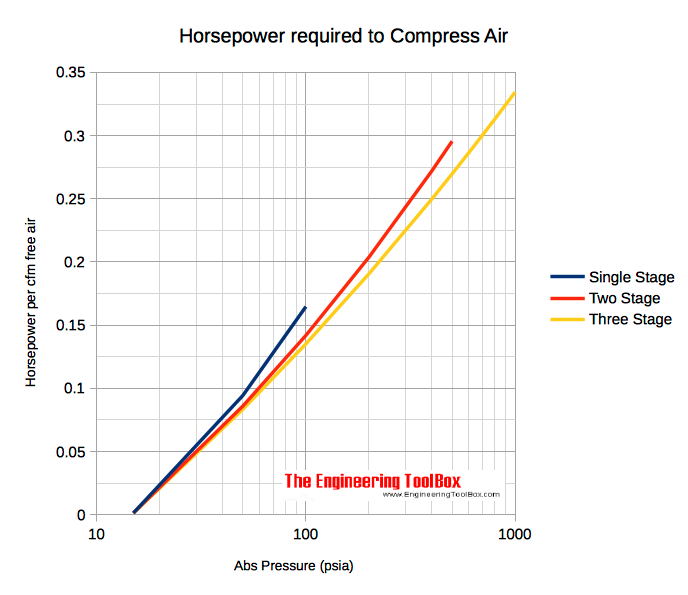
- Operating Pressure: Higher pressure means more energy is used to compress air, so CFM can go down.
- Environmental Conditions: Hotter air is less dense, which can lower CFM in hot climates.
- Maintenance: Dirty filters or worn valves can reduce real CFM over time.
Credit: www.engineeringtoolbox.com
Common Mistakes When Choosing Hp Or Cfm
- Focusing only on Hp: Many buyers think high Hp means high performance, but a low-efficiency pump can waste that power.
- Ignoring CFM needs: Some people buy a small, cheap compressor and expect it to run big tools.
- Buying too big: A huge compressor costs more to buy and run, and takes up space you may not need.
- Not checking required PSI: Some tools need high pressure, but if the compressor can’t reach it, CFM drops.
Tip: Always start by checking your tool’s requirements, then look for a compressor that meets or slightly exceeds those numbers.
How To Read Air Compressor Specs Like A Pro
When shopping for a compressor, always look for these real-world numbers:
- CFM at a given PSI: (For example, 5.0 CFM at 90 PSI)
- Running Hp: Not just “peak” or “max” Hp.
- Duty cycle: Shows how long the compressor can run without rest.
- Tank size: Useful for burst use, not for continuous operation.
If a compressor lists only “displacement CFM” or “peak Hp” and not the real working numbers, be careful. This usually means the company is hiding the real specs.
Real-world Scenario: Choosing Between Two Compressors
Let’s say you have to pick between:
- Compressor X: 2.5 Hp, 6.0 CFM at 90 PSI, 20-gallon tank
- Compressor Y: 3.5 Hp, 5.5 CFM at 90 PSI, 30-gallon tank
If your tools need 6 CFM at 90 PSI, Compressor X is better—even though it has less Hp and a smaller tank. Compressor Y’s bigger motor and tank do not make up for its lower CFM.
When Does Hp Become More Important?
For most users, CFM is the key. But in certain cases, Hp matters more:
- Heavy-duty, continuous use: Industrial shops may need high Hp for long, non-stop work.
- Running multiple compressors from one power source: You may need to match Hp to avoid overloading circuits.
- Starting in cold weather: Higher Hp can help start the compressor more easily in low temperatures.
But for most DIY, garage, or small workshop uses, focus on CFM.
How To Increase Cfm Output (if You Already Own A Compressor)
If your compressor’s CFM is too low, you can sometimes:
- Lower the PSI: Reducing pressure can free up some CFM (but only if your tool allows it).
- Add a second compressor in parallel: Connect two compressors together for higher combined CFM.
- Check for maintenance issues: Clean filters and repair leaks.
Caution: Never try to “hack” your compressor beyond its rated power. This is unsafe.
Expert Guidance: Don’t Ignore Power Supply
One thing many beginners forget: check your power supply. A high Hp compressor may need a dedicated 220V line, not just a normal wall plug. Always make sure your electrical system can handle the compressor you want to buy.
Where To Learn More
For detailed technical information about air compressor efficiency and ratings, see the Air Compressor Wikipedia page.
Frequently Asked Questions
What Is More Important, Hp Or Cfm In An Air Compressor?
For most users, CFM is more important than Hp. CFM tells you how much air your tools will get, while Hp only shows the motor’s strength. Always match CFM to your tool’s needs.
Can I Use A High Hp Compressor With Low Cfm Tools?
Yes, but it’s usually not efficient. You may waste energy and money. It’s better to match the CFM rating with your tool requirements, not just Hp.
Does A Bigger Tank Mean More Cfm?
No. Tank size only stores air; it does not increase CFM. A bigger tank lets you use tools for a short time before the compressor needs to refill, but the real CFM comes from the pump and motor.
Is It Safe To Use A Compressor With Lower Cfm Than My Tool Needs?
No. Using a tool that needs more CFM than your compressor can give may lead to poor performance, tool damage, or overheating the compressor.
How Can I Increase The Cfm Of My Air Compressor?
You can try lowering the operating PSI, running two compressors in parallel, or keeping your compressor well maintained. But you cannot safely “boost” CFM beyond what the compressor is designed to produce.
Choosing the right air compressor is not just about picking the highest Hp or biggest tank. Focus on matching CFM to your tool needs, and you’ll get better performance, save money, and avoid frustration in your workshop.
Credit: www.homedepot.com