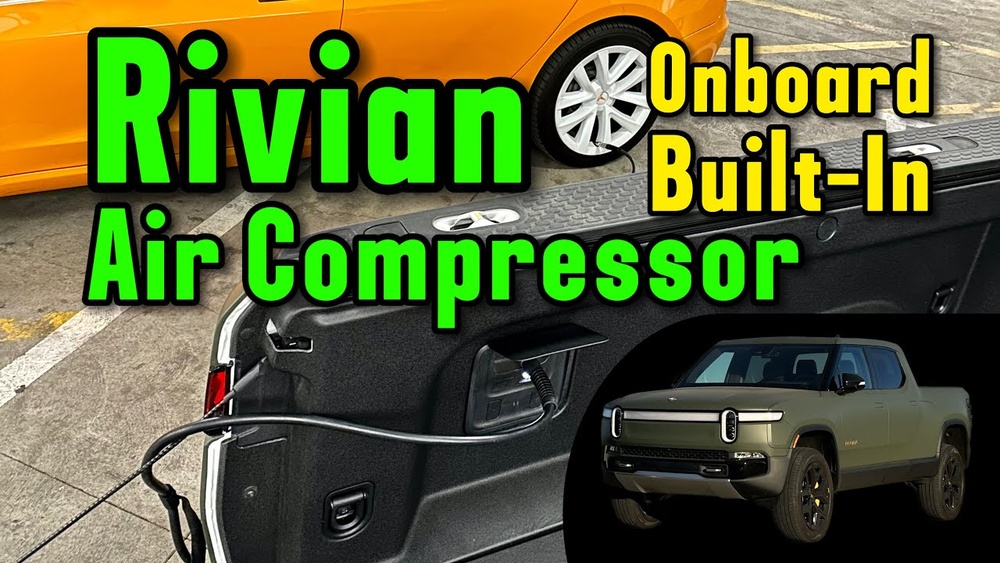
If you own a Rivian vehicle, knowing how to use the Rivian air compressor can save you time and frustration when you need to inflate your tires quickly and safely. Whether you’re heading off-road or just want to keep your tires at the right pressure, this tool is designed to make the job easy for you.
In this guide, you’ll discover simple steps to operate the air compressor like a pro. By the end, you’ll feel confident handling your tire maintenance anytime, anywhere. Keep reading to unlock the full potential of your Rivian air compressor and protect your ride on every adventure.
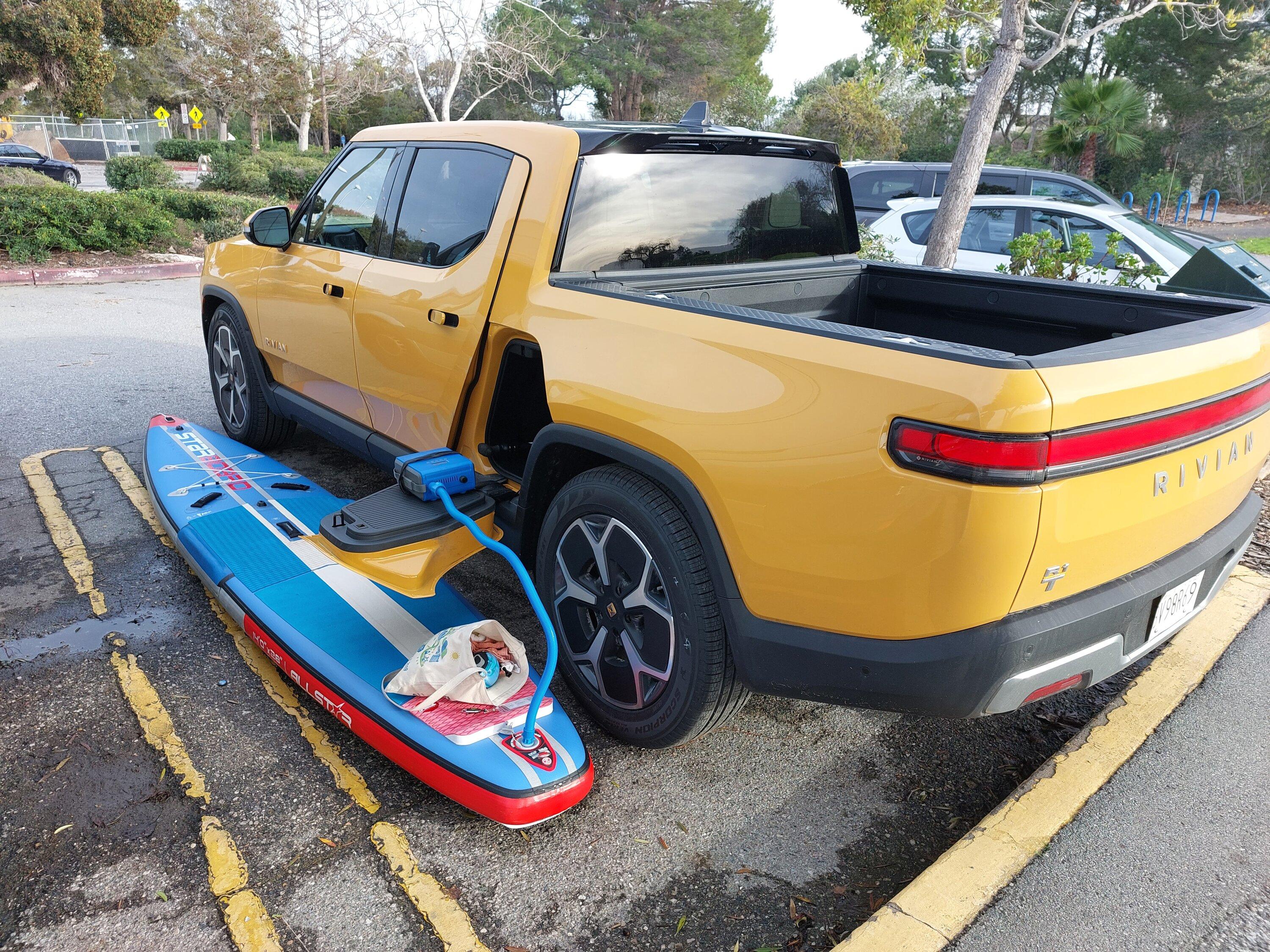
Credit: www.rivianforums.com
Rivian Air Compressor Features
The Rivian Air Compressor offers a mix of smart features for easy tire inflation. It suits drivers who want a tool that is simple and effective. Each feature adds to the compressor’s usability and reliability. Understanding these features helps users get the best from their device.
Compact Design
The compressor has a small and lightweight build. It fits easily in a glove box or trunk. This design makes it handy for roadside emergencies or quick tire checks. The compact size does not reduce its power or function.
Pressure Settings
Users can select pressure levels with simple controls. This helps fill tires to the exact pressure needed. The settings avoid over or under inflation, which can harm tire life. Clear markings make it easy to set pressure correctly.
Power Options
The compressor runs on multiple power sources. It can use a vehicle’s 12V outlet or a portable battery. This flexibility lets users inflate tires anywhere, not just near a power plug. The power options add convenience for all drivers.
Preparing The Compressor
Preparing the Rivian air compressor is a simple process. It ensures the tool works well and lasts long. Follow these steps carefully to get started safely and effectively.
Unpacking And Inspection
Start by carefully opening the box. Check all parts for damage or missing items. Look for dents, cracks, or loose pieces. Report any issues to the seller before use. Keep the instruction manual for reference.
Connecting To Power
Find a suitable power source for the compressor. Most Rivian compressors use a 12V outlet or a USB port. Plug the power cord firmly into the outlet. Avoid extension cords to prevent power loss. Ensure the connection is secure before turning on the device.
Selecting The Right Nozzle
Choose the nozzle based on the item you will inflate. Use the small nozzle for sports balls. Use the larger nozzle for tires or air mattresses. Attach the nozzle tightly to avoid air leaks. Double-check the fit before starting the compressor.
Operating The Compressor
Operating the Rivian Air Compressor is simple and straightforward. This tool helps keep your tires at the right pressure. Proper tire pressure improves safety and fuel efficiency. Follow these steps to use the compressor correctly and avoid common mistakes.
Setting Desired Pressure
First, check your tire’s recommended pressure. This number is on the tire sidewall or vehicle manual. Use the compressor’s control panel to set this pressure. Press the buttons until the desired number appears on the display. Double-check the setting before starting.
Starting Inflation
Attach the compressor nozzle tightly to the tire valve. Turn on the compressor using the power button. The device will begin pumping air into the tire. Hold the nozzle steady to prevent air leaks. Stay close to the compressor during this process.
Monitoring Progress
Watch the pressure gauge on the compressor screen. It shows the current tire pressure in real time. Stop the compressor once it reaches the set pressure. Avoid over-inflating to protect your tires. Remove the nozzle carefully after inflation is complete.
Inflating Different Items
Using the Rivian air compressor is simple and useful for many items. It helps keep things properly inflated and ready to use. Different items need different pressure levels. Knowing how to use the compressor for each item is important. This guide shows how to inflate car tires, bike tires, and sports equipment with ease.
Car Tires
Attach the compressor hose to the tire valve. Turn on the compressor. Check the pressure gauge often. Stop inflating when you reach the recommended pressure. This keeps your car safe and improves fuel efficiency. Always check tire pressure before driving long distances.
Bike Tires
Remove the valve cap from the bike tire. Connect the compressor nozzle to the valve. Turn the compressor on and watch the pressure gauge. Stop once the tire feels firm or reaches the recommended pressure. Properly inflated bike tires make riding smooth and fast.
Sports Equipment
Sports balls need less pressure than tires. Use the needle adapter on the compressor. Insert it gently into the ball valve. Pump air slowly and check firmness often. Stop when the ball feels right for playing. Correct inflation helps the ball bounce and fly better.
Safety Tips
Safety is important when using the Rivian Air Compressor. Following simple tips helps prevent accidents. It also keeps the tool working well for a long time. Pay attention to these safety rules before and during use.
Avoid Overinflation
Do not inflate tires beyond the recommended pressure. Check the tire pressure gauge often while inflating. Stop the compressor immediately once you reach the correct level. Overinflation can cause tire damage or bursts. It also reduces the tire’s lifespan and safety.
Proper Handling
Hold the air compressor firmly during use. Keep your hands away from the air hose end. Avoid twisting or kinking the hose to prevent damage. Use the compressor on a flat and stable surface. Always turn it off before disconnecting the hose.
Storage Guidelines
Store the compressor in a dry and cool place. Avoid leaving it in direct sunlight or damp areas. Coil the air hose loosely to prevent cracks. Keep it away from children and pets. Regularly check for damage before each use to ensure safety.

Credit: gearshop.rivian.com
Troubleshooting Common Issues
Troubleshooting common issues with the Rivian air compressor helps keep it working well. Knowing what to check saves time and effort. The most common problems include the compressor not starting, inconsistent pressure, and nozzle leaks. Each issue has simple fixes anyone can try.
Compressor Not Starting
Check the power source first. Make sure the battery or plug is connected properly. Look for a blown fuse or a loose wire. Press the power button firmly. If the compressor still does not start, let it cool down. Overheating can stop the compressor from running.
Inconsistent Pressure
Inconsistent pressure can come from a dirty air filter. Clean or replace the filter regularly. Check the pressure gauge for accuracy. Tighten all hose connections to avoid air leaks. Avoid using the compressor for too long at once. Give it breaks to maintain steady pressure.
Nozzle Leaks
Leaks around the nozzle reduce compressor efficiency. Inspect the nozzle for cracks or damage. Replace worn-out seals or O-rings. Use soapy water to spot leaks by watching for bubbles. Secure the nozzle tightly to the hose. Fixing leaks improves air flow and saves power.
Maintenance And Care
Proper maintenance and care keep your Rivian air compressor working well. Regular checks help avoid problems and extend the tool’s life. Simple steps can make a big difference in performance and safety.
Cleaning The Compressor
Keep the compressor clean by wiping it down after use. Remove dirt and dust from vents and surfaces. Use a dry cloth to avoid moisture inside the device. Clean parts prevent overheating and ensure smooth operation.
Checking For Wear
Inspect hoses and fittings for cracks or damage. Look for loose connections or signs of air leaks. Replace any worn parts to maintain good pressure. Regular checks stop small issues from becoming big problems.
Battery Care
Charge the battery fully before storing the compressor. Avoid leaving the battery empty for long periods. Store in a cool, dry place to protect battery health. Proper battery care ensures the compressor starts every time.

Credit: www.reddit.com
Frequently Asked Questions
How Do I Operate The Rivian Air Compressor?
To operate the Rivian air compressor, first connect it to the vehicle’s 12V power outlet. Attach the hose to the tire valve. Turn on the compressor using the power button. Monitor the pressure gauge until the desired PSI is reached, then switch off and disconnect safely.
What Tires Can The Rivian Air Compressor Inflate?
The Rivian air compressor is designed to inflate all standard vehicle tires, including cars, trucks, and SUVs. It supports a wide PSI range suitable for most tire types. Always check your tire’s recommended pressure before use to ensure proper inflation and safety.
How Long Does It Take To Inflate A Tire?
Inflation time varies by tire size and pressure needed but usually takes 3-7 minutes. The Rivian air compressor is efficient for quick inflation. Monitor the pressure gauge closely to avoid overinflation and ensure optimal tire performance.
Can I Use The Rivian Air Compressor Off-road?
Yes, the Rivian air compressor is portable and rugged, making it ideal for off-road use. It helps maintain proper tire pressure on rough terrains, enhancing safety and vehicle performance. Always carry it as part of your off-road emergency kit.
Conclusion
Using the Rivian Air Compressor is easy and helpful. It lets you fill tires quickly and safely. Always follow the steps for best results. Keep the compressor clean and store it well after use. This tool saves time and effort on the road.
Trust it to keep your vehicle ready for any trip. Practice using it to feel more confident. A little care goes a long way. Stay prepared and enjoy your adventures with ease.