
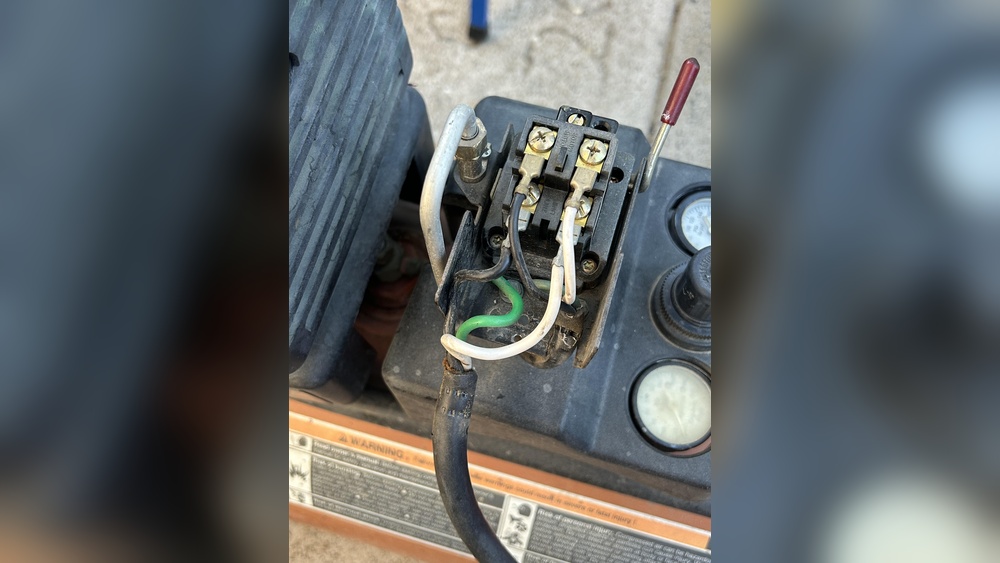
Wiring a 220 air compressor might seem tricky at first, but with the right steps, you can do it safely and confidently. If you want your compressor to run smoothly and avoid costly mistakes, knowing how to wire it correctly is key.
This guide will walk you through each step in simple terms, so you won’t feel overwhelmed. By the end, you’ll have the skills to set up your air compressor like a pro—and get your projects done faster. Ready to take control of your wiring?
Let’s get started.
Tools And Materials Needed
Wiring a 220 air compressor requires specific tools and materials. Having the right items makes the job safer and easier. Gathering everything before starting saves time and avoids frustration.
Essential Tools
You need a few basic tools to wire your air compressor properly. A screwdriver set helps with screws and terminals. Wire strippers remove insulation from wires cleanly. A voltage tester checks if wires are live. Needle-nose pliers make bending and twisting wires easier. A drill may be necessary for mounting electrical boxes or panels.
Required Materials
Using the right materials ensures a secure and long-lasting connection. Electrical wire rated for 220 volts is a must. Circuit breakers that match your compressor’s power needs protect the system. Wire connectors or terminals join wires safely. An electrical box houses the wiring connections. Electrical tape provides extra insulation and safety. Make sure all materials meet local electrical codes.

Credit: www.reddit.com
Safety Precautions
Working with a 220-volt air compressor requires strict safety steps. Electricity at this level can cause serious injury or damage. Following safety rules protects you and your equipment. Always prepare before starting the wiring task.
Read all instructions and manuals carefully. Understand the wiring diagram fully. Use the right tools and materials for the job. Never rush through the wiring process. Take your time and stay focused.
Turn Off The Power Supply
Always switch off the main power before beginning. Use a voltage tester to confirm power is off. This step prevents electric shocks and accidents. Never work on live wires.
Wear Protective Gear
Use insulated gloves and safety goggles. Protect your hands from shocks and cuts. Goggles shield your eyes from sparks or debris. Proper gear reduces injury risk.
Check The Wiring And Components
Inspect wires for damage or wear. Replace any faulty parts before wiring. Use wires rated for 220 volts only. Incorrect parts can cause shorts or fires.
Follow Local Electrical Codes
Know and follow your area’s electrical rules. This ensures safe and legal wiring. Improper wiring might lead to fines or hazards. Consult a professional if unsure.
Use A Proper Circuit Breaker
Install a breaker rated for your compressor’s load. This protects wiring from overheating. Circuit breakers stop power flow during faults. It keeps your home safe.
Check Electrical Requirements
Before wiring a 220 air compressor, checking electrical requirements is crucial. This step ensures safety and proper operation. It helps avoid damage to the compressor and electrical system. Understanding the voltage and amperage needs prevents overloads. Also, making sure the circuit breaker matches these needs protects your home wiring.
Verify Voltage And Amperage
Start by confirming the compressor’s voltage rating. Most 220 air compressors require a 220-240 volt supply. Check the label or user manual to find this information. Next, note the amperage rating. This number tells you how much current the compressor will draw. It is important to match this with your power source. Using the wrong voltage or amperage can cause serious problems. It can lead to poor performance or even electrical fires.
Inspect Circuit Breaker Compatibility
Check your circuit breaker to ensure it supports the compressor’s amperage. The breaker should handle the compressor’s maximum current. Using a breaker with too low a rating can cause frequent trips. A breaker rated too high may not protect the wiring properly. The breaker type is important too. Most compressors require a double-pole breaker for 220 volts. Confirm the breaker meets local electrical codes. Proper circuit breaker compatibility keeps your setup safe and reliable.
Turn Off Power Supply
Before starting to wire a 220 air compressor, turning off the power supply is essential. This step keeps you safe and prevents electric shock. Electricity can cause serious injury or damage if handled carelessly.
Always treat electrical work with respect. Make sure no electricity flows to the wires you will touch. This simple action protects both you and your equipment.
Locate The Main Circuit Breaker
Find the main circuit breaker in your home or workshop. It usually sits inside the electrical panel. This breaker controls power to the entire building or specific areas.
Switch off the breaker that supplies electricity to the compressor area. Double-check you turned off the right breaker before continuing.
Use A Voltage Tester
A voltage tester confirms that power is off. Touch the tester to the wires you plan to work on. It shows if electricity is still running through them.
Do not skip this step. Even if the breaker is off, wires might still have power. The tester helps avoid accidents.
Inform Others About Power Shutdown
Let family members or coworkers know the power is off. This prevents someone from turning it back on by mistake. Clear communication keeps everyone safe.
Place a note or sign on the breaker panel if needed. This reminder stops unexpected power restoration during your work.
Prepare The Wiring Area
Preparing the wiring area is the first step in wiring a 220 air compressor. This step ensures safety and makes the wiring process smoother. Clear the space around the compressor and gather all necessary tools. Make sure the power supply is turned off to avoid any accidents.
Organizing the area helps you work faster and reduces mistakes. A clean workspace means fewer distractions and risks.
Locate The Compressor Terminal
Find the terminal block on the air compressor. It is where the wires connect to the machine. The terminal is usually inside a cover or panel. Remove the cover carefully to access it. Check the terminal for labels or markings. These indicate where each wire should go. Knowing the terminal layout prevents wiring errors and damage.
Strip The Wires
Use a wire stripper tool to remove the insulation. Strip about 1/2 inch of insulation from each wire end. Expose the metal so it can connect properly. Avoid cutting too much insulation to prevent shorts. Twist the wire strands gently to keep them tight. Stripping wires correctly ensures a strong electrical connection.
Connect The Wires
Connecting the wires for a 220 air compressor is a critical step. It ensures the compressor gets power safely and works properly. Correct wiring prevents electrical hazards and damage. Follow each step carefully to connect the wires right.
Attach Hot Wires
Start by identifying the hot wires. They usually have black or red insulation. These wires carry the current to the compressor. Connect each hot wire to the corresponding terminal on the compressor. Tighten the screws firmly to avoid loose connections.
Connect Ground Wire
The ground wire is essential for safety. It usually has green or bare copper insulation. Attach the ground wire to the green grounding screw on the compressor. This connection helps prevent electrical shocks. Make sure the wire is secure and not loose.
Secure Neutral Wire If Present
Some compressors have a neutral wire, often white. Check if your model includes it. If yes, connect the neutral wire to its designated terminal. This wire completes the circuit and helps the compressor run smoothly. Tighten the connection to avoid electrical issues.
Install Circuit Breaker
Installing a circuit breaker is a key step in wiring your 220 air compressor. It protects your electrical system from overloads and short circuits. A properly installed breaker ensures safe and reliable operation of the compressor.
Choose Proper Breaker
Select a breaker that matches your air compressor’s voltage and current needs. Most 220V compressors require a double-pole breaker. Check the compressor’s manual for the recommended amperage. Using the correct breaker prevents electrical hazards and equipment damage.
Mount Breaker In Panel
Turn off the main power before working in the electrical panel. Find an empty slot and snap the breaker into place securely. Connect the breaker wires following the panel’s wiring diagram. Tighten all screws firmly to ensure a stable connection. Turn the main power back on to test the breaker installation.

Credit: diy.stackexchange.com
Test The Connection
Testing the connection is a crucial step after wiring your 220 air compressor. This step ensures everything is safe and working properly. It helps avoid damage to the compressor and prevents electrical hazards. Take your time and follow the steps carefully.
Restore Power
First, turn the main power switch back on. Check your circuit breaker to make sure it is set to “ON.” This action sends electricity to the compressor wiring. Stand clear and avoid touching any wires during this process. Safety is the top priority.
Check Compressor Operation
Next, turn on the air compressor. Listen for the motor to start running smoothly. Watch for any unusual noises or vibrations. Check if the compressor builds pressure as expected. Stop the compressor immediately if something seems wrong. Proper operation means the wiring is correct.
Troubleshooting Tips
Wiring a 220 air compressor can sometimes cause issues. Troubleshooting helps find and fix common problems fast. This saves time and avoids damage. Follow these tips to keep your compressor working well.
Check The Power Supply
Make sure the power source matches the compressor’s voltage needs. Use a multimeter to test the outlet. No power or low voltage can stop the compressor from running.
Inspect The Wiring Connections
Loose or wrong wires cause many problems. Turn off power before checking. Tighten all screws and match wire colors as per the diagram. Look for broken or burnt wires.
Test The Circuit Breaker
A tripped breaker cuts power to the compressor. Reset the breaker if it is off. Frequent trips mean a wiring fault or overload. Replace the breaker if it keeps failing.
Examine The Motor
The motor might not start if wires are wrong or damaged. Listen for humming sounds. Check for burnt smell or heat. Replace the motor if it does not run properly.
Verify The Pressure Switch
The pressure switch controls the compressor’s on/off cycles. Test it with a multimeter for continuity. Replace the switch if it is faulty. A bad switch can stop the compressor from starting.

Credit: www.youtube.com
Frequently Asked Questions
How Do I Wire A 220 Air Compressor Safely?
To wire a 220 air compressor safely, turn off the main power first. Use proper gauge wire and a dedicated circuit. Connect the compressor’s two hot wires to the breaker terminals. Attach the ground wire to the grounding screw. Follow the manufacturer’s wiring diagram closely.
What Type Of Wire Is Needed For A 220 Air Compressor?
Use a wire gauge rated for the compressor’s amperage, typically 10 or 12 gauge. Copper wire is preferred for conductivity. Ensure the wire is rated for 220 volts and suitable for your circuit breaker size. Always check local electrical codes before installation.
Can I Use A Regular Outlet For A 220 Air Compressor?
No, a regular outlet cannot handle a 220 air compressor. These compressors require a dedicated 220-volt circuit with a proper breaker. Standard outlets supply 110 volts, which is insufficient and unsafe for a 220 air compressor.
How Do I Choose The Right Circuit Breaker For My Compressor?
Select a circuit breaker rated for your air compressor’s amperage, usually 20-30 amps. Check the compressor’s manual for exact specifications. The breaker must match the wire gauge and ensure safe power delivery without tripping.
Conclusion
Wiring a 220 air compressor is simple with clear steps. Always follow safety rules to avoid accidents. Use the right tools and materials for the job. Double-check connections before turning the power on. Proper wiring helps your compressor work safely and well.
Take your time and stay patient throughout the process. This way, you ensure your air compressor runs smoothly. Now, you can enjoy using your tool with confidence.