If you’ve just bought an air compressor or want to get more out of the one you have, knowing how to attach a hose properly is key. It might seem simple, but a wrong connection can lead to air leaks, wasted energy, or even damage to your tools.
You want your compressor to work smoothly and safely every time you use it. In this guide, you’ll learn step-by-step how to connect your hose quickly and securely, so you can focus on your projects without worry. Keep reading to master this essential skill and get the most from your air compressor.

Credit: www.wikihow.com
Tools And Materials Needed
Attaching a hose to an air compressor requires a few specific tools and materials. Having the right items makes the job simple and safe. This section covers what you need before starting the connection process.
Selecting The Right Hose
Choose a hose designed for air compressors. It must handle the pressure your compressor produces. Look for hoses made of durable material like rubber or PVC. The length should fit your workspace without stretching or tangling.
Choosing Compatible Fittings
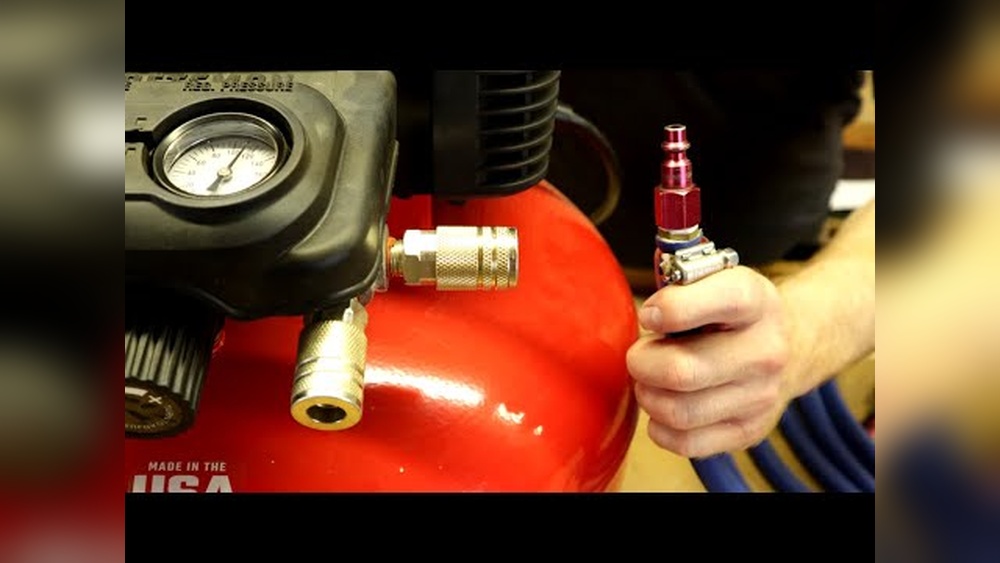
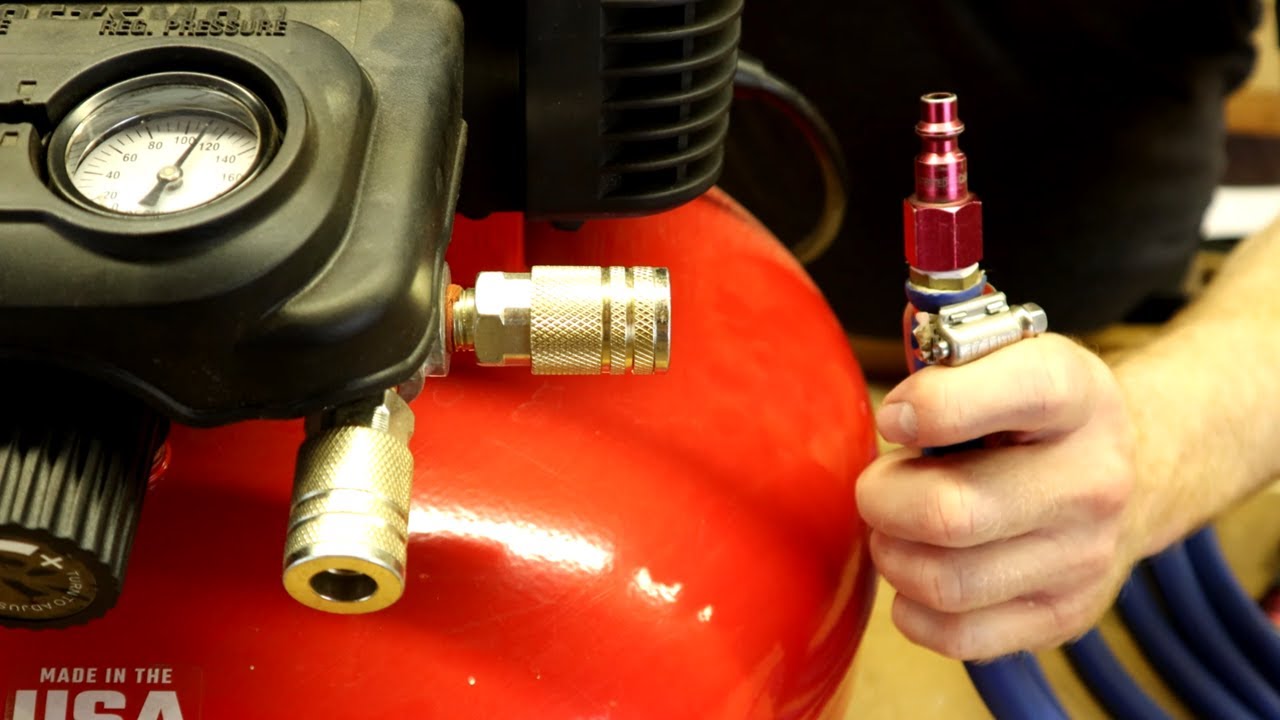
Fittings connect the hose to the compressor and tools. Match the fitting size to both the hose and compressor outlet. Common sizes are 1/4 inch and 3/8 inch. Use quick-connect fittings for easy attachment and removal.
Essential Tools For Attachment
Gather basic tools before starting. You need an adjustable wrench or pliers to tighten fittings securely. Teflon tape helps seal threaded connections and prevents leaks. Keep a cloth handy to clean the fittings and hose ends.
Credit: www.youtube.com
Preparing The Air Compressor
Preparing the air compressor is the first step to safely attach a hose. This step ensures your work is safe and your equipment stays in good shape. Taking time to prepare helps avoid accidents and damage.
Turning Off And Unplugging
Start by turning off the air compressor. Find the power switch and set it to the off position. Then, unplug the power cord from the electrical outlet. This cuts the power and stops the compressor from running.
Releasing Air Pressure
Next, release any built-up air pressure. Find the pressure release valve on the tank or near the outlet. Open the valve slowly to let the air escape. This step keeps the hose and fittings safe during attachment.
Inspecting The Compressor Outlet
Check the compressor outlet for dirt or damage. Clean the area if you see dust or debris. Make sure the threads or quick-connect fittings are not worn out. A clean, undamaged outlet ensures a good seal with the hose.
Attaching The Hose
Attaching the hose to your air compressor is a simple step that ensures efficient air flow. A secure connection prevents leaks and keeps the compressor working well. Follow these steps carefully to attach the hose correctly and safely.
Aligning The Hose Fitting
Start by checking the hose fitting and compressor outlet. Make sure both parts match in size and type. Hold the hose fitting straight and align it with the compressor’s air outlet. Avoid forcing the hose at an angle. Proper alignment helps create a tight seal and prevents damage.
Securing With Quick Connect Couplers
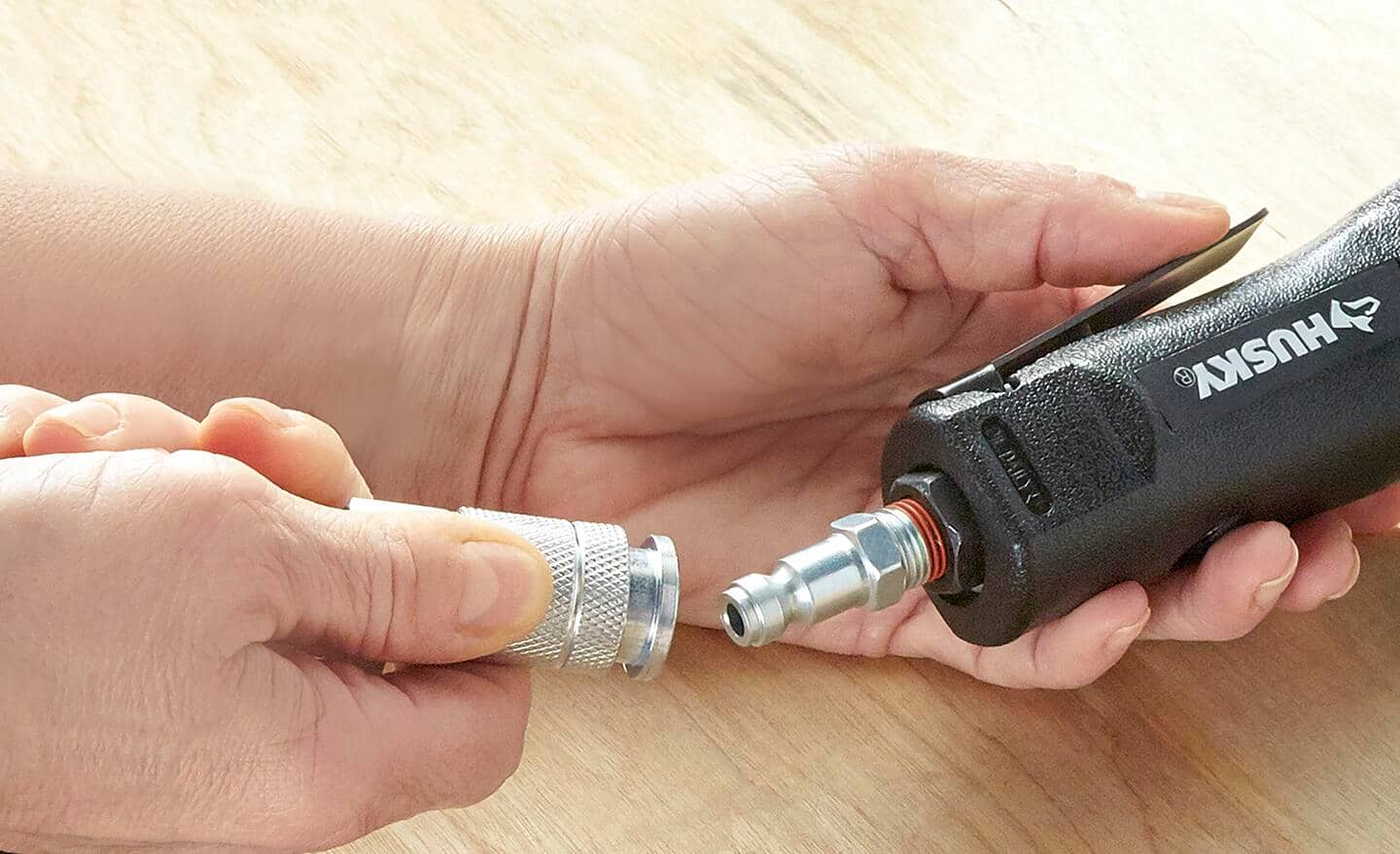
Quick connect couplers make attaching and detaching the hose fast and easy. Push the hose fitting into the coupler firmly until you hear a click. This sound means the connection is locked. Pull gently on the hose to confirm it’s secure. These couplers stop air leaks and keep the hose in place during use.
Using Thread Seal Tape For Tightness
Thread seal tape improves the seal on threaded hose connections. Wrap the tape around the threads of the hose fitting in a clockwise direction. Use two to three layers for a good seal. Screw the hose onto the compressor fitting tightly by hand. The tape stops air from escaping and keeps the connection tight.
Credit: www.homedepot.com
Testing The Connection
Testing the connection is a key step after attaching a hose to an air compressor. It ensures the hose is secure and the compressor works properly. This step helps avoid air leaks and poor performance. Follow these simple checks to confirm your setup is ready.
Powering On The Compressor
Start by plugging in the compressor. Turn the power switch on. Listen for the compressor to begin running. The motor should sound smooth and steady. A strong start means the machine is working well. Watch the pressure gauge. It should rise steadily as the compressor fills with air.
Checking For Air Leaks
Next, check for air leaks around the hose connection. Use your hand to feel for any escaping air. You might hear a hissing sound near loose fittings. Tighten all connectors if you find leaks. Soap and water can help spot bubbles where air escapes. Fix leaks to keep the compressor efficient and safe.
Ensuring Proper Airflow
Finally, confirm that air flows properly through the hose. Hold the hose end and feel the air pressure. It should be strong and steady without drops. Test the airflow with your tool or device attached. Smooth airflow means a good connection. Adjust or replace parts if airflow seems weak or inconsistent.
Troubleshooting Common Issues
Troubleshooting common issues with your air compressor hose saves time and effort. Problems like air leaks, loose connections, or damaged fittings reduce performance. Fixing these issues ensures safe and efficient operation. Below are simple steps to solve typical problems.
Fixing Air Leaks
Air leaks cause loss of pressure and waste energy. First, listen for hissing sounds near the hose and fittings. Use soapy water to spot bubbles at leaks. Tighten connections or replace worn parts to stop leaks. Check the hose for cracks or holes and patch small damages with repair tape.
Handling Loose Connections
Loose connections reduce airflow and can detach during use. Ensure the hose end fits tightly onto the compressor outlet. Turn the hose coupling clockwise to secure it. Use a wrench to tighten if needed but avoid over-tightening. Check quick-connect fittings for wear and replace if they don’t lock firmly.
Replacing Damaged Fittings
Damaged fittings cause leaks and poor connections. Remove the hose from the compressor. Use pliers or a wrench to unscrew the damaged fitting. Match the new fitting size and type before installation. Screw the new fitting on tightly and check for leaks. Replace fittings regularly to keep the system reliable.
Maintenance Tips For Hose And Compressor
Keeping your air compressor and hose in good shape is key to lasting performance. Regular care prevents damage and saves money on repairs. Simple steps can extend the life of your equipment.
Regular Inspection
Check your hose and compressor often for cracks or leaks. Look for wear on the hose surface and fittings. Tighten loose connections to avoid air loss. Early detection stops small problems from growing.
Proper Storage Techniques
Store the hose in a dry, cool place away from sunlight. Avoid sharp bends or kinks in the hose during storage. Coil the hose loosely to keep it flexible. Keep the compressor covered to protect it from dust.
Cleaning And Lubrication
Clean the hose and compressor after each use to remove dirt. Use a damp cloth for the hose and a dry cloth for the compressor. Lubricate compressor parts as the manual suggests. This keeps the machine running smoothly and reduces wear.
Frequently Asked Questions
How Do I Connect A Hose To An Air Compressor?
First, ensure the compressor is off and depressurized. Attach the hose fitting to the compressor’s outlet. Tighten securely with a wrench. Check for leaks before use to ensure a proper seal.
What Type Of Hose Fits An Air Compressor?
Use a hose rated for air compressor use. Typically, rubber or PVC hoses work well. Ensure the hose diameter matches the compressor outlet for compatibility and efficient airflow.
How Do I Prevent Air Leaks In Hose Connections?
Tighten connections firmly and use Teflon tape on threads. Inspect fittings regularly for wear or damage. Replace any faulty parts to maintain a secure, leak-free connection.
Can I Use Any Hose With My Air Compressor?
No, only use hoses designed for compressed air. Using improper hoses can cause damage or safety hazards. Always check hose pressure ratings and compatibility with your compressor.
Conclusion
Attaching a hose to an air compressor is simple and quick. Start by checking the hose and compressor connections for damage. Secure the hose tightly to avoid air leaks. Use the right fittings to ensure a good fit. Always follow safety steps to protect yourself.
With these easy steps, your air compressor will work well. Now, you can focus on your projects without worry. Practice a few times to gain confidence. Soon, it will feel like second nature.