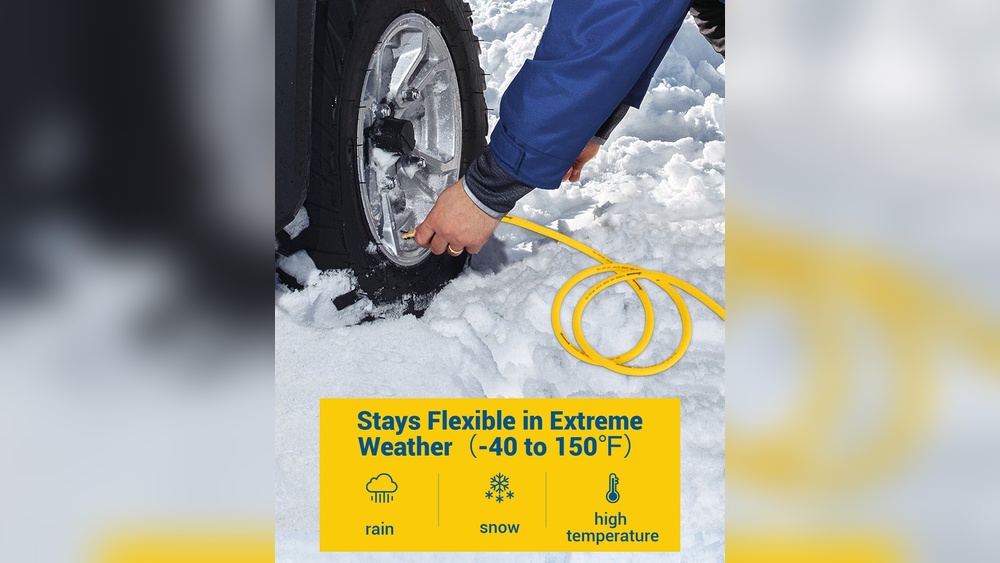
When winter hits, you need tools that won’t let you down—especially your air compressor hose. If your hose becomes stiff and hard to use in the cold, it can slow you down and make your work frustrating.
You want a hose that stays flexible, no matter how low the temperature drops. You’ll discover which air compressor hoses keep their flexibility during winter, so you can keep working smoothly without any hassle. Keep reading to find the perfect hose that won’t freeze up when you need it most.
Factors Affecting Hose Flexibility In Cold
Cold weather can make many materials stiff and hard to use. Air compressor hoses are no different. Their flexibility in winter depends on several key factors. Understanding these helps you choose the right hose for cold conditions. Here are the main elements that affect hose flexibility in low temperatures.
Material Composition
The type of material used in a hose shapes its flexibility. Rubber hoses often stay softer in cold weather. PVC hoses tend to become brittle and crack. Hybrid materials combine rubber and plastic for better cold performance. Materials with good elasticity handle freezing temperatures well.
Wall Thickness
Thicker hose walls can resist damage but may lose flexibility. Thin walls bend easier but risk punctures or kinks. A balance between thickness and flexibility is key. Thinner walls often stay more flexible in the cold. Thick walls can harden and limit movement.
Temperature Ratings
Each hose has a temperature rating that shows its cold tolerance. Ratings tell you the lowest temperature the hose can handle safely. Choose hoses with ratings well below your local winter temperatures. A hose rated for cold use will stay flexible and last longer. Check ratings before buying for winter use.
Best Materials For Winter Flexibility
Choosing the right material for an air compressor hose is key for winter use. Cold temperatures can make hoses stiff and hard to handle. Some materials stay soft and flexible, even in freezing weather. This helps keep your work smooth and safe. Here are the best hose materials that stay flexible in winter.
Pvc Hoses
PVC hoses are lightweight and cost-effective. They resist moisture and chemicals well. Modern PVC hoses have additives that improve flexibility in cold weather. They do not crack easily when temperatures drop. However, very low temperatures may still make them a bit stiff. PVC hoses work well for light to medium tasks in winter.
Rubber Hoses
Rubber hoses are known for excellent flexibility. They remain soft even in freezing cold. Rubber resists abrasion and rough handling. These hoses are ideal for heavy-duty jobs during winter. Their durability and flexibility make them a top choice. Rubber hoses handle cold better than many other materials.
Hybrid Hoses
Hybrid hoses combine materials like rubber and PVC. This mix offers the best of both worlds. Hybrids stay flexible in cold weather and resist damage. They are lighter than pure rubber hoses but still strong. Hybrid hoses adapt well to different winter conditions. These hoses are great for users needing balance between flexibility and toughness.
Top Air Compressor Hoses For Winter
Choosing the right air compressor hose for winter is important. Cold weather can make hoses stiff and hard to use. Some hoses stay flexible and strong even in freezing temperatures. This section covers the top air compressor hoses that work well in winter. These hoses keep working without cracking or losing shape. They offer good performance and durability in cold conditions.
Highly Flexible Rubber Hoses
Rubber hoses remain soft and bend easily in cold weather. They resist cracking and splitting on contact with cold air. These hoses handle pressure well without losing flexibility. Rubber hoses are ideal for outdoor work in winter. They provide steady airflow and last longer in freezing temperatures.
Cold-resistant Pvc Options
PVC hoses designed for cold resist stiffening. They stay flexible even when temperatures drop below freezing. These hoses are lightweight and easy to carry. Cold-resistant PVC hoses are less expensive than rubber but still reliable. They work well for light to medium tasks in winter.
Hybrid Models With Enhanced Durability
Hybrid hoses combine rubber and PVC for better strength. They offer excellent flexibility and resistance to cold. These hoses resist kinks and abrasions in harsh conditions. Hybrid models suit heavy-duty use in winter. They balance durability with ease of use in freezing weather.

Credit: shopjoe.com
Maintenance Tips For Winter Hose Use
Winter can be tough on air compressor hoses. Cold weather makes hoses stiff and prone to damage. Proper care helps keep hoses flexible and working well. Follow these maintenance tips to protect your hose during winter months.
Proper Storage
Store hoses indoors when not in use. Keep them in a dry, warm place. Avoid leaving hoses on cold concrete or snow. Coil hoses loosely to prevent kinks. Use hooks or reels to hang hoses off the ground.
Preventing Cracks And Damage
Do not stretch or pull hoses roughly. Cold hoses are more likely to crack under pressure. Use hose sleeves or covers for added protection. Avoid sharp bends or twisting. Keep hoses away from heat sources that can dry them out.
Regular Inspection
Check hoses often for signs of wear or cracks. Look for soft spots or leaks. Replace damaged hoses immediately to avoid accidents. Clean hoses regularly to remove dirt and debris. Early detection extends the hose’s life and saves money.
Buying Guide For Winter-ready Hoses
Choosing the right air compressor hose for winter is important. Cold weather can make some hoses stiff and hard to use. A good winter-ready hose stays flexible, so you can work without trouble. This guide helps you pick the best hose for cold conditions.
Key Features To Look For
Find hoses made from materials that resist cold. Rubber and polyurethane stay flexible in low temperatures. Look for hoses with thick walls. They handle pressure and avoid kinks. Check if the hose has a smooth outer surface. It prevents ice buildup and cracking. Strong fittings are important too. Metal connectors last longer than plastic ones.
Recommended Lengths And Sizes
Choose a hose length that fits your workspace. Too short limits movement. Too long can cause tangles. Common lengths are 25, 50, or 100 feet. Hose diameter matters for airflow. A 3/8 inch hose works for most tools. For heavy-duty use, 1/2 inch is better. Balance length and diameter for easy use and power.
Price Vs Performance
Cheap hoses may stiffen in cold weather. Spending a bit more buys better materials and durability. Look for hoses with good reviews on winter use. A higher price often means better flexibility and longer life. Avoid hoses that crack or leak after one winter. Investing in quality saves money over time.

Credit: www.amazon.com

Credit: www.amazon.sa
Frequently Asked Questions
Which Air Compressor Hose Stays Flexible In Winter?
Rubber hoses with EPDM or nitrile compounds remain flexible in cold weather. These materials resist cracking and maintain elasticity below freezing temperatures, making them ideal for winter use.
Why Do Some Hoses Become Stiff In Cold Weather?
Hoses made from PVC or standard plastic harden because low temperatures reduce their flexibility. This leads to cracking or kinking during winter, making them unsuitable for cold conditions.
How To Choose A Winter-friendly Air Compressor Hose?
Look for hoses labeled as cold weather or winter rated. Prioritize rubber or hybrid hoses with reinforced layers for durability and flexibility in freezing temperatures.
Can Polyurethane Hoses Stay Flexible In Winter?
Polyurethane hoses offer some flexibility but can become stiff below 32°F. They are better than PVC but not as reliable as rubber-based hoses in extreme cold.
Conclusion
Choosing the right air compressor hose helps in cold weather work. Flexible hoses stay soft and easy to handle during winter. Materials like rubber and hybrid blends keep hoses from stiffening. A flexible hose saves time and avoids frustration on the job.
Always pick hoses designed for low temperatures to ensure smooth use. Remember, a good hose means better performance and longer life. Stay prepared this winter with the best flexible air compressor hose.