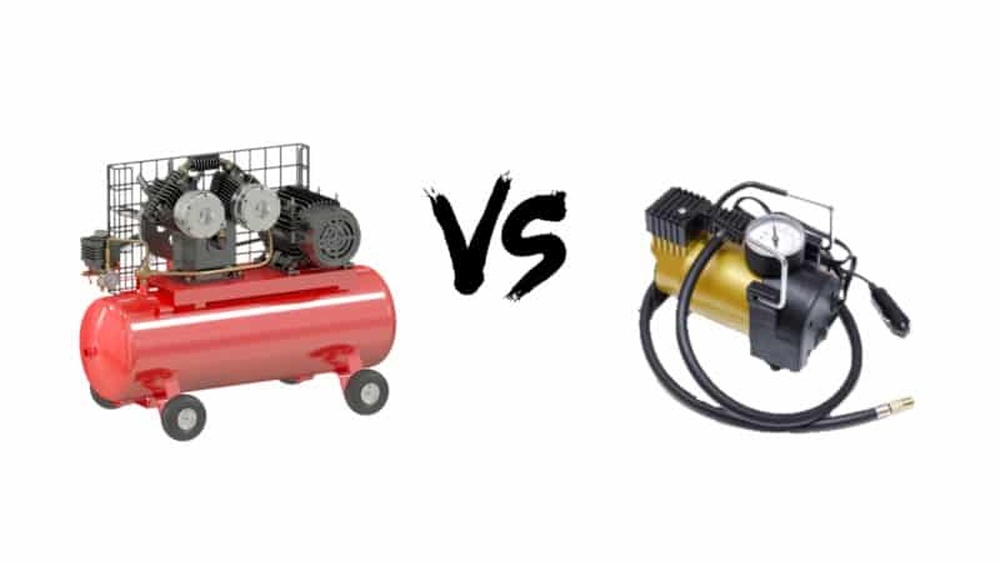
Choosing the right tool for moving air can be confusing. If you have ever wondered about the difference between an air compressor and an air pump, you are not alone. Both machines move air, but they do it in very different ways and for different jobs. Picking the wrong one can waste your time and money. In this article, you will discover what makes each tool special, how they work, and when to use one over the other. Whether you want to inflate tires, run power tools, or just fill a pool float, understanding these differences will save you a lot of trouble.
What Is An Air Compressor?
An air compressor is a machine that takes air from the environment and forces it into a storage tank. This process increases the pressure of the air. The high-pressure air can then be used for various tasks, such as powering tools, spray painting, or running machinery.
Most air compressors use an electric motor or a gasoline engine. The motor drives a piston or rotary screw, which squeezes the air and pushes it into the tank. Once the pressure reaches a certain level, the compressor stops, and the air is ready to use.
Common Uses For Air Compressors
- Powering pneumatic tools (nail guns, impact wrenches, drills)
- Inflating tires (cars, trucks, bicycles)
- Spray painting (cars, furniture, home projects)
- Sandblasting
- Industrial manufacturing
- Operating automated machines
How Air Compressors Work
Air compressors use different technologies, but the main goal is to store air at a higher pressure. The most common types include:
- Reciprocating (piston) compressors: Use a piston inside a cylinder to squeeze air.
- Rotary screw compressors: Use two rotating screws to compress air.
- Centrifugal compressors: Use a spinning disk to increase air pressure (mostly in industry).
The process:
- The motor turns on and pulls air inside.
- The air is compressed and stored in the tank.
- When you use a tool, the pressurized air is released through a hose.
What Is An Air Pump?
An air pump moves air from one place to another, but it does not store it under high pressure. Instead, it delivers a steady flow of air, usually at low pressure. Air pumps are simple and lightweight, often powered by hand, battery, or small electric motors.
Common Uses For Air Pumps
- Inflating sports balls (footballs, basketballs, volleyballs)
- Filling air mattresses or pool floats
- Aquarium aeration (supplying fish tanks with oxygen)
- Bike tire inflation (with small portable pumps)
- Medical devices (such as CPAP machines)
How Air Pumps Work
Air pumps come in several types. The most common are:
- Manual hand pumps: Operated by hand or foot, like a bicycle pump.
- Electric air pumps: Small motors push air for inflating items.
- Diaphragm pumps: Use a flexible membrane to move air, common in aquariums.
The process:
- The pump pulls in air from the environment.
- It pushes the air directly into the object or space.
- There is no storage tank or high pressure involved.

Credit: www.youtube.com
Key Differences Between Air Compressor And Air Pump
Understanding the differences is important before you buy or use one. Here is a simple comparison in an easy-to-read format:
| Feature | Air Compressor | Air Pump |
|---|---|---|
| Main Function | Compresses and stores air at high pressure | Moves air at low pressure |
| Pressure Output | High (often 100+ PSI) | Low (usually below 5 PSI) |
| Storage Tank | Yes | No |
| Typical Uses | Power tools, industrial, tire inflation | Inflatables, aquariums, sports balls |
| Size & Weight | Usually large and heavy | Compact and portable |
| Power Source | Electricity, gasoline | Manual, battery, small electric |
| Cost | More expensive | Less expensive |
When To Use An Air Compressor
An air compressor is your best choice when you need high pressure or must power air tools. Here are some situations where only a compressor will do:
1. Powering Pneumatic Tools
Tools like nail guns, impact wrenches, and paint sprayers require strong, constant air pressure. Only a compressor can deliver this. For example, a nail gun might need 90 PSI (pounds per square inch), which is far beyond what a simple air pump can provide.
2. Inflating Car And Truck Tires
Car and truck tires require higher pressure—often between 30 and 80 PSI. Many air pumps cannot reach these levels. Using an air compressor makes this job fast and easy.
3. Industrial And Construction Work
Factories and construction sites use compressors to run machines, tools, and even clean surfaces with blasts of air. These tasks demand reliability and strong pressure.
4. Spray Painting
Smooth and even paint spraying needs a stable, high-pressure air flow. Hobbyists and professionals both use compressors for this.
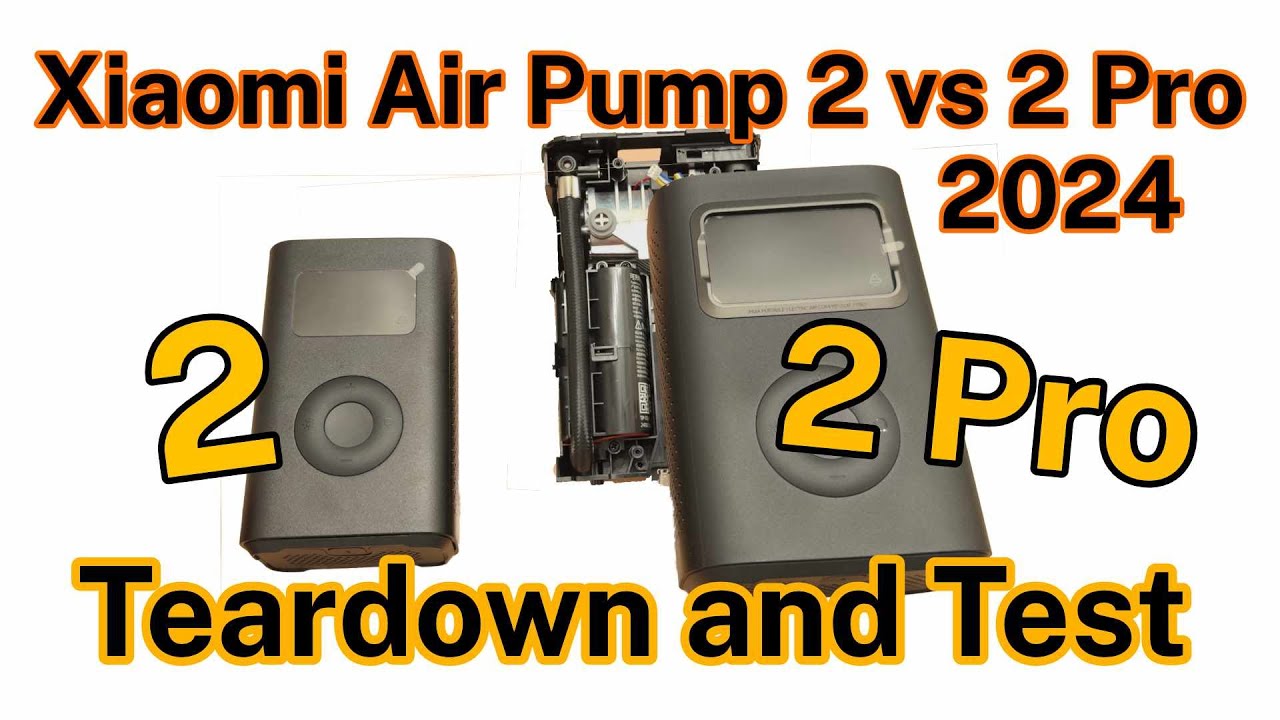
Insight: Many beginners think a small electric pump can handle all inflation tasks. In reality, most air pumps cannot safely inflate large vehicle tires or run heavy tools.
Credit: www.youtube.com
When To Use An Air Pump
Air pumps are perfect for jobs that do not require much pressure. They are lightweight, affordable, and easy to use.
1. Inflating Sports Balls
A hand pump or small electric air pump quickly fills balls for soccer, basketball, or volleyball. These items need only a few PSI.
2. Pool Toys And Air Mattresses
Most air mattresses and pool inflatables use low pressure. A simple air pump can fill them in minutes—no need for a heavy compressor.
3. Aquarium Aeration
Fish tanks need a steady stream of bubbles to keep water oxygenated. Aquarium air pumps are designed for this purpose and run quietly for long periods.
4. Medical Devices
Devices like CPAP machines use air pumps to help people breathe during sleep. These pumps are engineered to be gentle, reliable, and quiet.
Insight: People often try to use a compressor to inflate small inflatables, but the high pressure can actually burst them. Using an air pump is much safer for these items.
Advantages And Disadvantages
It is important to consider both the good and the bad before making a choice.
Air Compressor
Advantages:
- Can deliver high pressure
- Powers many types of tools
- Suitable for heavy-duty tasks
Disadvantages:
- Expensive to buy and maintain
- Heavy and noisy
- Overkill for small jobs
Air Pump
Advantages:
- Lightweight and easy to carry
- Simple to use
- Inexpensive
Disadvantages:
- Cannot provide high pressure
- Limited to small tasks
- May take longer to inflate large items
Real-world Examples
Let’s look at a few scenarios to help you decide.
Scenario 1: Home Garage
If you plan to do car maintenance at home, including inflating tires and using air tools, an air compressor is a smart investment. It gives you flexibility and power for many jobs.
Scenario 2: Camping Trip
Packing light is important. A small air pump can inflate your air mattress and pool toys easily. There is no need to carry a heavy machine.
Scenario 3: Bicycle Enthusiast
A portable hand pump is perfect for quick tire fixes while riding. If you maintain a bike workshop, a small compressor can help with fast, precise inflation.
Scenario 4: Small Business
If your business uses tools like staplers, airbrushes, or grinders, a compressor is essential. For a party rental company inflating lots of balloons, a powerful electric air pump is the right tool.
Non-obvious tip: Always check the pressure rating of your inflatable item or tool before choosing a machine. Over- or under-inflation can damage equipment or cause accidents.
Safety Considerations
Safety is often overlooked but very important.
- Air compressors must be used with caution. High pressure can cause injury. Always read the manual, wear safety glasses, and check hoses for leaks.
- Air pumps are safer, but over-inflation can still damage items. Use built-in pressure gauges if available.
Pro tip: Never leave an air compressor running unattended. Automatic shut-off is a must-have feature for home and garage use.
Cost Comparison
Here is a quick look at what you can expect to pay for each type.
| Type | Average Price (USD) | Maintenance Cost | Lifespan |
|---|---|---|---|
| Basic Air Pump | $10–$40 | Low | 3–5 years |
| Electric Air Pump | $20–$80 | Low | 2–4 years |
| Small Air Compressor | $50–$250 | Medium | 5–8 years |
| Large Air Compressor | $300–$1000+ | High | 10+ years |
Environmental Impact
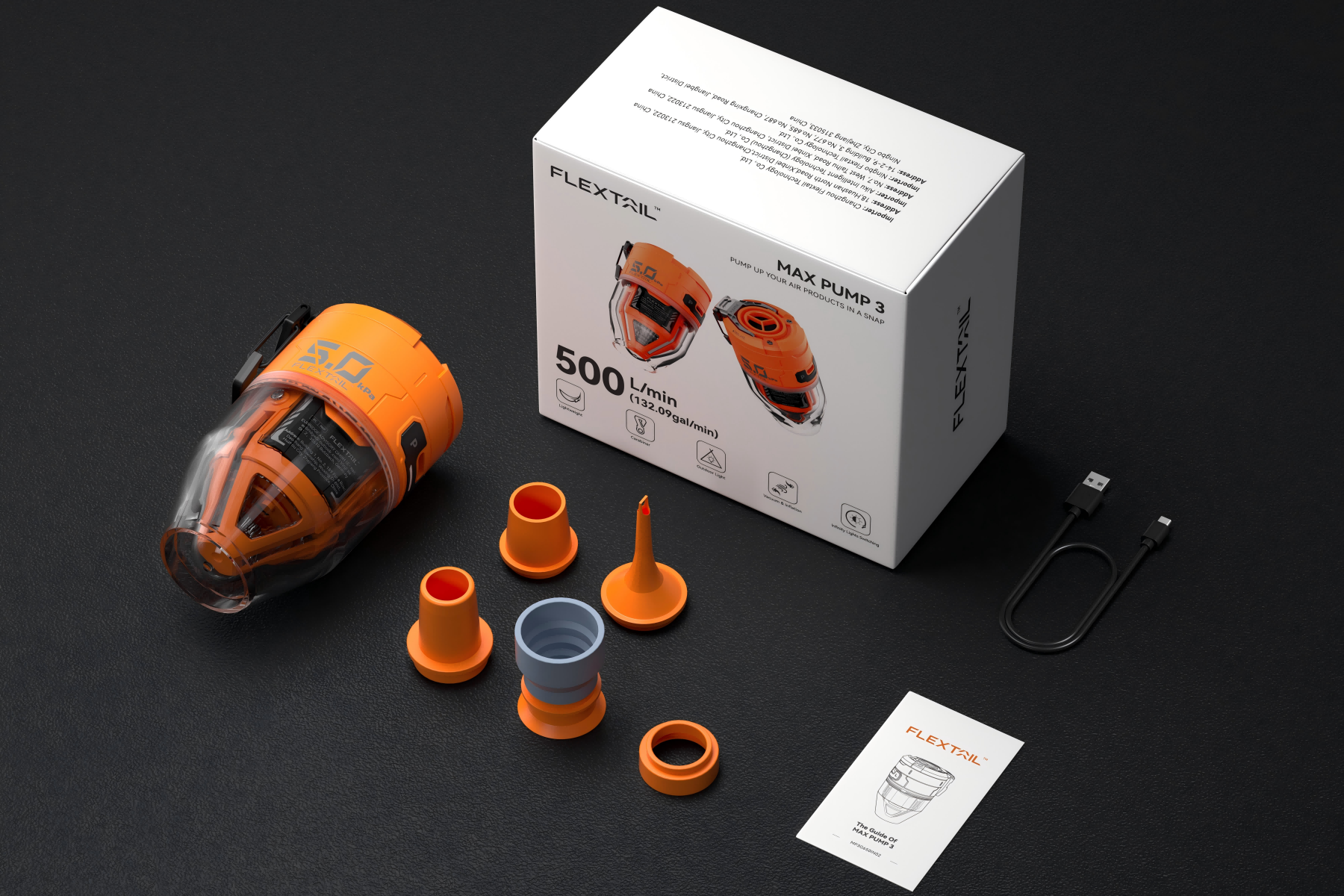
Another factor is the environmental impact. Manual and small electric air pumps use less energy and make less noise. Large air compressors use more power and may need oil changes, which can lead to waste.
Tip: If you only need to inflate a few things each year, borrow or rent a compressor instead of buying one. This saves resources and money.
Credit: www.flextail.com
How To Choose The Right Tool For Your Needs
Here are steps to help you decide:
- List your main tasks: Are you inflating tires, running tools, or just filling up pool toys?
- Check pressure requirements: Look for PSI ratings on the items you need to inflate or the tools you want to power.
- Consider portability: Do you need to carry the device, or will it stay in one place?
- Budget: Air pumps are cheaper. Compressors are an investment for bigger jobs.
- Noise and maintenance: Compressors are loud and need regular care. Pumps are quieter and simple.
Beginner mistake: Many people buy a small air compressor thinking it will do everything. In reality, a high-pressure compressor is not good for delicate or small inflatables.
Summary Table: Air Compressor Vs Air Pump
A quick reference for decision-making:
| Need | Best Choice |
|---|---|
| High-pressure tools and tires | Air Compressor |
| Inflatables, sports balls, aquariums | Air Pump |
| Portability | Air Pump |
| Heavy-duty, frequent use | Air Compressor |
| Low budget, simple use | Air Pump |
For deeper technical details about air compressors, visit the Wikipedia Air Compressor page.
Frequently Asked Questions
What Is The Main Difference Between An Air Compressor And An Air Pump?
The main difference is pressure. An air compressor stores air at high pressure for tough jobs, while an air pump moves air at low pressure for simple inflation tasks.
Can I Use An Air Pump Instead Of An Air Compressor?
Usually, no. Air pumps cannot provide the high pressure needed for car tires or air tools. They are best for small inflatables or sports balls.
Are Air Compressors Safe For Home Use?
Yes, if you follow safety rules. Always read the manual, use hoses in good condition, and never exceed pressure ratings. Automatic shut-off and pressure relief valves are important features.
Which Is More Energy Efficient, An Air Compressor Or An Air Pump?
Air pumps use less energy, especially for small tasks. Air compressors use more power because they work at higher pressure and often run larger motors.
How Do I Know Which One I Need?
Check the pressure rating of your task. If it needs more than 10 PSI, consider a compressor. For most home inflatables and aquarium use, an air pump is enough.
Choosing between an air compressor and an air pump does not have to be hard. Now you know the key differences, uses, and what to watch out for. Think about your real needs, and you will make the right choice—saving time, money, and avoiding common mistakes.