
Air conditioners make life more comfortable, especially in hot climates. But if you’ve ever called for repairs, you may have heard the technician talk about the compressor and the condenser. Many people mix these up or think they’re the same. In reality, both play very different roles inside your AC system. Understanding the differences is helpful—not just for curiosity, but for making better decisions about maintenance, repairs, or even buying a new air conditioner.
Let’s dive deep into the air conditioner compressor vs condenser debate. By the end of this article, you’ll know exactly what each part does, how they work together, common problems, and what to look for if something goes wrong. Whether you’re a homeowner, a student, or someone interested in HVAC technology, this is your complete guide—explained simply, with examples and expert tips.
How An Air Conditioner Works: The Basics
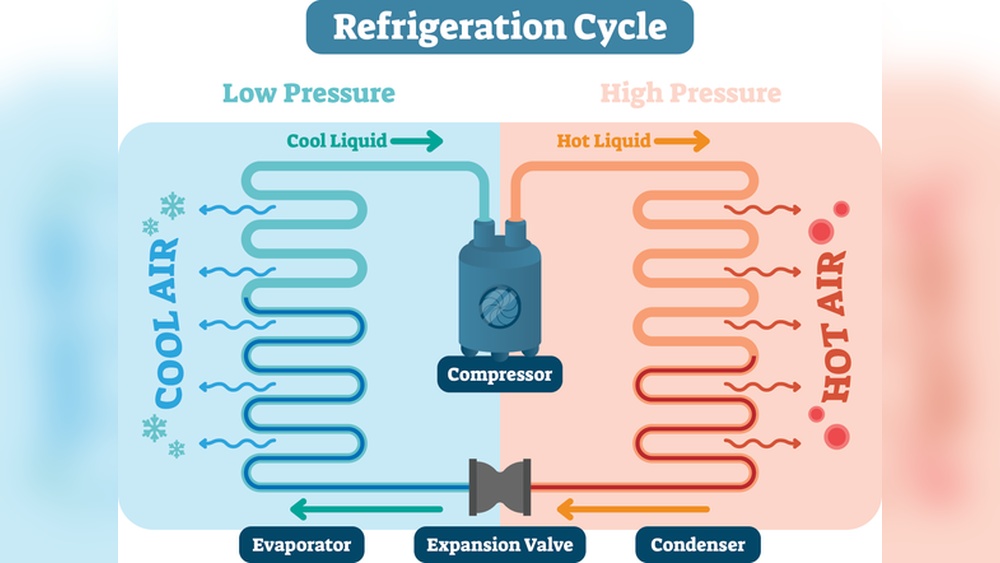
Before comparing the compressor and condenser, it’s important to see where they fit in the bigger picture. An air conditioner’s main job is to move heat from inside your room to the outside. It uses a chemical called refrigerant to do this. The refrigerant moves through a closed loop of coils and parts, changing from a gas to a liquid and back again.
Here’s a simple breakdown of the main steps:
- Evaporation: Inside your home, the refrigerant absorbs heat from the air and changes from a liquid to a gas.
- Compression: The compressor squeezes the refrigerant gas, making it hot and high-pressure.
- Condensation: The hot, high-pressure gas moves to the condenser, where it cools down and releases its heat outside, turning back into a liquid.
- Expansion: The refrigerant passes through an expansion valve, drops in pressure, and cools down again—ready to start the cycle over.
Both the compressor and the condenser are located in the outdoor unit of most split air conditioners. They are different parts, but they must work together for your AC to function.
What Is An Air Conditioner Compressor?
The compressor is often called the “heart” of the air conditioner. Its main job is to squeeze the refrigerant gas that comes from inside your house, making it hotter and increasing its pressure. This step is essential because it allows the refrigerant to release heat quickly when it reaches the condenser.
How The Compressor Works
Imagine a bike pump. When you push down, the air inside gets squeezed, and the tube gets hot. That’s similar to what the compressor does. It takes in the low-pressure refrigerant gas (full of heat from your home) and compresses it into a high-pressure, high-temperature gas. This gas is now ready to travel through the condenser coils.
Types Of Compressors
There are several kinds of compressors used in air conditioners:
- Reciprocating Compressor: Uses pistons and cylinders, like a car engine.
- Rotary Compressor: Uses rotating blades, quieter and more efficient.
- Scroll Compressor: Uses two spiral-shaped parts; known for efficiency and reliability.
- Screw Compressor: Used in large commercial systems.
- Centrifugal Compressor: Found in very large buildings; uses a spinning impeller.
Each type has its pros and cons, but for home AC units, rotary and scroll compressors are most common.
Key Functions And Importance
- Circulates refrigerant: Without the compressor, the refrigerant cannot move through the system.
- Increases pressure and temperature: This is needed for the next stage (condensation) to work.
- Determines cooling capacity: The size and type of compressor affect how much your AC can cool.
Common Compressor Problems
The compressor is a tough, hardworking part, but it can fail due to:
- Electrical issues: Power surges or wiring problems.
- Overheating: Caused by dirty coils or low refrigerant.
- Refrigerant problems: Too much or too little refrigerant can damage the compressor.
- Mechanical wear: Moving parts can break down over time.
A failed compressor often means the whole outdoor unit needs replacement, so it’s one of the most expensive repairs in air conditioning.
What Is An Air Conditioner Condenser?
The condenser is where the air conditioner releases the heat it collected from inside your house. Its main job is to cool down the hot, high-pressure refrigerant gas from the compressor and turn it back into a liquid.
How The Condenser Works
The condenser is a set of coils (usually made of copper or aluminum) and a large fan. The hot gas from the compressor enters these coils. As the gas moves through, the fan blows outside air over the coils. The air cools the refrigerant, and the gas changes back into a high-pressure liquid.
You can think of the condenser as a heat exchanger—it pushes the heat from your home out into the environment.
Key Functions And Importance
- Removes heat: The condenser’s main job is to get rid of the heat collected from inside.
- Prepares refrigerant for expansion: By cooling and liquefying the refrigerant, it gets ready for the expansion and evaporation process inside.
- Protects the system: If the condenser isn’t working, the whole cycle breaks down and the AC can overheat.
Common Condenser Problems
The condenser is exposed to the weather, so it can face several problems:
- Dirty or blocked coils: Dust, leaves, and dirt can block airflow and reduce efficiency.
- Fan failure: If the fan stops, the coils can’t cool down.
- Refrigerant leaks: Cracks or corrosion in the coils can lead to leaks.
- Physical damage: Hail, stones, or even pets can bend or damage the fins.
A condenser problem usually means your AC will run but won’t cool well—or at all.
Compressor Vs. Condenser: The Main Differences
It’s easy to mix up these two parts because they’re both in the outdoor unit and work together. But they have very different jobs. Here’s a head-to-head look at the compressor vs condenser.
| Feature | Compressor | Condenser |
|---|---|---|
| Main Function | Compresses refrigerant gas | Cools and liquefies refrigerant gas |
| Location | Outdoor unit (core mechanical part) | Outdoor unit (coils + fan) |
| Heat Role | Increases refrigerant temperature | Releases heat to outside air |
| Failure Effect | System won’t run at all | System may run, but won’t cool efficiently |
| Cost to Replace | High (often $1,000+) | Medium (often $500–$1,000) |
Why Both Parts Are Essential
Both the compressor and condenser are vital. If either fails, your air conditioner cannot cool your home. Think of the compressor as the engine—it moves the refrigerant and gives it energy. The condenser is like the radiator—it gets rid of unwanted heat.
Without the compressor, the refrigerant doesn’t flow. Without the condenser, the heat can’t escape. The whole system depends on both working together smoothly.
How They Work Together: A Simple Example
Let’s say you turn on your air conditioner on a hot day. Here’s what happens:
- The compressor squeezes the refrigerant, making it hot and high-pressure.
- The hot gas moves into the condenser coils.
- The condenser fan blows air over the coils, cooling the gas and turning it into a liquid.
- The cool, high-pressure liquid goes back inside, ready to absorb more heat.
This cycle repeats over and over, keeping your home comfortable.

Credit: thefurnaceoutlet.com
How To Identify Compressor Or Condenser Problems
If your air conditioner stops cooling, it’s natural to wonder: is it the compressor or the condenser? Here’s how you can tell the difference (though a pro should always do the final check):
Signs Of Compressor Problems
- AC won’t turn on: The whole outdoor unit may be silent.
- Humming but not starting: You hear a hum, but nothing happens.
- Tripped breaker: The circuit breaker may keep flipping.
- Warm air only: No cool air at all, even with the unit running.
Signs Of Condenser Problems
- Unit runs but blows warm air: The fan runs, but the air isn’t cold.
- Visible dirt or damage: You see bent fins, leaves, or grime on the coils.
- Fan not spinning: The condenser fan doesn’t move.
- Strange noises: Rattling or grinding outside the unit.
When To Call A Professional
Some basic cleaning, like clearing leaves from the condenser, can be a DIY job. But issues with the compressor or refrigerant lines always need a qualified technician. Both parts use high-pressure refrigerant, and mistakes can be dangerous.
Energy Efficiency: Impact Of Compressor And Condenser
Your air conditioner’s energy efficiency depends heavily on both the compressor and the condenser.
- Compressor Type: Modern “inverter” compressors can change speed, saving energy compared to old on-off models.
- Clean Condenser Coils: Dirty coils force your AC to work harder, using more power.
- Proper Sizing: A compressor that’s too small or too big wastes energy and wears out faster.
Regular maintenance, like cleaning the condenser and checking for leaks, keeps your energy bills lower.
Maintenance Tips For Both Parts
Protecting your compressor and condenser doesn’t take much time but saves a lot of money.
- Clean the condenser coils every spring and fall. Use a soft brush or hose (not a pressure washer).
- Keep the area clear: Trim bushes and remove leaves within 2–3 feet of the outdoor unit.
- Check for refrigerant leaks: If you see oily spots or hear hissing, call for service.
- Listen for strange sounds: Grinding, buzzing, or rattling are signs of trouble.
- Schedule annual tune-ups: A pro can spot problems early and keep both compressor and condenser in top shape.
Pro tip: Never cover your outdoor unit with plastic in winter. Moisture can get trapped, leading to rust or electrical problems.
Lifespan: How Long Do Compressors And Condensers Last?
With good care, both parts can last a long time—but not forever.
- Compressor: Usually 10–15 years, sometimes longer with proper maintenance.
- Condenser: About 10–20 years, depending on climate and care.
If your air conditioner is over 10 years old and needs a major repair, it may be more cost-effective to replace the whole unit with a newer, more efficient model.
Cost Comparison: Compressor Vs. Condenser Repairs
Both repairs are costly, but the compressor is usually more expensive. Here’s a typical range:
| Repair/Replacement | Average Cost (USD) | Notes |
|---|---|---|
| Compressor | $1,000–$2,500 | Includes labor and refrigerant refill |
| Condenser (coil or fan) | $500–$1,500 | Range depends on part and unit size |
| Cleaning & Basic Maintenance | $100–$300 | Prevents bigger issues |
Non-obvious tip: If your AC uses an old refrigerant like R-22 (Freon), compressor replacement can be even more expensive—sometimes it’s better to upgrade to a new, eco-friendly system.
Common Myths About Compressors And Condensers
Many people believe myths that can lead to bad decisions. Here are two beginners often miss:
- Myth 1: The compressor and condenser are the same thing.
- They are connected, but completely different in function and design.
- Myth 2: You can repair a failed compressor easily.
- In reality, compressor failure often means other hidden issues. Replacement is complex and should only be done by certified professionals.
Extra insight: Sometimes, a failing condenser can make the compressor work harder, leading to double trouble. Always check both if your AC has a problem.

Credit: cold-rite.com.au
Innovations In Compressors And Condensers
Technology is making air conditioners smarter and more efficient:
- Variable speed compressors: Adjust power based on cooling needs, saving energy and reducing noise.
- Microchannel condensers: Use less refrigerant and improve heat transfer with thinner, more advanced coils.
- Smart diagnostics: Many modern ACs can alert you to problems with the compressor or condenser before they become serious.
These innovations mean today’s air conditioners are quieter, more reliable, and cheaper to run than older models.
When Should You Repair Or Replace?
If your compressor or condenser fails, should you fix it or buy a new AC? Here’s what to consider:
- Age of your system: Over 10 years old? Replacement may be smarter.
- Repair cost vs. replacement: If repair is over half the price of a new unit, upgrade instead.
- Efficiency: Newer units can cut your energy bills by 20–40%.
- Refrigerant type: R-22 is outdated and expensive to replace.
Experience-based tip: Always get a second opinion for expensive repairs. Sometimes, a “dead” compressor is actually a simple electrical problem.
How To Choose The Right System
If you need to replace your AC, pay attention to:
- Compressor technology: Inverter or variable speed is best for efficiency.
- Condenser coil material: Copper is durable, but aluminum is more affordable.
- Warranty: Good brands offer 10 years or more on major parts.
- Proper sizing: Too big or too small causes problems—get a professional load calculation.
Mistake to avoid: Buying a bigger AC “just in case” can cause humidity problems and wasted energy.
Environmental Impact
Both the compressor and condenser affect the environment:
- Old refrigerants like R-22 damage the ozone layer. New systems use safer refrigerants like R-410A.
- Energy use: Efficient compressors and clean condensers mean less power and lower carbon footprint.
Recycling old AC units is important. Never release refrigerant into the air—it’s illegal and harmful.
The Bottom Line: Compressor Vs. Condenser
In summary, the compressor and condenser are both critical, but very different. One compresses the refrigerant gas, the other cools it down and releases heat. Understanding this difference helps you:
- Communicate better with technicians
- Spot problems early
- Make smart choices about repairs or replacement
If you keep both parts clean and maintained, your air conditioner will last longer and work better. And when problems do happen, you’ll know what questions to ask.
For more detailed HVAC knowledge, you can check resources like the Wikipedia air conditioning article.
Frequently Asked Questions
What Is The Main Job Of An Air Conditioner Compressor?
The compressor raises the pressure and temperature of the refrigerant gas so it can release heat outside. It’s the “engine” that moves the refrigerant through your AC system.
How Can I Tell If My Condenser Is Dirty Or Blocked?
Look for dirt, leaves, or bent fins on the outdoor coils. If your AC blows warm air, but the indoor fan runs, the condenser may be blocked. Clean gently with a soft brush or low-pressure water.
Is It Safe To Repair A Compressor By Myself?
No, repairing a compressor requires special tools and knowledge. The refrigerant is under high pressure and can be dangerous. Always call a licensed technician.
Can A Bad Condenser Damage My Compressor?
Yes, if the condenser isn’t removing heat properly, the compressor can overheat and fail. That’s why regular cleaning is important.
How Often Should I Service My Compressor And Condenser?
At least once a year, have a professional check and clean your system. This keeps both the compressor and condenser in good shape and helps avoid expensive repairs.
Understanding the difference between the air conditioner compressor and condenser will help you keep your system running efficiently for years to come. With this knowledge, you’re well-equipped for smarter maintenance, repairs, and even future upgrades.

Credit: www.youtube.com