
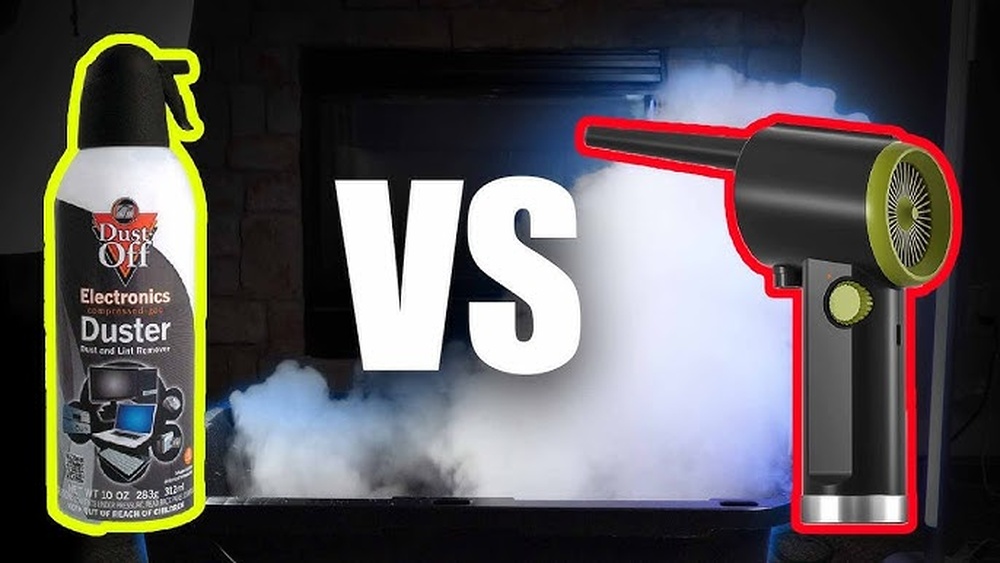
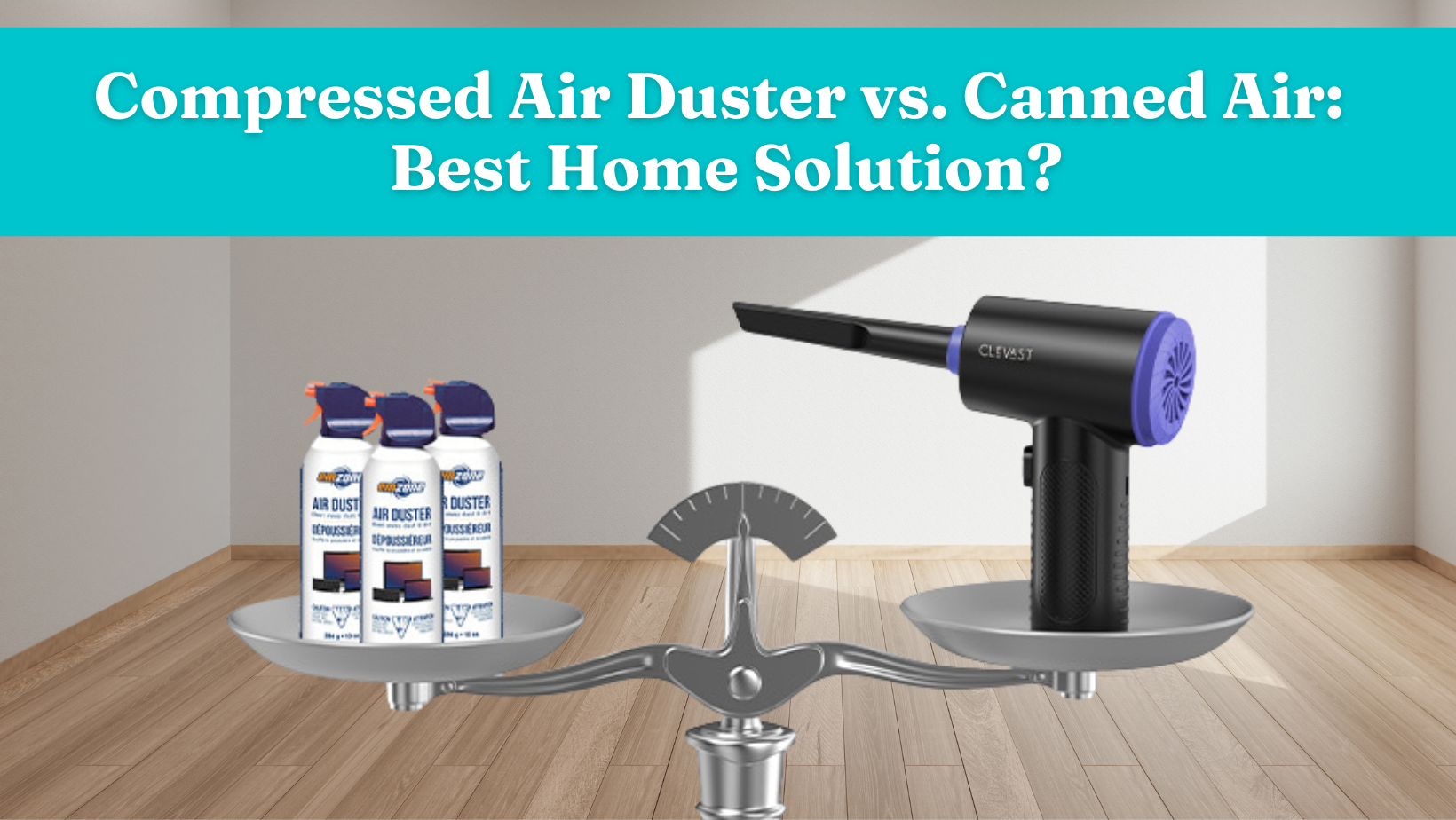
Many people want to clean computers, keyboards, cameras, and other sensitive devices without damaging them. Two common tools for this job are air compressors and canned air. At first glance, both look like simple ways to blow away dust. But when you look closer, you’ll see important differences that can affect your results, your budget, and even your health. Understanding these differences will help you choose the right tool for your needs.
What Is Canned Air?
Canned air, sometimes called “compressed air duster,” is a small aerosol can filled with pressurized gas. When you press the trigger, a strong burst of gas comes out, blowing dust and debris away from surfaces. You’ll often see canned air in offices, workshops, or homes for cleaning hard-to-reach places.
Canned air is simple to use. It’s lightweight, portable, and usually safe for electronics when used correctly. However, the name is a little misleading—there’s rarely just “air” in the can. Most brands use a chemical like difluoroethane, tetrafluoroethane, or other propellants.
What Is An Air Compressor?
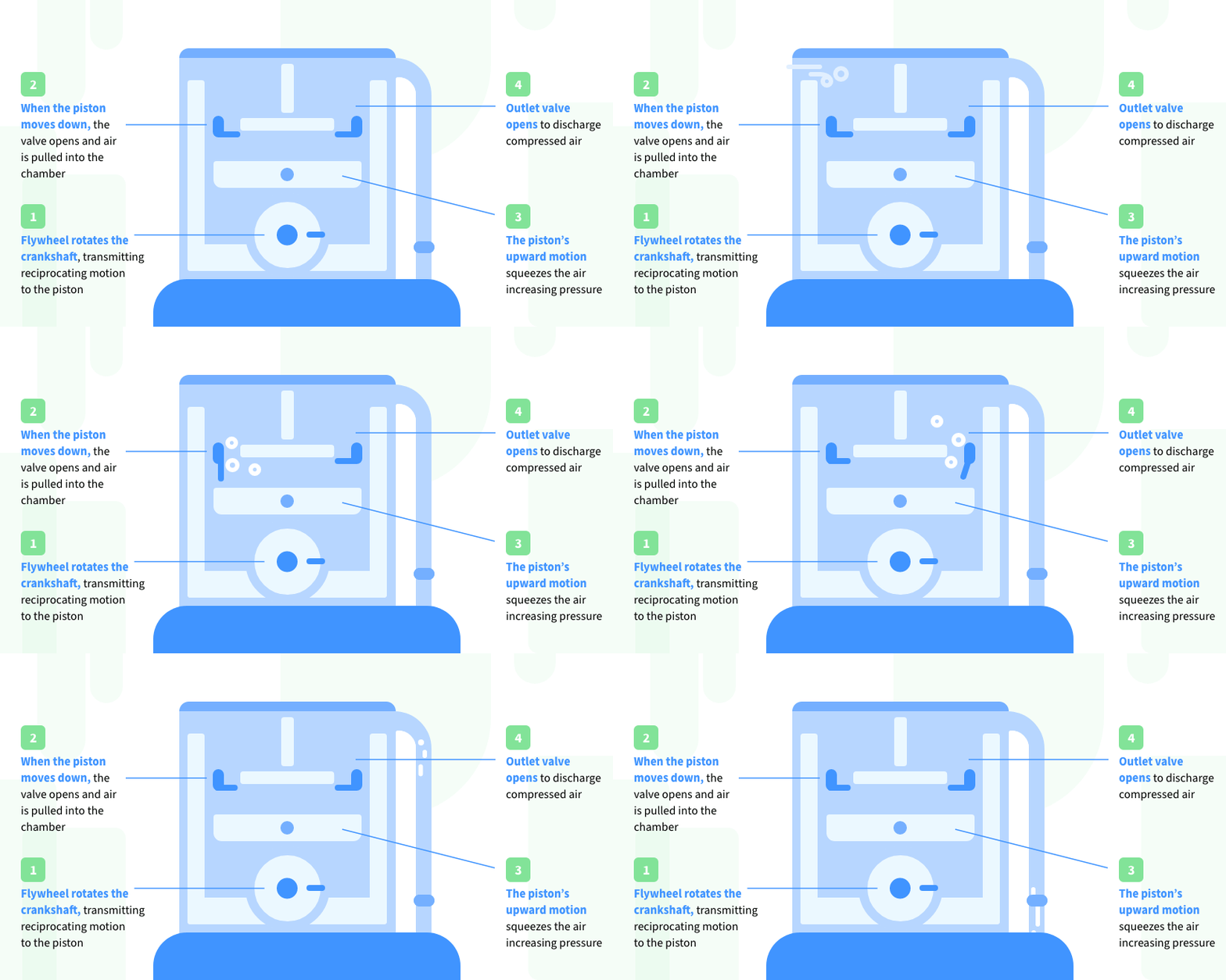
An air compressor is a machine that takes in air, compresses it to a higher pressure, and stores it in a tank. When you open a valve or press a trigger, it releases the air in a controlled stream. Compressors come in many sizes—from small, handheld units to large machines used in workshops and factories.
For cleaning, people often use a compressor with an air blower nozzle. The air is not chemically altered, just regular atmospheric air squeezed into a smaller space. Some people use compressors for much more than cleaning: inflating tires, powering tools, spray painting, and more.
Credit: compressor-source.com
Cost Comparison
When choosing between canned air and an air compressor, cost is usually the first question. Both have upfront and ongoing expenses.
| Product | Initial Cost | Ongoing Cost | Typical Lifespan |
|---|---|---|---|
| Canned Air | $5–$10 per can | Repeat purchase every use | Single use |
| Air Compressor | $50–$200+ (small units) | Minimal, mostly electricity | 5–15 years |
Canned air seems cheap at first, but costs add up quickly if you clean often. For example, if you use 10 cans per year at $7 each, that’s $70 every year. In three years, you’ll spend over $200—enough to buy a quality small compressor.
An air compressor is a bigger investment at the start, but you pay almost nothing extra except for electricity and occasional maintenance. For frequent cleaning, a compressor saves money in the long run.
Cleaning Performance
Both tools can remove dust, but their cleaning power and usability are different.
- Canned air delivers a short, strong burst but loses pressure as the can empties. After a few seconds, the stream gets weak. Also, the can gets cold with continuous use, making it uncomfortable to hold and less effective.
- Air compressors provide a steady stream of air as long as there’s power and air in the tank. You can clean for minutes without losing pressure. Some compressors let you adjust the air pressure for delicate or tough cleaning.
If you need to clean a whole office of computers, a compressor is faster and more consistent. For quick, small jobs, canned air is convenient but may run out when you need it most.
Portability And Storage
How Easy Is It To Move And Store Each Tool?
- Canned air is extremely portable. It fits in a desk drawer, a camera bag, or a glove compartment. You can take it anywhere.
- Air compressors vary in size. Small models are about the size of a shoebox, but larger ones can be heavy and need wheels. You’ll need storage space and possibly a long power cord or hose.
If you travel or need something for fieldwork, canned air is more practical. For a workshop or permanent workspace, a compressor’s size is less of a problem.
Safety Considerations
Both tools have safety issues most beginners do not realize.
Canned Air Risks
- Frostbite: The gas inside gets extremely cold when released. Accidentally spraying your skin can cause instant frostbite.
- Toxicity: The gases are not meant to be inhaled. “Huffing” canned air (even by accident) can be dangerous or fatal.
- Flammability: Some brands use flammable gases. Using canned air near open flames or sparks can be risky.
- Residue: If you tilt the can, it may spray liquid that can damage electronics.
Air Compressor Risks
- High Pressure: Too much pressure can damage delicate circuits or blow small parts away.
- Noise: Compressors can be loud, which may require ear protection.
- Flying Debris: Powerful air can send dust or parts flying—always wear eye protection.
A non-obvious tip: Always check your air compressor’s pressure gauge before cleaning electronics. Many beginners use full power and end up causing more harm than good.
Credit: clevast.com
Environmental Impact
Sustainability is a growing concern for many users.
- Canned air creates waste. Each can is single-use and must be thrown away. The propellant gases can also contribute to greenhouse effects, depending on the brand.
- Air compressors use electricity, but produce no chemical waste or disposable cans. Over time, they are much “greener” for regular use.
If you want an eco-friendly option, a compressor is the clear winner. If you use only one can a year, the difference is small—but frequent users should think about long-term impact.
Convenience And Ease Of Use
Canned air is ready to use at any moment. Just pick it up, point, and spray. There’s no setup, no cords, and no maintenance. For people who only need quick cleaning once in a while, this is a big advantage.
Air compressors need a bit more work:
- Plug in the compressor and wait for the tank to fill.
- Attach the correct nozzle.
- Adjust the pressure for your task.
- After use, you may need to drain water from the tank to prevent rust.
For beginners, this setup can feel complicated. But after a few uses, most people find it simple. If you clean often, the few extra steps save time in the long run.
Versatility And Other Uses
Canned air is only good for cleaning. Once it’s empty, it’s trash.
Air compressors can do much more:
- Inflate car or bike tires
- Power nail guns, airbrushes, and other tools
- Blow out sprinkler lines
- Clean workbenches and machinery
If you have other tasks besides cleaning electronics, a compressor gives you more value for your money.
Durability And Lifespan
Canned air is a single-use product. Once the can is empty, it’s finished.
Air compressors are built to last years with proper care. Many brands advertise 5–10 years of service life, and some last much longer. You may need to replace hoses or nozzles, but the main unit is a long-term investment.
A tip many beginners miss: Draining water from the air compressor tank after every use extends its life and prevents rust. This simple habit can add years to your compressor’s service.
Cleaning Sensitive Electronics
Electronics need gentle cleaning. Too much force or the wrong product can cause damage.
- Canned air is designed for electronics. The pressure is not too high, and the nozzle reaches tight spots. However, you must keep the can upright to prevent liquid spray.
- Air compressors can be safe for electronics, but only if you use a regulator to lower the pressure (20–30 psi is usually enough). Never use a compressor at full power on a motherboard or keyboard.
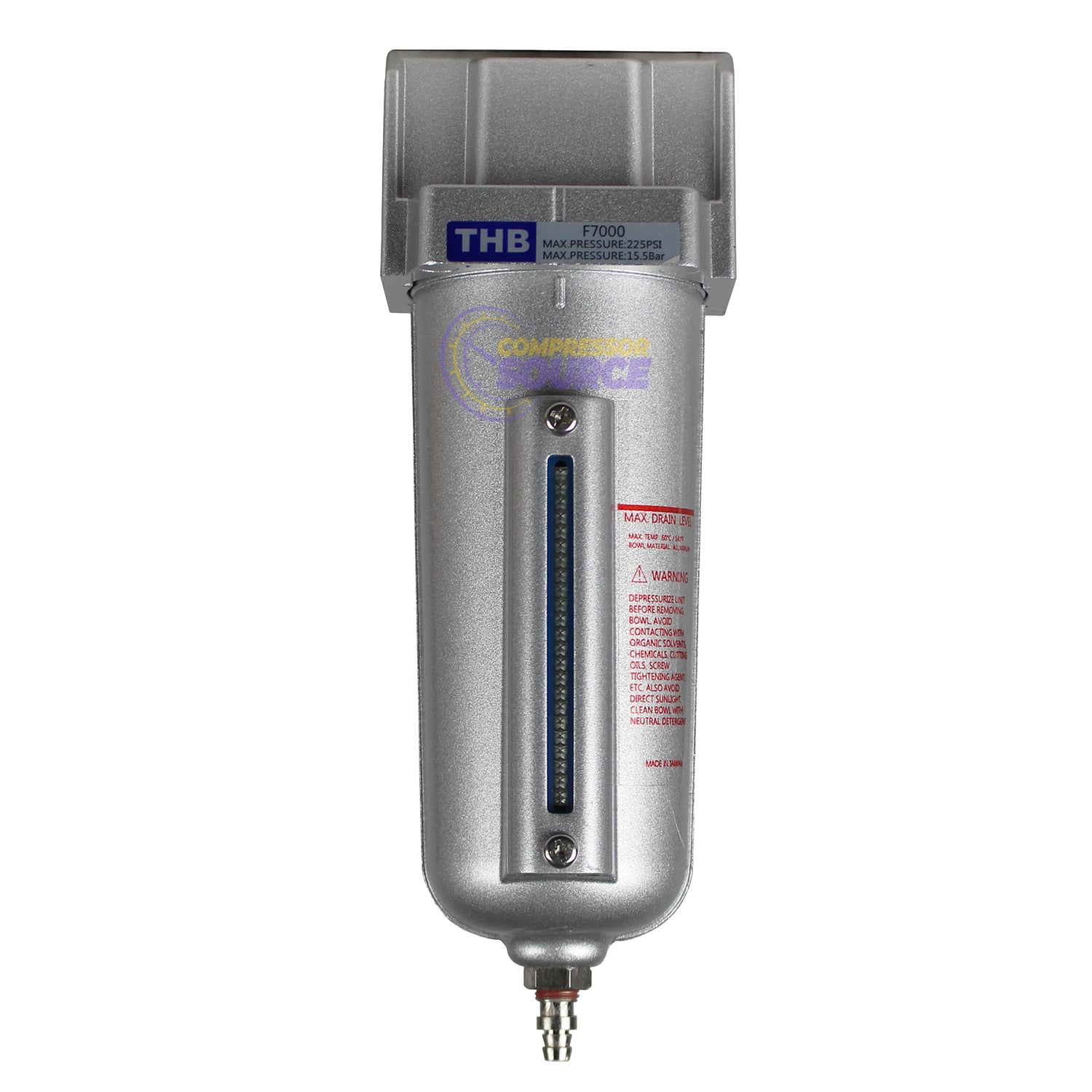
Some experienced users add a moisture trap or filter to the compressor to make sure no water or oil gets into sensitive devices. Beginners often overlook this, but it’s a small investment for peace of mind.
Cost Over Time: Real-life Example
Imagine you clean five computers every month for three years.
- With canned air, you might use two cans per month. At $7 per can, that’s $14/month, or $504 over three years.
- With an air compressor, you spend $120 up front and maybe $10 per year in electricity and maintenance. In three years, your total is about $150.
Clearly, the compressor pays for itself quickly if you clean regularly.
When To Choose Canned Air
Canned air is best if:
- You clean rarely (less than once a month)
- You travel often and need extreme portability
- You’re cleaning delicate devices and want a product designed for electronics
- You don’t want to learn new equipment
When To Choose An Air Compressor
An air compressor is the better choice if:
- You clean often or have a lot of devices
- You want to save money in the long term
- You care about environmental impact
- You need a tool for more than just cleaning
- You have storage space and don’t mind a little setup
Common Mistakes To Avoid
- Using canned air upside down: This sprays liquid, not gas, which can damage electronics.
- Using full compressor pressure on electronics: Always adjust to a safe pressure.
- Not wearing eye protection: Air jets can launch debris unexpectedly.
- Ignoring moisture traps on compressors: Water or oil in the line can ruin devices.
- Not checking for flammable gases: Some canned air brands are flammable—never use them near heat or sparks.
Side-by-side Summary Table
Here’s a quick reference to help you compare:
| Feature | Canned Air | Air Compressor |
|---|---|---|
| Initial Cost | Low | High |
| Ongoing Cost | High (repeat purchase) | Low |
| Portability | Excellent | Fair to Poor |
| Eco-Friendly | Poor | Good |
| Versatility | Single use | Multiple uses |
| Setup Required | None | Some |
| Risk to Electronics | Low (if upright) | Depends on pressure |
Credit: www.quincycompressor.com
Practical Tips For First-time Users
- Always test canned air or compressed air on a small, safe area before cleaning expensive devices.
- Keep canned air upright during use to avoid spraying liquid.
- If using a compressor, start with low pressure and increase only if necessary.
- Use short bursts of air instead of a long stream to avoid static buildup.
- Consider wearing a dust mask if you’re cleaning very dusty equipment.
For further reading on air compressor safety and best practices, see Wikipedia’s Air Compressor page.
Frequently Asked Questions
What Is The Main Difference Between Canned Air And An Air Compressor?
Canned air is a disposable can filled with pressurized gas, used once and then thrown away. An air compressor is a reusable machine that compresses regular air and can be used for many tasks, including cleaning.
Is Canned Air Safe For Cleaning Computers?
Yes, canned air is designed for cleaning electronics. Just be sure to hold the can upright and avoid spraying liquid onto sensitive parts.
Can I Use An Air Compressor For Electronics?
Yes, but only if you set the pressure low (20–30 psi) and use a moisture filter to avoid water or oil spraying out. Too much pressure can damage components.
Which Is More Eco-friendly?
An air compressor is more eco-friendly for frequent users. Canned air creates more waste and uses chemical propellants, while a compressor uses electricity and no disposable parts.
How Long Does A Can Of Canned Air Last?
It depends on use, but usually a can lasts for 2–5 minutes of spray time. For large or multiple jobs, you may need several cans.
Choosing between canned air and an air compressor depends on your needs, budget, and how often you clean. For occasional, small jobs, canned air is simple and effective. For regular cleaning or multiple uses, an air compressor is a smart, long-term investment.