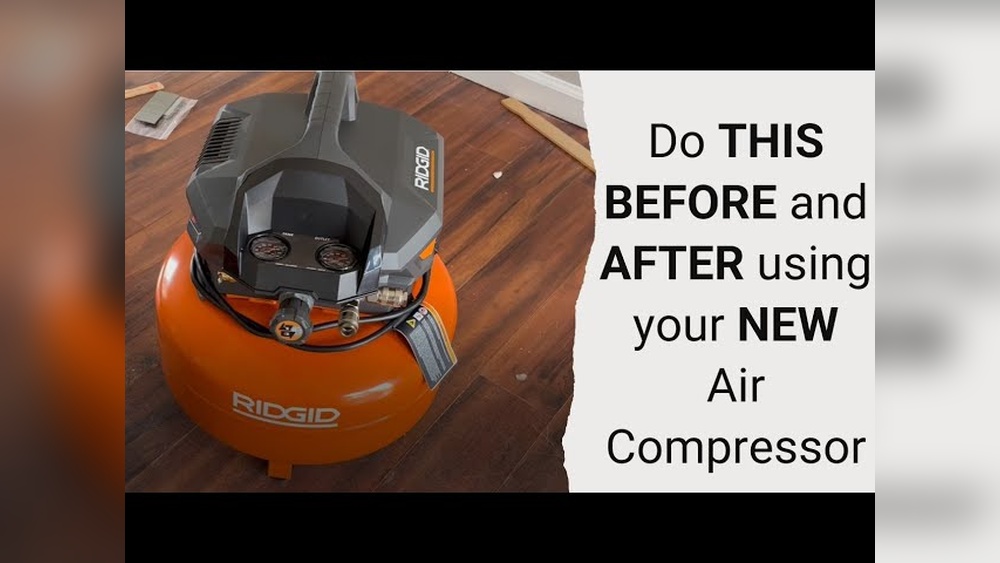
If you want to get the most out of your Ridgid air compressor, you’ve come to the right place. Whether you’re a beginner or just need a quick refresher, this guide will show you exactly how to use your Ridgid air compressor safely and efficiently.
Imagine finishing your projects faster, with less hassle and better results. By following simple steps and insider tips, you’ll feel confident handling your air compressor like a pro. Keep reading to unlock the full potential of your tool and make every job easier.
Choosing The Right Ridgid Compressor
Choosing the right Ridgid air compressor is key for good results. The right tool makes work easier and faster. It saves time and energy. Understanding the types and matching them to your needs helps you pick the best one.
Types Of Ridgid Air Compressors
Ridgid offers several air compressor types. Each suits different tasks and workspaces. Portable compressors are small and easy to move. They fit well for home projects and light jobs. Stationary compressors are larger and stay in one place. These work best for heavy or long tasks. Pancake compressors have a flat, round tank. They are good for tight spaces. Hot dog compressors have a horizontal tank. These provide more air for bigger tools. Choose a type that fits your usual work style and space.
Matching Compressor To Your Needs
Think about what tools you will use with the compressor. Check the air pressure and volume your tools need. Small tools need less air power. Big tools like nail guns need more pressure and air volume. Also, consider how long you will use the compressor. For short jobs, a small tank is fine. For long jobs, a bigger tank keeps air steady. Noise level matters if you work indoors. Some compressors are quieter than others. Pick a model that fits your budget but meets your work demands.

Credit: www.youtube.com
Setting Up Your Air Compressor
Setting up your Ridgid air compressor correctly ensures it works safely and efficiently. This step is important before using the tool for any project. Follow simple steps to prepare your compressor for use. Proper setup helps avoid damage and keeps your workspace safe.
Selecting A Suitable Location
Choose a flat, stable surface to place the air compressor. Avoid soft or uneven ground to prevent tipping. Pick a well-ventilated area to keep the compressor cool. Keep the compressor away from direct sunlight and moisture. Leave enough space around the unit for easy access and maintenance.
Connecting Power And Air Hoses
Check the power source matches the compressor’s voltage needs. Use a grounded outlet to reduce electrical hazards. Connect the power cord securely without stretching it. Attach the air hose firmly to the compressor’s outlet valve. Use hose clamps or quick-connect fittings to prevent leaks. Inspect hoses for any damage before connecting. Ensure all connections are tight to maintain proper air pressure.
Operating The Compressor Safely
Operating the Ridgid air compressor safely is very important. It helps prevent accidents and machine damage. Follow clear steps to keep yourself and the tool safe. Use simple checks and careful actions every time you work with the compressor.
Starting And Stopping Procedures
Before starting, check the compressor’s oil and air filters. Make sure the power switch is off. Plug the compressor into a grounded outlet. Turn the power switch on. Let the compressor build pressure slowly. To stop, turn off the power switch. Unplug the machine from the outlet. Release any built-up air pressure by opening the drain valve. This keeps the machine ready and safe for next use.
Monitoring Pressure Levels
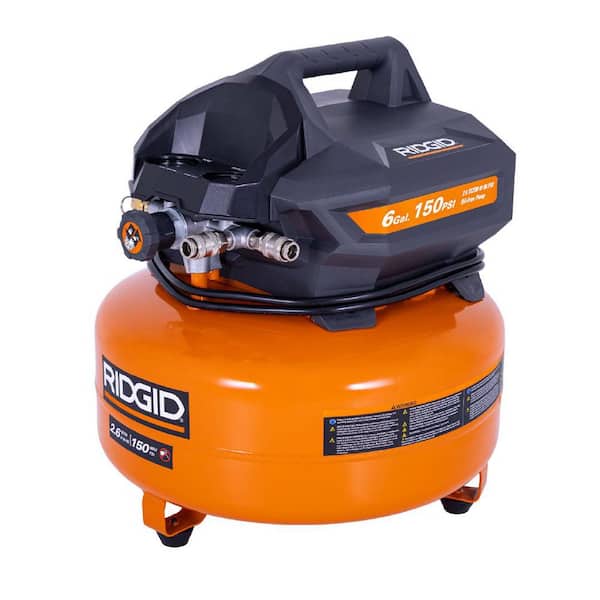
Watch the pressure gauge closely during use. Do not let the pressure go above the recommended limit. High pressure can cause damage or injury. Adjust the pressure regulator to control output. Release air if pressure gets too high. Keep the compressor in a well-ventilated space. This helps avoid overheating and keeps pressure stable.
Credit: www.homedepot.com
Maintenance For Longevity
Maintaining your Ridgid air compressor is key to making it last longer. Regular care keeps it running smoothly and avoids costly repairs. Simple steps help protect the machine and improve its performance over time.
Regular Oil Checks And Changes
Check the oil level every time before use. Low oil can cause the compressor to overheat. Change the oil as the manual suggests, usually after 50 hours of use. Use the right type of oil for your model. Clean oil means better protection for the engine parts.
Cleaning Air Filters
Air filters stop dust from entering the compressor. Dirty filters reduce airflow and make the machine work harder. Clean filters every few weeks or more often in dusty places. Replace filters if they look damaged or too dirty. This keeps the compressor efficient and extends its life.
Draining Moisture From The Tank
Moisture builds up inside the tank during use. This water can cause rust and damage the tank. Drain the tank after each use by opening the drain valve. Keep the tank dry to avoid leaks and maintain safety. Regular draining helps your compressor last longer.
Troubleshooting Common Issues
Troubleshooting common issues with your Ridgid air compressor helps keep it running smoothly. Problems like air leaks, pressure drops, and strange noises can slow your work. Catching these issues early saves time and effort.
Dealing With Air Leaks
Air leaks reduce the compressor’s efficiency. Check hoses and connections for cracks or loose fittings. Tighten any loose parts carefully. Replace damaged hoses immediately to stop leaks. Listen for hissing sounds near joints to find leaks faster.
Handling Pressure Drop Problems
Pressure drops can cause tools to work poorly. Look at the pressure gauge to monitor changes. Clean or replace the air filter if clogged. Check the regulator settings to ensure proper pressure. Drain the tank regularly to remove moisture that affects pressure.
Addressing Unusual Noises
Strange noises may signal a mechanical issue. Identify the sound type: knocking, rattling, or squealing. Tighten loose bolts and screws to reduce vibrations. Lubricate moving parts as recommended in the manual. If noises continue, inspect the motor or pump for damage.
Maximizing Compressor Efficiency
Maximizing the efficiency of your Ridgid air compressor helps save energy and extends its life. Proper use and care reduce wear and keep the compressor working at its best. Small steps make a big difference in performance.
Using Correct Accessories
Choose accessories made for your Ridgid compressor. Correct hoses and fittings keep air pressure steady. Avoid cheap or wrong parts that cause leaks or damage. Use tools that match the compressor’s power and air flow. This keeps the machine running smoothly and saves energy.
Avoiding Overloading
Do not push the compressor beyond its limits. Overloading causes the motor to overheat and wear out fast. Use the compressor only for tasks it can handle. Allow breaks during long use to cool the motor. This prevents damage and keeps the compressor ready for work.
Storing Properly Between Uses
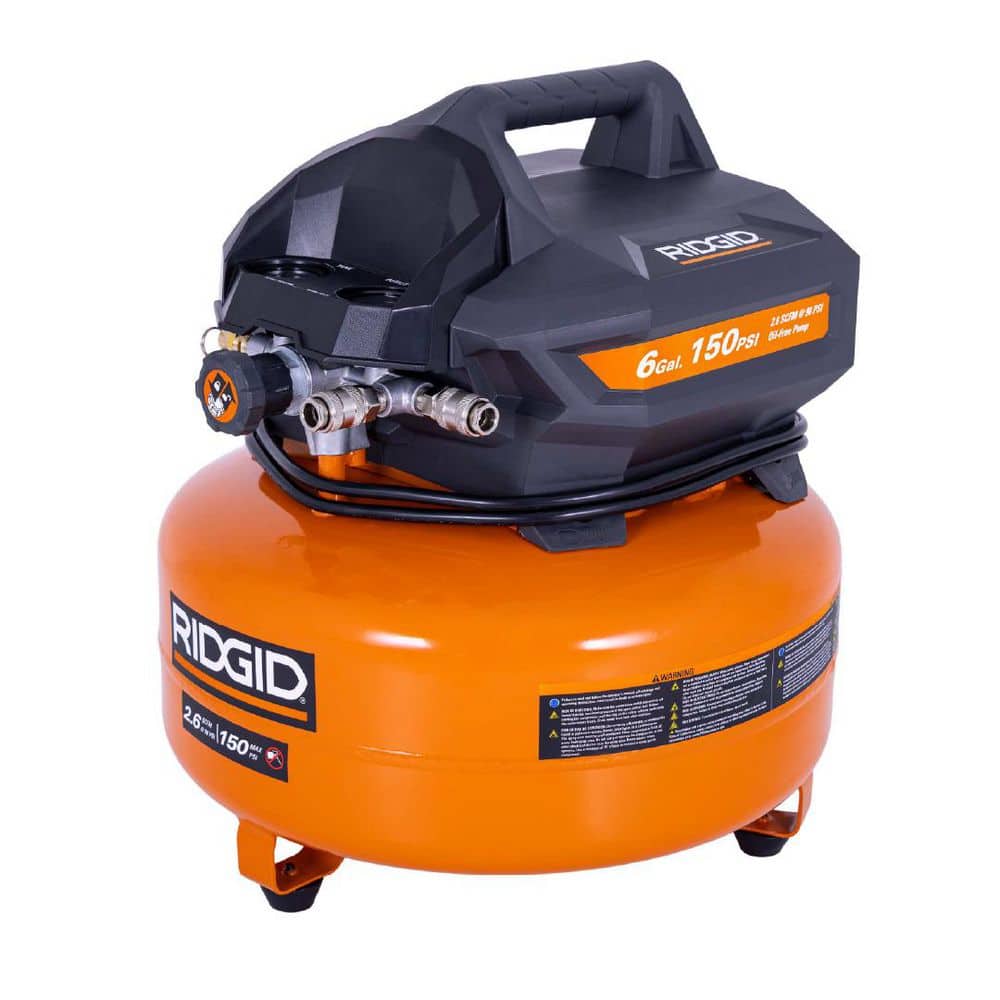
Store your compressor in a dry, clean place. Keep it away from dust and moisture that cause rust. Drain the air tank fully before storing to prevent corrosion. Cover the compressor to protect it from dirt. Proper storage keeps the compressor safe and ready for the next job.
Credit: www.homedepot.com
Frequently Asked Questions
How Do I Set Up My Ridgid Air Compressor?
First, place the compressor on a flat surface. Connect the hose and plug in the power cord. Turn the power switch on and adjust the pressure regulator to your desired PSI.
What Maintenance Does A Ridgid Air Compressor Need?
Regularly drain the tank to remove moisture. Check oil levels if your model is oil-lubricated. Inspect hoses and fittings for leaks or damage before each use.
Can I Use Ridgid Air Compressor For Nail Guns?
Yes, Ridgid Air Compressors provide consistent air pressure ideal for nail guns. Ensure your compressor’s PSI matches the nail gun’s requirements for optimal performance.
How Do I Troubleshoot Ridgid Air Compressor Issues?
Check power supply and reset the circuit breaker if needed. Inspect for air leaks and clean or replace clogged filters. Refer to the user manual for specific error codes.
Conclusion
Using a Ridgid air compressor is simple and useful for many tasks. Always check the pressure before starting your work. Keep the compressor clean and dry for better performance. Use the right attachments to fit your project needs. Regular maintenance helps the compressor last longer and work safely.
Now, you can handle your jobs with more ease and confidence. Practice these steps to get the most from your Ridgid air compressor.