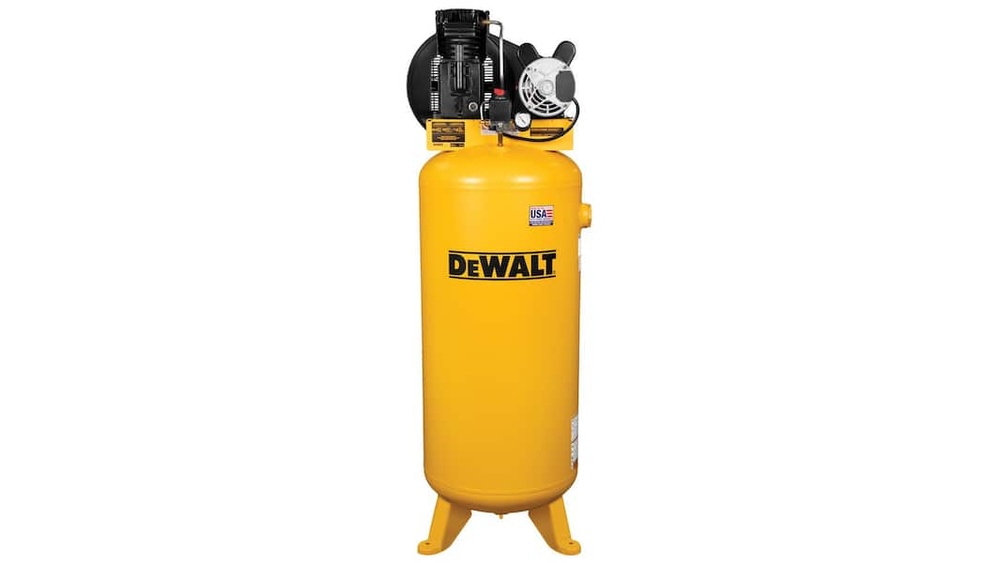
Choosing the right air compressor can make a huge difference in how smoothly your projects go. If you’re stuck between Ingersoll Rand and Dewalt, you’re not alone.
Both brands promise power, durability, and efficiency, but which one truly fits your needs? You’ll discover the key differences that affect performance, cost, and reliability. By the end, you’ll feel confident about which air compressor is the best match for your work.
Keep reading to find out what sets these two giants apart and how to pick the perfect tool for your tasks.
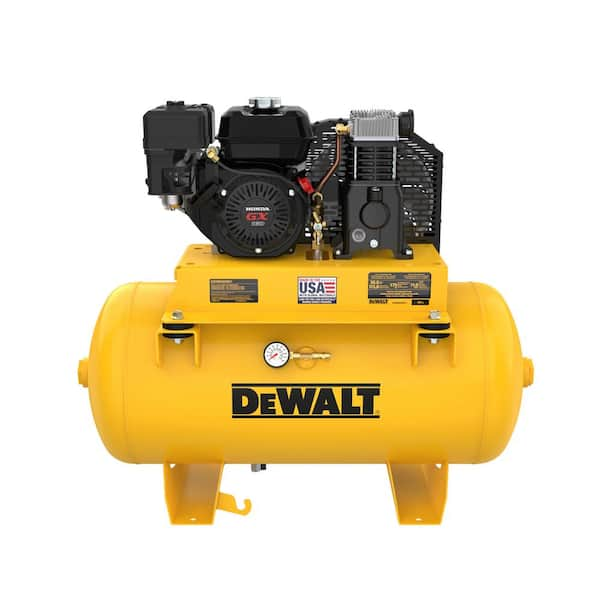
Credit: www.homedepot.com
Brand Histories
Understanding the history of Ingersoll Rand and Dewalt helps us see their strengths. Both brands have long traditions in making tools and equipment. Their past shapes their products today. Here is a brief look at their backgrounds.
Ingersoll Rand Background
Ingersoll Rand started in 1871 in the United States. It began as a small company making air tools. Over the years, it grew into a leader in industrial equipment. The brand is known for strong, durable compressors. Many industries trust Ingersoll Rand for reliable air power. The company focuses on innovation and quality. This helps it stay ahead in the market.
Dewalt Background
Dewalt began in 1924, also in the United States. It started with a powerful handheld saw. Soon, Dewalt expanded to many types of power tools. The brand is famous for tools that are tough and easy to use. Dewalt aims to help professionals work faster. Their air compressors are designed for job site use. The company is part of Stanley Black & Decker now. It keeps growing by improving its technology.
Design And Build Quality
The design and build quality of an air compressor affect its performance and lifespan. Both Ingersoll Rand and Dewalt focus on creating strong, reliable tools. Their air compressors look solid and feel tough. These machines handle tough jobs well and last long. Understanding their materials, durability, size, and portability helps decide which fits your needs best.
Materials And Durability
Ingersoll Rand uses heavy-duty steel for its compressors. This material resists dents and scratches. The parts are tightly sealed to stop dust and moisture damage. Dewalt also uses quality metals but adds more plastic in some parts. Their design aims to reduce weight without losing strength. Both brands build machines that last through hard use. Ingersoll Rand leans more on metal for extra toughness.
Portability And Size
Dewalt compressors are usually smaller and lighter. They fit easily into tight workspaces and trucks. Ingersoll Rand models tend to be larger and heavier. This makes them less easy to carry around. But bigger size means more power and longer run time. Dewalt suits users needing a compact, easy-to-move compressor. Ingersoll Rand is good for heavy-duty work that stays mostly in one place.
Performance Metrics
Performance metrics are key to comparing Ingersoll Rand and Dewalt air compressors. These numbers tell how well each compressor works. They help you choose the best tool for your needs. Focus on air delivery, PSI, motor power, and efficiency to see the differences clearly.
Air Delivery And Psi
Air delivery shows how much air the compressor pushes out. It is measured in cubic feet per minute (CFM). Higher CFM means more power for air tools. PSI stands for pounds per square inch. It measures the pressure the compressor creates. Both brands offer good PSI levels for common tasks. Ingersoll Rand often provides steady air flow at higher PSI. Dewalt tends to deliver quick bursts of air, good for short jobs. Choose based on the type of work you do most.
Motor Power And Efficiency
Motor power drives the compressor’s performance. It is usually rated in horsepower (HP). Stronger motors run longer and handle tough jobs. Ingersoll Rand models often feature high HP motors for heavy use. Dewalt motors focus on energy efficiency to save power. Efficiency means the compressor uses less electricity for the same work. This lowers operating costs and heat output. Both brands balance power and efficiency well. Pick the one that fits your job demands and energy goals.
Noise Levels
Noise levels are important when choosing an air compressor. Loud compressors can disturb your work or annoy neighbors. Both Ingersoll Rand and Dewalt offer models with different noise outputs. Understanding their noise levels helps pick the right tool for quiet or busy environments.
Decibel Ratings
Decibel ratings show how loud a compressor is during use. Ingersoll Rand compressors often range between 60 to 70 decibels. Dewalt models usually fall within 65 to 75 decibels. Lower decibel numbers mean less noise and a quieter work area.
For comparison, normal conversation is about 60 decibels. Compressors above 70 decibels can feel very loud. Choosing a compressor with a lower decibel rating can reduce ear strain and noise complaints.
Noise Reduction Features
Ingersoll Rand includes noise-reducing parts like rubber mounts and sound shields. These parts help absorb vibrations and lower sound output. Dewalt also uses similar noise control designs in many models.
Some Dewalt compressors have special insulation to block noise. Ingersoll Rand often focuses on motor design to minimize noise. Both brands offer quieter options, ideal for indoor or residential use.
Noise reduction features make working easier and safer. They protect hearing and reduce distractions. Choosing a compressor with good noise controls improves your work experience.
Maintenance And Reliability
Maintenance and reliability are key when choosing between Ingersoll Rand and Dewalt air compressors. Both brands offer strong performance, but their upkeep needs and dependability vary. Understanding these factors helps buyers pick the right tool for long-term use.
Service Requirements
Ingersoll Rand compressors need regular oil changes to keep running smoothly. Their filters and belts also require periodic checks. This brand often has detailed service guides for users to follow.
Dewalt compressors tend to have lower service demands. Many models use oil-free technology, reducing maintenance tasks. Users mainly need to clean air filters and inspect hoses.
Common Issues
Ingersoll Rand units may face problems like oil leaks or pressure drops over time. Worn-out parts such as valves and seals can cause these issues. Proper upkeep reduces these risks significantly.
Dewalt compressors sometimes experience motor overheating or air leaks. These issues usually arise from heavy use or poor maintenance. Regular inspection helps catch problems early.

Credit: www.tractorsupply.com
Price And Value
Price and value play a big role in choosing an air compressor. Both Ingersoll Rand and Dewalt offer models at different prices. Understanding cost and benefits helps buyers make smart decisions. This section breaks down their prices and support services.
Cost Comparison
Ingersoll Rand air compressors usually cost more upfront. They focus on heavy-duty use and long life. Dewalt models often have lower prices. They suit casual users and small projects. The price gap reflects the brand’s target audience. Buyers should consider how often they will use the compressor. A higher price can mean better durability and power.
Warranty And Support
Both brands offer warranties to protect buyers. Ingersoll Rand provides a longer warranty period on many models. This shows confidence in product quality. Dewalt offers solid support with a shorter warranty. Both brands have good customer service. Easy access to parts and repairs adds value. Warranty coverage can save money on future repairs.
User Experience
User experience plays a big role in choosing an air compressor. Comfort, ease, and feedback matter a lot. Both Ingersoll Rand and Dewalt offer strong options. Understanding how users feel can help you pick the right one.
Ease Of Use
Ingersoll Rand air compressors are built with simple controls. The gauges are clear and easy to read. Many models have quick-connect fittings for fast tool changes. The design feels solid but not heavy.
Dewalt compressors focus on portability. They often include handles and wheels for easy movement. Controls are straightforward and user-friendly. Setup takes little time, even for beginners.
Customer Reviews
Ingersoll Rand users praise the durability and steady performance. Many mention quiet operation during use. Some users find the price higher but worth the quality.
Dewalt customers like the lightweight design and convenience. Several reviews highlight easy transport to job sites. A few mention occasional noise but good overall value.
Best Use Cases
Choosing the right air compressor depends on how you plan to use it. Both Ingersoll Rand and Dewalt offer strong options, but their best uses vary. Understanding these helps you pick the perfect tool for your needs.
Professional Applications
Ingersoll Rand air compressors excel in heavy-duty jobs. They handle long hours and high pressure easily. Ideal for construction sites, auto shops, and manufacturing plants. Their durability supports continuous use without breaking down. Professionals rely on them for power tools, spray painting, and tire inflation. Ingersoll Rand models often have larger tanks and stronger motors. This makes them fit for demanding environments and frequent use.
Diy And Home Projects
Dewalt air compressors suit smaller tasks around the house. They are lightweight and easy to move. Perfect for hobbyists and DIY enthusiasts. Use Dewalt for nailing, stapling, or inflating bike tires. Their quiet operation makes them good for indoor work. These compressors offer enough power for most home repairs and projects. Compact designs save space in garages or workshops. Dewalt models provide good value with reliable performance for casual users.

Credit: www.tractorsupply.com
Frequently Asked Questions
Which Brand Offers More Durable Air Compressors?
Ingersoll Rand air compressors are known for their industrial durability. Dewalt models focus on portability and home use. Choose Ingersoll Rand for heavy-duty jobs and Dewalt for lighter, mobile tasks.
How Do Ingersoll Rand And Dewalt Compare In Power?
Ingersoll Rand typically provides higher PSI and CFM ratings. Dewalt compressors suit smaller tasks with moderate power needs. Your choice depends on your project’s power requirements.
Are Ingersoll Rand Or Dewalt Compressors Easier To Maintain?
Dewalt compressors are user-friendly with simple maintenance routines. Ingersoll Rand units may require more professional servicing. For hassle-free upkeep, Dewalt is often preferred by DIY users.
Which Air Compressor Is More Cost-effective?
Dewalt air compressors generally have a lower upfront cost. Ingersoll Rand models cost more but offer long-term reliability. Consider your budget and usage frequency before deciding.
Conclusion
Choosing between Ingersoll Rand and Dewalt depends on your needs. Both brands offer strong, reliable air compressors. Ingersoll Rand focuses on durability and heavy-duty use. Dewalt provides portability and user-friendly features. Think about how often and where you’ll use the compressor.
Consider noise level, power, and price before deciding. Either choice will support your projects well. Quality tools make work easier and faster. Take time to compare specs and reviews closely. Your ideal air compressor is waiting.