Have you ever wondered if you can fill your paintball tank using an air compressor? If you’re like many paintball enthusiasts, finding a quick and convenient way to refill your tank is a top priority.
But is your everyday air compressor up to the task, or could it cause more harm than good? Understanding the right method can save you time, money, and even keep you safe on the field. Keep reading to discover what you need to know before you try filling your paintball tank with an air compressor.

Credit: skullmonkeyspb.com
Paintball Tank Basics
Understanding paintball tanks helps you use and maintain them safely. These tanks store the air or gas needed to shoot paintballs. Knowing how they work and their types makes filling them easier and safer.
Paintball tanks come in different shapes and sizes. Each type has unique features and uses. Materials also affect tank strength and durability. Learning these basics helps you handle your tank with care.
Types Of Paintball Tanks
There are mainly three types of paintball tanks. First, compressed air tanks, which use high-pressure air. Second, CO2 tanks, which hold carbon dioxide gas. Third, hybrid tanks combine features of both. Each type suits different play styles and equipment.
How Paintball Tanks Work
Paintball tanks store gas under high pressure. When you pull the trigger, gas releases quickly. This gas pushes the paintball out of the marker. The pressure inside the tank must be strong and steady. Proper filling keeps the pressure safe and efficient.
Common Tank Materials
Most paintball tanks are made from aluminum or carbon fiber. Aluminum tanks are heavier but more affordable. Carbon fiber tanks weigh less and are stronger. Some tanks also use steel for extra durability. Material choice affects tank weight and safety.
Air Compressors And Paintball Tanks
Filling a paintball tank requires the right equipment. Air compressors can provide the needed air pressure. But not all compressors work for paintball tanks. Understanding air compressors helps keep your tank safe and full.
Choosing the correct compressor is important for proper filling. The wrong type can damage the tank or be unsafe. Knowing about different compressors makes a difference.
Types Of Air Compressors
There are two main types of air compressors: piston and rotary screw. Piston compressors are common and affordable. They work by pushing air into the tank using pistons. Rotary screw compressors are more powerful and expensive. They create a steady airflow and run quietly. Small portable compressors suit most paintball tanks. Large compressors are for bigger tanks or fast filling.
Compressor Pressure Ratings
Pressure rating is key when filling paintball tanks. Paintball tanks usually need pressure between 3000 and 4500 psi. Compressors must match or exceed this pressure. Using a compressor with too low pressure won’t fill the tank fully. A compressor with too high pressure can be dangerous. Always check the compressor’s maximum pressure rating before use.
Compatibility With Paintball Tanks
Not all compressors fit paintball tank valves. Tanks use specific fittings and threads. Make sure the compressor has the right adapter. Some compressors come with multiple fittings for different tanks. Using the wrong fitting can cause leaks or damage. Also, the air quality matters. Clean, dry air prevents tank corrosion and damage.
Safety Risks And Concerns
Filling a paintball tank with an air compressor might seem easy. But it carries safety risks that need careful attention. Knowing these risks helps protect you and your equipment. Unsafe filling can cause serious problems.
Over-pressurization Hazards
Over-pressurization happens when the tank fills beyond its limit. This can cause the tank to burst or explode. High pressure also damages the valve and seals. It can lead to dangerous accidents and injuries. Always monitor the pressure gauge during filling.
Tank Damage Risks
Using the wrong compressor or improper filling can weaken the tank. Tiny cracks or dents may form inside or outside the tank. This damage reduces the tank’s strength and lifespan. A damaged tank is unsafe and should not be used. Regular inspection is crucial to spot any harm early.
Proper Handling Precautions
Handle the tank carefully during filling. Keep the tank upright and secure. Use a compressor with a pressure regulator made for paintball tanks. Wear safety glasses and gloves for protection. Never leave the tank unattended while filling. Follow all manufacturer guidelines strictly.

Credit: www.reddit.com
Step-by-step Filling Process
Filling a paintball tank with an air compressor requires careful steps. This process ensures safety and proper pressure. Follow these simple steps to fill your tank correctly.
Preparing The Tank
Check the tank for any damage before filling. Make sure the tank is clean and dry. Remove any dirt or dust from the valve area. Confirm the tank’s expiration date is valid. A damaged or expired tank can be dangerous.
Setting Up The Compressor
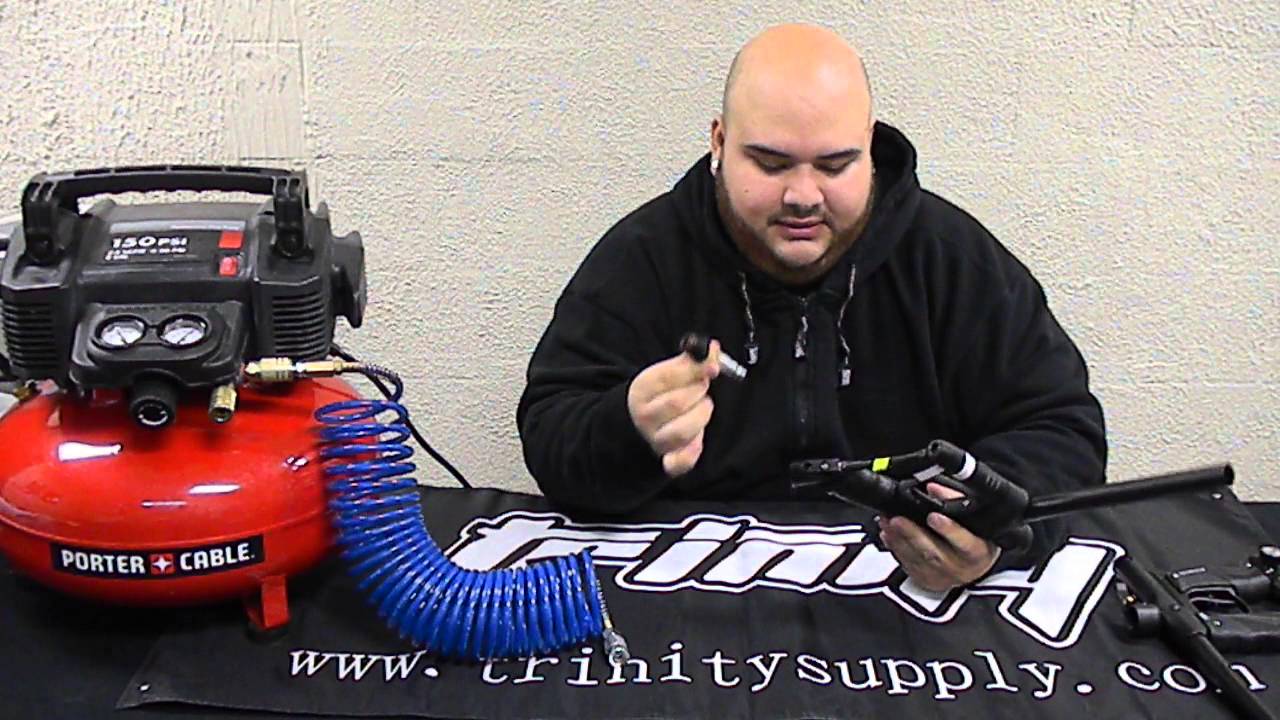
Place the air compressor on a flat, stable surface. Connect the compressor’s hose to the tank valve securely. Use the correct adapter to avoid leaks. Turn on the compressor and set it to the right pressure. Always use the pressure recommended for your tank.
Monitoring Pressure Levels
Watch the pressure gauge closely during filling. Do not leave the tank unattended while filling. Stop filling if the pressure nears the tank’s limit. Overfilling can cause serious accidents. Regular checks keep the process safe and smooth.
Finishing And Checking
Turn off the compressor once the tank is full. Carefully disconnect the hose from the valve. Check the tank and valve for leaks using soapy water. Tighten any loose parts if needed. Store the tank in a cool, dry place after filling.
Alternative Filling Methods
Filling a paintball tank safely is very important. Using an air compressor might seem easy but it can be risky. There are safer and better ways to fill your tank. These methods ensure your tank gets the right pressure without damage. Here are some alternative ways to fill your paintball tank.
Using Certified Fill Stations
Certified fill stations are designed for paintball tanks. They meet safety rules and have the right pressure settings. These stations check your tank before filling it. This helps avoid overfilling or damage. Many sports shops and paintball fields offer certified fill stations. They are a reliable and safe choice.
High-pressure Hand Pumps
High-pressure hand pumps are a good option for some players. These pumps can reach the needed pressure without electricity. They are portable and easy to use. Pumping takes time and effort, but it is safe. Hand pumps are great for players who want control over filling. This method also avoids the risk of faulty compressors.
Refilling At Paintball Fields
Most paintball fields have tanks ready to fill your tank. They use professional equipment designed for paintball. Staff at the field know how to fill tanks safely. This method is quick and convenient during games. You get a full tank without worry. Refilling at the field keeps you safe and ready to play.
Maintenance Tips For Paintball Tanks
Maintaining your paintball tank is key to safe and smooth play. Proper care keeps the tank reliable and extends its life. Follow these simple tips to make sure your tank works well every time you use it.
Regular Inspection
Check your paintball tank often for cracks or dents. Look closely at the tank’s surface and fittings. Any damage can cause leaks or safety risks. Inspect the O-rings and seals to make sure they are not worn out. Replace any parts that show signs of wear right away.
Proper Storage
Store your paintball tank in a cool and dry place. Avoid leaving it in direct sunlight or hot areas. Keep it upright to prevent damage to the valve and seals. Use a protective cover or case to avoid scratches and dents. Proper storage helps keep the tank safe and ready for use.
Valve Care And Replacement
Clean the valve regularly to remove dirt and debris. Use a soft cloth and mild cleaner for this task. Check the valve for leaks by listening for hissing sounds. Replace the valve if it does not seal properly or shows damage. A well-maintained valve ensures safe and consistent air flow.
Credit: www.youtube.com
Frequently Asked Questions
Can You Safely Fill A Paintball Tank With An Air Compressor?
Yes, you can fill a paintball tank with an air compressor if it provides clean, dry, and filtered air. Using the wrong compressor or unfiltered air can damage the tank or cause safety risks. Always follow manufacturer guidelines and use proper adapters.
What Type Of Air Compressor Is Best For Paintball Tanks?
A high-pressure, oil-free, and filtered air compressor is best for filling paintball tanks. These compressors ensure clean, dry air and prevent contamination. Avoid using compressors meant for tires or general tools as they may not meet pressure and purity requirements.
How Long Does It Take To Fill A Paintball Tank With A Compressor?
Filling a paintball tank with a compressor typically takes 5 to 15 minutes. The exact time depends on the compressor’s pressure output, tank size, and air dryness. Always fill slowly to avoid overheating and ensure safe filling.
Can Household Air Compressors Damage Paintball Tanks?
Household air compressors often lack filtration and high pressure needed for paintball tanks. Using them can introduce moisture and contaminants, causing tank corrosion or malfunction. It’s safer to use compressors designed specifically for paintball or SCUBA tank filling.
Conclusion
Filling a paintball tank with an air compressor can work, but safety matters most. Use the right equipment and follow all instructions carefully. Overfilling or using the wrong compressor can cause damage or injury. Regular checks keep your tank in good shape.
Always prioritize safety over convenience. This way, you enjoy paintball without worry. Stay safe and have fun on the field.