When it comes to choosing an air compressor, you might be wondering which type suits your needs best: tank or tankless? This choice can make a big difference in how efficiently your projects get done.
You want something reliable, easy to use, and powerful enough for your tasks. But how do you know which one will save you time, money, and frustration? Keep reading, because we’re breaking down the key differences between tank and tankless air compressors.
By the end, you’ll feel confident picking the perfect compressor for your work.
Credit: www.homedepot.com
Tank Air Compressors
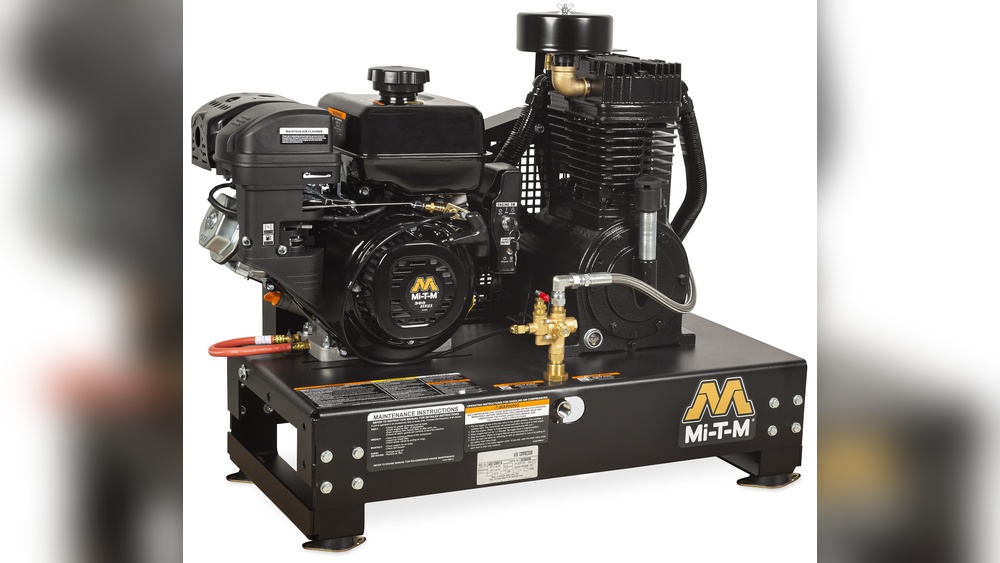
Tank air compressors are common tools used in many homes and workshops. They store compressed air in a tank. This stored air helps to power tools and machines. These compressors work by filling the tank with air and then releasing it when needed. They are reliable and easy to use.
Many people choose tank air compressors because they provide steady air pressure. They are good for tasks that need bursts of power. They come in various sizes, from small portable tanks to large stationary ones.
How They Work
Tank air compressors draw air into a pump. The pump compresses the air and stores it in a tank. When a tool needs air, it pulls from the tank. This lets tools run smoothly without stopping. The tank acts like a battery for air.
Common Uses
These compressors power nail guns, spray painters, and impact wrenches. They also fill tires and inflate sports gear. Many use them for car repairs and woodworking. Their steady air supply suits many tasks.
Advantages
Tank air compressors provide constant air pressure. They handle heavy jobs well. The stored air means tools run without pauses. They are usually less expensive than tankless models. Maintenance is simple and parts are easy to find.
Limitations
Tank compressors can be heavy and bulky. They take time to fill the tank. Not ideal for quick, small jobs. They need space for the tank. Noise levels can be higher than other types.
Tankless Air Compressors
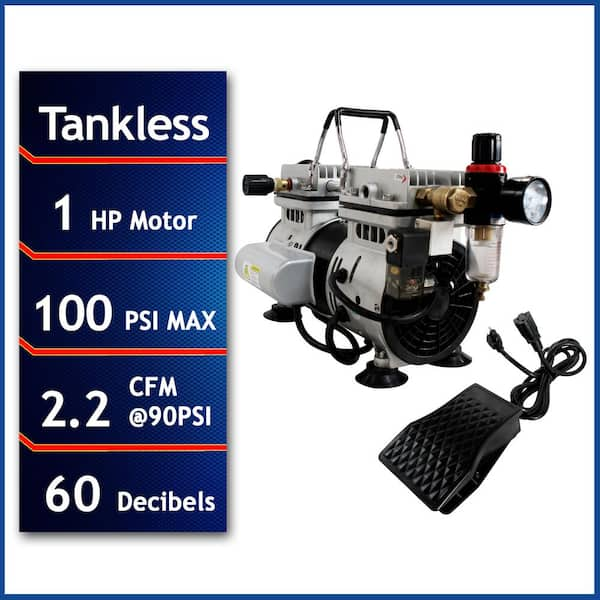
Tankless air compressors do not store air in a tank. They produce air on demand, directly from the compressor. This design makes them compact and lightweight. Many professionals and DIY users prefer tankless models for their portability and ease of use.
Operation Mechanism
Tankless air compressors work by compressing air instantly. When you turn on the tool, air flows through the compressor. The compressor pushes air directly into the tool without storing it. This process provides continuous airflow as long as the compressor runs.
Typical Applications
These compressors suit tasks needing steady air supply. They work well for small air tools like nail guns and airbrushes. Tankless models are common in workshops and at home. They fit jobs that require quick bursts of air rather than long use.
Benefits
Tankless air compressors offer fast startup times. They are easy to carry and store. No tank means less weight and bulk. They cool down quickly after use. Maintenance is simpler because there is no tank to clean.
Drawbacks
These compressors may not provide steady air for heavy jobs. Continuous use can cause the motor to overheat. They often have lower air volume than tank models. Noise levels can be higher without a tank to muffle sound.
Performance Factors
Performance is key when choosing between tank and tankless air compressors. Understanding how each type performs helps you pick the right one for your needs. Several factors affect performance, including airflow, pressure, energy use, noise, and maintenance. These elements influence efficiency and user experience.
Airflow And Pressure
Airflow measures the volume of air the compressor delivers. Tank compressors store air and release it steadily. Tankless models provide air on demand without storage. Tank compressors usually handle higher airflow for longer tasks. Tankless compressors offer consistent pressure but may have lower airflow capacity.
Energy Efficiency
Tankless compressors use less energy by running only when needed. Tank compressors run continuously to keep air stored. This constant running can waste energy. Tankless models save power during low use. Energy savings depend on how often you need compressed air.
Noise Levels
Tank compressors tend to be louder due to the motor running often. Tankless compressors run intermittently, producing less noise overall. Noise matters in small or indoor spaces. Quieter compressors improve comfort for users and neighbors.
Maintenance Needs
Tank compressors require regular tank checks for rust and water buildup. Tankless compressors have fewer parts and need less upkeep. Cleaning and replacing filters are essential for both types. Proper maintenance extends compressor life and keeps performance steady.
Cost Considerations
Choosing between a tank and a tankless air compressor means thinking about costs. Costs can change based on what type of compressor you pick. Knowing these costs helps you pick the right tool for your work and budget.
Initial Investment
Tank compressors usually cost less at the start. They have a big air storage tank that adds to the price. Tankless models often have a higher upfront price. This is because they use newer technology and are more compact. Your choice depends on how much money you want to spend first.
Operating Expenses
Tankless compressors use less energy during work. They turn on only when needed. Tank models run more often, using more power. Maintenance costs can be higher for tanks. Tanks need regular checks for rust and leaks. Tankless units need less upkeep, saving money over time.
Longevity And Durability
Tank air compressors last long but need good care. Rust can shorten a tank’s life. Tankless compressors have fewer parts that wear out. They can last longer with less trouble. Picking a durable compressor saves money on repairs and replacements.
Choosing The Right Compressor
Choosing the right air compressor is key for efficient work. Tank and tankless compressors serve different needs. Understanding your priorities helps pick the best fit. Focus on how you will use the compressor and what features matter most.
Consider where you will use the compressor and the power it needs. These factors guide the decision between tank and tankless models. Let’s explore important points to consider before buying.
Assessing Your Needs
Think about the tasks you want to complete. Small jobs may need less air pressure and volume. Larger projects require more power and longer run times. Tank compressors store air and handle long jobs well. Tankless models suit quick, light tasks. Match the compressor to your work demands.
Space And Portability
Space matters if you have a small work area. Tankless compressors are compact and easy to move. Tank compressors are heavier and take up more room. Choose a model that fits your workspace. Portability helps if you move the compressor often. Consider the weight and size before buying.
Power Requirements
Check the air pressure and flow you need. Tank compressors deliver steady pressure for long periods. Tankless compressors provide air on demand but may run continuously. Look at the compressor’s PSI and CFM ratings. Ensure the power matches your tools and tasks. Proper power keeps your work smooth and efficient.

Credit: www.amazon.com
Real-world Comparisons
Choosing between tank and tankless air compressors depends on real-life needs. Each type has clear strengths and limits. Understanding these helps pick the right tool for the job. Let’s see how they perform in different settings.
Performance In Workshops
Tank compressors store air, ready for use. This helps with tools needing bursts of power. They keep pressure steady, which is good for painting or nailing tasks. Tankless models deliver air on demand. They suit light tasks and save space. However, they may not keep up with heavy or long jobs.
Suitability For Home Use
Home users often choose tankless for easy storage and quiet work. These compressors fit small jobs like inflating tires or blowing dust. Tank models work well if many tools run at once. They take more space but give steady air for bigger projects.
Industrial Application Insights
Industries need strong, constant air supply. Tank compressors handle this well with large tanks and steady pressure. Tankless units may fall short in large factories or heavy-duty jobs. They are better for small tasks or places where space is tight. Choosing the right compressor boosts work efficiency and cuts downtime.

Credit: www.amazon.com
Frequently Asked Questions
What Is The Main Difference Between Tank And Tankless Compressors?
Tank compressors store compressed air in a tank, providing a steady supply. Tankless models compress air on demand, offering continuous airflow without storage.
Which Air Compressor Is More Energy-efficient?
Tankless compressors are generally more energy-efficient because they run only when needed. Tank models consume energy to maintain pressure in the tank.
Are Tankless Compressors Better For Small Jobs?
Yes, tankless compressors are ideal for small, quick tasks. They provide continuous air without waiting for tank refill.
How Does Maintenance Differ Between Tank And Tankless Compressors?
Tank compressors require regular tank inspections to prevent rust and leaks. Tankless compressors need less maintenance but require periodic filter and valve checks.
Conclusion
Choosing between tank and tankless air compressors depends on your needs. Tank models store air for longer use. Tankless types offer continuous air without waiting. Consider space, noise, and energy use before buying. Each type serves different jobs well. Think about how often and where you’ll use it.
Both have clear pros and cons. The best choice fits your tasks and budget. Keep these points in mind to pick the right compressor.