
Have you ever wondered if draining your air compressor after every use is really necessary? It might seem like a small step, but skipping it could cost you time, money, and even damage your machine.
If you want your air compressor to last longer and work better, understanding this simple maintenance task is key. Keep reading to find out why draining your air compressor could save you headaches down the road—and how easy it is to do right.
Credit: www.ebay.com
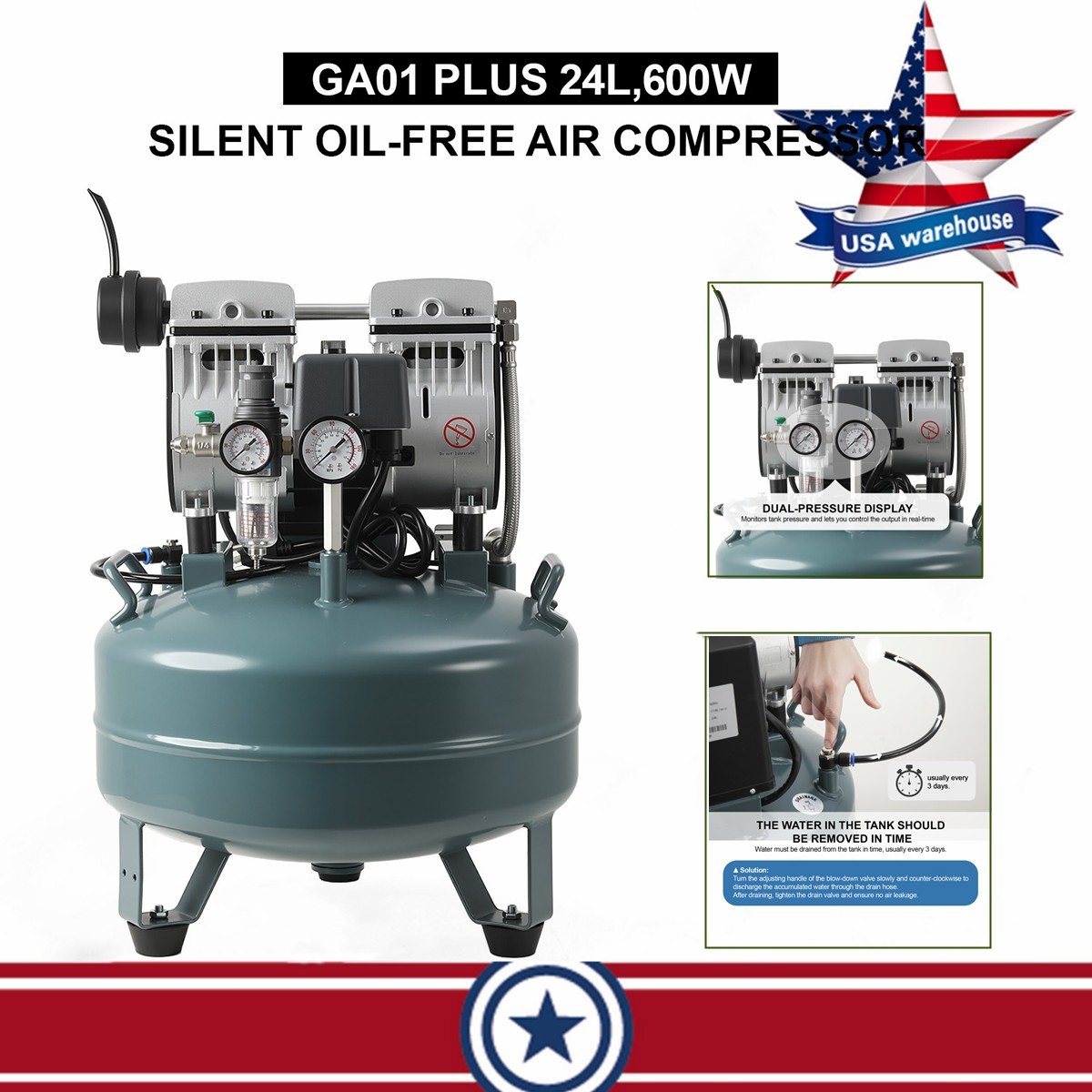
Why Drain Air Compressors Matter
Draining air compressors is a simple step with big benefits. Moisture builds up inside the tank during use. This water can harm your compressor and tools. Removing moisture keeps the system safe and working well. It helps avoid problems that cost time and money.
Regular draining also extends the life of your air compressor. It protects parts from rust and damage. A dry tank means better air quality and stronger performance. Skipping this step can lead to serious issues fast.
How Moisture Affects Performance
Moisture inside the tank lowers air pressure. It makes the compressor work harder to deliver air. This wastes energy and reduces efficiency. Moisture can also clog air tools, causing them to fail.
Rust forms on metal parts due to water buildup. Rust damages the tank and pipes. It leads to leaks and weak spots. This reduces the compressor’s power and safety.
Risks Of Not Draining Moisture
Water causes corrosion inside the tank. Corrosion weakens the metal and creates holes. This can cause dangerous tank bursts. It also leads to costly repairs or replacement.
Air tools may malfunction or break from wet air. Moisture can freeze in cold weather, blocking airflow. This stops work and wastes your time.
Ignoring draining increases maintenance costs. It shortens the compressor’s life and lowers reliability. Draining after each use prevents these risks and saves money.

Credit: www.reddit.com
When To Drain Your Air Compressor
Knowing when to drain your air compressor keeps it working well. Moisture builds up inside the tank during use. This water can cause rust and damage parts. Draining the tank removes this moisture and protects the compressor. Proper draining helps the tool last longer and run better.
After Every Use Benefits
Draining the air compressor after each use prevents water buildup. Water left inside can cause rust quickly. Rust weakens the tank and parts. Removing water keeps air dry and clean. This helps tools work smoothly without damage. Draining often also lowers repair costs. It keeps your compressor safe and ready for the next job.
Situations Requiring More Frequent Draining
Some conditions need more frequent draining than usual. High humidity or rainy weather adds more moisture inside. Using the compressor for long hours also creates extra water. In these cases, check the tank and drain it during breaks. Heavy use or extreme weather means more water inside the tank. Draining often prevents rust and keeps the compressor safe.
Step-by-step Draining Process
Draining your air compressor after each use keeps it in good shape. Moisture builds up inside the tank during use. Removing this water prevents rust and damage. Follow these simple steps to drain your compressor safely and effectively.
Safety Precautions
Turn off and unplug the air compressor first. Allow the tank to cool down before draining. Wear safety glasses to protect your eyes. Release all air pressure before opening the drain valve. Check the area for any hazards or obstacles.
Tools Needed
You only need a few basic tools. A wrench or pliers to open the drain valve. A container to catch the water draining out. A rag or towel to clean up any spills. These tools make the process quick and clean.
Draining Procedure
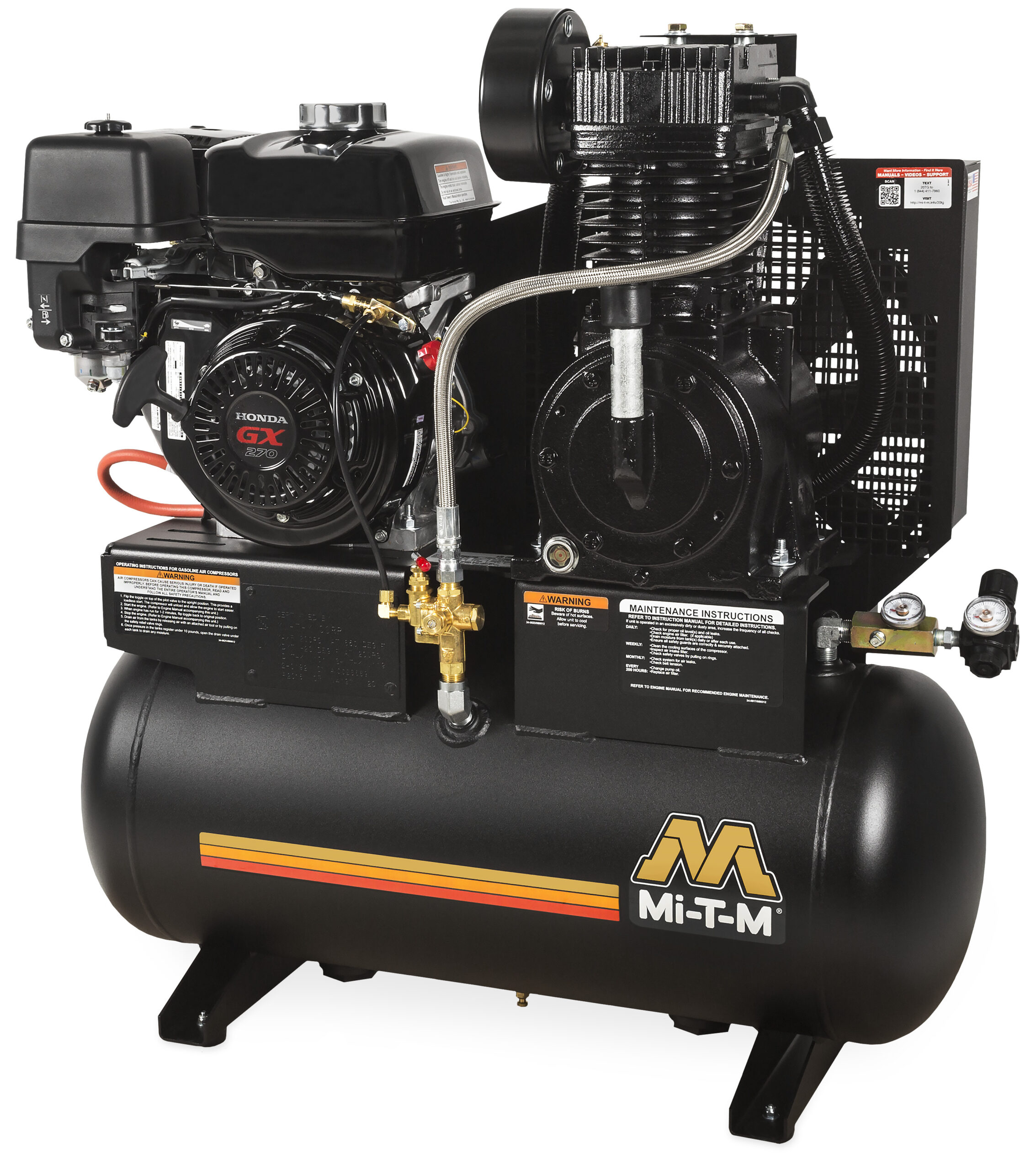
Locate the drain valve at the bottom of the tank. Place your container underneath the valve. Use the wrench to slowly open the valve. Let the water drain completely from the tank. Close the valve tightly once done. Wipe any water spills around the valve area. Plug in and switch on the compressor to check for leaks.
Credit: www.mitmequipmentsales.com
Common Mistakes To Avoid
Draining your air compressor is a small task with big benefits. Many users make simple mistakes that harm their compressor’s performance. Knowing what to avoid helps keep your machine in good shape. Below are common errors that reduce the life of your air compressor.
Ignoring Drain Valves
Drain valves remove water buildup inside the tank. Ignoring these valves lets water collect and cause rust. Rust weakens the tank and can lead to leaks or failure. Always open the drain valve after using the compressor. This keeps the tank dry and safe.
Overlooking Regular Maintenance
Maintenance is more than just draining the tank. Filters, hoses, and oil need checking too. Skipping regular checks can cause poor air quality and lower pressure. Follow the manufacturer’s maintenance schedule. This ensures your compressor works well for many years.
Tips For Maintaining Your Air Compressor
Maintaining your air compressor helps it last longer and work better. Simple care steps keep your tool in good shape. These tips prevent breakdowns and save money on repairs.
Regular checks and proper storage are key to good maintenance. Follow these easy steps to protect your investment.
Regular Inspections
Check your air compressor before and after use. Look for leaks, cracks, or loose parts. Tighten any loose bolts or screws. Watch the pressure gauge for unusual readings. Inspect hoses and connections for wear or damage. Clean the air filter regularly to avoid dust buildup. Catching small problems early avoids big repairs later.
Proper Storage Techniques
Store your air compressor in a dry, cool place. Avoid spots with high humidity or dust. Drain the tank completely after each use. This prevents water buildup that causes rust. Keep the compressor covered to protect from dirt. Coil hoses neatly to prevent kinks or damage. Proper storage keeps the compressor ready for use anytime.
Frequently Asked Questions
Why Should I Drain My Air Compressor After Use?
Draining removes moisture that accumulates inside the tank. Moisture causes rust and damages the compressor over time. Regular draining extends your air compressor’s life and ensures optimal performance.
How Often Do I Need To Drain My Air Compressor?
You should drain your air compressor after every use. This prevents moisture buildup and protects internal components. Frequent draining keeps the system clean and efficient.
What Happens If I Don’t Drain My Air Compressor?
Not draining leads to water buildup inside the tank. This causes rust, corrosion, and potential tank failure. It also reduces the compressor’s efficiency and lifespan.
Can Moisture Damage My Air Compressor?
Yes, moisture causes rust and corrosion inside the tank. It can damage valves, pipes, and other parts. Draining prevents moisture damage and maintains proper function.
Conclusion
Draining your air compressor after each use keeps it working well. Water and moisture build up inside over time. This can cause rust and damage parts. Regular draining helps avoid costly repairs later. It also keeps the air clean and dry.
Taking a few minutes now saves money and effort. Good care means your compressor lasts longer. It’s a simple step that makes a big difference. Keep your tools ready for the next job. Don’t skip draining—it protects your investment every time.