
Choosing the right air compressor can make a big difference in how smoothly your work runs. If you’ve come across rotary vane and rotary screw air compressors, you might be wondering which one fits your needs best.
Each type has its strengths, but understanding those differences can save you time, money, and headaches. You’ll discover the key features, benefits, and drawbacks of both rotary vane and rotary screw compressors. By the end, you’ll feel confident making the best choice for your tools, your budget, and your projects.
Keep reading—your perfect air compressor is closer than you think.
Rotary Vane Air Compressors
Rotary vane air compressors are popular machines used in many industries. They provide steady and reliable compressed air for various tasks. These compressors work with a simple design that offers efficiency and ease of use. Their structure allows them to deliver air smoothly, making them ideal for many applications.
Design And Operation
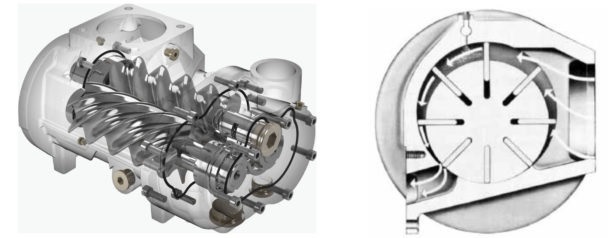
The rotary vane compressor uses a rotor with sliding vanes inside a cylinder. As the rotor turns, the vanes slide out and trap air between them. This trapped air is compressed by reducing the space inside the cylinder. The design is compact and has fewer moving parts than other compressors. It runs quietly and requires less maintenance.
Common Applications
These compressors serve well in workshops and small factories. They power air tools like nail guns and paint sprayers. Also, they are used in refrigeration and air conditioning systems. The smooth airflow suits processes that need constant air pressure. Small-scale manufacturing often relies on rotary vane compressors.
Advantages And Limitations
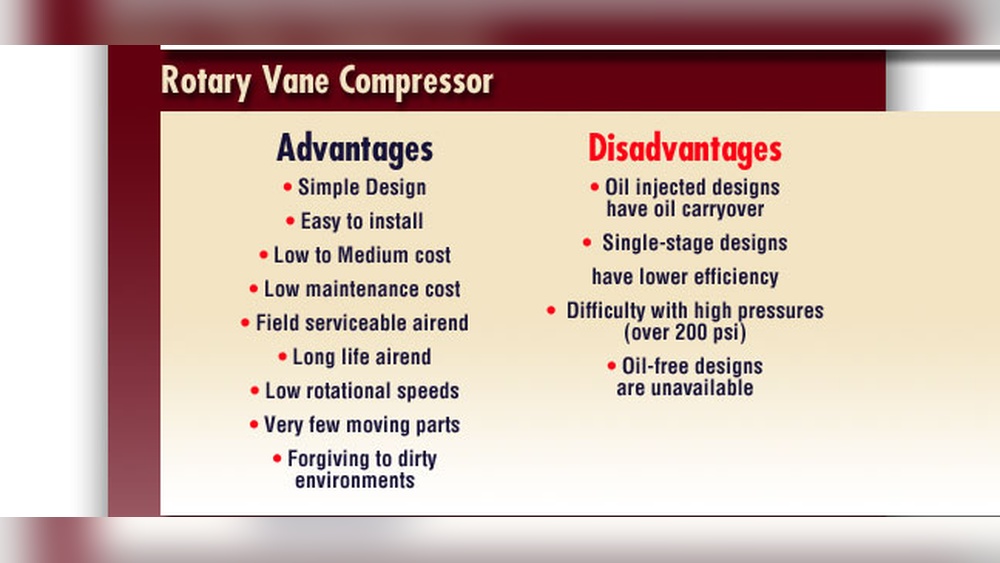
Rotary vane compressors are easy to operate and maintain. Their compact size fits well in limited spaces. They provide a steady flow of air without pulsation. These compressors are cost-effective for light to medium work.
On the downside, they may not handle very high pressures. The vanes wear out over time and need replacement. Not best for heavy industrial use. They can lose efficiency if used beyond their limits.
Credit: angliancompressors.com
Rotary Screw Air Compressors
Rotary screw air compressors are popular machines used to create compressed air. They work continuously and provide steady airflow. These compressors suit many industries needing reliable air supply. Understanding their design, uses, and pros helps in choosing the right compressor type.
Design And Operation
Rotary screw compressors use two helical screws, called rotors. These rotors turn in opposite directions. Air gets trapped between the screws and is compressed as it moves forward. The process is smooth and produces little pulsation. A motor usually powers the screws directly. This design allows the compressor to run for long hours without stopping.
Common Applications
These compressors are common in manufacturing plants and workshops. They power tools like drills, grinders, and spray guns. Many industries use them for packaging and assembly lines. They also support HVAC systems and pneumatic controls. The steady air supply helps maintain consistent performance in machines.
Advantages And Limitations
Rotary screw compressors are energy efficient and low maintenance. They produce less noise compared to other compressors. Their long life and durability suit heavy-duty use. The steady airflow improves tool and machine performance. They are often more expensive upfront. Some models may need cooling systems to avoid overheating. Not ideal for small tasks needing low air volume.
Performance Comparison
Comparing the performance of rotary vane and rotary screw air compressors helps you pick the right machine. Each type has strengths and fits different needs. Understanding how they perform can save money and time in the long run.
Efficiency And Power Consumption
Rotary screw compressors use less energy during operation. They work well for long, continuous use. Rotary vane compressors consume more power, especially at higher pressures. Screw compressors keep efficiency steady, even under heavy loads. Vane compressors may lose efficiency over time due to wear.
Noise And Vibration Levels
Rotary screw compressors run quieter than vane types. Their design reduces vibration and noise output. Vane compressors tend to produce more noise, which can be distracting in workspaces. Lower noise means a safer and more comfortable environment for workers. Screw compressors often require less soundproofing.
Maintenance And Durability
Rotary screw compressors need less frequent maintenance. Their parts last longer and handle wear better. Vane compressors require regular checks and vane replacements. Screw compressors can handle harsher conditions without damage. Choosing the right type depends on your maintenance capacity and usage intensity.

Credit: www.controlgear.net
Cost Considerations
Cost plays a big role in choosing the right air compressor. It affects your budget today and your expenses later. Understanding different cost parts helps you make a smart choice between rotary vane and rotary screw compressors.
Initial Investment
Rotary vane compressors usually cost less at the start. Their design is simpler and parts are cheaper. Rotary screw compressors often need a bigger upfront payment. Their complex technology and higher quality parts add to the price.
Operational Costs
Rotary screw compressors use energy more efficiently. This means lower electricity bills over time. They also require less maintenance, saving money on repairs and parts. Rotary vane compressors might need more frequent service. That can increase costs during use.
Long-term Value
Rotary screw compressors last longer with steady performance. This can make them cheaper in the long run. Rotary vane models may wear out faster and lose efficiency. Replacing or fixing them often raises total expenses.
Choosing The Right Compressor
Choosing the right air compressor can be tricky. Different compressors suit different needs. Understanding key factors helps you decide between rotary vane and rotary screw compressors.
Each type has strengths. Matching those with your needs ensures better performance and savings.
Application Needs
First, consider what you need the compressor for. Rotary vane compressors work well for low to medium air demands. They deliver steady pressure with less noise.
Rotary screw compressors handle large air volumes. They suit heavy-duty and continuous use. Think about the size and frequency of your tasks.
Environmental Factors
Think about the environment where the compressor will run. Rotary vane models are compact and fit small spaces. They also run cooler, which helps in warm areas.
Rotary screw compressors are better for dusty or harsh environments. They have sealed parts that resist dirt and wear. Noise levels are also lower in screw models.
Budget Constraints
Cost is important. Rotary vane compressors usually cost less upfront. They need less maintenance, saving money over time.
Rotary screw compressors cost more but last longer. They use energy more efficiently, which lowers bills. Consider your budget for purchase and running costs.
Credit: www.linquip.com
Frequently Asked Questions
What Is The Main Difference Between Rotary Vane And Rotary Screw Compressors?
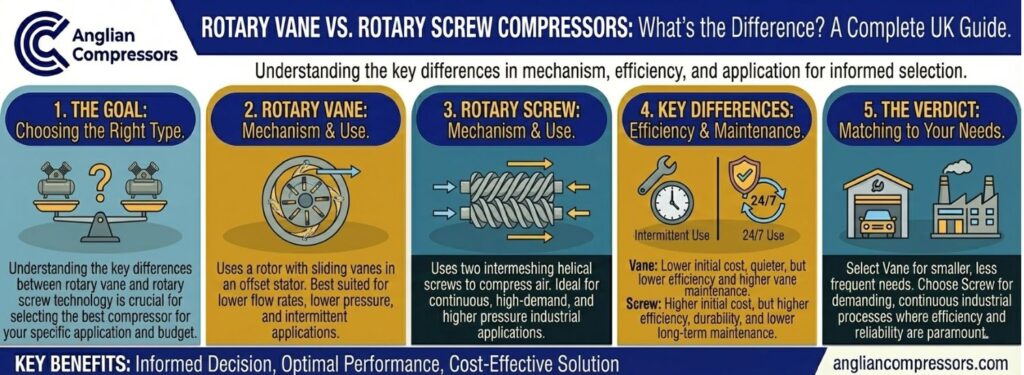
Rotary vane compressors use sliding vanes to compress air, while rotary screw compressors use two meshing screws. Vane compressors are simpler, ideal for lower pressure, whereas screw compressors handle higher pressures with better efficiency and continuous operation.
Which Compressor Is More Energy-efficient, Rotary Vane Or Rotary Screw?
Rotary screw compressors are generally more energy-efficient, especially for continuous use. They maintain consistent pressure and reduce energy waste. Rotary vane compressors consume more power at higher pressures and are less efficient for heavy-duty tasks.
When Should I Choose A Rotary Vane Over A Rotary Screw Compressor?
Choose rotary vane compressors for low to medium pressure needs and intermittent use. They are cost-effective for smaller applications. Rotary screw compressors suit high-demand, continuous industrial operations requiring higher pressure and reliability.
Are Rotary Screw Compressors Better For Industrial Applications?
Yes, rotary screw compressors excel in industrial settings due to their durability, efficiency, and ability to provide continuous high-pressure air. They support heavy workloads and reduce maintenance compared to rotary vane compressors.
Conclusion
Choosing between rotary vane and rotary screw compressors depends on your needs. Rotary vane models work well for low to medium air demands. Rotary screw compressors suit high air volume and continuous use. Think about energy use, noise, and maintenance before deciding.
Both types have their strengths and fit different tasks. Understanding these basics helps pick the right compressor for your work. Simple, clear choices lead to better results and less hassle.