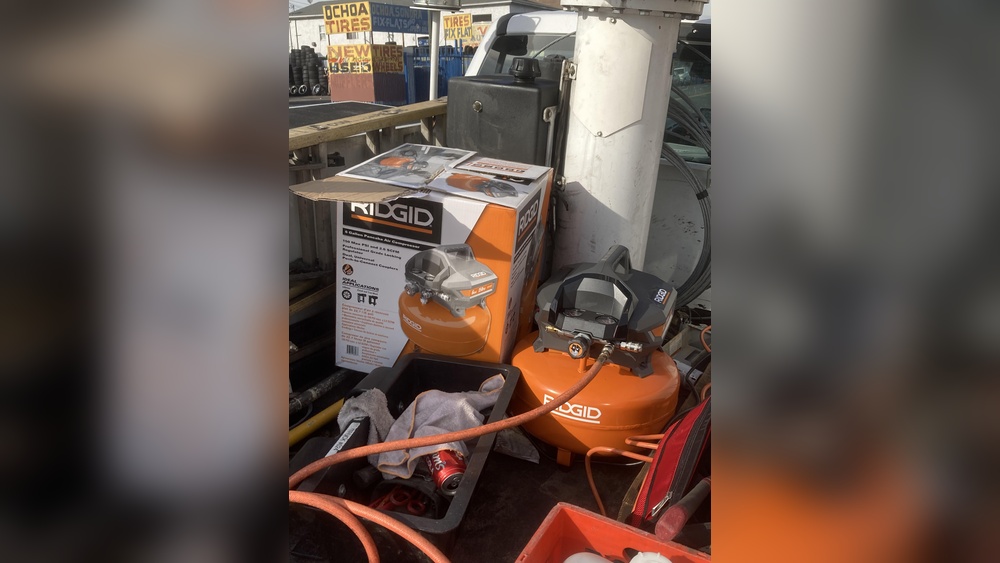
Choosing the right air compressor can make a big difference in your projects. If you’re stuck between Porter Cable and Ridgid, you’re not alone.
Both brands promise power and reliability, but which one truly fits your needs? You’ll discover the key differences that matter most to you—performance, durability, and value. By the end, you’ll feel confident about picking the perfect air compressor for your work.
Keep reading to find out which one wins for you.
Brand Backgrounds
Understanding the background of Porter Cable and Ridgid helps in choosing the right air compressor. Both brands have strong histories in power tools. Their experience shows in product quality and design. Knowing their roots gives insight into what they offer.
History Of Porter Cable
Porter Cable began in 1906. It started as a small tool company in Syracuse, New York. The brand grew by focusing on power tools for professionals and hobbyists. Porter Cable became known for durable and reliable tools. Over the years, it introduced many tool innovations. Today, Porter Cable is a trusted name worldwide.
History Of Ridgid
Ridgid was founded in 1923. It started by making pipe wrenches for plumbing professionals. The brand expanded into other power tools and accessories. Ridgid built a reputation for tough, long-lasting products. It serves contractors and DIY users alike. Ridgid tools are popular for their rugged design and performance.
Key Specifications
Understanding the key specifications helps choose the right air compressor. Power, tank size, and noise level affect performance and convenience. Comparing Porter Cable and Ridgid models reveals their strengths and limits.
Power And Capacity
Porter Cable offers a strong motor that delivers steady air pressure. Ridgid also provides reliable power with a similar output. Both brands supply enough capacity for most home and workshop tasks. Porter Cable may have a slight edge in continuous use. Ridgid often suits quick, small jobs well.
Tank Size And Portability
Porter Cable tanks come in various sizes, usually from 6 to 8 gallons. Ridgid tanks range from compact 4 gallons to larger 6 gallons. Smaller tanks mean easier carrying and storage. Larger tanks hold more air but weigh more. Both brands balance portability and capacity differently.
Noise Levels
Porter Cable compressors tend to run quieter during operation. Ridgid models produce moderate noise, typical for air compressors. Noise level matters in small or indoor work areas. Quieter machines reduce distractions and fatigue. Both brands meet standard noise limits for their class.
Performance In Real-world Use
Performance in real-world use shows how well an air compressor handles daily tasks. It reveals strengths and weaknesses beyond specs. Both Porter Cable and Ridgid models offer solid features. Their true value appears during constant, practical use on job sites or in workshops.
Durability And Build Quality
Porter Cable compressors have sturdy metal frames. They resist dents and scratches from rough handling. Ridgid models use thick steel tanks that endure heavy work. Their tough outer casing protects internal parts well. Both brands build for long-term use. This helps users avoid frequent repairs or replacements.
Efficiency And Speed
Porter Cable units fill tanks quickly with steady airflow. This saves time on repetitive tasks. Ridgid compressors provide strong power but may take slightly longer to reach full pressure. Both run smoothly with minimal noise. Efficient motors reduce energy use and keep costs low. Users can complete jobs faster with reliable air supply.
Handling And User Experience
Porter Cable compressors are lightweight and easy to carry. Comfortable handles improve grip and transport. Ridgid models are heavier but have large wheels for better mobility. Controls on both brands are simple and clear. Users find setup quick and operation straightforward. These features make daily work less tiring and more productive.
Features And Innovations
Both Porter Cable and Ridgid air compressors offer solid features and useful innovations. These machines focus on safety, ease of use, and durability. Understanding their features helps you pick the right tool for your needs.
Each brand adds unique touches. These details affect your experience and the tool’s performance.
Safety Features
Porter Cable includes an automatic shut-off system. It stops the compressor if it overheats or overpressurizes. This protects the user and the machine.
Ridgid models often have thermal overload protection. This feature keeps the motor safe from damage. Both brands use pressure relief valves. These valves prevent dangerous pressure build-up.
Additional Functionalities
Porter Cable compressors come with quick-connect couplers. These allow fast tool changes without leaks. Ridgid offers models with built-in tool storage. This adds convenience on job sites.
Noise reduction technology appears in some Porter Cable units. Ridgid focuses on powerful motors for heavy-duty tasks. Both brands provide portable designs for easy movement.
Maintenance Requirements
Porter Cable units often have oil-free pumps. These reduce maintenance time and cost. Ridgid models may require regular oil changes to keep running smoothly.
Both brands recommend cleaning air filters regularly. Proper upkeep extends the compressor’s life. Easy access to parts makes repairs simpler for users.
Price And Warranty
Price and warranty are key factors when choosing between Porter Cable and Ridgid air compressors. Understanding these aspects helps buyers decide which product offers better value and protection. Both brands provide reliable machines, but their pricing and warranty terms differ. Below is a detailed look at these differences.
Cost Comparison
Porter Cable air compressors usually cost less than Ridgid models. This makes Porter Cable a popular choice for budget buyers. Ridgid compressors often have higher prices but include extra features. The price difference can be seen in both small and large compressors. Buyers should consider their budget and needs before deciding.
Warranty Coverage
Porter Cable offers a standard 1-year warranty on most air compressors. This covers parts and labor for defects. Ridgid provides a longer warranty, often up to 3 years. Longer warranty means more peace of mind for buyers. Check the warranty details carefully to understand what is covered.
Customer Support
Ridgid is known for strong customer service. They have many service centers nationwide. Porter Cable also offers good support but with fewer locations. Both brands provide online resources and phone help. Good customer support helps solve problems quickly after purchase.

Credit: www.amazon.com
Best Use Cases
Choosing between Porter Cable and Ridgid air compressors depends on your specific needs. Each brand suits different tasks. Understanding their best use cases helps you pick the right one. Let’s explore where each excels.
Home Diy Projects
Porter Cable air compressors work well for home DIY jobs. They offer enough power for small tasks like inflating tires and stapling. Their compact size fits easily in garages or workshops. These compressors are quiet, making them good for indoor use. They start quickly and need little maintenance.
Professional Applications
Ridgid air compressors fit professional jobs better. They provide more air volume for continuous work. Perfect for contractors and tradespeople who use nail guns or spray guns. These compressors handle longer hours without overheating. Rugged build ensures they survive tough job sites. They balance power and portability well.
Heavy-duty Industrial Work
For heavy-duty industrial tasks, Ridgid is often the better choice. Their larger models deliver high pressure and constant airflow. Ideal for factories or large construction projects. They support multiple tools working at once. Built to last with strong motors and durable parts. These compressors meet strict industrial demands efficiently.
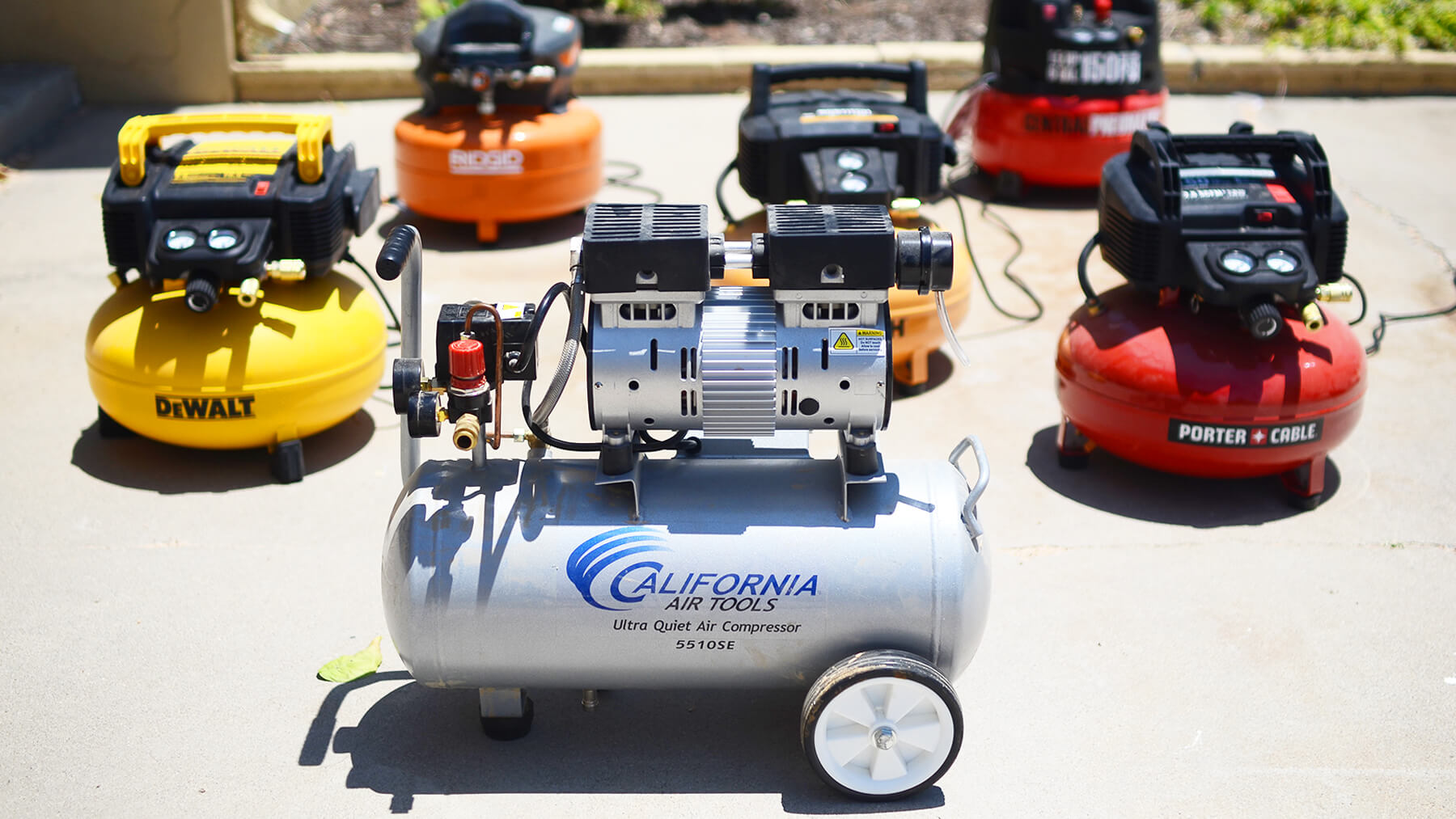
User Reviews And Feedback
User reviews provide real insights about Porter Cable and Ridgid air compressors. They show what users like and dislike. This feedback helps potential buyers decide which model fits their needs best.
Users share experiences about durability, noise levels, and performance. Some focus on ease of use and maintenance. Overall, reviews highlight key strengths and weaknesses of each brand.
Positive Highlights
Porter Cable users praise its quiet operation and strong motor. Many find it lightweight and easy to move around. The compressor starts quickly and handles small jobs well.
Ridgid receives high marks for build quality and long-lasting parts. Users like its powerful air output and stability during use. The compressor works well for heavy-duty tasks and extended projects.
Common Complaints
Porter Cable complaints often mention tank size as too small. Some users notice the compressor heats up after long use. Others wish for a longer hose or cord.
Ridgid users sometimes report it is heavier and harder to carry. A few mention louder noise levels compared to other models. Some find the initial setup instructions unclear.
Overall Satisfaction
Most Porter Cable users feel satisfied with value for price. It fits well for DIYers and light trades work. The balance of power and portability earns positive scores.
Ridgid buyers tend to be professionals needing a tougher tool. They appreciate the compressor’s performance despite its weight. Overall, users recommend Ridgid for serious, frequent use.
Credit: www.yourbestdigs.com
Making The Right Choice
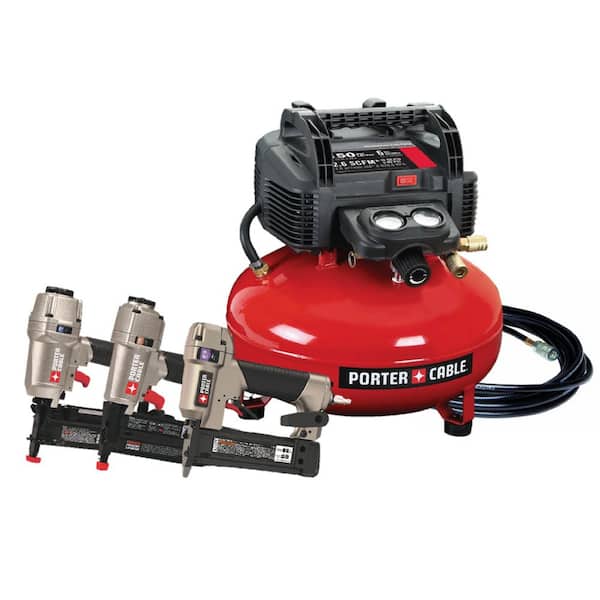
Choosing the right air compressor can be confusing. Porter Cable and Ridgid both offer solid options. The key is to find the one that fits your needs best. This section helps you decide by focusing on features, budget, and long-term value.
Matching Needs With Features
Start by thinking about what tasks you will do. Porter Cable models often suit light to medium jobs. They are easy to carry and quick to start. Ridgid compressors tend to offer more power and larger tanks. These work well for longer or heavier tasks. Consider the size, pressure, and portability you require.
Budget Considerations
Price matters. Porter Cable usually costs less upfront. This makes it a good choice for beginners or occasional use. Ridgid may have a higher price but includes more durable parts. Spending more now can save money on repairs later. Decide how much you want to spend before buying.
Long-term Value
Think about how long you want to keep your compressor. Ridgid units often last longer and need less maintenance. Porter Cable models are simpler but might wear out sooner. Look at warranties and customer reviews. A reliable tool gives better value over time.
Credit: www.homedepot.com
Frequently Asked Questions
What Are The Key Differences Between Porter Cable And Ridgid Air Compressors?
Porter Cable compressors are known for portability and quiet operation. Ridgid models offer higher durability and power. Porter Cable suits light to medium tasks, while Ridgid is better for heavy-duty use. Both brands provide reliable performance but target different user needs.
Which Air Compressor Brand Is More Durable?
Ridgid air compressors generally have a more robust build and longer lifespan. They use heavy-duty materials suited for demanding jobs. Porter Cable models are durable but designed more for occasional and lighter use. Durability depends on the model and maintenance practices.
Are Porter Cable Compressors Better For Home Use?
Yes, Porter Cable compressors are ideal for home and DIY projects. They are lightweight, easy to store, and operate quietly. Their power is sufficient for common household tasks like inflating tires and nailing. For professional or industrial use, Ridgid may be preferred.
How Does The Price Of Porter Cable Compare To Ridgid?
Porter Cable air compressors are usually more affordable, targeting budget-conscious users. Ridgid compressors tend to be pricier due to enhanced features and durability. Both brands offer good value, but Ridgid’s higher cost reflects its heavy-duty capabilities.
Conclusion
Both Porter Cable and Ridgid air compressors offer solid features. Porter Cable suits users needing quiet operation and portability. Ridgid fits those who want more power and durability. Consider your project needs and budget carefully before choosing. Either choice will help you complete tasks efficiently.
Think about how often you will use the compressor. This helps pick the best model for your work. Both brands have good reputations and reliable support. Choose what fits your style and project size best.