
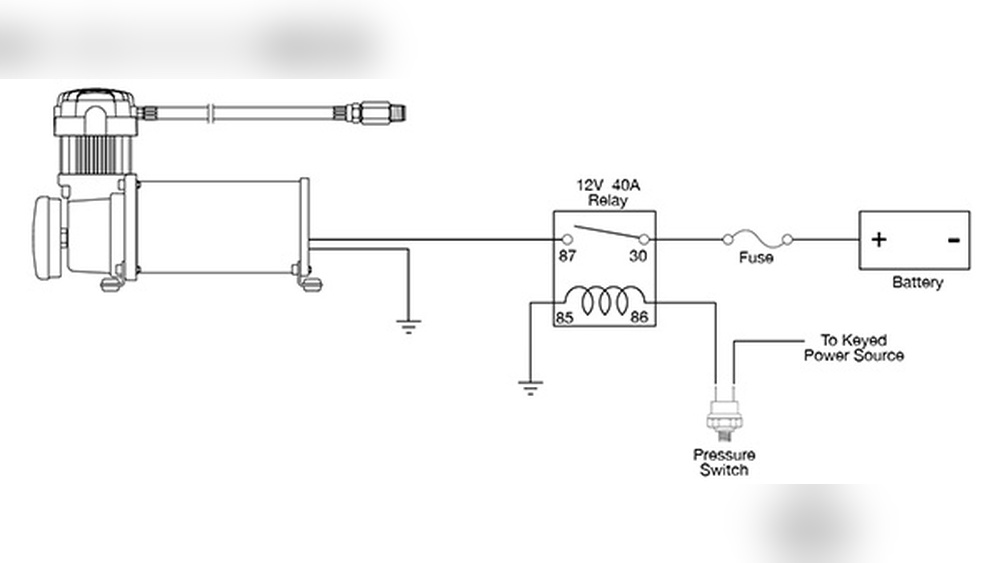
Wiring an air compressor pressure switch might sound intimidating, but with the right information and some careful steps, almost anyone can do it safely. The pressure switch is a critical part of your air compressor system—it tells the compressor when to turn on and off, keeping your tank at the right pressure.
If you get the wiring wrong, the compressor may not work, or worse, it could become a safety hazard. This article explains everything you need to know about wiring an air compressor pressure switch, whether you are replacing a broken switch or setting up a new compressor.
What Is An Air Compressor Pressure Switch?
The pressure switch is a small device that detects the air pressure inside your compressor tank. When the pressure drops below a set level, the switch turns the compressor motor on. When it reaches the maximum level, it turns the motor off. This keeps your compressor from running all the time, saving energy and preventing over-pressurization.
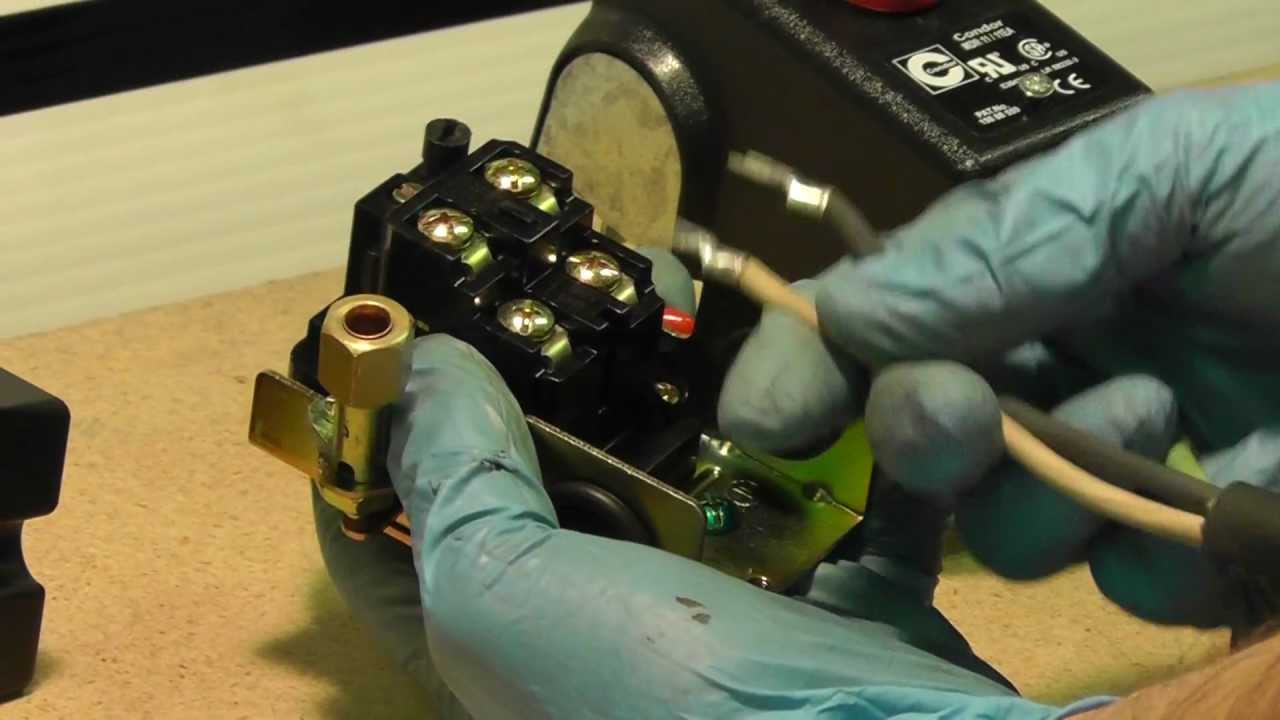
Most pressure switches use a simple electrical mechanism. They have input and output terminals for power, and sometimes also an extra terminal for grounding. Some switches also have an unloader valve that releases pressure from the compressor head when it shuts off.
Tools And Materials You Will Need
Before you start, make sure you have all the right tools and materials. This will make the process faster and safer.
- Screwdrivers (both Phillips and flathead)
- Wire strippers and cutters
- Multimeter (for testing voltage and continuity)
- Electrical tape or wire nuts
- Replacement pressure switch (match it to your compressor’s voltage and pressure range)
- Insulated gloves (for safety)
- Voltage tester
- Owner’s manual for your compressor (if available)
- Marker or labels for wires (optional but helpful)

Credit: www.youtube.com
Safety Precautions Before You Begin
Safety is the most important part of this job. Electricity can be dangerous, and compressed air under pressure can be too. Follow these steps before you touch anything:
- Always unplug the compressor from the power outlet before opening the switch cover.
- If your compressor is hardwired, turn off the circuit breaker.
- Bleed all air from the tank using the drain valve. This prevents sudden air bursts.
- Wear insulated gloves when working with wires.
- Double-check voltage with a voltage tester before touching any wires.
Never skip these steps, even if you are experienced.
Understanding The Wiring Diagram
Every air compressor and pressure switch can be a little different. It’s important to look at the wiring diagram—usually found on the inside of the switch cover or in the manual.
A basic pressure switch setup usually has:
- Line (L): Brings live power from your wall outlet or breaker.
- Motor (M): Sends power to the compressor’s motor.
- Ground (G or ⏚): Connects to the metal body for safety.
Some switches also have an unloader valve connection. Make sure you know which terminal is which before you begin.
Here’s a simple wiring comparison for common pressure switches:
| Switch Type | Number of Terminals | Unloader Valve | Ground |
|---|---|---|---|
| Basic 2-terminal | 2 | No | No |
| Standard 4-terminal | 4 | Yes | Yes |
| Heavy-duty | 4+ | Optional | Yes |
Step-by-step Guide To Wiring An Air Compressor Pressure Switch
Let’s break down the process into clear steps. If you follow these, wiring your pressure switch should be smooth and safe.
1. Remove The Old Pressure Switch
If you are replacing a switch, first take off the old one. Make sure the compressor is unplugged, and the tank is empty.
- Remove the cover from the switch.
- Take a photo or label each wire. This helps you remember where each one goes.
- Loosen the screws on the terminals and gently pull the wires out.
- Unscrew the switch from the manifold or pipe.
2. Prepare The Wires
Inspect your wires. If the ends are damaged or corroded, cut and strip them to expose clean copper. Most switches use 12 or 14 gauge wire for 120V or 240V circuits. Strip about 1/2 inch of insulation.
3. Mount The New Pressure Switch
Thread the new switch onto the manifold or pipe. Use thread tape on the fittings to prevent leaks. Make sure it’s tight, but don’t over-tighten.
4. Connect The Wires
Follow your photo, labels, or the diagram on the switch. Usually, you’ll have:
- Line (power) wires: Attach these to the “Line” terminals.
- Motor wires: Attach these to the “Motor” or “Load” terminals.
- Ground wire: Connect this to the green screw or ground terminal.
- Unloader valve tube: Push this onto the small metal nozzle if your switch has one.
Here’s a comparison of wiring methods for single-phase and dual-phase compressors:
| Compressor Type | Voltage | Number of Wires | Ground Required? |
|---|---|---|---|
| Single-phase | 120V or 240V | 3-4 | Yes |
| Dual-phase | 240V | 4+ | Yes |
Tighten all terminal screws firmly, but don’t strip them.
5. Check All Connections
Before powering up, check that:
- No wires are loose or touching each other.
- The ground is connected to the metal body.
- The unloader valve (if present) is attached.
Use a multimeter to check for continuity between the correct terminals. This ensures there are no accidental shorts.
6. Replace The Cover
Snap or screw the cover back onto the switch. Make sure no wires are pinched. A missing or loose cover can expose you to shock.
7. Power On And Test
Plug the compressor back in or turn on the breaker. Stand back and let the compressor run. Listen for:
- The motor starting and stopping at the correct pressures.
- The unloader valve hissing when the motor shuts off.
- No burning smells or sparks.
If everything works, you’ve done it right. If the compressor doesn’t start, double-check your wiring and consult your manual.
Common Mistakes And How To Avoid Them
Many people make simple mistakes when wiring a pressure switch. Here’s how to avoid them:
- Mixing up Line and Motor wires: This can keep the compressor from starting. Always label or photograph wires before disconnecting.
- Forgetting to ground: Skipping the ground can make the compressor unsafe.
- Not using the right switch: Make sure your new switch matches the compressor’s voltage and pressure range.
- Loose connections: These can cause arcing, heat, or even fires. Tug gently on each wire to check.
- Ignoring the unloader valve: If you forget to connect it, the compressor may have trouble starting.
A less obvious mistake is not checking for hidden damage. Sometimes, wires inside the compressor housing can be brittle or cracked. Always inspect all wiring, not just what’s at the switch.

Credit: diy.stackexchange.com
Signs Your Pressure Switch Needs Replacement
Not sure if your pressure switch is bad? Here are some signs:
- Compressor won’t start or stop at the right pressures.
- Frequent tripping of the breaker or fuse.
- Hissing sounds when the compressor is off (could be the unloader valve).
- Burned or melted terminals inside the switch.
- Visible cracks or corrosion on the switch body.
It’s usually better to replace a faulty switch than try to repair it.
Tips For A Safe And Reliable Installation
- Double-check your work before restoring power.
- Replace old wires that look brittle or damaged.
- Use wire nuts or crimp connectors if you have to join wires.
- Make sure the pressure ratings on the new switch match your compressor.
- Test the compressor in a well-ventilated area before use.
- Keep the manual handy for future reference.
Here’s a quick look at the differences between two common types of pressure switches:
| Feature | Standard Pressure Switch | Heavy-Duty Pressure Switch |
|---|---|---|
| Pressure Range | 90-120 PSI | 120-175 PSI |
| Voltage | 120V/240V | 240V or more |
| Unloader Valve | Usually included | Optional |
| Application | Home, small shop | Large shop, industrial |
Non-obvious Insights Most Beginners Miss
Many beginners don’t realize that voltage matters more than looks. Two switches may look similar, but if one is rated for 240V and your compressor uses 120V, it won’t work correctly—or safely.
Another overlooked point is the importance of the unloader valve. Without it, your compressor can have trouble starting up, especially in cold weather or with large motors. Always check if your system uses one and connect it properly.
One more tip: after installing the switch, check for slow air leaks at the manifold. Even a small leak can make your compressor run too often, causing excess wear.
When To Call A Professional
If you’re not sure about any part of the process, it’s smart to call a qualified electrician or compressor technician. This is especially true if your compressor is hardwired or runs on 240V. Safety always comes first.
You can find more technical details and wiring diagrams on the Wikipedia Air Compressor page, which is helpful for deeper learning.
Credit: www.youtube.com
Frequently Asked Questions
How Do I Know Which Pressure Switch To Buy For My Air Compressor?
Check the voltage and pressure range printed on your old switch or in your compressor’s manual. Always match these ratings. If your compressor has an unloader valve, the new switch must support it.
Can I Use Any Wire For Connecting The Pressure Switch?
No. Use insulated copper wire of the same gauge as the original—usually 12 or 14 AWG for home compressors. Thin or damaged wires can overheat and cause failures.
Why Is My Air Compressor Not Shutting Off After Wiring The Switch?
This often means the pressure switch is wired incorrectly or set to the wrong pressure. Double-check your wiring connections and make sure the cut-off pressure matches your compressor’s specifications.
Is It Safe To Wire A Pressure Switch Myself?
It’s safe if you follow all safety precautions, work with the power off, and double-check your connections. If you are unsure, ask a professional for help.
What Happens If I Don’t Connect The Ground Wire?
Not connecting the ground wire is dangerous. It increases the risk of electric shock and may violate local electrical codes. Always connect the ground for safety.
Wiring an air compressor pressure switch isn’t difficult if you take your time and follow each step closely. It’s a job that gives you confidence and saves you money. With careful work, you’ll have your compressor running safely and reliably for years.