
Is your air compressor acting up when you need it the most? It can be frustrating and slow down your work.
But don’t worry—most problems are easier to fix than you think. In this guide, you’ll learn simple steps to identify what’s wrong and get your air compressor running smoothly again. Whether you’re a beginner or have some experience, these tips will save you time and money.
Ready to take control of your air compressor issues? Let’s dive in and troubleshoot together.
Common Air Compressor Issues
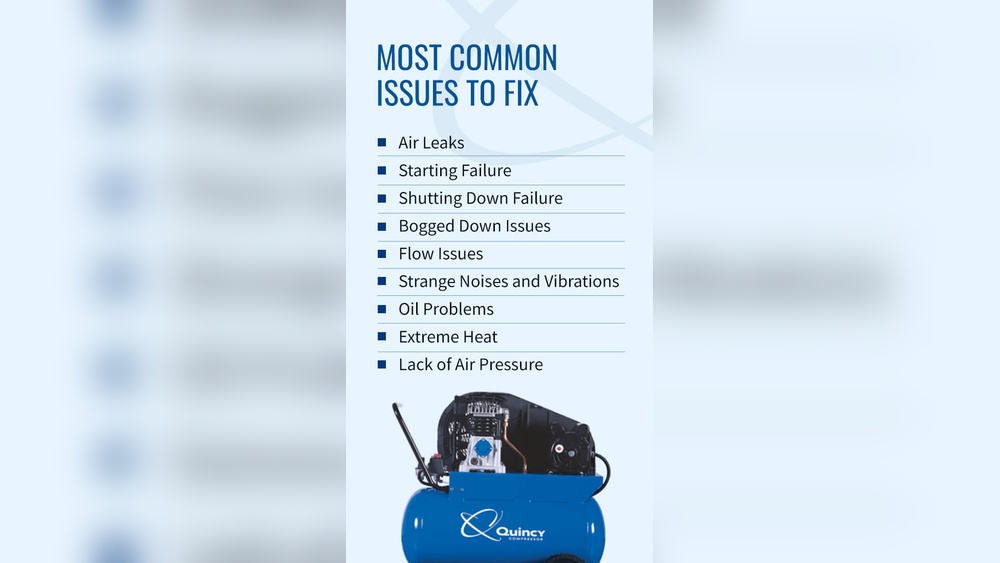
Air compressors are useful tools but can face problems that stop them from working well. Knowing common issues helps fix them quickly. This saves time and money.
Below are typical air compressor problems and easy ways to spot them.
Air Leaks And Pressure Drops
Air leaks cause the compressor to lose pressure. This lowers its power and efficiency. Check hoses, fittings, and connections for cracks or holes. Use soapy water to find leaks by looking for bubbles.
Fix leaks by tightening or replacing faulty parts. Keep seals and valves clean to avoid pressure drops.
Motor Fails To Start
A motor that does not start could have electrical or mechanical issues. Check power supply and circuit breakers first. Look for loose wires or blown fuses.
Sometimes the motor needs resetting. If it still won’t start, the start capacitor or motor itself may need repair.
Overheating Problems
Overheating happens when the compressor runs too long or lacks cooling. Poor ventilation can cause heat build-up. Make sure the compressor is in a cool, open area.
Check oil levels and clean cooling fins. Overheating can damage parts and reduce compressor life.
Unusual Noises
Strange sounds like banging or squealing mean trouble. Loose parts, worn belts, or damaged bearings often cause noise. Turn off the compressor and inspect it carefully.
Replace worn parts and tighten loose screws. Regular maintenance keeps noise low and the machine running smoothly.
Oil And Lubrication Concerns
Oil keeps the compressor parts moving smoothly. Low or dirty oil can cause friction and damage. Check oil levels regularly and top up if needed.
Change oil according to the manual. Use the right oil type to ensure good lubrication and longer compressor life.
Credit: commercialaircompressor.ca
Basic Troubleshooting Steps
Troubleshooting an air compressor starts with basic checks. These steps help find common problems fast. Follow each step carefully. This saves time and avoids damage. Simple fixes often solve big issues. Understanding these basics keeps your compressor working well.
Checking Power Supply
First, confirm the air compressor is plugged in. Check the power outlet with another device. Make sure the circuit breaker is not tripped. Look for loose or damaged power cords. A stable power supply is essential for operation.
Inspecting Air Filters
Air filters stop dust and dirt from entering the compressor. Check if filters are dirty or clogged. Clean or replace filters as needed. Clean filters improve air flow and protect the machine. Regular filter checks extend the compressor’s life.
Examining Hoses And Connections
Look over all hoses for cracks or holes. Tighten loose connections to prevent air leaks. Damaged hoses reduce compressor efficiency. Replace any worn or broken hoses quickly. Good connections keep air pressure steady.
Testing Pressure Switch
The pressure switch controls compressor start and stop. Test if it activates correctly at set pressure levels. Replace the switch if it does not respond. A faulty switch can cause the compressor to run too long or stop early. Proper function ensures safe operation.
Reviewing Oil Levels
Many compressors need oil to run smoothly. Check the oil level using the dipstick or sight glass. Add oil if the level is low. Change oil regularly to avoid engine damage. Clean oil helps the compressor parts move freely.
Quick Fixes For Frequent Problems
Quick fixes can solve many common air compressor problems. These simple steps save time and effort. Most issues do not need a technician. Basic maintenance keeps your compressor running well. Here are easy fixes for frequent troubles.
Sealing Air Leaks
Air leaks reduce compressor efficiency. Listen for hissing sounds near connections. Use soapy water to spot bubbles on hoses and fittings. Tighten loose connections with a wrench. Replace damaged hoses or seals. Sealing leaks restores proper pressure quickly.
Resetting The Motor
Sometimes the motor shuts off from overload. Find the reset button on the compressor. Press it to restart the motor. Check the power supply and circuit breaker. Resetting clears motor faults and restarts normal function.
Cleaning Or Replacing Filters
Dirty filters block airflow and strain the compressor. Remove the air intake filter carefully. Clean it with water or replace it if very dirty. Check oil filters in lubricated models. Clean or replace filters every few months. Clean filters improve performance and lifespan.
Lubricating Moving Parts
Parts need oil to reduce friction and wear. Check the oil level if your compressor uses oil. Add the recommended oil type as needed. Lubricate bearings and pistons for smooth operation. Regular oiling prevents damage and keeps parts moving easily.
Adjusting Pressure Settings
Incorrect pressure causes poor tool performance. Locate the pressure regulator knob. Turn it to increase or decrease pressure. Use a pressure gauge to check settings. Set pressure according to your tool’s requirements. Proper pressure keeps tools working safely and efficiently.
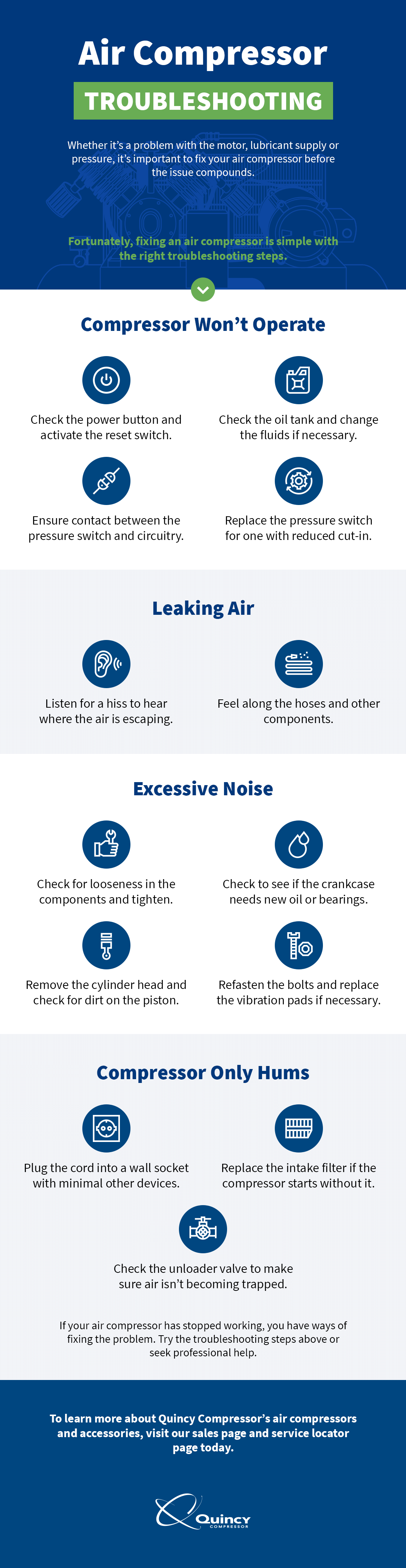
Credit: www.quincycompressor.com
Expert Tips For Maintenance
Maintaining an air compressor is key to keeping it running smoothly and lasting longer. Regular care helps avoid breakdowns and costly repairs. Follow expert tips to ensure your compressor stays in good shape.
Regular Inspection Schedule
Check your air compressor often for any signs of wear or damage. Look for leaks, loose bolts, and unusual noises. Set a weekly or monthly inspection routine. Catch problems early to prevent bigger issues.
Proper Storage Techniques
Store the compressor in a clean, dry place. Avoid damp or dusty areas that can damage parts. Keep it covered to block dust and dirt. Proper storage helps protect the machine and keeps it ready to use.
Using Correct Replacement Parts
Always use parts that match your compressor’s model. Wrong parts can cause poor performance or damage. Check the manufacturer’s guide for exact replacements. Quality parts help the compressor work better and last longer.
Monitoring Compressor Performance
Keep an eye on pressure levels and operating temperature. Sudden changes can signal a problem. Record performance data regularly to spot trends. Early detection helps fix issues before they worsen.
Safety Precautions
Wear protective gear like gloves and goggles when working on the compressor. Make sure the machine is off and unplugged before any maintenance. Follow all safety instructions in the manual. Safety prevents accidents and keeps you safe.
When To Call A Professional
Knowing when to call a professional for air compressor issues saves time and prevents damage. Some problems need expert tools and skills. Attempting repairs without proper knowledge can make things worse. Here are signs that it is time to seek professional help.
Complex Mechanical Failures
Complex mechanical issues often need expert hands. Strange noises, broken parts, or leaks may signal serious damage. Professionals can identify hidden problems and fix them safely. Trying to repair complex parts alone can cause more harm.
Electrical Issues Beyond Basics
Simple electrical fixes like replacing a fuse are easy. But wiring problems or motor failures require expert attention. Electricity is dangerous without proper training. A professional can safely diagnose and repair electrical faults to avoid hazards.
Persistent Performance Problems
If your air compressor runs poorly after basic checks, call a technician. Constant pressure drops or overheating show underlying issues. Experts use special tools to find and solve these problems. Don’t ignore persistent faults as they can worsen over time.
Warranty And Service Considerations
Many air compressors come with a warranty. Repairs by unauthorized persons may void it. Professionals follow manufacturer rules and keep your warranty valid. They also provide official service records, which help with future claims.

Credit: www.familyhandyman.com
Frequently Asked Questions
How Do I Identify Common Air Compressor Problems?
Check for unusual noises, pressure loss, or air leaks. Inspect the motor, hoses, and valves. Regular maintenance helps spot issues early.
Why Is My Air Compressor Not Building Pressure?
This may be due to leaks, a faulty pressure switch, or a clogged intake valve. Tighten connections and clean filters to fix it.
How Often Should I Perform Air Compressor Maintenance?
Regular maintenance is essential. Check oil levels, clean filters, and inspect hoses every 3 months or after 500 hours of use.
What Causes An Air Compressor To Overheat?
Overheating can result from low oil, poor ventilation, or continuous heavy use. Ensure proper cooling and check oil levels frequently.
Conclusion
Troubleshooting your air compressor can save time and money. Check the power source and air filters first. Listen for unusual noises and watch for leaks. Keep parts clean and replace damaged components quickly. Regular care helps your compressor run smoothly.
Stay patient and work step-by-step. Small fixes often solve big problems. This guide makes troubleshooting simple and clear. Your air compressor will serve you well with proper attention. Keep these tips handy for future use.