
If your air conditioner is not cooling as it should, the problem might be the compressor. This part is like the heart of your air conditioning system. It moves refrigerant through the system and helps create cool air. When it fails, the whole AC struggles or even stops working. But how can you tell if the compressor is bad? Many people don’t realize the signs until they’re stuck in the heat. Understanding the main symptoms, causes, and how to test a compressor can save you money and prevent bigger problems.
Let’s look at the clear signs of a failing compressor, what causes these issues, and what you can do about it. You’ll also learn a few tips most beginners overlook, and some practical guidance to help you make the best decision for your situation.
What Does An Ac Compressor Do?
The air conditioning compressor is a mechanical pump. Its job is to compress low-pressure refrigerant gas and push it into the condenser, where it changes into a high-pressure, high-temperature gas. This process removes heat from the air inside your home or car. Without the compressor, your AC cannot cool the air.
Why Do Compressors Go Bad?
Several factors can damage a compressor:
- Lack of maintenance: Not cleaning or servicing your AC lets dirt build up, making the compressor work harder.
- Electrical issues: Faulty wiring or power surges can burn out the compressor.
- Low refrigerant: If there’s a leak, the compressor runs with less refrigerant, causing overheating.
- Age and wear: Most compressors last 10-15 years. After that, wear and tear can cause failure.
- Contamination: Dust, debris, or moisture inside the AC lines can damage the compressor.
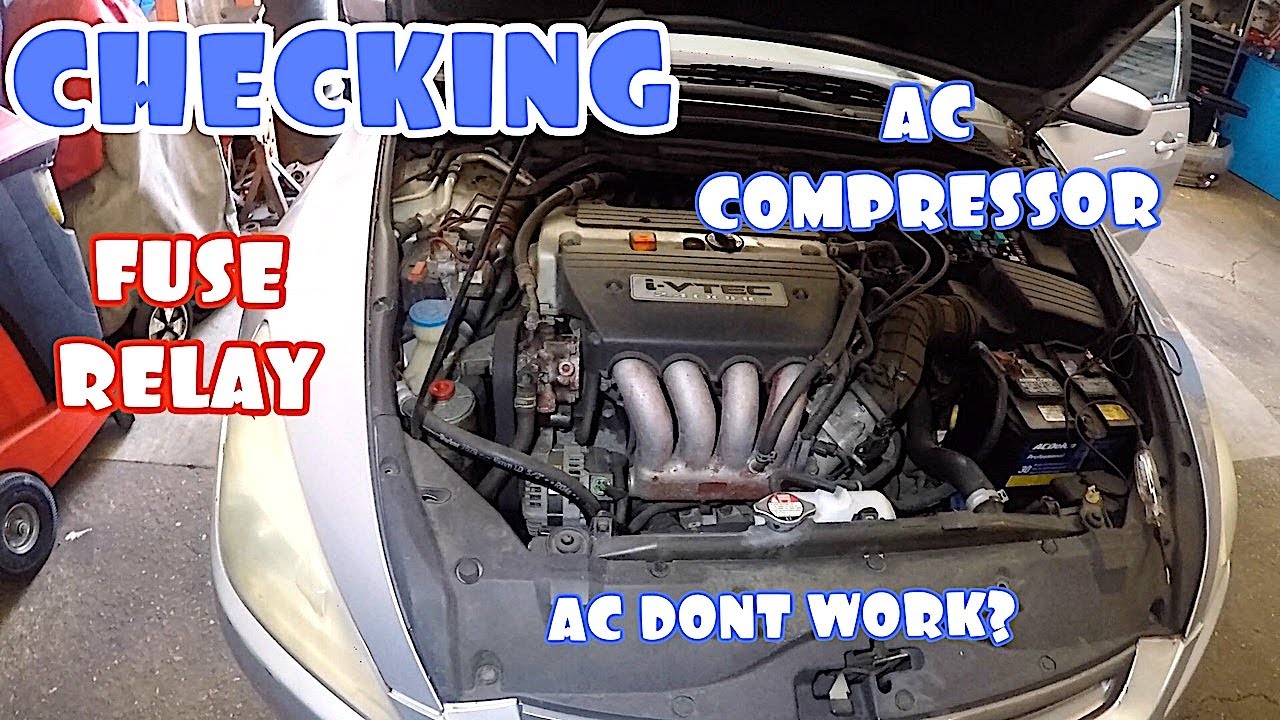
Credit: www.youtube.com
Common Signs Of A Bad Ac Compressor
Spotting a bad compressor early can save you from a full breakdown. Here are the most common symptoms:
1. Ac Blows Warm Air
If your AC is blowing warm or room temperature air instead of cool air, the compressor might not be compressing the refrigerant properly. Sometimes, the air may start cool and then become warm after a few minutes.
2. Strange Noises
A healthy compressor should be relatively quiet. Listen for:
- Clicking: Can mean electrical problems or a failed start relay.
- Grinding or squealing: Often signals internal damage, like worn bearings.
- Hissing: Might point to a refrigerant leak, which can damage the compressor if left unchecked.
3. The Compressor Doesn’t Turn On
If you notice the outdoor unit is not running while the indoor fan is, your compressor may have failed. Sometimes, the unit tries to start but shuts off quickly. This is called “hard starting” and usually means the compressor is struggling.
4. Circuit Breaker Keeps Tripping
A bad compressor can pull too much electrical current, causing your home’s breaker to trip. If this happens every time you turn on the AC, the compressor could be shorting out.
5. Shaking Or Vibrating Unit
When the compressor fails to start, it can cause the outdoor AC unit to shake or vibrate. This is sometimes called the “hard start” and can be a warning of major compressor trouble.
6. Ac Runs But Doesn’t Cool
Sometimes, the AC will run for hours but the room never gets cooler. If the refrigerant isn’t being compressed, there’s no cooling effect—even if fans and other parts seem to work.
7. High Energy Bills
A failing compressor often becomes less efficient. The system runs longer and harder, using more electricity than normal. If your energy bills suddenly spike, the compressor could be to blame.
8. Visible Damage Or Burn Marks
Look at the compressor and wiring for:
- Burn marks
- Melted wires
- Blackened connectors
These signs often mean there was an electrical failure, which can destroy the compressor.
How To Test If Your Ac Compressor Is Bad
If you notice any symptoms above, you can do a few checks before calling a professional.
1. Check The Power
Make sure your AC is plugged in and the breaker is not tripped. Sometimes, a simple power issue looks like compressor failure.
2. Listen For The Compressor
Turn on the AC and listen to the outdoor unit. You should hear a steady hum as the compressor runs. If there’s silence or a clicking sound, the compressor might not be starting.
3. Measure The Temperature Difference
Use a thermometer to check the air coming out of the vent and the air going in. If there is less than a 15°F (8°C) difference, cooling is not happening, which could mean compressor trouble.
4. Check The Capacitor
The capacitor helps the compressor start. If it’s bad, the compressor won’t run. A swollen or leaking capacitor is a clear sign it needs replacement.
5. Use A Multimeter
If you’re comfortable with basic electrical tools, use a multimeter to check for continuity and resistance in the compressor terminals. No continuity or unusual readings could mean a bad compressor.
Here is a quick comparison of common AC problems and symptoms:
| Problem | Common Symptom | Likely Cause |
|---|---|---|
| Warm air blowing | No cooling | Compressor, refrigerant, or thermostat |
| Loud noises | Grinding, squealing | Compressor internal failure |
| Unit won’t start | Silence or clicking | Compressor or capacitor |
| High energy bills | More usage | Compressor inefficiency |
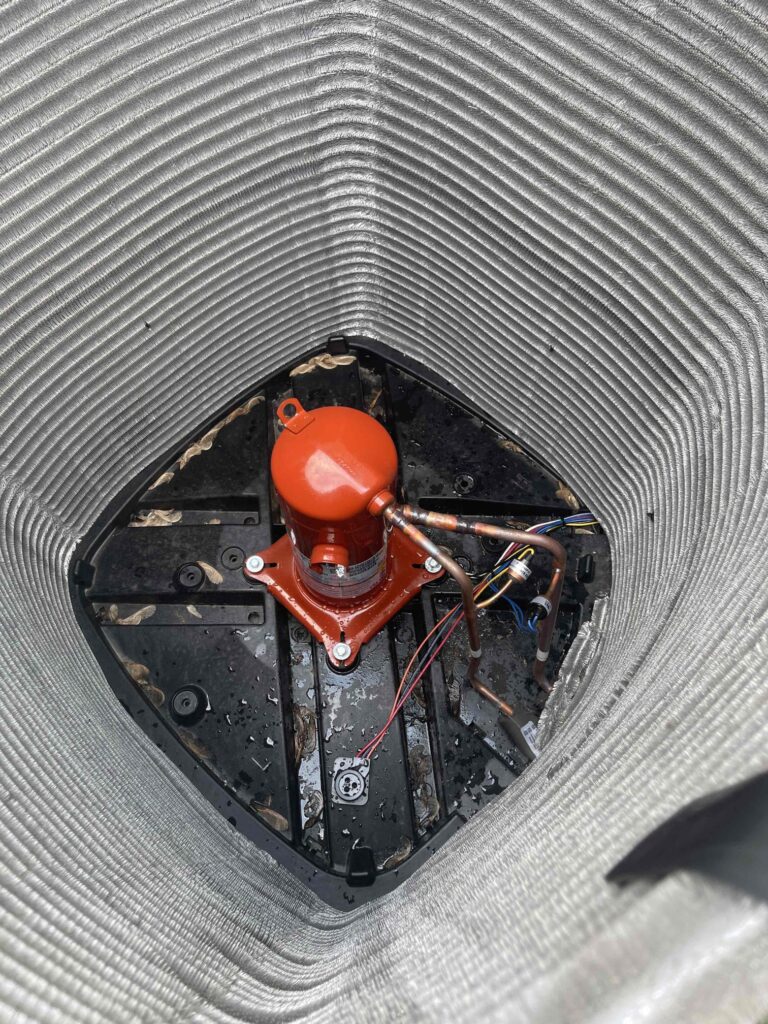
Credit: www.logan-inc.com
Non-obvious Signs Most Beginners Miss
Many people focus only on the obvious symptoms, but there are subtle clues that even experienced homeowners sometimes miss:
- Short Cycling: If your AC turns on and off quickly, it can be a sign the compressor is overheating or failing. Short cycling puts extra stress on all parts.
- Frost on the Outdoor Unit: Ice or frost on the condenser can mean the compressor is not moving refrigerant well, especially on hot days.
- Odd Smells: A burnt or chemical smell coming from the outdoor unit may signal a burnt compressor winding or leaking refrigerant.
What To Do If Your Compressor Is Bad
If you suspect a bad compressor, don’t ignore the problem. Here are your main options:
1. Replace The Compressor
You can replace just the compressor, but it is one of the most expensive AC repairs. The cost can range from $1,200 to $2,500 depending on the size and model. Sometimes, it’s more cost-effective to replace the whole outdoor unit, especially if the AC is old.
2. Replace The Entire Ac Unit
If your AC is over 10 years old, replacing the whole unit may be smarter. New systems are more efficient, and you get a full warranty. Plus, the new refrigerant (R410A) is more eco-friendly than older types.
3. Repair Related Parts
Sometimes, the compressor stops working because of a bad capacitor, relay, or thermostat. Replacing these parts is much cheaper—usually $100 to $400. Always check these before assuming the compressor is finished.
4. Get A Second Opinion
Because compressor replacement is so costly, always get a second opinion from a trusted HVAC technician. Sometimes, a simple fix can save you a lot of money.
Here is a simple table comparing your options if the compressor fails:
| Option | Cost Range | Best For |
|---|---|---|
| Replace Compressor | $1,200 – $2,500 | Newer AC units (under 8 years) |
| Replace Entire Unit | $3,000 – $7,000 | Older units (10+ years) |
| Repair Related Parts | $100 – $400 | Minor electrical issues |
Preventing Compressor Failure
While not all compressor problems are avoidable, good maintenance reduces risk:
- Change filters regularly: A clogged filter makes your AC work harder.
- Clean the outdoor unit: Remove leaves, dust, and debris for better airflow.
- Check refrigerant levels: Low refrigerant can overheat the compressor.
- Schedule yearly service: Professional checks can catch small problems early.
- Fix electrical issues quickly: Flickering lights or tripping breakers should never be ignored.
Many homeowners forget to clean the coils or check for small leaks. Over time, these small issues add up and put extra stress on the compressor.
When To Call A Professional
Some basic checks are safe to do yourself, but if you notice electrical smells, visible burn marks, or if the unit won’t start at all, it’s time to call an HVAC technician. High-voltage parts inside the compressor can be dangerous. A qualified professional can test, repair, or replace the compressor safely.
Cost Of Compressor Repairs And Replacement
The cost to fix or replace a compressor varies based on your AC type, model, and local labor rates. On average:
- Repair minor parts: $100 – $400
- Replace capacitor/relay: $150 – $300
- Replace compressor: $1,200 – $2,500
- New AC unit: $3,000 – $7,000
Warranty coverage can make a big difference. Many compressors have a 5-10 year warranty. If your system is still under warranty, you may only pay for labor.
Should You Repair Or Replace?
If your AC is under 8 years old and the compressor is the only problem, repair can be a good option. For older units or if there are several failing parts, replacement is often smarter in the long run. Newer systems use less energy and come with better warranties.
To make a choice, consider:
- Age of your AC
- Cost of repair vs. replacement
- Energy savings with a new unit
- Warranty status

Credit: www.youtube.com
Frequently Asked Questions
What Is The Average Lifespan Of An Ac Compressor?
Most compressors last 10 to 15 years with regular maintenance. Lack of care, electrical problems, or low refrigerant can shorten this lifespan.
Can A Compressor Be Fixed Instead Of Replaced?
In some cases, minor issues like a bad start relay or capacitor can be fixed. But if the internal parts are damaged or the compressor is seized, it usually needs full replacement.
How Can I Tell If It’s The Compressor Or Just The Capacitor?
A bad capacitor often causes the compressor not to start, but is much cheaper to fix. You can sometimes see a swollen or leaking capacitor. Testing with a multimeter helps confirm the problem.
Is It Dangerous To Run An Ac With A Bad Compressor?
Yes, running an AC with a failing compressor can cause more damage to other parts, increase fire risk, and waste electricity. Always turn off the unit and get it checked.
Where Can I Learn More About Air Conditioner Maintenance?
For more in-depth information, check this helpful resource from the U.S. Department of Energy.
A bad AC compressor can be a headache, especially during hot weather. But by knowing the warning signs, doing simple checks, and getting the right help, you can keep your cool and avoid a costly surprise. Regular maintenance and quick action are your best tools to ensure your air conditioner works well for years to come.