Inflating tires may look simple, but doing it right can save you money, prevent accidents, and make your ride much smoother. Many people don’t realize that tire pressure changes with temperature, how you drive, and even how long your car sits.
If you want to keep your tires healthy, learning how to inflate them with an air compressor is a practical skill—one that’s easy to learn but easy to get wrong if you miss a step. Here’s your complete, step-by-step guide to mastering this task, with tips that even many experienced drivers overlook.
Why Proper Tire Inflation Matters
Most drivers know that tires should not be too flat or too hard, but few understand how much this really affects the car. Correct tire pressure gives you better fuel efficiency, smoother handling, and longer tire life. According to the U.S. Department of Energy, properly inflated tires can improve your gas mileage by up to 3%. Under-inflated tires make the engine work harder and wear out faster, while over-inflated tires can make your ride bumpy and reduce traction.
What You Need Before You Start
Before inflating your tires, gather these items:
- Air compressor (portable or garage unit)
- Tire pressure gauge
- Valve stem caps (the little caps on the tire valves)
- Owner’s manual or the sticker in your car’s door jamb (for pressure specs)
- Protective gloves (optional, but helpful)
Types Of Air Compressors
There are several types of air compressors you may use for inflating tires:
| Compressor Type | Portability | Power Source | Best For |
|---|---|---|---|
| Portable (12V) | Very High | Car outlet (cigarette lighter) | Road trips, emergencies |
| Pancake | Medium | AC (household plug) | Home garages |
| Stationary | Low | Hardwired/High voltage | Workshops, professionals |
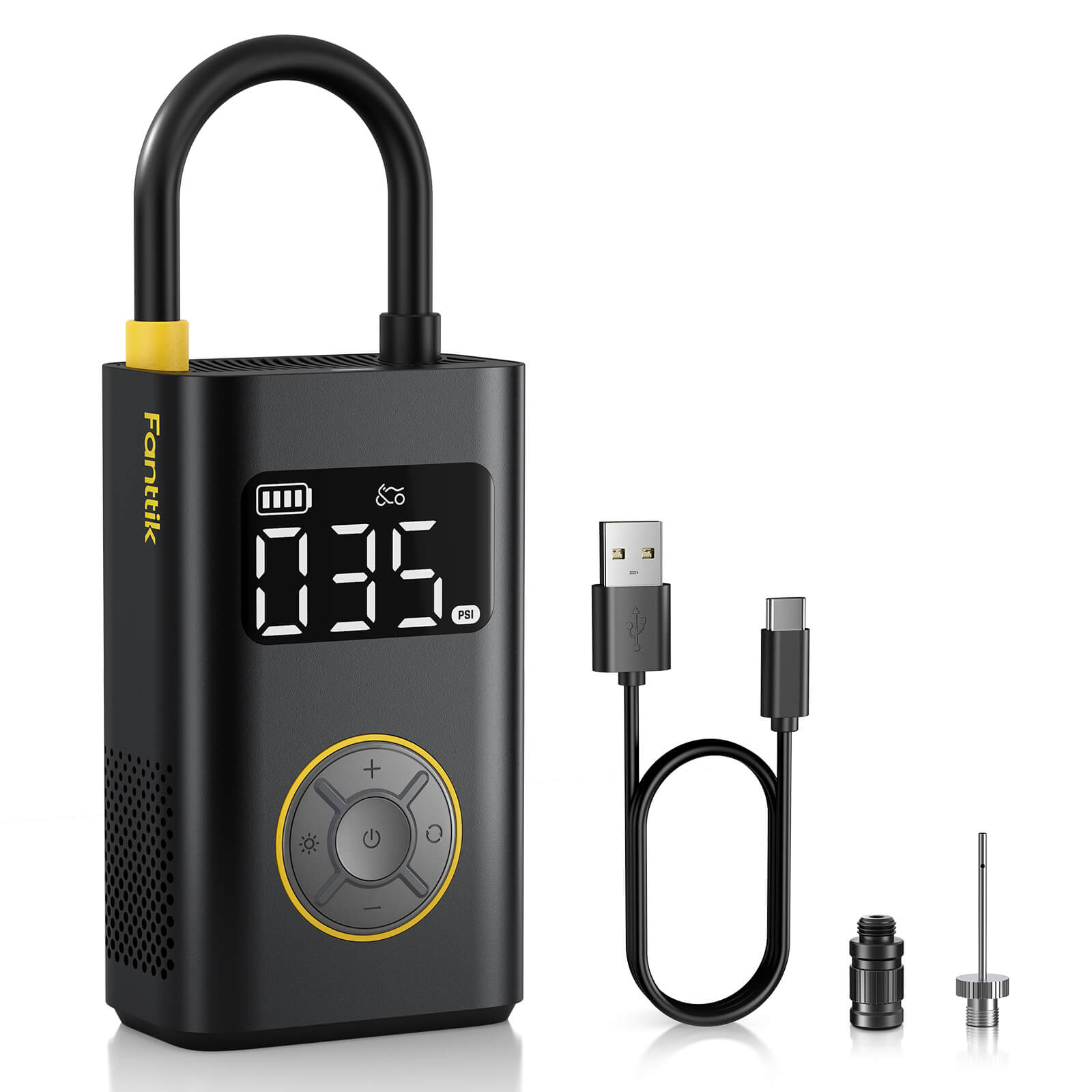
A portable 12V compressor fits in your trunk and is perfect for emergencies. For home use, a small pancake or hotdog-style compressor works well for most cars.
Step-by-step: How To Inflate Tires With An Air Compressor
1. Find The Recommended Tire Pressure
Look for the tire pressure label on your car’s driver-side door jamb or check the owner’s manual. The number is usually in PSI (pounds per square inch). Never use the maximum PSI listed on the tire sidewall—that’s not the right pressure for normal driving.
2. Park Safely And Prepare
Make sure your car is parked on a flat, stable surface. Turn off the engine, engage the parking brake, and put the car in park (or in gear, for manual transmissions). If you’ve been driving, let the tires cool for at least 30 minutes for a more accurate reading.
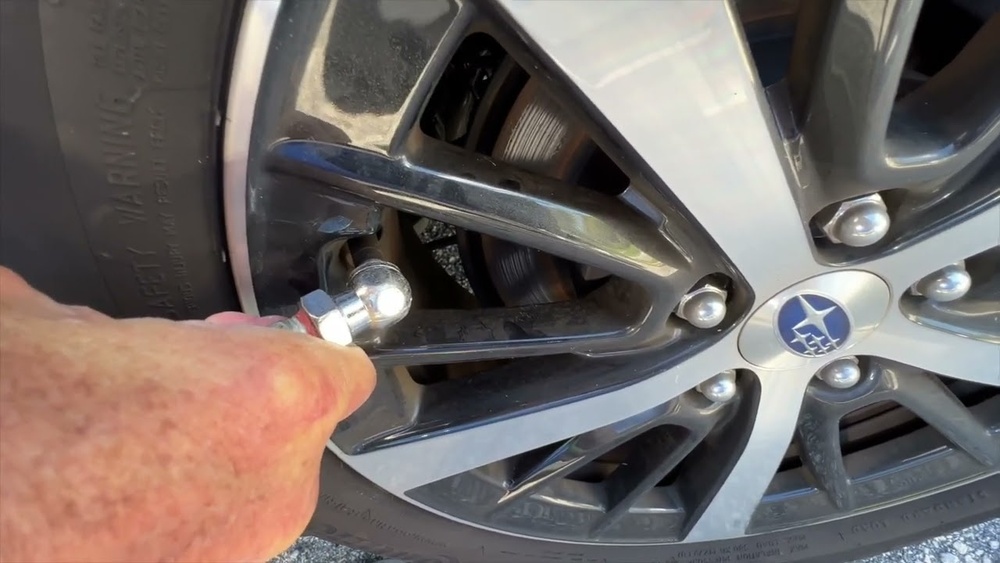
3. Remove The Valve Stem Caps
Unscrew the small caps from each tire’s valve stem. Keep them in a safe place—you’ll need them after you finish.
4. Check Current Tire Pressure
Use a tire pressure gauge to check each tire. Press the gauge onto the valve stem and read the number. Compare this to the recommended PSI. If the reading is lower, you’ll need to add air.
5. Set Up The Air Compressor
Plug in your air compressor (or connect it to your car’s power if it’s portable). Attach the air hose and ensure the pressure regulator is set slightly above the recommended tire pressure. Some compressors have digital displays; others have manual gauges.
6. Attach The Air Hose
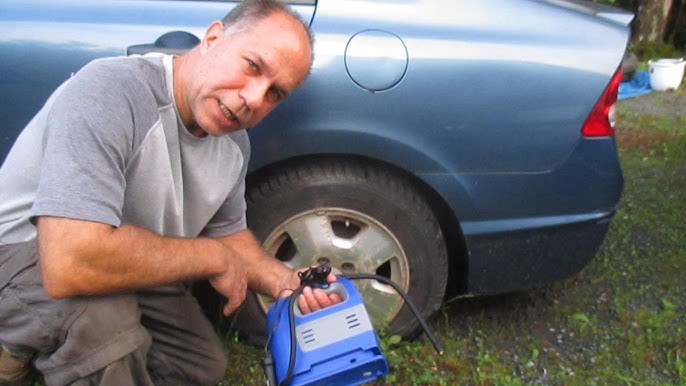
Press the compressor hose nozzle firmly onto the valve stem. You may hear a short hiss—this is normal. If the sound continues, the nozzle isn’t sealed correctly. Adjust until it stops.
7. Inflate The Tire
Turn on the compressor. Add air in short bursts. After 5-10 seconds, pause and check the pressure with your gauge. Repeat until the tire reaches the recommended PSI. Don’t overinflate—too much air can make the tire stiff and unsafe.
8. Replace Valve Stem Caps
Once you reach the correct pressure, remove the hose and quickly screw the cap back on. This helps keep dirt and moisture out.
9. Repeat For All Tires
Check and inflate each tire, including the spare tire if your car has one. Many people forget the spare, but it’s useless if flat when you need it.
10. Clean Up And Store Your Equipment
Turn off the compressor, wind up the hose, and store everything safely. If you used a portable compressor, unplug it from your car.
Common Mistakes To Avoid
Even experienced drivers make errors when inflating tires. Here are some pitfalls to watch for:
- Ignoring the spare tire: Always check it.
- Inflating hot tires: Pressure readings are higher after driving. Check when cold.
- Overfilling: Overinflated tires can make handling dangerous, especially in rain.
- Not double-checking with a gauge: Compressor gauges are often less accurate than a good handheld gauge.
- Losing valve caps: These protect the valve from dirt and leaks.
Credit: fanttik.com
Dealing With Special Situations
Low Temperatures
Cold air contracts, so tire pressure drops in winter. For every 10°F drop, you can lose 1 PSI. Check tires more often during cold months.
High Temperatures
Hot weather can increase tire pressure. If you inflated your tires in the cold, check them again as temperatures rise.
Different Types Of Vehicles
Some vehicles, like trucks or SUVs, need higher PSI. Always check the manufacturer’s guidelines.
Slow Leaks
If you keep losing air, you may have a small leak. Spray soapy water on the valve and look for bubbles. If you see any, get the tire or valve repaired.
Understanding Tire Pressure Gauges
Not all gauges are equal. There are three main types:
| Gauge Type | Accuracy | Ease of Use | Best For |
|---|---|---|---|
| Pencil (stick) gauge | Medium | Simple, manual | Glove box, quick checks |
| Dial (analog) gauge | High | Easy to read | Home garages |
| Digital gauge | Very High | Push-button, backlit | Precise, low light |
For best results, use a digital or dial gauge, especially if you check your tires often.
Tips For Getting The Best Results
- Check tires monthly: Pressure can drop naturally over time.
- Measure when tires are cold: This gives the most accurate reading.
- Invest in a reliable gauge: Cheap gauges can be off by several PSI.
- Learn your car’s tire pressure needs: Different cars, different requirements.
- Listen for leaks: After inflating, listen for a hissing sound that signals a slow leak.
One insight many beginners miss: even new tires or new cars can have incorrect pressure from the dealership or tire shop. Always check yourself after any service.
When To Replace Or Repair A Tire
Inflating a tire isn’t a fix for all problems. If you notice cracks, bulges, or if a tire keeps losing air, it may need to be repaired or replaced. Driving on a damaged tire is dangerous. If in doubt, ask a professional or check a trusted resource like the National Highway Traffic Safety Administration.
Credit: www.youtube.com
Air Compressor Maintenance For Tire Inflation
Your air compressor needs care, too. Here’s how to keep it working well:
- Drain water from the tank after use to prevent rust (for home compressors).
- Check hoses for cracks or leaks.
- Test the pressure gauge on the compressor for accuracy every few months.
- Store in a dry place to prevent damage from moisture.
A well-maintained compressor is safer and more effective.
Quick Reference: Tire Pressure And Fuel Economy
Here is a simple comparison of how tire pressure affects your gas mileage and safety:
| Tire Pressure Status | Fuel Efficiency | Handling | Tire Wear |
|---|---|---|---|
| Correct | Best | Safe, predictable | Even |
| Under-inflated | Poor (up to 3% less) | Soft, sluggish | Edges wear out |
| Over-inflated | Minimal change | Stiff, harsh | Center wears out |

Credit: rnrtires.com
Frequently Asked Questions
What Is The Best Tire Pressure For Most Cars?
Most passenger cars need between 32-35 PSI when tires are cold, but always use the number in your owner’s manual or on the door jamb sticker.
Can I Use A Bike Pump To Inflate Car Tires?
Technically yes, but it’s not practical. A bike pump takes a lot of effort and time to reach the needed pressure for car tires. An air compressor is much faster and easier.
How Often Should I Check My Tire Pressure?
Check your tire pressure at least once a month and before long trips. Also, check after major temperature changes.
My Tire Pressure Keeps Dropping. What Should I Do?
Check for punctures, valve leaks, or damage. Use soapy water on the valve and around the tire to find leaks. If you find bubbles, visit a tire shop for repair.
Can I Overinflate My Tires A Little For Better Fuel Economy?
No, overinflating can make your car harder to handle and increase the risk of a blowout. Stick to the recommended pressure for safety and best performance.
Keeping your tires properly inflated with an air compressor is a small task that brings big rewards. It saves you money, keeps you safer, and makes every drive smoother. If you make this part of your monthly routine, you’ll avoid many common tire problems that can leave you stranded or cost you more in repairs.
With the right tools and knowledge, you’ll be ready to handle this job confidently—no matter where the road takes you.