
Are you wondering how many amps your air compressor uses? Knowing this can save you from unexpected power issues and help you choose the right model for your needs.
Whether you’re working on a home project or running a busy workshop, understanding your air compressor’s power requirements is key. You’ll discover the simple way to figure out the amps your air compressor draws, so you can avoid electrical problems and keep your tools running smoothly.
Keep reading to find out exactly what you need to know!
Air Compressor Basics
An air compressor is a machine that changes power into potential energy stored in compressed air. This energy can power tools, inflate tires, and clean surfaces. Understanding the basics helps you choose the right compressor for your needs.
Knowing how much electricity an air compressor uses depends on its type and operation. Learning about different compressors and their working methods makes this clear.
Types Of Air Compressors
There are two main types: reciprocating and rotary. Reciprocating compressors use pistons to compress air. They are common in small workshops and homes.
Rotary compressors use screws or vanes to compress air. These are quieter and work well for continuous use. Choosing the right type depends on your tasks and power needs.
How Air Compressors Work
An air compressor pulls air from the environment. It then squeezes the air into a smaller space, raising its pressure. This compressed air is stored in a tank until needed.
When you use a tool or machine, compressed air flows out to do work. The compressor turns on and off to keep the tank pressure steady. This cycle affects how many amps the compressor draws.
Electrical Requirements
Understanding the electrical requirements of an air compressor helps you choose the right model. It also ensures safe and efficient operation. Different compressors need different electrical power levels. Knowing the voltage and amperage is essential for proper setup.
Electrical needs depend on the size and type of the compressor. Some models use more power and need special outlets. Others run on standard household current. Let’s break down the basics of voltage and amperage for air compressors.
Voltage And Amperage Explained
Voltage measures the electric force that pushes current through a wire. Amperage, or amps, is the amount of electric current flowing. Together, voltage and amperage determine the total power used by a device.
Most small air compressors use 120 volts, the standard in many homes. Larger compressors often require 240 volts. The amperage rating tells you how much current the motor pulls during operation.
Higher amps mean more power needed. Knowing these numbers helps avoid electrical overload. It also ensures your circuit can handle the compressor safely.
Typical Power Ratings
Small portable compressors usually draw between 5 and 15 amps. These models fit regular household outlets. Medium-sized compressors may need 15 to 30 amps and sometimes a dedicated circuit.
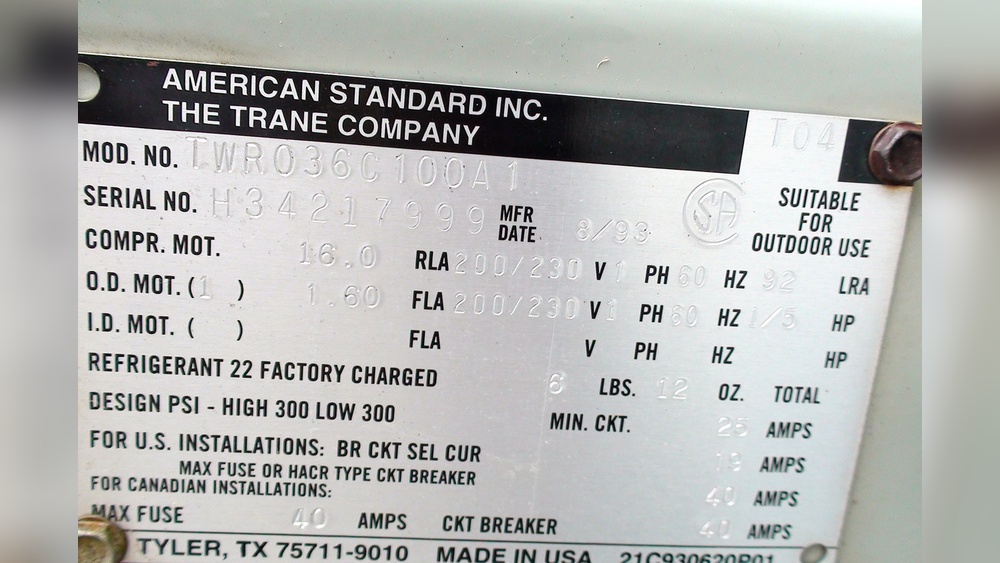
Large industrial compressors often require 240 volts and can draw 30 amps or more. They usually need special wiring and breakers. Check the manufacturer’s label for exact power ratings.
Always match the compressor’s electrical needs to your power supply. This prevents tripped breakers and possible damage. Understanding typical ratings helps plan your workspace and electrical setup.
Amps Usage By Compressor Size
Understanding the amps usage of air compressors helps you choose the right tool. Different sizes need different power levels. This section breaks down amps use by compressor size. You will find details for small, medium, and large compressors.
Small Portable Units
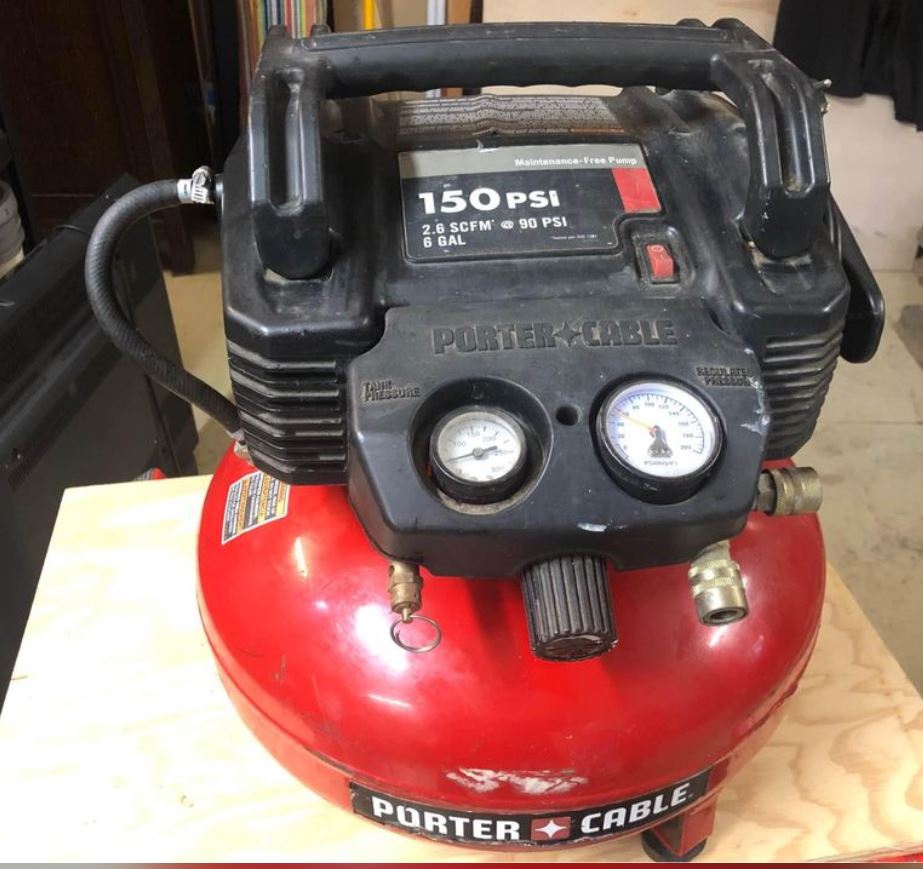
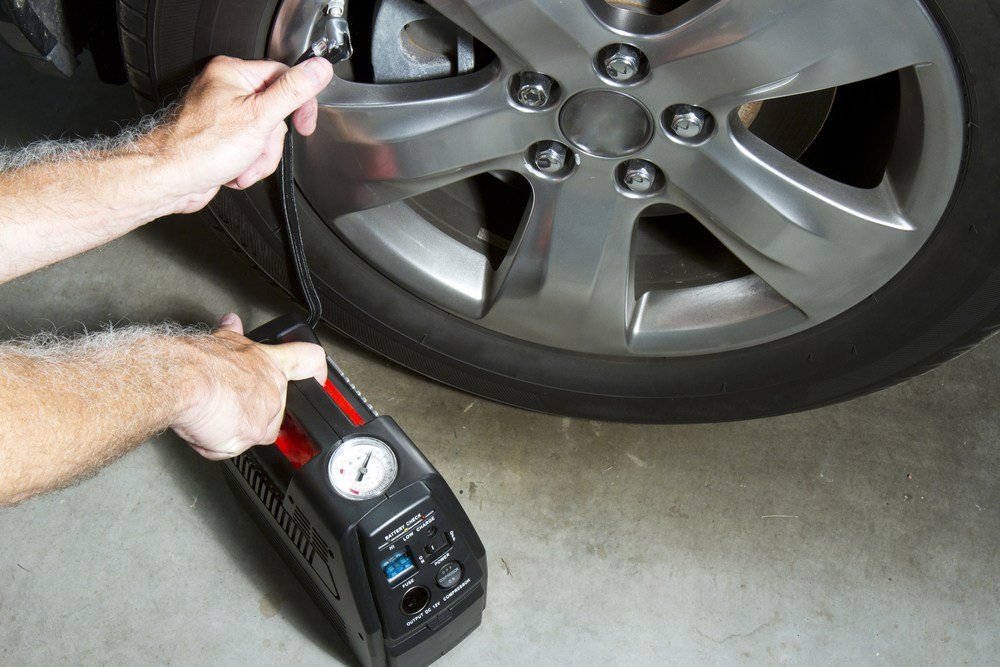
Small portable compressors usually draw between 4 and 10 amps. These units are light and easy to carry. They work well for home projects and small tasks. They plug into standard household outlets. Their low power use saves electricity.
Medium-sized Compressors
Medium compressors often use 10 to 20 amps. These models suit moderate jobs and workshops. They need a stronger power supply than small units. Many require a 240-volt outlet for proper operation. Medium compressors offer a good balance of power and portability.
Large Industrial Models
Large industrial compressors consume 20 amps or more. They serve heavy-duty tasks in factories and construction sites. These machines need special electrical setups. Often, they run on three-phase power systems. High amps mean they deliver powerful, continuous air flow.
Credit: www.tooltally.com
Factors Influencing Amps Draw
The amps draw of an air compressor depends on many factors. These affect how much electricity the motor uses. Understanding these helps you choose the right compressor for your needs. It also helps avoid electrical problems or high energy costs.
Each factor changes the power demand in different ways. Knowing these can make your air compressor work better and last longer.
Motor Type And Efficiency
Different motors use different amounts of current. A high-efficiency motor uses fewer amps for the same power. Single-phase motors usually draw more amps than three-phase motors. Brushless motors are often more efficient than brushed types. The motor’s design and quality affect electricity use.
Pressure And Capacity Needs
Higher pressure needs more power from the compressor. Larger tanks or capacity mean the motor works harder. This raises the amps draw. Small compressors for light tasks use less current. Industrial compressors with high pressure and big tanks draw more amps.
Duty Cycle And Usage Patterns
The duty cycle shows how long the compressor runs in a period. A compressor running continuously uses more amps than one used occasionally. Frequent starts and stops increase current draw. Proper use helps avoid overloading the motor and wasting energy.
Measuring And Calculating Amps
Measuring and calculating amps is important to know how much electricity an air compressor uses. It helps to ensure safety and avoid electrical overloads. Two common methods exist: using a clamp meter and calculating amps from watts and voltage. Both methods give clear results for your air compressor’s current draw.
Using A Clamp Meter
A clamp meter is a tool that measures electric current without disconnecting wires. You open the clamp and place it around one wire of the air compressor’s power cord. The meter then shows the amps flowing through the wire. This method is quick and accurate. It works well for both single-phase and three-phase compressors. No need to touch or cut the wire, which keeps the process safe.
Calculating Amps From Watts And Voltage
You can also find amps by using the power and voltage ratings of the air compressor. The formula is simple: Amps = Watts ÷ Volts. For example, if the compressor uses 1500 watts and runs on 120 volts, the current is 12.5 amps. This calculation works best if you know the exact wattage and voltage. It helps when a clamp meter is not available. This method also helps to compare different air compressors easily.
Safety And Electrical Considerations
Safety is very important when using an air compressor. Electrical problems can cause fires or damage tools. Knowing how to handle electricity for your compressor keeps you safe. It also helps your machine work well without stopping. Follow good safety and electrical rules to avoid trouble.
Circuit Breakers And Fuses
Circuit breakers and fuses protect your home and tools. They stop too much electricity from flowing. This prevents wires from overheating. Use the right size breaker or fuse for your air compressor. Too small can trip often. Too big may not protect well. Check the air compressor’s manual for the correct size.
Proper Wiring And Outlets
Use proper wiring and outlets for your compressor. The wire must handle the amps your compressor needs. Too thin wire can cause heat and fire risk. Outlets should be grounded to stop shocks. Avoid using extension cords if possible. If needed, use heavy-duty cords made for tools. Always install outlets near your work area for safety and ease.
Energy Efficiency Tips
Saving energy with an air compressor saves money and protects the environment. Small changes can lower power use and keep the compressor working well. Follow these tips to use your air compressor more efficiently.
Choosing The Right Size
Select a compressor that fits your needs. A too-large unit wastes power and costs more. A small one works harder and wears out fast. Check the air volume needed for your tasks. Buy a model that matches that amount closely. This choice cuts electricity use and keeps the work steady.
Maintaining Your Compressor
Clean and service your compressor often. Dirty filters and old oil make it use more amps. Change parts on time for smooth running. Tighten bolts and check hoses for leaks. Good upkeep lowers energy use and extends the tool’s life. It also stops sudden breakdowns.
Reducing Idle Time
Turn off the compressor when not in use. Leaving it running wastes energy and increases wear. Use an automatic shut-off if possible. Plan your work to avoid long pauses. Short breaks save power and keep the compressor ready. Less idle time means fewer amps used overall.
Credit: www.tooltally.com
Credit: www.schumacherelectric.com
Frequently Asked Questions
How Many Amps Does A Typical Air Compressor Use?
A typical air compressor uses between 10 to 15 amps. The exact value depends on the motor size and voltage. Smaller models draw fewer amps, while larger industrial compressors require more power.
What Affects An Air Compressor’s Amperage Draw?
The amperage depends on motor horsepower, voltage, and compressor type. Higher horsepower motors consume more amps. Additionally, startup amps can be higher than running amps.
Can Air Compressor Amps Overload A Circuit?
Yes, if the circuit cannot handle the compressor’s amperage, it may overload. Always ensure your electrical circuit matches or exceeds the compressor’s amp requirements.
How To Calculate Air Compressor Amperage Requirements?
Check the compressor’s motor horsepower and voltage. Use the formula amps = horsepower × 746 / voltage / efficiency to estimate amps drawn. Manufacturer specs provide the most accurate data.
Conclusion
Knowing how many amps an air compressor uses helps you plan your power needs. Different models draw different amounts of current. Small compressors use fewer amps than large ones. Check the label or manual for exact numbers. This prevents overloading your circuits and keeps things safe.
Understanding amps also helps save energy and money. Always match your power supply to your compressor’s requirements. This keeps your tools running smoothly without interruptions. Simple steps like these make working with air compressors easier and safer.