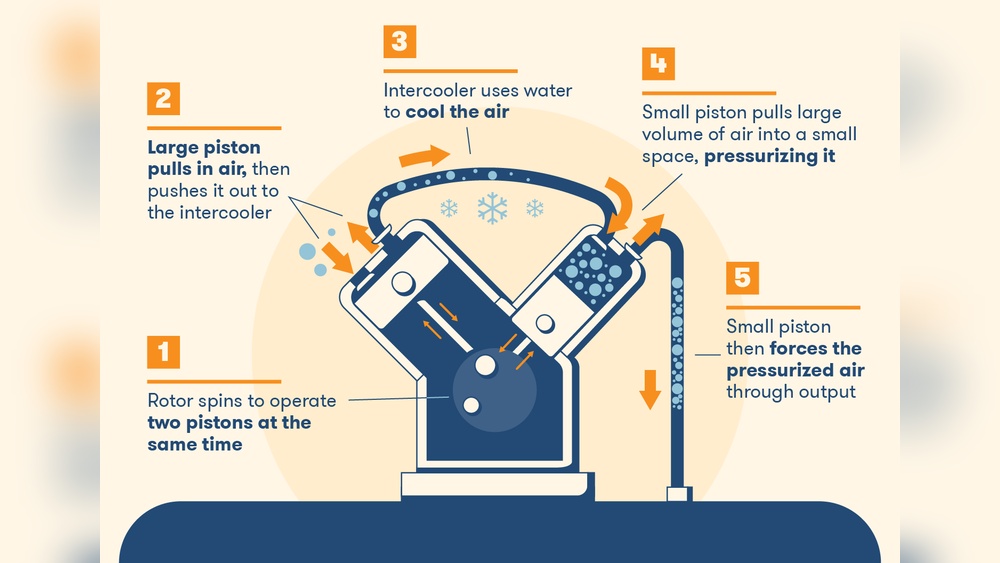
Have you ever wondered how a portable air compressor actually works? Whether you need to inflate your car tires, power a nail gun, or clean hard-to-reach spots, understanding this handy tool can make your tasks much easier.
By knowing how your portable air compressor functions, you’ll feel more confident using it safely and efficiently. Keep reading to discover the simple mechanics behind this powerful device and unlock the full potential of your tool.
Basics Of Portable Air Compressors
A portable air compressor is a tool that stores and delivers air power. It works by taking in air, compressing it, and then releasing it for use. This compressed air can power many tools and machines.
Portable air compressors are small and easy to carry. They are useful for many tasks like inflating tires, spraying paint, and running pneumatic tools. Understanding how they work helps you use them safely and effectively.
Types Of Portable Air Compressors
There are two main types of portable air compressors: piston and rotary screw. Piston compressors use a piston inside a cylinder to compress air. They are common, simple, and effective for many jobs.
Rotary screw compressors use two rotating screws to compress air. These are quieter and work well for continuous use. They are often used in professional settings.
Each type has its own strengths. The right choice depends on the job and how often you need the compressor.
Key Components
Several parts make up a portable air compressor. The motor powers the compressor. It can run on electricity, gas, or battery.
The compressor pump compresses the air. It pushes air into a storage tank. The tank holds the compressed air until needed.
A pressure switch controls the air pressure inside the tank. It turns the motor on and off to keep pressure steady. A pressure gauge shows the air pressure level.
Other parts include safety valves to prevent overpressure and air filters to keep air clean. All parts work together to deliver steady, reliable air power.
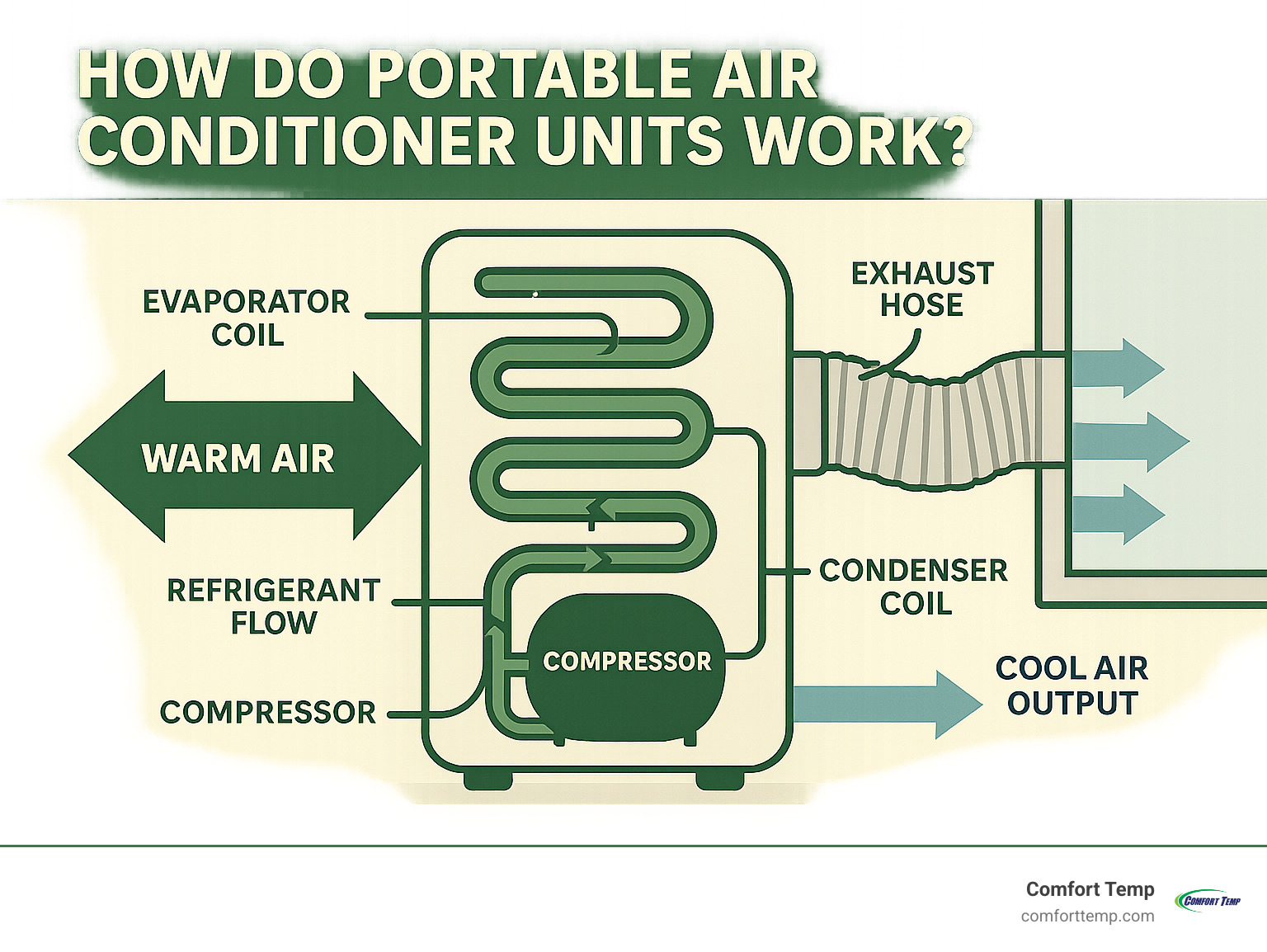
Credit: comforttemp.com
How Air Compression Happens
Air compression is the key process behind how a portable air compressor works. It involves taking in air, squeezing it into a smaller space, and then storing it under pressure. This compressed air can then power tools or inflate tires. Understanding how air compression happens helps you see why these devices are so useful.
Air Intake Process
The process starts with air intake. The compressor pulls air from the outside through a filter. This filter cleans dust and dirt from the air. Clean air is important to keep the machine working well. The air then moves into the compression chamber.
Compression Mechanism
Inside the chamber, a piston or rotary screw compresses the air. The piston moves back and forth, squeezing the air into a smaller space. This action increases the air pressure. Higher pressure means the air stores more energy. The motor powers this piston or screw to keep the process steady.
Air Storage And Release
After compression, the air flows into a storage tank. This tank holds the high-pressure air until needed. When you use the compressor, a valve opens. The compressed air then rushes out through a hose. This air powers tools or inflates objects quickly and efficiently.
Power Sources For Portable Compressors
Portable air compressors need power to run. The power source affects their use and convenience. Different models use different energy types. Choosing the right power source helps you match the compressor to your needs.
Electric Models
Electric compressors plug into a wall outlet. They run quietly and cleanly. They need a power source nearby to work. These models suit indoor jobs well. They do not emit fumes or smoke. The airflow is steady and reliable.
Gas-powered Units
Gas compressors use gasoline or diesel fuel. They work anywhere, no plug needed. These units are strong and powerful. They suit outdoor jobs and remote sites. They make noise and produce exhaust. Fuel refilling is necessary for long use.
Battery-operated Compressors
Battery compressors run on rechargeable batteries. They offer great portability and ease. No cords or fuel are required. They work well for small jobs and quick tasks. Battery life limits how long they run. Charging time affects how soon you can use again.
Common Uses And Applications
Portable air compressors are handy tools with many uses. They make jobs easier by providing quick air pressure. Their small size lets you carry them anywhere. These devices help in daily tasks and professional work. Understanding their common uses shows why they are popular.
Inflating Tires And Sports Equipment
Portable air compressors quickly fill car and bike tires. They save trips to gas stations or repair shops. Sports balls like basketballs and soccer balls also get inflated fast. This keeps equipment ready for use anytime. You avoid delays caused by flat tires or deflated balls.
Powering Pneumatic Tools
Many tools need air pressure to work. Nail guns, spray guns, and wrenches use compressed air. Portable compressors provide power for these tools on job sites. This helps in construction, repairs, and DIY projects. They deliver steady air flow for smooth tool operation.
Cleaning And Painting Tasks
Compressed air cleans hard-to-reach places. Dust and dirt blow away easily with air power. Portable compressors also support paint sprayers. They apply paint evenly on walls and furniture. This makes painting faster and neater than brushes or rollers.
Maintenance Tips For Longevity
Maintaining a portable air compressor is key to its long life and reliable use. Proper care keeps it running smoothly and prevents breakdowns. Simple tasks done regularly save money on repairs and replacements. Follow these easy maintenance tips to extend your compressor’s lifespan.
Regular Inspection
Check your air compressor before each use. Look for leaks, damaged hoses, and loose connections. Tighten bolts and screws to avoid parts falling off. Inspect the pressure gauge and safety valve for proper function. Spotting problems early stops bigger issues later.
Filter And Oil Changes
Clean or replace the air filter regularly. A dirty filter blocks airflow and stresses the motor. Change the oil as recommended by the manufacturer. Fresh oil reduces friction and keeps parts cool. Use the correct oil type for your model to ensure best performance.
Storage Best Practices
Store the compressor in a dry, clean place away from dust. Drain the tank completely before storing to prevent rust. Keep it covered to protect from dirt and moisture. Avoid places with extreme temperatures to protect seals and hoses. Proper storage keeps your compressor ready for work anytime.

Credit: www.bigrentz.com
Safety Measures To Follow
Using a portable air compressor requires care to avoid accidents. Safety helps protect you and your equipment. Follow key safety steps to keep work smooth and safe.
Proper Handling
Hold the compressor firmly while moving it. Place it on a flat, stable surface. Keep the power cord away from water and sharp objects. Do not pull the hose to move the machine. Always switch off and unplug before cleaning or fixing.
Avoiding Overheating
Check the compressor’s cooling vents regularly. Keep it in a cool, well-ventilated area. Do not run the compressor for too long without breaks. Overheating can damage the motor and cause failure. Give the machine time to cool down after use.
Using Protective Gear
Wear safety glasses to protect your eyes from dust and debris. Use ear protection to reduce noise exposure. Gloves help prevent hand injuries while handling the compressor or hose. Wearing the right gear lowers the risk of harm during operation.
Troubleshooting Common Issues
Troubleshooting common issues with portable air compressors helps keep them working well. Small problems can stop your compressor from working properly. Knowing how to fix these issues saves time and money.
This section covers three common problems: loss of pressure, unusual noises, and air leaks. Each problem has simple checks and fixes.
Loss Of Pressure
Loss of pressure means your compressor does not fill air as it should. Check the air filter first. A dirty filter blocks air and lowers pressure. Clean or replace it often.
Look at the pressure gauge. A broken gauge may show wrong pressure. Replace the gauge if needed. Also, check the hose for cracks or holes. Damaged hoses let air escape.
Unusual Noises
Strange sounds mean parts may be loose or worn out. Tighten all bolts and screws. Loose parts cause rattling or knocking sounds. Listen carefully to find the noise source.
Check the motor and pump. Worn bearings or belts make noise. Replace worn parts to stop the sound. Regular oiling helps parts work quietly.
Air Leaks
Air leaks reduce compressor power and waste energy. Spray soapy water on hoses and connections. Bubbles show where air escapes. Tighten or replace leaking parts.
Check the tank for rust or holes. Rust weakens the tank and causes leaks. Replace the tank if it leaks badly. Keep the compressor dry and clean to prevent rust.

Credit: www.youtube.com
Frequently Asked Questions
How Does A Portable Air Compressor Generate Air Pressure?
A portable air compressor uses an electric or gas motor to compress air. It stores this high-pressure air in a tank. When released, the compressed air powers tools or inflates tires efficiently.
What Are The Main Components Of A Portable Air Compressor?
Key components include a motor, a compressor pump, a storage tank, and pressure controls. The motor drives the pump, which compresses air into the tank. Pressure controls regulate air release safely.
How Do You Operate A Portable Air Compressor Safely?
Always read the manual before use. Check oil levels if required, wear safety gear, and ensure proper ventilation. Avoid over-pressurizing the tank to prevent accidents or damage.
Can Portable Air Compressors Run On Batteries?
Yes, some models use rechargeable batteries for cordless convenience. Battery-powered compressors offer portability but may have limited run time compared to gas or electric versions.
Conclusion
A portable air compressor stores and releases air pressure. It pulls air in, compresses it, then pushes it out. This process powers tools and inflates tires easily. Small size makes it handy for many jobs. Understanding how it works helps you use it well.
Keep it maintained for best performance. A portable air compressor is a useful tool for home and work. Simple, effective, and easy to carry.