If you live in a region with freezing winters, you know how important it is to protect your irrigation system. Blowing out sprinklers with an air compressor is the safest way to keep pipes from freezing and cracking. But how do you know what size air compressor is right for the job? Choosing the wrong size can lead to poor results or even damage your system. In this guide, you’ll learn exactly what size air compressor you need, why it matters, and how to use it safely and effectively.
Why Blowing Out Sprinklers Is Essential
When water stays inside sprinkler pipes during winter, it can freeze and expand. This often leads to cracked pipes, damaged valves, and costly repairs when spring arrives. Using an air compressor to blow out the water helps avoid these problems. Many homeowners try using small compressors or household gadgets, but these often don’t provide enough power, leaving water behind.
Professional landscapers use the right air compressor to make sure all water is removed. For homeowners, understanding the right compressor size saves time, money, and hassle.
Understanding Air Compressor Specs
Before choosing an air compressor, it’s helpful to understand a few basic terms:
- CFM (Cubic Feet per Minute): This measures the volume of air the compressor delivers.
- PSI (Pounds per Square Inch): This is the pressure of the air.
- Tank size (gallons): This is the amount of compressed air the tank can hold.
These numbers matter because your sprinkler system needs a certain amount of air, at a certain pressure, to push water out of the pipes.
Credit: www.familyhandyman.com
What Size Air Compressor Do You Need To Blow Out Sprinklers?
The most important factor is CFM, not PSI or tank size. Most home sprinkler systems need at least 20 to 50 CFM at 40-50 PSI. Here’s a breakdown based on system size:
| Sprinkler System Size | Compressor CFM Needed | PSI Range | Recommended Tank Size |
|---|---|---|---|
| Small (4-6 zones) | 5-10 CFM | 40-50 PSI | 4-6 gallons |
| Medium (7-10 zones) | 10-15 CFM | 45-55 PSI | 8-20 gallons |
| Large (10+ zones) | 20+ CFM | 50-60 PSI | 20-30 gallons |
Key insight: Most household pancake or portable compressors (1-3 gallons, 2-4 CFM) are too small for blowing out more than a few zones at a time. If you have a larger system, you may need to rent a contractor-grade compressor.
Choosing The Right Compressor: Step-by-step
1. Count Your Zones
Each sprinkler system is divided into zones. You can usually find this information on your controller or by looking at the number of control valves. More zones mean more pipes and heads to clear.
2. Check Pipe Size And Material
- PVC pipes (common in many homes) can handle higher air pressure.
- Polyethylene pipes (often black and flexible) are more sensitive and can burst if pressure is too high.
Never exceed 80 PSI, and for safety, keep it below 60 PSI for poly systems.
3. Match Compressor Cfm To Your System
- For most residential systems (4-8 zones), a compressor with at least 10 CFM at 50 PSI is effective.
- For larger systems (10+ zones or commercial properties), look for 20 CFM or more.
4. Consider Duty Cycle
Some compressors run continuously, while others need to rest to avoid overheating. A contractor-grade compressor can run longer and blow out all zones in one go. Small home compressors may need cooling breaks between zones.
5. Think About Portability And Power Source
- Electric compressors are quieter and easier to use at home.
- Gas-powered compressors are more powerful, ideal for large systems or locations without easy access to electricity.
Credit: www.hertoolbelt.com
Why Cfm Is More Important Than Psi
Many people focus on PSI, but CFM is what pushes water out. High PSI with low CFM will only push a little air, and water will remain in the pipes. For most sprinklers, 40-60 PSI is enough, but you need enough CFM to move a lot of air quickly.
Non-obvious tip: It’s better to have a compressor with higher CFM and lower PSI than the other way around for blowing out sprinklers.
Tank Size: Does It Really Matter?
Tank size controls how long you can run air before the compressor needs to refill. A larger tank (8-20 gallons) means you can run air for longer, clearing a whole zone without stopping. For small systems, a small tank is fine.
For medium or large systems, a bigger tank saves time.
Here’s how tank size affects the process:
| Tank Size | How Many Zones Before Refilling | Best For |
|---|---|---|
| 4-6 gallons | 1-2 zones | Small home systems |
| 8-20 gallons | 3-5 zones | Medium systems |
| 20+ gallons | 5+ zones | Large or commercial |
Pro insight: Even with a big tank, you need enough CFM to keep up with the sprinkler system’s needs. Tank size alone won’t compensate for a low CFM compressor.
How To Blow Out Your Sprinklers With An Air Compressor
Once you have the right compressor, follow these steps:
- Turn off the water supply to your irrigation system.
- Open any manual drain valves to let water out.
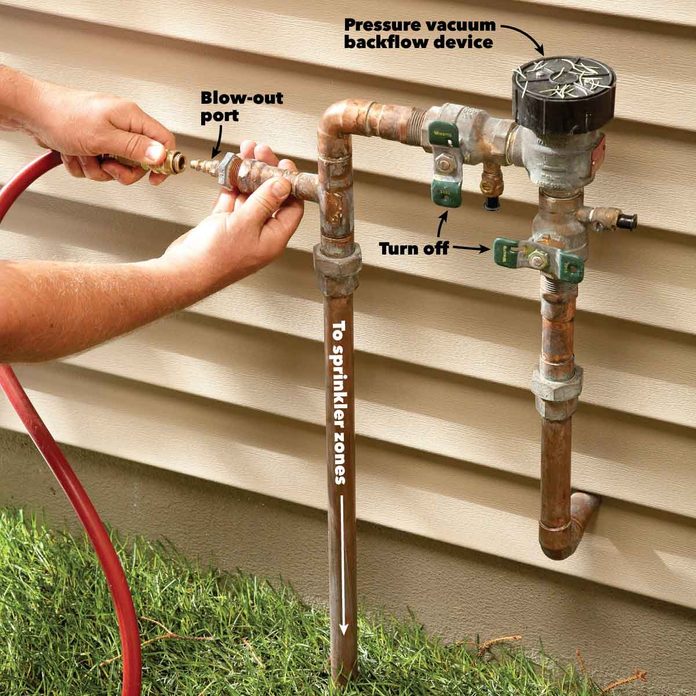
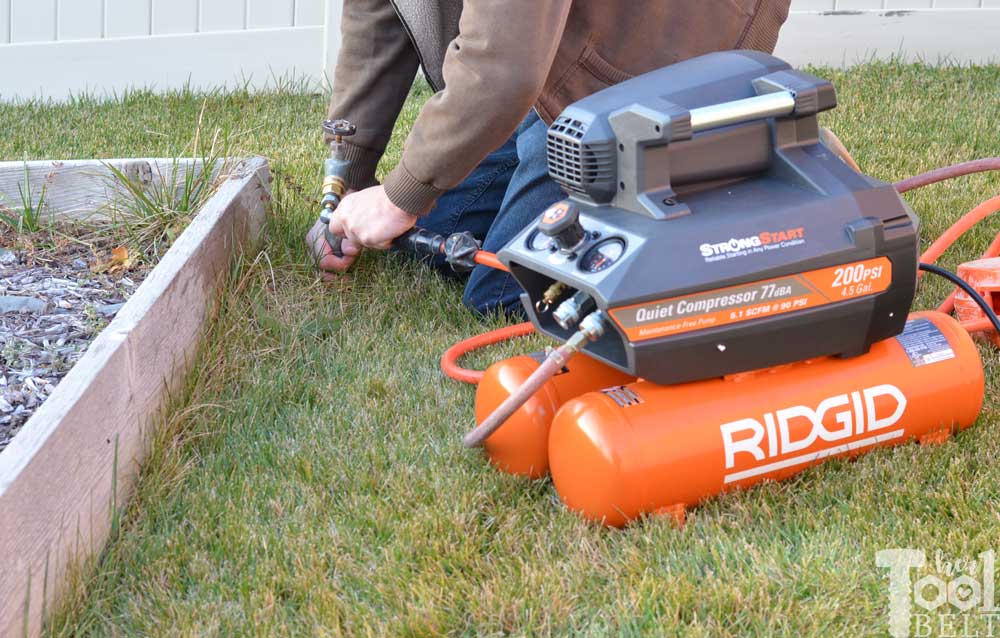
- Connect the air compressor to the system’s blowout port, usually located near the backflow preventer.
- Set the compressor to the right PSI (usually 50-60).
- Open one zone at a time from your controller. Never try to blow out all zones at once.
- Start the compressor. Watch the sprinkler heads—when they stop spraying water, and only air comes out, move to the next zone.
- Repeat for each zone. Let the compressor rest if it overheats.
- When finished, disconnect the compressor and close all valves.
Practical Example
Suppose you have a 6-zone system with PVC pipes. You rent a compressor that delivers 10 CFM at 50 PSI with a 10-gallon tank. You set the controller to open zone one, connect the air hose, and start the compressor.
It takes about 1-2 minutes for water to clear, then you move to the next zone. The tank is big enough to handle 2-3 zones before needing a break.
Beginner mistake: Trying to blow out all zones at once or using a tiny pancake compressor. This leaves water behind, risking pipe damage.
Common Mistakes When Blowing Out Sprinklers
Many homeowners make these errors:
- Using too small a compressor: Not enough CFM means water is left inside.
- Too high pressure: Over 80 PSI can damage pipes, especially poly lines.
- Not doing one zone at a time: Air pressure drops, and water isn’t pushed out fully.
- Forgetting to drain backflow preventers: These often freeze and crack.
- Ignoring safety: Always wear eye protection and keep children and pets away.
Non-obvious insight: Some people think a shop vacuum or leaf blower can do the job. These don’t provide enough pressure or air volume for proper blowouts.

Credit: www.reddit.com
Should You Rent Or Buy An Air Compressor?
If you only winterize your sprinklers once a year, renting may be the best option. Rental stores often have contractor-grade compressors with the right specs. For those with large properties or who help neighbors, buying a high-CFM compressor could be worth it.
- Rental cost: $30–$60 per day
- Purchase cost: $300–$800 for suitable models
If you plan to use the compressor for other home projects (like painting, construction, or car repair), investing in a larger unit makes sense.
Safety Tips For Blowing Out Sprinklers
- Never exceed manufacturer’s recommended PSI.
- Always open one zone at a time.
- Wear hearing and eye protection.
- Release pressure before disconnecting hoses.
- Keep bystanders away from working heads and pipes.
How Professionals Handle Sprinkler Blowouts
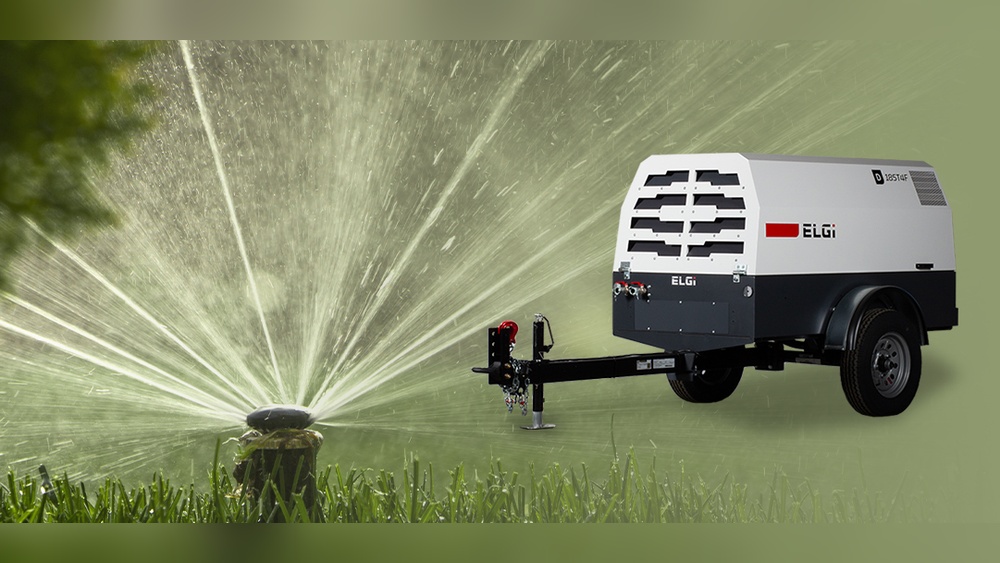
Landscaping companies use large tow-behind compressors (often 80–185 CFM) to clear large or commercial systems quickly. They also know how to adjust pressure for different pipe types and spot hidden leaks. If you’re not comfortable doing it yourself, hiring a professional may save money in the long run. You can find more about professional equipment from Wikipedia.
Quick Comparison: Small Vs. Large Compressors
| Compressor Type | CFM | Tank Size | Best For | Limitations |
|---|---|---|---|---|
| Pancake/Portable | 2-5 CFM | 1-6 gal | Very small systems, 1-2 zones | Needs frequent pauses; can’t clear big systems |
| Contractor-Grade | 10-20+ CFM | 8-30 gal | Medium/large home systems | Heavy, louder |
| Tow-Behind (Rental) | 40-185 CFM | 50+ gal | Commercial/large properties | Expensive to rent, overkill for small homes |
Frequently Asked Questions
How Much Cfm Do I Really Need For My Sprinkler System?
For most home systems, 10 CFM at 50 PSI is enough. Larger systems need more, up to 20 CFM. Check your number of zones and pipe size to be sure.
Can I Use A Small Pancake Compressor To Blow Out Sprinklers?
You can use a small compressor for very small systems (2-3 zones). But you’ll need to stop often and may leave water behind. For medium or large systems, it’s not recommended.
Is Higher Psi Better For Blowing Out Sprinklers?
No. Too much PSI (over 80) can damage pipes and fittings. Stick to 40-60 PSI for most systems, and always check your pipe material’s limits.
Should I Blow Out All Sprinkler Zones At Once?
No. Always do one zone at a time. Blowing out multiple zones together lowers pressure and CFM, leading to incomplete water removal and possible system damage.
Is It Worth Hiring A Professional For Sprinkler Blowouts?
If you’re unsure or have a large, complex system, hiring a professional can prevent mistakes and costly repairs. Professionals have powerful compressors and know how to protect your system.
Protecting your sprinkler system each winter is simple once you know the right tools and steps. The right air compressor saves your pipes and your wallet. Remember, CFM is king—not just PSI or tank size. Take the time to match your compressor to your system, and you’ll enjoy stress-free winters and a healthy lawn every spring.