Have you ever wondered if you can use an air compressor to blow up balloons quickly and easily? If you’re planning a party or event, inflating a bunch of balloons can be tiring and time-consuming.
You might think an air compressor could be the perfect shortcut. But is it safe? Will it work without popping your balloons? You’ll discover the truth about using an air compressor for balloon inflation. Keep reading to find out how to save time and avoid common mistakes that could ruin your celebration.
Air Compressor Basics
An air compressor is a tool that pushes air into a small space. This builds pressure and stores energy in the air. You can use this energy for many tasks, like powering tools or inflating objects.
Understanding how air compressors work helps to know if they can blow up balloons safely and effectively.
How Air Compressors Work
An air compressor pulls in air from the room. It squeezes this air to make it smaller and increase its pressure. The compressed air goes into a tank. The tank stores the air until needed. When released, the air flows out with force.
This strong airflow can fill tires, tools, and sometimes balloons. Pressure control is important to avoid popping balloons.
Types Of Air Compressors
There are two main types of air compressors: piston and rotary. Piston compressors use a moving piston to squeeze air. They are common and easy to find. Rotary compressors use a spinning mechanism to compress air. They are quieter and more efficient for long use.
Both types can inflate balloons, but some models offer better control over air pressure. Choosing the right type helps protect balloons from bursting.

Credit: www.juvon.com.cn
Suitability For Balloon Inflation
Using an air compressor to inflate balloons is possible but requires care. Not all compressors suit balloon inflation. Understanding the factors helps avoid damage and safety risks. Two key concerns are pressure levels and air quality.
Pressure Levels And Balloon Safety
Air compressors deliver high pressure. Balloons need low, steady pressure to inflate safely. Too much pressure can cause balloons to burst quickly. It might also weaken the balloon material, causing leaks later. Adjusting the compressor to a low pressure setting is essential. Using a pressure regulator or gauge helps control the airflow. Slow and steady inflation keeps balloons safe and intact.
Air Quality And Contamination Risks
Compressors may push out dirty or oily air. This can harm balloon surfaces or cause unpleasant smells. Contaminants might also irritate skin or lungs if inhaled. Using clean, dry air is important for safety. Filters or moisture traps can improve air quality from compressors. Avoid compressors that have been used with harmful gases or chemicals. Clean air protects balloons and people around them.
Step-by-step Balloon Inflation
Using an air compressor to blow up balloons can save time and effort. This step-by-step guide helps you do it safely and correctly. Follow these easy steps to prepare, inflate, and handle balloons with an air compressor. Keep control of air pressure for the best results.
Preparing The Compressor
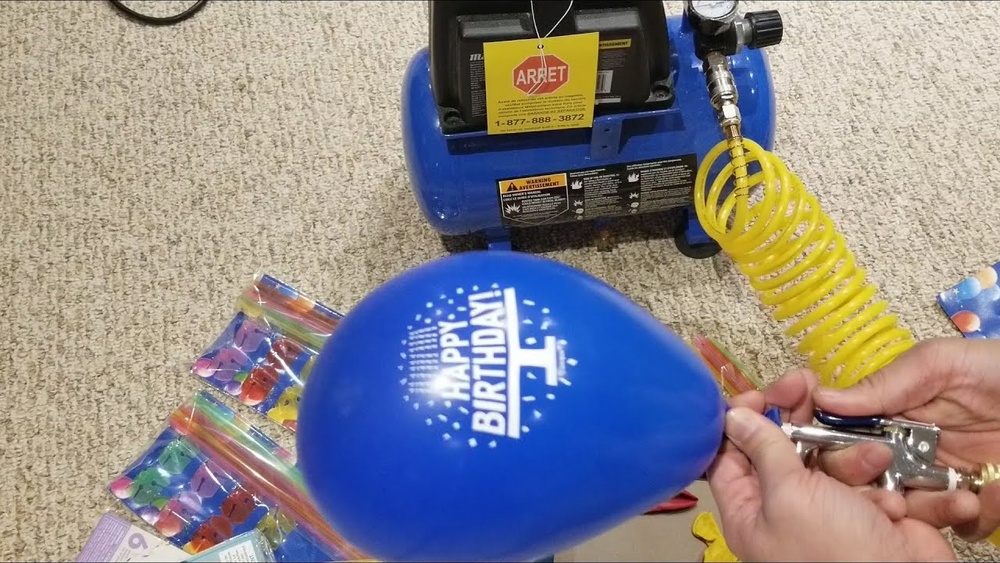
First, check the air compressor for any damage. Make sure it is clean and working well. Set the pressure to a low level, around 2 to 3 PSI. This prevents balloons from popping quickly. Attach a nozzle that fits the balloon neck tightly. Use a balloon inflator nozzle if possible. Have your balloons ready and nearby.
Inflation Techniques
Hold the balloon neck firmly around the nozzle. Turn on the compressor slowly to fill the balloon. Watch the balloon’s size as it inflates. Stop the air flow before the balloon feels too tight. Remove the balloon from the nozzle carefully. Tie the balloon quickly to keep air inside. Practice with one balloon first to get the feel.
Safety Precautions
Wear eye protection during inflation. Balloons can burst unexpectedly. Keep the compressor pressure low to avoid accidents. Do not overinflate the balloons. Avoid pointing the nozzle at people or pets. Use the compressor in a well-ventilated area. Store the compressor and balloons safely after use.

Credit: www.youtube.com
Alternative Inflation Methods
Inflating balloons can be done in many ways. Some tools work better than others. Different methods suit different needs. Let’s explore some simple and effective options besides using an air compressor.
Manual Pumps
Manual pumps are small and easy to use. They work by pushing air into the balloon by hand. These pumps do not need electricity. They are good for parties or small events. Manual pumps give control over the air flow. You can stop anytime to avoid popping the balloon.
Electric Balloon Inflators
Electric balloon inflators save time and effort. They blow air quickly and evenly into balloons. These devices plug into power outlets or use batteries. Electric inflators suit larger events with many balloons. They reduce tiredness from pumping by hand. Using an electric inflator helps fill balloons fast and smooth.
Helium Tanks
Helium tanks fill balloons with light gas. Helium makes balloons float in the air. These tanks come in different sizes for many balloons. Helium inflation is popular for decorations and celebrations. It gives a special look balloons with helium have. Helium tanks need careful handling to avoid leaks or accidents.
Common Issues And Solutions
Using an air compressor to blow up balloons has its challenges. Many common issues can arise that affect the balloon’s quality and safety. Knowing these problems helps you avoid them and get better results.
Here are some typical issues and easy solutions to help you use an air compressor safely and effectively for inflating balloons.
Overinflation Risks
Air compressors deliver air at high pressure. This can cause balloons to burst quickly. Overinflating balloons leads to popping and wasted balloons. It can also be dangerous if pieces fly at high speed.
To reduce this risk, monitor the balloon size closely. Stop inflating when the balloon feels firm but not too tight. Use a pressure regulator to control the air pressure from the compressor. This keeps the pressure low and safe for balloons.
Damage Prevention Tips
Air compressors can damage balloons if not handled right. The sharp nozzle or strong air blasts can tear thin balloon material. Rapid airflow can cause uneven inflation, making the balloon weak.
Use a soft nozzle attachment to protect the balloon’s neck. Inflate slowly to avoid sudden pressure changes. Hold the balloon securely but gently during inflation. Check the compressor’s air pressure settings before starting.
Expert Recommendations
Experts give clear advice on using an air compressor to blow up balloons. Safety and care are key. Using the right method makes the task easy and prevents damage to balloons.
Best Practices For Balloon Inflation
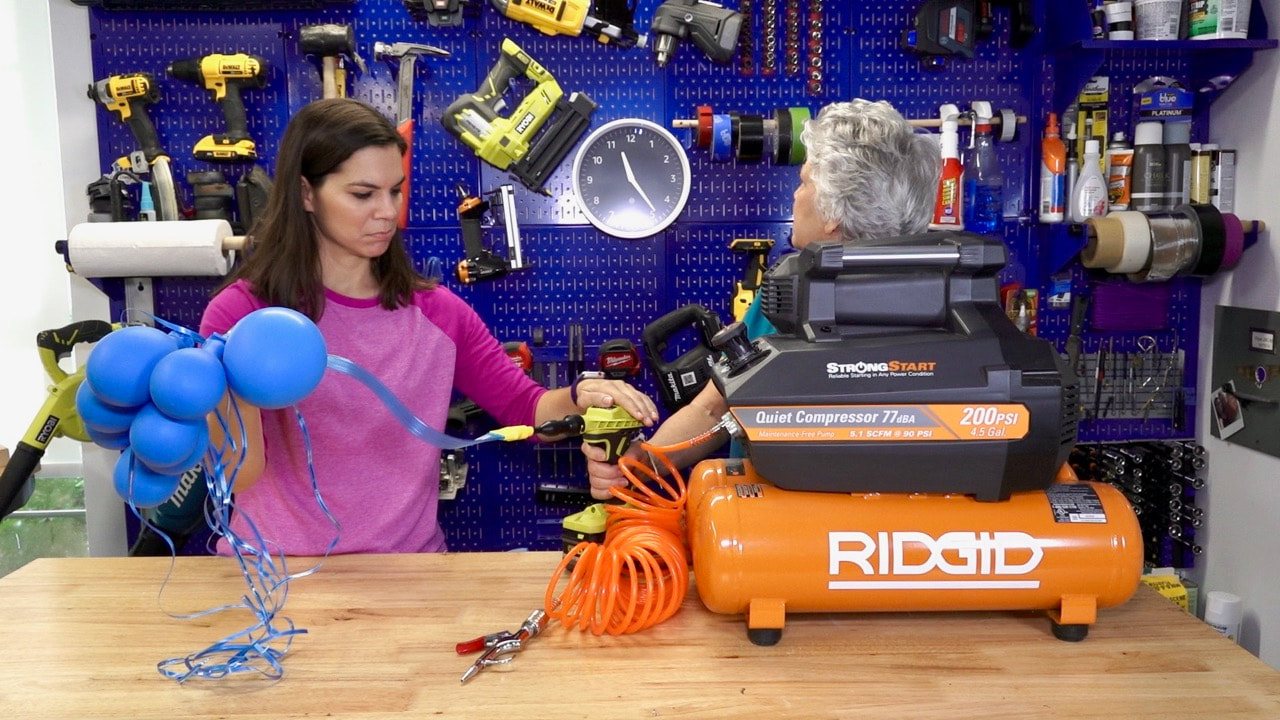
Use a nozzle with low pressure to avoid popping balloons. Set the air compressor to its lowest setting. Hold the balloon neck firmly around the nozzle. Inflate slowly to control the size. Stop when the balloon feels firm but not too tight. Check balloon quality before inflating. Thin balloons need extra care. Always wear safety glasses during inflation.
When To Avoid Using An Air Compressor
Do not use high-pressure settings. It can burst balloons quickly. Avoid inflating small or delicate balloons. Use a hand pump or electric inflator instead. Do not leave balloons unattended while inflating. Avoid using air compressors with oil or dirt inside. This can damage balloons and cause health risks. Skip using air compressors if you lack experience or proper tools.
Credit: www.motherdaughterprojects.com
Frequently Asked Questions
Can You Safely Use An Air Compressor For Balloons?
Yes, you can use an air compressor to inflate balloons. However, it is crucial to use low pressure settings to avoid bursting the balloons. Always attach a balloon inflator nozzle for better control and safety.
What Air Pressure Is Ideal For Inflating Balloons?
The ideal air pressure for balloons is around 2-5 PSI. Higher pressure can cause the balloon to burst. Use a regulator on your air compressor to maintain safe and consistent inflation pressure.
Do Air Compressors Inflate Balloons Faster Than Pumps?
Yes, air compressors inflate balloons much faster than manual pumps. They deliver continuous airflow, saving time during large events. Just ensure proper pressure settings to prevent balloon damage.
Can An Air Compressor Damage Balloons?
Yes, excessive pressure from an air compressor can easily burst balloons. Always use a pressure regulator and a balloon-specific nozzle to control airflow and protect the balloon.
Conclusion
Using an air compressor to blow up balloons can save time and effort. It fills balloons quickly but needs careful handling. Too much air pressure can pop balloons easily. Choose the right nozzle and adjust the pressure. Always watch the balloon while inflating for safety.
This method works well for big parties or events. Simple steps can make the process smooth and fun. Balloons will be ready in no time, with less work. Give it a try and see how easy balloon inflation can be.