
Have you ever wondered if the scorching heat outside can damage your air compressor? If you rely on this machine for your work or projects, understanding how hot temperatures affect it is crucial.
Ignoring the impact of heat could lead to unexpected breakdowns and costly repairs. You’ll discover exactly how extreme heat can cause your air compressor to fail and what you can do to protect it. Keep reading to ensure your equipment stays safe and runs smoothly, even when the temperature rises.
Credit: www.energyvanguard.com
Heat Effects On Air Compressors
Air compressors often work in tough environments. High temperatures can cause serious problems. Heat affects the parts inside the compressor. This can lead to breakdowns and less efficient work.
Understanding how heat impacts air compressors helps protect them. It also extends their lifespan. Knowing what fails due to heat can save time and money.
How Temperature Impacts Compressor Components
Heat makes metal parts expand. This can cause tight fits to loosen or parts to stick. Rubber seals and hoses can dry out and crack. Oil inside the compressor can thin out. Thin oil does not protect parts well. Bearings and valves may wear faster from heat.
High heat can also cause pressure to rise inside the machine. This stresses the compressor and reduces its efficiency. Electrical parts like motors and switches may overheat and fail.
Common Heat-related Failures
Seals breaking is a common problem. This causes air leaks and reduces power. Overheated motors can burn out or stop working. Bearings may seize due to poor lubrication. Valves can warp and not close properly. Oil can lose its ability to cool and lubricate. These failures often cause costly repairs or replacement.

Credit: fluidairedynamics.com
Signs Of Heat-induced Damage
High temperatures can cause serious damage to air compressors. Recognizing early signs of heat-induced damage helps prevent costly repairs. Watch out for changes in sound, pressure, and overall performance. These signs reveal when your compressor struggles due to heat.
Heat affects different parts inside the compressor. Metal parts may expand or wear out faster. Lubricants can break down, causing friction and overheating. Spotting these warning signs early keeps your compressor running longer.
Unusual Noises And Vibrations
Heat damage often causes strange noises in air compressors. Listen for grinding, rattling, or knocking sounds. These noises signal parts rubbing or misaligning from heat stress. Vibrations may become stronger or irregular. This means the compressor is under strain and needs attention.
Pressure Drops And Inefficiency
Heat can reduce compressor pressure output. Notice if the machine takes longer to reach set pressure. It may struggle to maintain steady airflow. This inefficiency wastes energy and reduces work quality. Pressure drops are clear signs of overheating damage inside the unit.
Preventing Heat Damage
Heat can cause serious damage to air compressors. Preventing heat damage helps keep your machine working well. It also extends the life of the compressor. Taking simple steps reduces the risk of breakdowns caused by high temperatures.
Proper Ventilation And Cooling
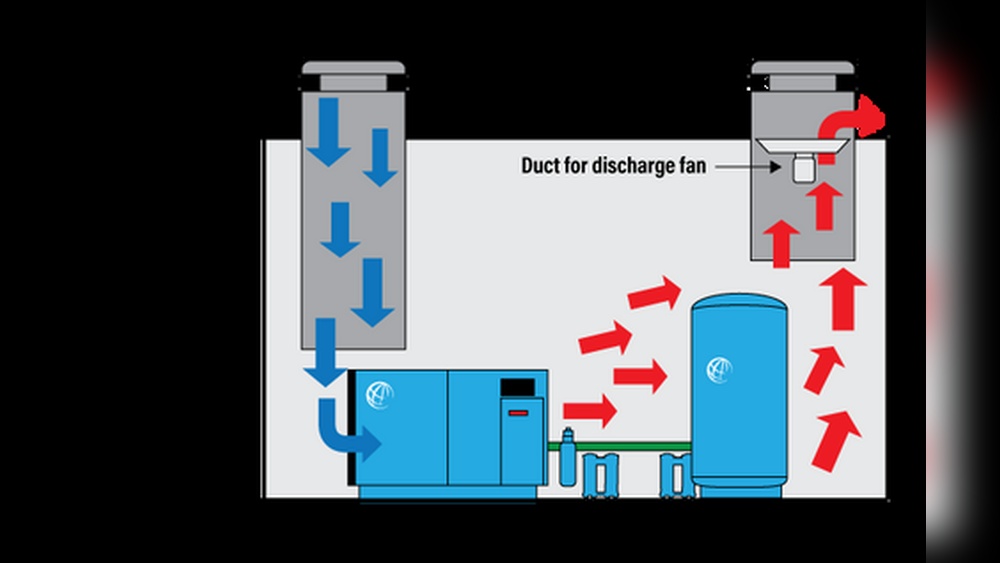
Good airflow is key to stopping heat buildup. Place the compressor in a spot with fresh air. Avoid tight spaces where heat can get trapped. Use fans or vents to move air around the unit. Cooling devices can lower the temperature during hot days. Keep the compressor away from direct sunlight. Shade can help reduce heat exposure.
Regular Maintenance Tips
Check the compressor often for signs of heat stress. Clean dust and dirt from vents and filters. Dirty parts block airflow and cause overheating. Change oil and lubricants as recommended. Proper lubrication reduces friction and heat inside the machine. Inspect belts and hoses for wear or cracks. Replace damaged parts quickly to avoid extra heat. Monitor the temperature gauge regularly. Early detection of high heat prevents big problems.
Choosing Heat-resistant Compressors
Choosing the right air compressor for hot environments is very important. High temperatures can cause many types of damage. Heat-resistant compressors last longer and work better. They keep cool and avoid breakdowns. Selecting compressors designed for heat helps maintain steady performance.
Materials And Design Considerations
Heat-resistant compressors use special materials. Metals like aluminum and stainless steel resist heat well. These metals also stop rust and wear. Good design helps move heat away from parts. Extra cooling fans or fins improve airflow. Seals and gaskets made from heat-proof rubber avoid leaks. All these features protect the compressor inside and out.
Recommended Models For Hot Environments
Some compressors are built for hot places. Models with high-temperature ratings handle up to 120°F or more. Many have enhanced cooling systems and heat-resistant parts. Portable models often include heat shields. Industrial compressors may have water or oil cooling. Choosing these models reduces risks of overheating and failure. Check product specs for heat tolerance before buying.
Real-life Cases Of Heat Damage
Heat can seriously harm air compressors. Many machines have failed due to high temperatures. These real-life cases show how heat impacts their function and lifespan. Understanding these examples helps protect your equipment better.
Industry Examples
In a manufacturing plant, an air compressor overheated during summer. The high heat caused seals to crack and oil to break down. This led to a sudden breakdown and costly repairs.
Another case involved a construction site in a hot climate. The compressor ran without proper cooling. Over time, the motor burned out, stopping work for days.
In an automotive workshop, compressors faced heat from nearby engines. This caused internal parts to expand and wear faster. The frequent failures disrupted daily operations.
Lessons Learned
Proper ventilation is crucial to keep compressors cool. Avoid placing machines near heat sources or in direct sunlight.
Regular maintenance helps spot heat damage early. Check seals, oil quality, and motor temperature often.
Using cooling systems or fans can extend compressor life. Simple steps prevent expensive breakdowns and downtime.

Credit: www.ebay.com
Frequently Asked Questions
Can Hot Temperatures Damage Air Compressors?
Yes, high temperatures can cause air compressors to overheat. This leads to reduced efficiency and potential mechanical failure. Proper ventilation and cooling are essential to prevent damage in hot environments.
How Does Heat Affect Air Compressor Performance?
Heat increases the internal pressure and wears out components faster. It can cause oil breakdown and reduce lubrication, leading to increased friction and breakdowns.
What Are Signs Of Heat-related Compressor Failure?
Signs include frequent overheating, unusual noises, decreased air pressure, and increased oil consumption. These symptoms suggest the compressor is struggling to cope with high temperatures.
How To Protect Air Compressors From Hot Weather?
Use cooling fans, ensure proper ventilation, and avoid direct sunlight exposure. Regular maintenance and oil checks also help keep compressors safe in hot conditions.
Conclusion
Hot temperatures can cause air compressors to overheat and fail. Keeping them cool helps avoid damage. Regular checks and proper ventilation extend their life. Using compressors in shaded or cool areas is smart. Small steps prevent big repairs later. Protect your equipment from heat stress.
This saves money and keeps work smooth. Always watch the temperature during use. Simple care makes a big difference.