When you walk into a workshop or a factory, you might see both air blowers and air compressors at work. At first, they can look similar: both use air, both make noise, and both have hoses or nozzles. But their jobs, designs, and power are very different. Choosing the right one can save you money, time, and headaches. Many people confuse these tools or use one when the other would work better. Knowing the difference is important whether you’re cleaning, painting, or running machines.
Let’s break down what makes an air blower different from an air compressor, how each works, and which one is better for different tasks. By the end, you’ll know exactly which tool fits your needs and how to avoid common mistakes others make.
What Is An Air Blower?
An air blower is a device that moves air at high speed but low pressure. Its main job is to push a lot of air quickly over a surface. You might use an air blower to:
- Clean dust off a workbench
- Dry wet surfaces
- Move leaves or debris from a yard
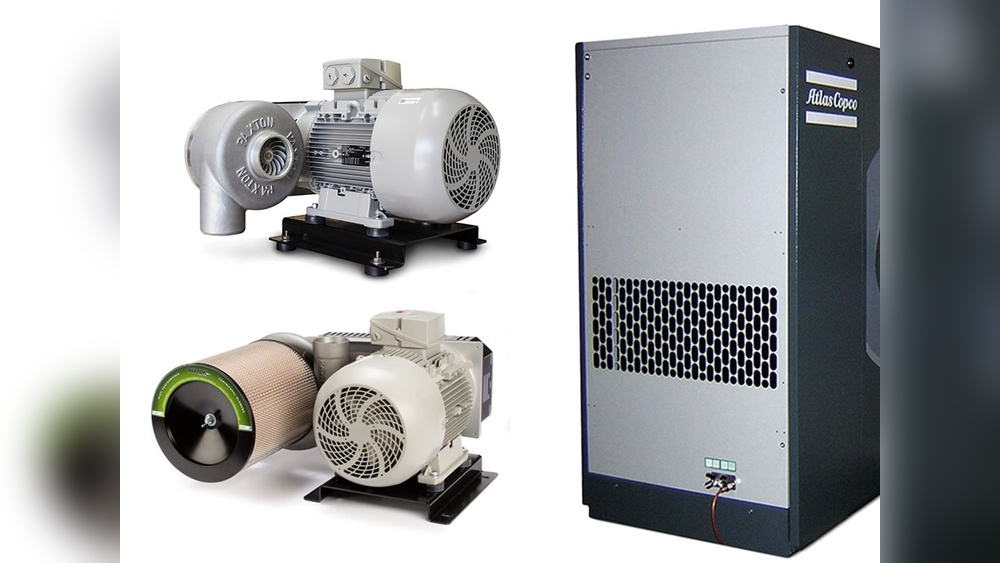
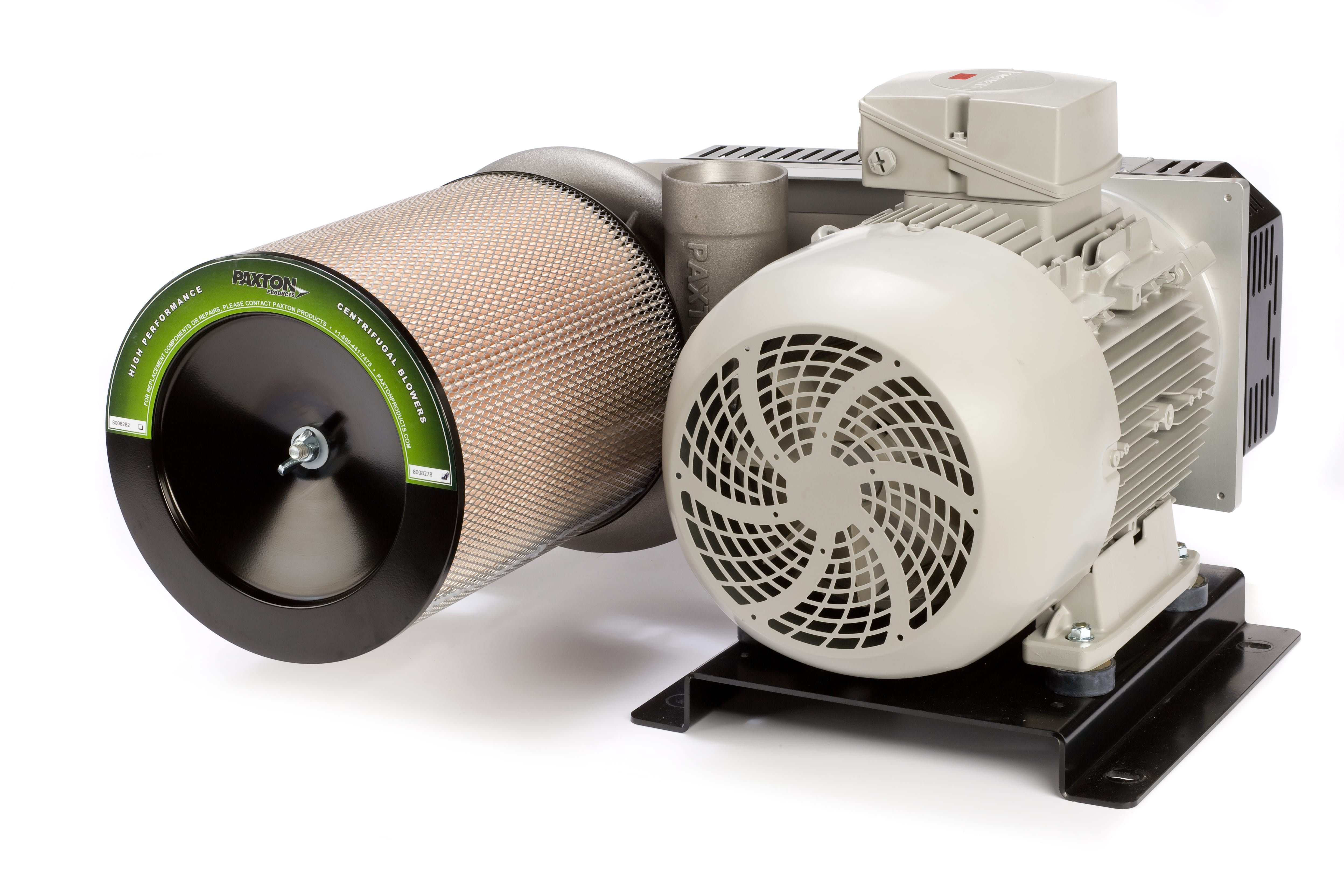
Air blowers are usually simple machines. They have a fan or impeller inside a casing. When the fan spins, it draws in air and pushes it out forcefully. Most blowers use electric motors, but some are battery-powered for portability.
Types Of Air Blowers
There are a few main types:
- Centrifugal blowers: Spin air outward in a circular motion. Good for steady, high-volume airflow.
- Axial blowers: Move air straight through like a fan. Used for quick, wide coverage.
- Roots blowers: Use two rotating lobes to trap and push air. Found in some industrial settings.
Key Features
- High airflow (measured in CFM – cubic feet per minute)
- Low pressure (usually less than 2 psi)
- Lightweight and easy to carry
- Simple operation, often just an on/off switch
Blowers are great for moving air fast, but not for tasks that need strong, compressed air.
What Is An Air Compressor?
An air compressor is a machine that squeezes air into a small space to increase its pressure. This high-pressure air can be stored in a tank and used for many tasks, such as:
- Running pneumatic tools (like nail guns, impact wrenches, or spray guns)
- Inflating tires or sports equipment
- Powering industrial machines
- Sandblasting or painting
Air compressors have a motor that drives a pump. The pump pulls in air, compresses it, and stores it in a tank. When you open the valve or pull the trigger on a tool, the compressed air is released.
Types Of Air Compressors
- Reciprocating (piston) compressors: Use pistons to squeeze air. Common in garages and workshops.
- Rotary screw compressors: Use two screws to trap and compress air. Often found in factories.
- Scroll compressors: Use spiral elements for quiet, steady air. Often used in labs or medical settings.
Key Features
- High pressure (usually 90–150 psi for home use, much higher for industrial)
- Lower airflow than blowers (but much stronger force)
- Can run powerful tools
- Require more maintenance than blowers
A compressor is more complex than a blower, but it can do many jobs a blower cannot.
Credit: www.youtube.com
How Do Air Blowers And Air Compressors Work Differently?
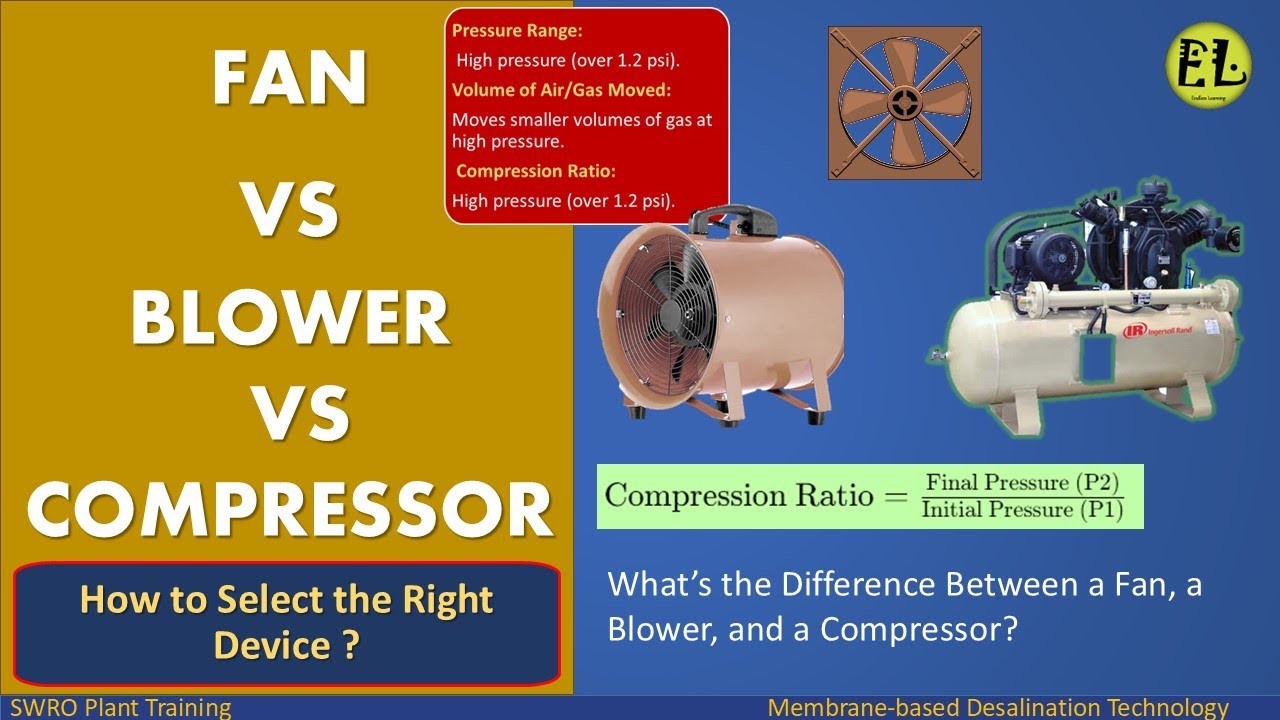
The main difference is airflow vs. pressure. Air blowers are like a strong wind – they move lots of air, but the air is not “packed” tightly. Air compressors pressurize air, storing energy so you can release it in a powerful burst.
Here’s a quick technical comparison:
| Feature | Air Blower | Air Compressor |
|---|---|---|
| Airflow (CFM) | High (100–10,000+) | Lower (2–50 for small, up to 500+ for industrial) |
| Pressure (psi) | Low (0.5–2) | High (90–150+) |
| Typical Uses | Cleaning, drying, moving air | Power tools, inflating, spray painting |
| Noise Level | Lower to moderate | Moderate to high |
| Portability | Very portable | Somewhat portable (depends on size) |
Most beginners miss that airflow and pressure are not the same. A blower’s high airflow can feel strong, but it will not power a nail gun or inflate a tire quickly. A compressor’s high pressure can drive heavy tools, but it does not move large volumes of air quickly over a big area.
Comparing Air Blower And Air Compressor: Which Should You Choose?
Choosing between an air blower and an air compressor depends on your job. Here’s how to decide:
When To Use An Air Blower
- Cleaning dust from machines, keyboards, or corners
- Drying paint or wet surfaces quickly
- Ventilating spaces (moving air in/out of rooms)
- Removing debris from lawns, driveways, or workshop floors
Blowers are great for anything that needs air movement over a wide area. They are usually lighter, cheaper, and easier to maintain than compressors.
When To Use An Air Compressor
- Inflating tires on cars, bikes, or sports balls
- Running pneumatic tools (nailers, impact wrenches, ratchets)
- Spray painting or using airbrushes
- Sandblasting for cleaning or etching surfaces
Compressors are needed when you want force, power, and high-pressure air. They are essential in auto shops, factories, and any place where air-powered tools are used.
Example Scenarios
- You want to blow leaves off your driveway: Use an air blower.
- You want to paint a car panel: Use an air compressor with a spray gun.
- You want to clean a computer keyboard: Use a small air blower.
- You want to fix a flat tire: Use an air compressor.
Many beginners try to use an air blower to inflate a tire or run a tool and wonder why it does not work. The air is just not pressurized enough.
Credit: solvair.co.uk
Pros And Cons Of Air Blowers
Let’s look at the strengths and weaknesses.
Pros
- Simple design: Fewer parts mean less can go wrong.
- Low cost: Cheaper to buy and run.
- Quiet operation: Less noise than most compressors.
- Lightweight: Easy to carry around.
- Less maintenance: Clean the filter, and you’re good.
Cons
- Low pressure: Cannot run most tools or inflate things.
- Limited uses: Mostly for cleaning, drying, and moving air.
- Not good for heavy-duty jobs: Cannot replace a compressor for industrial work.
Pros And Cons Of Air Compressors
Now for the compressors.
Pros
- High pressure: Can run a wide range of tools.
- Versatile: Inflate, paint, sandblast, and more.
- Essential for professionals: Needed in auto, construction, and many industries.
Cons
- Heavy and bulky: Harder to move around.
- Noisy: Can be loud, especially large models.
- More expensive: Costs more to buy and maintain.
- Needs regular care: Oil changes, filter cleaning, draining tank.
One non-obvious insight: Some small compressors advertise high “peak” psi, but cannot keep up with tools needing constant airflow. Always check the CFM rating at working pressure.
Technical Differences: Air Blower Vs Air Compressor
Let’s get a bit more detailed for those interested in the engineering side.
| Aspect | Air Blower | Air Compressor |
|---|---|---|
| Working Principle | Moves air with fan or impeller | Compresses air using piston, screw, or scroll |
| Energy Use | Lower power needed | Higher power consumption |
| Output | Continuous, high-volume, low-pressure | Stored, high-pressure, controlled release |
| Air Storage | No storage tank | Has tank (except some direct-drive mini-compressors) |
| Safety | Generally safer (lower risk) | Risk of overpressure if misused |
A second insight: Many industrial systems use both blowers and compressors, but for very different roles. For example, a car’s paint booth uses a blower for ventilation and an air compressor for the paint gun.
Common Mistakes When Choosing Or Using
- Assuming blowers can replace compressors: They can’t. Blowers cannot create the pressure needed for power tools or inflating tires.
- Ignoring CFM and PSI ratings: Always match your tool or job requirements to the machine’s real output, not just the model name.
- Buying a compressor for simple cleaning: For just blowing dust, a blower is cheaper and easier.
- Not checking duty cycles: Some compressors overheat if used constantly. Check if your job needs long or short bursts.
- Overlooking noise and size: Compressors, especially in small spaces, can be very loud and bulky.

Credit: www.chreed.com
Cost Comparison
Air blowers are usually much cheaper than air compressors. Here’s a rough cost breakdown (as of early 2024):
- Small handheld blower: $30–$100
- Medium shop blower: $100–$400
- Basic home air compressor: $100–$300
- Professional-grade compressor: $500–$2,000+
Maintenance costs are also lower for blowers. Compressors need oil, filter changes, and sometimes professional servicing.
Energy Efficiency
Blowers often use less energy for simple jobs. Compressors need more power to build and hold pressure. If you need to run a tool for hours, check the energy costs. For light cleaning, a blower is the “green” choice.
Safety Tips
- Air blowers: Always wear eye protection. Blowing dust can cause injury.
- Air compressors: Never exceed the pressure rating of the tank or tools. Drain the tank to prevent rust. Use ear protection for larger models.
Real-world Examples
- Homeowners often use blowers for cleaning garages and driveways, and compressors for inflating tires.
- Auto shops rely on compressors for all air tools, but use blowers to clean parts.
- Factories use both: Compressors for machines, blowers for cooling and ventilation.
For more on how industries use both tools, see this detailed guide on air compressors.
Frequently Asked Questions
What Is The Main Difference Between An Air Blower And An Air Compressor?
The main difference is that an air blower moves a large amount of air at low pressure, while an air compressor produces high-pressure air for powering tools, inflating, or other demanding tasks.
Can I Use An Air Blower To Inflate Tires?
No, you cannot. An air blower does not create enough pressure to inflate tires, balls, or other high-pressure items. Use an air compressor for this job.
Is An Air Compressor Always Better Than A Blower?
Not always. If you only need to clean, dry, or move air, a blower is cheaper, lighter, and easier. Compressors are better for running tools or inflating.
Are Air Blowers Safer Than Air Compressors?
Generally, yes. Air blowers have lower pressure and are less likely to cause injury or equipment damage. Still, always use eye protection and follow safety guidelines.
How Do I Choose Between An Air Blower And An Air Compressor For My Workshop?
Think about your main jobs. If you need to run pneumatic tools or inflate things, buy a compressor. If you mainly want to clean, dry, or move air, go for a blower. Check the CFM and PSI ratings to match your needs.
In summary, air blowers and air compressors have different strengths. Knowing when to use each saves you time, money, and trouble. Choose the right tool for your job, and you’ll get better results every time.