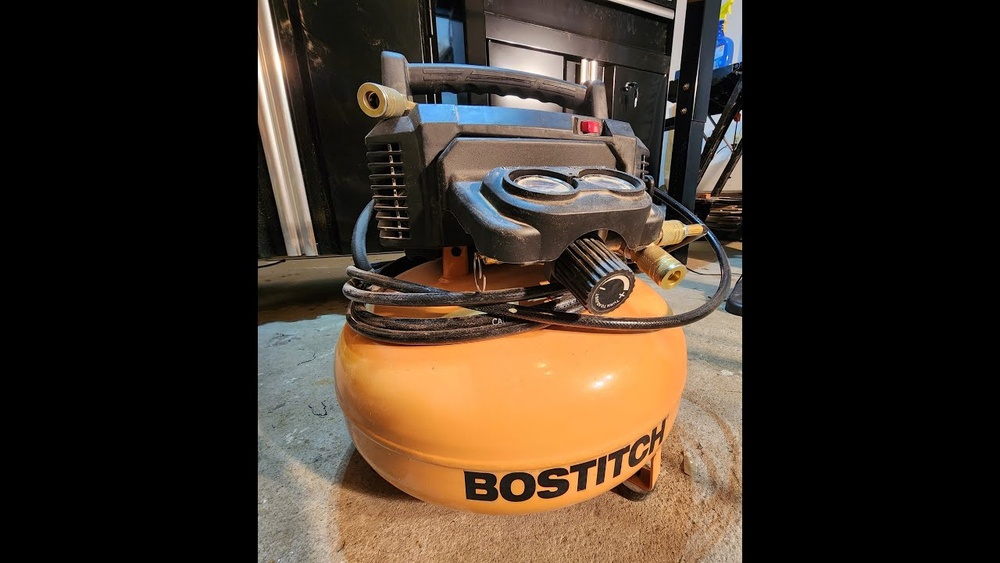
If you’ve just got a Bostitch air compressor or are thinking about using one, you might be wondering how to get started quickly and safely. This powerful tool can make your projects easier, whether you’re inflating tires, powering nail guns, or cleaning surfaces.
But using it the right way is key to getting the best results without any hassle. In this guide, you’ll discover simple steps and expert tips that will help you use your Bostitch air compressor like a pro. Keep reading, and you’ll be ready to tackle your tasks with confidence and ease.
Choosing The Right Bostitch Air Compressor
Choosing the right Bostitch air compressor is important for your project’s success. The right compressor saves time and works well with your tools. Understanding different types and key features helps pick the best model for your needs. This guide explains what to know before buying.
Types Of Bostitch Compressors
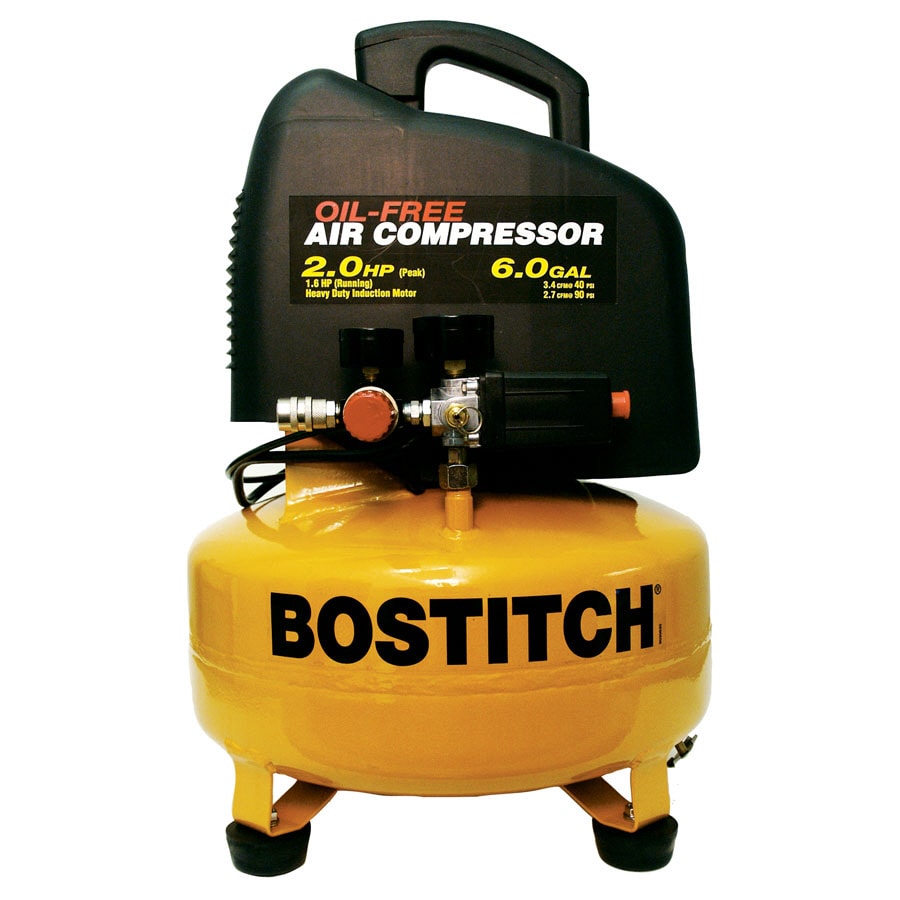
Bostitch offers several types of air compressors. Portable models are small and easy to carry. They work well for light tasks like nail guns and staplers. Stationary compressors are larger and powerful. They suit heavy work like painting or large tools. Oil-free compressors need less maintenance and run quieter. Oil-lubricated ones last longer but need regular oil changes.
Key Features To Consider
Look at the compressor’s size and weight. Smaller compressors are easy to move but may have less power. Check the tank size. Bigger tanks hold more air for long jobs. Also, consider the pressure rating (PSI). Higher PSI means stronger air pressure for tough tools. Noise level matters, especially for indoor use. Lastly, review the power source. Electric compressors are common and clean. Gas-powered ones work where no electricity exists.
Credit: www.lowes.com
Setting Up Your Compressor
Setting up your Bostitch air compressor properly is the first step to a safe and efficient project. This process ensures your tool works well and lasts longer. Follow clear steps for a smooth start.
Unpacking And Assembly
Open the box carefully and check all parts. Look for the compressor, hose, and any tools included. Remove packing materials and place the compressor on a flat surface. Attach any handles or wheels if needed. Use the manual for exact assembly steps.
Connecting The Air Hose
Find the air outlet on the compressor. Take one end of the air hose and push it onto the outlet. Secure it by twisting or locking, depending on the model. Connect the other end of the hose to your air tool. Make sure both ends fit tightly to avoid leaks.
Checking Oil And Air Levels
Look for the oil window or dipstick on the compressor. The oil should be at the right level for smooth operation. If low, add the recommended oil type. Check the air tank for any moisture or dirt. Drain the tank if needed before starting the compressor.
Operating The Compressor Safely
Operating the Bostitch air compressor safely is important for your protection and the tool’s life. Follow safety steps every time you use the compressor. This keeps accidents away and makes your work smooth and easy.
Powering On And Pressure Settings
Check the compressor’s power switch before turning it on. Make sure it is off before plugging in. Set the pressure to the level your task needs. Too much pressure can damage materials or cause injury. Use the pressure gauge to watch the air pressure. Adjust it slowly and carefully.
Using Safety Gear
Wear safety glasses to protect your eyes from flying debris. Use ear protection to guard against loud noise. Gloves help avoid hand injuries and improve grip. Choose shoes with good traction to prevent slipping. Always wear the right gear before starting work.
Avoiding Common Hazards
Keep the area around the compressor clean and dry. Avoid using the compressor in wet places to stop electric shocks. Do not touch moving parts or hot surfaces. Check hoses for damage before use. Replace cracked or worn hoses to avoid bursts. Never point the air nozzle at people or animals.

Credit: www.youtube.com
Attaching And Using Pneumatic Tools
Attaching and using pneumatic tools with your Bostitch air compressor is simple. Pneumatic tools use air pressure to work. Connecting and adjusting these tools correctly helps them perform well. This section explains how to pick, connect, and set the air pressure for your tools.
Selecting Compatible Tools
Choose tools made for air compressors. Check the tool’s specifications for compatibility. Using the right tool prevents damage to both the tool and compressor. Common pneumatic tools include nailers, staplers, and spray guns. Each tool needs a specific air pressure range to work well.
Connecting Tools To The Compressor
Turn off the compressor before connecting tools. Attach the air hose to the compressor outlet securely. Connect the other end of the hose to the tool’s air inlet. Use quick-connect fittings for fast and safe connections. Check for leaks by listening or feeling for escaping air.
Adjusting Air Pressure For Tools
Set the air pressure to match the tool’s needs. Use the pressure regulator on the compressor. Turn the knob to increase or decrease the pressure. Too much pressure can damage the tool or cause poor results. Too little pressure may cause the tool to work slowly or stop.
Maintaining Your Bostitch Compressor
Maintaining your Bostitch air compressor keeps it working well for a long time. Regular care prevents breakdowns and ensures safety. Simple steps can improve its performance and life.
Regular Cleaning Tips
Clean the outside of the compressor often. Use a dry cloth to remove dust and dirt. Check the air filter and clean it if needed. A clean filter helps the compressor run smoothly. Avoid using water on electrical parts.
Checking And Changing Oil
Check the oil level before each use. Use the recommended oil type for your model. Change the oil after every 500 hours of use or as the manual says. Proper oil keeps the engine parts moving well and stops damage.
Storing The Compressor Properly
Store the compressor in a dry, cool place. Keep it away from direct sunlight and moisture. Drain the air tank to remove any water inside. Cover the compressor to stop dust buildup during storage.
Credit: www.lowes.com
Troubleshooting Common Issues
Troubleshooting common issues with your Bostitch air compressor can save time and money. Many problems are simple to fix. Knowing what to check helps you get back to work quickly.
Below are common problems users face with Bostitch air compressors. Each section gives clear steps to identify and solve these issues safely.
Compressor Won’t Start
Check the power supply first. Make sure the compressor is plugged in properly. Inspect the circuit breaker or fuse box for tripped switches.
Look at the power switch on the compressor. It should be in the “on” position. If the compressor has a reset button, press it.
Inspect the pressure switch. If it is faulty, the compressor may not start. Consult the user manual for testing or replacing this part.
Low Air Pressure Problems
Low air pressure often means leaks or worn parts. Inspect all hoses and connections for holes or loose fittings.
Check the air filter. A dirty filter can reduce pressure. Clean or replace it regularly to maintain performance.
Make sure the tank drain valve is closed tightly. A leaking valve causes pressure loss.
Unusual Noises Or Leaks
Listen carefully to identify the noise source. Rattling may mean loose parts. Tighten any screws or bolts you find loose.
Hissing sounds usually indicate air leaks. Spray soapy water on connections and look for bubbles.
Leaks can also come from the tank or fittings. Replace damaged parts promptly to avoid safety risks.
Frequently Asked Questions
How Do I Set Up A Bostitch Air Compressor?
To set up, place the compressor on a flat surface. Connect the hose securely. Plug it in and turn on the power. Adjust the pressure regulator to your tool’s requirement before use.
What Maintenance Does A Bostitch Air Compressor Need?
Regularly check and drain the air tank to prevent moisture build-up. Clean or replace the air filter. Inspect hoses for damage. Lubricate moving parts as recommended in the user manual for optimal performance.
Can I Use A Bostitch Air Compressor Indoors?
Yes, but ensure proper ventilation to avoid carbon monoxide buildup. Place the compressor on a stable surface. Keep it away from flammable materials and follow safety guidelines to prevent accidents.
What Safety Tips Should I Follow When Using Bostitch Compressors?
Wear safety goggles and hearing protection. Never exceed the recommended pressure limit. Check for air leaks before operation. Disconnect the power when not in use or during maintenance.
Conclusion
Using a Bostitch air compressor can make many tasks easier. It helps with nailing, inflating, and cleaning jobs quickly. Always follow safety steps to avoid accidents. Keep the compressor clean and check it often. This tool saves time and effort in your projects.
Practice using it to get comfortable and confident. With care, your air compressor will last for years. Simple steps lead to better results every time. Give it a try and see the difference it makes.