Are you curious about how much power your small air compressor actually uses? Knowing the watts your compressor consumes can help you save on energy bills and choose the right model for your needs.
Whether you’re using it for DIY projects or small jobs around the house, understanding its energy use is key. You’ll discover the simple facts about power consumption, so you can make smarter decisions and avoid surprises on your electricity bill.
Keep reading to find out exactly how many watts a small air compressor uses and why it matters to you.

Credit: www.harborfreight.com
Small Air Compressor Basics
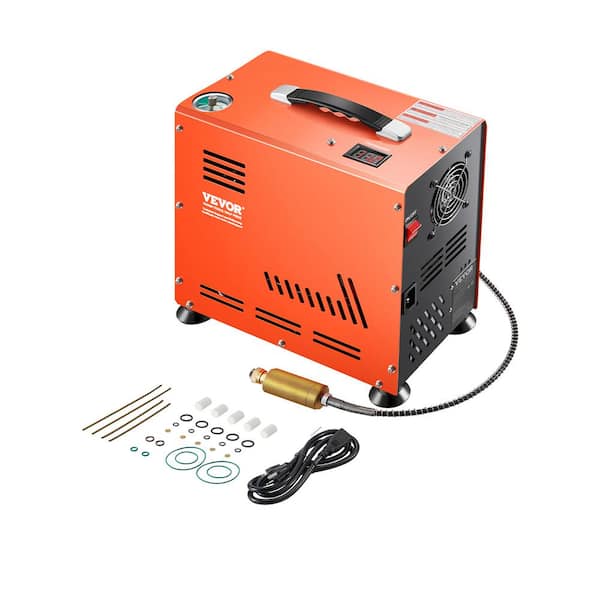
Small air compressors are handy tools that use air pressure to power many tasks. They come in different shapes and sizes but share common features. These compressors can run on electricity or batteries. They use less power compared to larger models. Understanding their basics helps you pick the right one for your needs.
They store compressed air in a tank. This air pushes out when needed. The pressure level and tank size vary by model. These factors affect power use and performance. Small air compressors fit well in homes and small workshops. They offer enough power for most light to medium jobs.
Types Of Small Air Compressors
There are two main types: piston and rotary screw compressors. Piston compressors use pistons to compress air. They are common and affordable. Rotary screw compressors use two screws to compress air. They run quieter and last longer but cost more. Another type is the portable air compressor. These are small, light, and easy to carry. Oil-free compressors need less maintenance. They are good for indoor use and clean air needs.
Common Uses
Small air compressors power many tools and tasks. They inflate tires, balls, and air mattresses quickly. They also run nail guns for carpentry work. Painters use them with spray guns for smooth finishes. Hobbyists use them for airbrushing and crafts. Mechanics find them useful for cleaning parts. Small air compressors save time and effort in many jobs.
Power Consumption Factors
Understanding the power consumption of a small air compressor helps you manage energy use better. Several factors affect how many watts it uses. These factors influence the compressor’s efficiency and running cost.
Compressor Motor Size
The size of the motor directly affects power use. Larger motors draw more watts. Small air compressors usually have motors from 1 to 5 horsepower. A 1-horsepower motor uses less power than a 5-horsepower motor. Choose the motor size based on your task needs to save energy.
Pressure And Capacity
Pressure is the force the compressor creates to push air. Capacity shows how much air it can hold and supply. Higher pressure and larger capacity need more power. Small compressors with low pressure use fewer watts. Match pressure and capacity with your tool requirements for efficient use.
Duty Cycle Impact
Duty cycle means how long the compressor runs before resting. A higher duty cycle means longer run time and more power used. Small compressors often have duty cycles around 25% to 50%. Running a compressor too long causes overheating and wastes energy. Use the compressor within its duty cycle for best power use.
Typical Wattage Range
Small air compressors vary in wattage depending on their design and power. Understanding the typical wattage range helps you choose the right model. It also gives insight into energy use and cost.
Low-power Models
Low-power small compressors use about 300 to 600 watts. They work well for light tasks like inflating tires or small airbrush jobs. These models are compact and easy to move around. They consume less electricity, making them budget-friendly for occasional use.
Mid-range Options
Mid-range compressors usually use between 600 and 1200 watts. They handle more demanding jobs like powering nail guns or spray painting. These units offer a good balance of power and portability. They are suitable for hobbyists and small workshop owners.
High-power Small Compressors
High-power small compressors can draw 1200 to 1800 watts. They provide strong airflow and pressure for tougher tasks. These models suit professional use or heavy DIY projects. They are larger but still considered small compared to industrial compressors.

Credit: www.amazon.com
Energy Efficiency Tips
Saving energy with a small air compressor helps lower electricity bills and reduces wear. Simple steps improve energy use and keep the compressor working well. Follow these tips to get the best performance without wasting power.
Proper Maintenance
Regularly check air filters and clean or replace them. Clogged filters make the compressor work harder. Drain moisture from the tank to prevent rust. Tighten fittings and hoses to stop leaks. A well-maintained compressor uses less energy and lasts longer.
Optimal Usage Practices
Only run the compressor when needed. Avoid running it at full power all the time. Use the right size compressor for your tasks. Smaller jobs need less air and power. Turn off the compressor during breaks. This practice saves energy and extends compressor life.
Energy-saving Features
Look for compressors with automatic shut-off features. These stop the motor when pressure reaches the set limit. Variable speed motors adjust power based on need. They use less electricity than fixed-speed motors. Energy-saving models reduce power use and cut costs.
Comparing Power Use
Comparing the power use of air compressors helps you choose the right model. It also shows how much electricity or fuel you need. Knowing this saves money on energy bills and avoids surprises.
Small Vs. Large Compressors
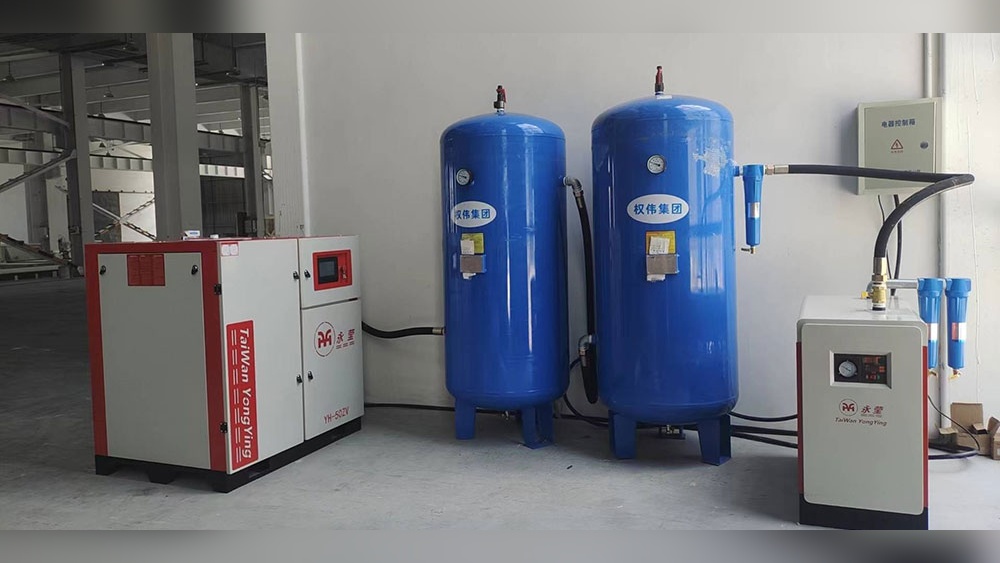
Small air compressors usually use between 500 and 1500 watts. They run on less power because they handle smaller tasks. Large compressors can use 3000 watts or more. They need more power to work with bigger tools and longer jobs. Small compressors are good for home use or small projects. Large ones fit better for workshops and heavy-duty work.
Electric Vs. Gas-powered Models
Electric compressors use watts to measure power. They run quietly and are easier to maintain. Gas-powered compressors use fuel like gasoline, not watts. They can work anywhere without electricity. Gas models are louder and need more care. Electric models suit indoor work. Gas models are better for outdoor or remote jobs.
Calculating Operating Costs
Calculating operating costs helps you understand how much running a small air compressor will cost. It shows the power use and how it affects your electricity bill. This knowledge can help you save money over time. You can also compare models to choose the best one for your needs.
Estimating Electricity Usage
Start by checking the air compressor’s wattage. Small models usually use between 500 and 1500 watts. Multiply the wattage by the hours you use the compressor. Then divide by 1,000 to get kilowatt-hours (kWh). This is the unit your electric company charges for.
Cost Per Hour
Find your electricity rate on your bill. Rates often range from $0.10 to $0.20 per kWh. Multiply your kWh usage by this rate to get the cost per hour. For example, a 1,000-watt compressor running one hour uses 1 kWh. At $0.15 per kWh, it costs 15 cents per hour.
Long-term Savings
Choose an energy-efficient compressor to save money. Lower wattage means less power used and lower bills. Using the compressor only when needed also reduces costs. Over months and years, small savings add up to big savings.
Credit: www.homedepot.com
Frequently Asked Questions
How Many Watts Does A Small Air Compressor Use?
A small air compressor typically uses between 500 to 1500 watts. The exact wattage depends on the compressor’s size and motor power. Compact models designed for home use usually consume less energy compared to industrial ones.
What Affects The Wattage Of A Small Air Compressor?
Wattage depends on motor size, pressure output, and duty cycle. Higher pressure and larger tanks require more power. Continuous use also increases energy consumption. Energy efficiency ratings can help compare models for better power use.
Can I Run A Small Air Compressor On A Standard Outlet?
Yes, most small air compressors run on standard 120V outlets. They usually draw under 15 amps, compatible with typical household wiring. Always check the compressor’s electrical requirements before use to avoid overload or damage.
How To Reduce Energy Consumption Of Air Compressors?
Use the compressor only when necessary and avoid leaks in hoses. Regular maintenance keeps it running efficiently. Choose energy-efficient models with adjustable pressure settings to save power during operation.
Conclusion
Small air compressors usually use between 500 and 1500 watts. This depends on the model and how it runs. Knowing the wattage helps save energy and money. It also ensures the compressor meets your needs. Choose one that fits your tasks well.
Using the right compressor makes work easier and faster. Keep energy use in mind when buying or using one. This way, you get good performance without wasting power. Understanding watt use is smart and practical.