A reciprocating air compressor is a powerful tool you will find in many factories, workshops, garages, and even homes. But what exactly is it, how does it work, and why do so many industries depend on this machine? If you want to understand the basics and details of reciprocating air compressors, this guide will give you clear answers, practical examples, and even some advanced tips that beginners often overlook.
What Is A Reciprocating Air Compressor?
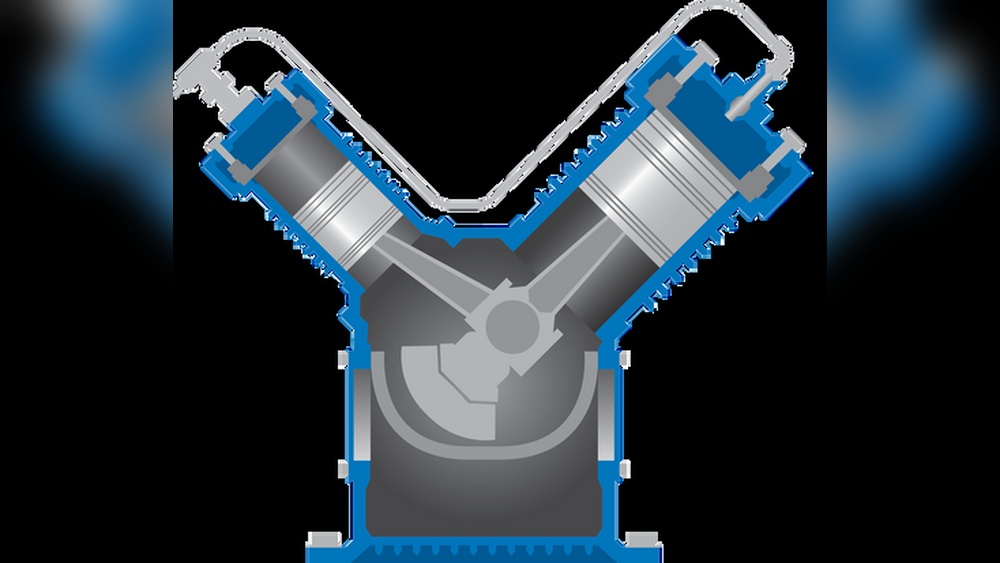
A reciprocating air compressor is a type of positive displacement compressor. It uses a piston inside a cylinder to compress air. As the piston moves up and down (reciprocates), it pulls air in and then squeezes it, making the air pressure higher. This pressurized air can be used for many tasks, from powering tools to filling tires and running machines.
You can think of it like a bicycle pump. When you pull the handle up, air enters the chamber. When you push it down, the air is forced out at a higher pressure. Reciprocating compressors work in a very similar way but are designed for much higher pressures and larger volumes.
How Does A Reciprocating Air Compressor Work?
The process inside a reciprocating air compressor involves a few simple but important steps:
- Intake Stroke: The piston moves down, creating a vacuum. This opens the intake valve, and air is drawn into the cylinder.
- Compression Stroke: The piston moves up, closing the intake valve and compressing the air. The pressure increases rapidly.
- Discharge Stroke: Once the air pressure is higher than the outlet pressure, the discharge valve opens, and the compressed air is released into the storage tank or system.
This cycle repeats very quickly, usually many times per second. Most small compressors use just one piston, but larger ones can use two or more.
Key Parts Of A Reciprocating Air Compressor
Understanding the main components helps you see how the compressor works and what might cause problems later.
- Cylinder: The chamber where air is compressed.
- Piston: Moves up and down to draw in and compress air.
- Crankshaft: Converts the rotary motion of the motor into the up-and-down motion of the piston.
- Valves: Allow air to enter and leave the cylinder at the right time.
- Connecting Rod: Connects the piston to the crankshaft.
- Motor: Provides the power to move the piston.
- Cooling System: Removes heat created during compression.
- Storage Tank: Holds the compressed air for later use.
Many beginners miss the importance of the cooling system. Compressing air creates a lot of heat, and if the compressor gets too hot, it can wear out quickly or even fail.
Types Of Reciprocating Air Compressors
There are several ways to classify reciprocating air compressors. The most common types are:
Based On Number Of Stages
- Single-stage compressors: Compress air in one step. The piston compresses the air and sends it directly to the tank. These are good for pressures up to about 120 psi (pounds per square inch).
- Two-stage compressors: Air is compressed twice—first to an intermediate pressure, then cooled and compressed again to a higher final pressure. Two-stage compressors can reach pressures up to 175 psi or more.
Based On Number Of Cylinders
- Single-cylinder: One piston and cylinder, used for small jobs.
- Multi-cylinder: Two or more cylinders, often used in larger and more powerful compressors.
Based On Cooling Method
- Air-cooled: Use fins and fans to remove heat.
- Water-cooled: Use water jackets around the cylinders to take away heat. These are common in very large compressors.
Based On Drive Type
- Belt-driven: Motor is connected by a belt, which is easy to replace or adjust.
- Direct-driven: Motor is attached directly to the crankshaft. These are more compact but can run hotter.
Here is a simple comparison of common types:
| Type | Max Pressure | Cooling | Typical Uses |
|---|---|---|---|
| Single-stage | 120 psi | Air-cooled | Home, small workshops |
| Two-stage | 175 psi | Air-cooled/Water-cooled | Factories, large shops |
| Multi-cylinder | 200+ psi | Water-cooled | Industrial plants |

Credit: www.calsupplycompany.com
Where Are Reciprocating Air Compressors Used?
Reciprocating air compressors are very flexible. You will find them in many industries and everyday locations. Here are some common uses:
- Automotive garages: Powering pneumatic tools, spray painting, and tire inflation.
- Manufacturing plants: Operating machinery, controls, and conveyor systems.
- Construction sites: Running jackhammers, drills, and nail guns.
- Home workshops: Inflating tires, blowing dust, and using small air tools.
- Medical facilities: Providing clean, compressed air for breathing equipment.
Some applications require oil-free air, especially in food, medical, or electronics industries. For these, oil-free reciprocating compressors are used, which have special materials or designs to avoid oil contamination.
Reciprocating Air Compressor Vs. Other Compressors
How does a reciprocating air compressor compare to other types, like rotary screw or centrifugal compressors? The choice depends on your needs.
| Compressor Type | Best For | Noise Level | Maintenance |
|---|---|---|---|
| Reciprocating | Small to medium jobs | Medium to high | Simple, more frequent |
| Rotary Screw | Continuous, large volume | Low | Less frequent, more complex |
| Centrifugal | Very high flow, big plants | Low | Specialized, infrequent |
Reciprocating compressors are valued for their reliability, lower initial cost, and easy maintenance. But they are usually louder and less efficient for very large jobs.
Advantages Of Reciprocating Air Compressors
Reciprocating air compressors are popular for many good reasons:
- Simple design: Fewer parts make them easy to understand and repair.
- Wide pressure range: Can deliver both low and high pressures as needed.
- Versatility: Suitable for many applications from home to industry.
- Low initial cost: Usually cheaper than other compressor types for the same pressure.
- Easy maintenance: Parts are widely available and repairs are straightforward.
A less obvious benefit is that these compressors can be stopped and started frequently without problems. This is useful when air demand changes often.
Disadvantages And Limitations
Despite their advantages, reciprocating compressors have some downsides:
- Noise and vibration: The piston movement creates more noise and vibration than other types.
- Limited flow rate: Not ideal for continuous, very high-volume air use.
- Heat buildup: They can get hot quickly, especially if run for long periods.
- Lubrication needs: Most types need regular oil checks and changes, except for oil-free designs.
Many beginners do not realize that running a reciprocating compressor too long without a break can cause overheating and early wear.
How To Choose The Right Reciprocating Air Compressor
Selecting the best compressor for your needs is not just about power or price. Here are the factors that really matter:
- Air flow needed (CFM): CFM means “cubic feet per minute,” or how much air the compressor can deliver. Add up the CFM for all tools you want to use at the same time, then add 25% as a safety margin.
- Pressure needed (psi): Make sure the compressor’s max pressure is higher than your highest-pressure tool.
- Duty cycle: This means how long the compressor can run before it needs a break. For example, a 50% duty cycle means it should rest as much as it runs.
- Power supply: Match the compressor to your available electricity (voltage and phase).
- Portability: Do you need to move it often? Smaller compressors may have wheels and handles.
- Noise level: Consider where you will use it. Some compressors are very loud.
- Oil or oil-free: Oil-lubricated models last longer but need more maintenance. Oil-free types need less care but may wear out faster.
- Budget: Balance your needs with your spending limit.
A common mistake is choosing a compressor that is too small. It is better to buy a little more power and capacity than you need now, so you can handle extra tools or bigger jobs later.
Maintenance Tips For Reciprocating Air Compressors
Proper care will make your compressor last much longer and work reliably. Here are some essential maintenance tips:
- Check and change the oil (if oil-lubricated) regularly—usually every 500-1000 hours.
- Drain moisture from the tank daily. Compressed air creates water, which can rust the tank.
- Clean or replace air filters often. Dirty filters make the compressor work harder and overheat.
- Inspect belts and valves for wear and tear.
- Check for air leaks in hoses and fittings.
- Keep the compressor clean and free from dust.
A smart tip: Mark your calendar or set reminders for routine checks. Most failures happen because basic maintenance is forgotten.
Common Problems And Solutions
Even the best compressors can have issues. Here are some frequent problems and how to fix them:
- Compressor won’t start: Check the power supply, fuses, and switches.
- Low pressure: Look for air leaks, dirty filters, or worn-out valves.
- Excessive noise: Could be loose parts, worn bearings, or lack of oil.
- Overheating: Clean cooling fins, check oil level, reduce run time.
- Oil in the air: Worn piston rings or overfilled oil reservoir.
If you see any unusual noises or the compressor gets very hot, stop and check it right away. Do not ignore small problems—they can grow quickly.
Safety Precautions
Using a reciprocating air compressor is usually safe, but always follow basic rules:
- Wear hearing protection if you use the compressor for long periods.
- Never bypass safety valves or pressure switches.
- Release all pressure before servicing or moving the compressor.
- Keep children and pets away from the work area.
- Read the manual for your specific model.
A less obvious risk: compressed air can drive tiny particles into your skin or eyes. Never use it to blow dust off your body or clothes.
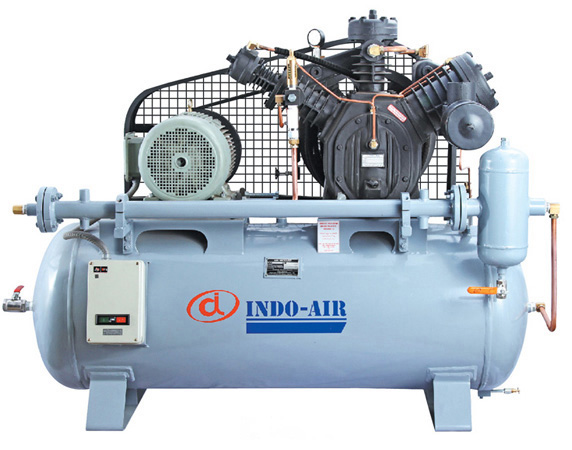
Credit: indoair.com
Energy Efficiency And Environmental Impact
Reciprocating compressors are not always the most energy-efficient, especially in large factories. They use more electricity per unit of air than some modern types. To save energy:
- Fix leaks in your air system—leaks waste both air and power.
- Use the right size compressor for your needs.
- Turn off the compressor when not in use.
- Keep intake air clean and cool for better performance.
Some advanced compressors use variable speed drives or special controls to match air output with demand, saving more energy.
Real-world Example
In a medium-sized auto repair shop, a two-stage, 5-horsepower reciprocating compressor provides enough air for ten mechanics to use impact wrenches, spray guns, and lifts. The shop owner chose this type because it is reliable, easy to fix, and can handle the changing workload.
They do regular maintenance, drain the tank every day, and the compressor has run for years with few problems.

Credit: mi-air.com
Frequently Asked Questions
What Is The Main Function Of A Reciprocating Air Compressor?
The main function is to compress air by using a piston that moves up and down inside a cylinder. This increases air pressure, making it useful for powering tools, inflating tires, and many other tasks.
How Long Can A Reciprocating Air Compressor Run Continuously?
Most models have a duty cycle of 50% to 75%. This means they should run for 5 to 7.5 minutes out of every 10 minutes, then rest. Running longer can cause overheating.
Are Reciprocating Compressors Suitable For Industrial Use?
Yes, they are widely used in industry, especially for smaller or medium-sized jobs. For very large or continuous needs, rotary screw or centrifugal compressors may be better.
What Is The Difference Between Oil-lubricated And Oil-free Compressors?
Oil-lubricated compressors use oil for smoother operation and longer life but need regular oil changes. Oil-free compressors do not use oil in the cylinder and are used where clean air is needed, but they may wear out faster.
Where Can I Learn More About Air Compressors?
A good resource for deeper information is the Wikipedia Air Compressor page.
Reciprocating air compressors remain a smart choice for many users due to their simplicity, reliability, and versatility. Whether you are setting up a home garage or managing a factory, understanding how these machines work—and how to care for them—will help you get the most value, safety, and performance for years to come.